

Hey, I’m Penny. Let’s talk about the one thing that can stop a project dead in its tracks: a permit delay. It’s not just a headache; it’s a direct hit to your wallet. Every day you’re stuck in that digital “pending” tray is another day of paying interest on loans or losing out on rental income. Getting your Florida construction permit approved without delays is one of the most effective ways to keep your project on budget. Before you get stuck in a loop of corrections, let’s cover the essential steps for an application that sails right through.
In the current 2026 Florida construction landscape, the boom is real, but so is the bureaucracy. Whether you are looking for residential permit services Florida or managing massive commercial building permits Florida, the hurdles remain remarkably similar. At All Florida Permits, our CEO Justin always says that a permit delay isn’t just a headache: it’s a drain on your bank account.
If you want to keep your project on track and avoid the common pitfalls that lead to “Comments Received” notifications, you need to know what the reviewers are looking for. Here are the top 10 reasons your Florida construction permits are getting delayed and, more importantly, how you can fix them.
Understanding the Basics of Florida Construction Permits
Before we get into the nitty-gritty of application mistakes, let’s cover some ground rules. Think of the permitting process not as a roadblock, but as a quality control system for your project. It’s designed to ensure everything is built safely and complies with the Florida Building Code, which protects you, future owners, and the community. Understanding who’s in charge and why these rules exist is the first step to a smoother journey. When you know the “what” and “why,” the “how” becomes much clearer, and you can prepare your application to sail through the review process without unnecessary delays.
Who Issues Building Permits in Florida?
One of the first things to understand is that there isn’t a single, statewide office that handles every construction permit in Florida. Instead, permits are issued by your local city or county building department. This decentralized system means that the specific requirements for a project in Miami could be slightly different from one in Tampa or Jacksonville. Each municipality has its own set of rules, submission portals, and review timelines. This is often where confusion begins for contractors and homeowners working across different jurisdictions. It’s why having a team that understands the unique processes of each local office can be a game-changer for keeping your project on schedule.
Why You Might Need a Permit for Your Project
So, why all the paperwork? At its core, a building permit is a formal approval that your project plans meet local and state safety standards. It’s required for most new construction, repairs, or any structural alterations to a building. This process ensures that all work, from the foundation to the roof, is inspected at critical stages by a certified professional. This oversight protects your investment by verifying that the construction is sound and up to code. It also provides an official record of the work, which is crucial for insurance purposes and for the future resale value of your property.
The Risks of Working Without a Permit
Skipping the permit process might seem like a tempting shortcut to save time and money, but it almost always backfires. If the building department discovers unpermitted work, they can issue a stop-work order, immediately halting your entire project. This is often followed by significant fines, which can sometimes be double the original permit fee. You’ll then have to retroactively apply for a permit, which can be a complex and expensive process. Even worse, you may be required to tear down completed work to allow for inspections. Ultimately, working without a permit jeopardizes your project, your finances, and your property’s legal standing.
What Projects Require a Florida Construction Permit?
The big question on every property owner’s mind is, “Do I actually need a permit for this?” While the specifics can vary by municipality, the general rule is straightforward: if you’re altering, repairing, or adding to the structure of your property, you probably need a permit. This applies to both interior and exterior work. It’s not just about major new builds or additions; many smaller projects fall under the building department’s purview to ensure they are completed safely. Before you pick up a hammer or hire a crew, it’s essential to confirm whether your project requires official approval.
Common Projects That Need a Permit
You’ll definitely need a permit for large-scale projects like building a new home, an addition, or a garage. However, many common renovations also require one. This includes most structural changes, such as removing a wall, as well as significant repairs or replacements of your roof or windows. Projects involving your property’s core systems—like installing a new HVAC unit, re-piping, or rewiring—will also need a permit. Even outdoor projects like installing a swimming pool, building a deck over a certain size, or putting up a fence often require you to submit an application to your local building department for review and approval.
Work You Can Typically Do Without a Permit
Thankfully, not every home improvement project requires a trip to the building department. Generally, minor cosmetic upgrades don’t need a permit. This can include things like painting, installing new flooring like carpet or tile, or replacing kitchen cabinets, as long as you aren’t changing the plumbing or electrical layout. Small drywall repairs are also usually exempt. However, it’s crucial to remember that these are just general guidelines. The best and safest course of action is to always call your local building department to verify. A quick phone call can save you from a world of headaches down the road.
The Owner-Builder Option: What You Need to Know
For homeowners who want to be more hands-on, Florida law offers the “owner-builder” option. This allows you to act as your own contractor and pull permits for work on your own property. It can be a great way to manage your project directly, but it also comes with a significant amount of responsibility. You are not just the owner; you are legally responsible for the entire project, from supervising the work to scheduling inspections and ensuring every aspect of the job complies with the building code. It’s a path that requires time, knowledge, and careful planning to execute successfully.
Responsibilities of an Owner-Builder
When you pull an owner-builder permit, you are legally certifying that you own and live in the home where the work is being done. You take on full responsibility for the project’s compliance with all applicable laws and codes. While you can perform the work yourself, you are still required to hire licensed subcontractors for specialized trades like electrical, plumbing, and mechanical (HVAC) work. You are also responsible for ensuring these subcontractors are properly licensed and insured. Essentially, you step into the shoes of a general contractor, managing every detail from start to finish.
Limitations and When to Hire a Contractor
The owner-builder option has important limitations. You cannot use an owner-builder permit for a property you rent out or intend to sell or lease within a year of the project’s completion. These types of projects must be handled by a licensed contractor. If you lack the time to supervise the job site daily or are unfamiliar with construction practices and building codes, hiring a professional is the wiser choice. A licensed contractor manages the entire process, and working with a permit expediter can further streamline the initial paperwork. If you’re unsure which path is right for you, you can always request a proposal to understand your options.
1. Is Your Permit Application Actually Complete?
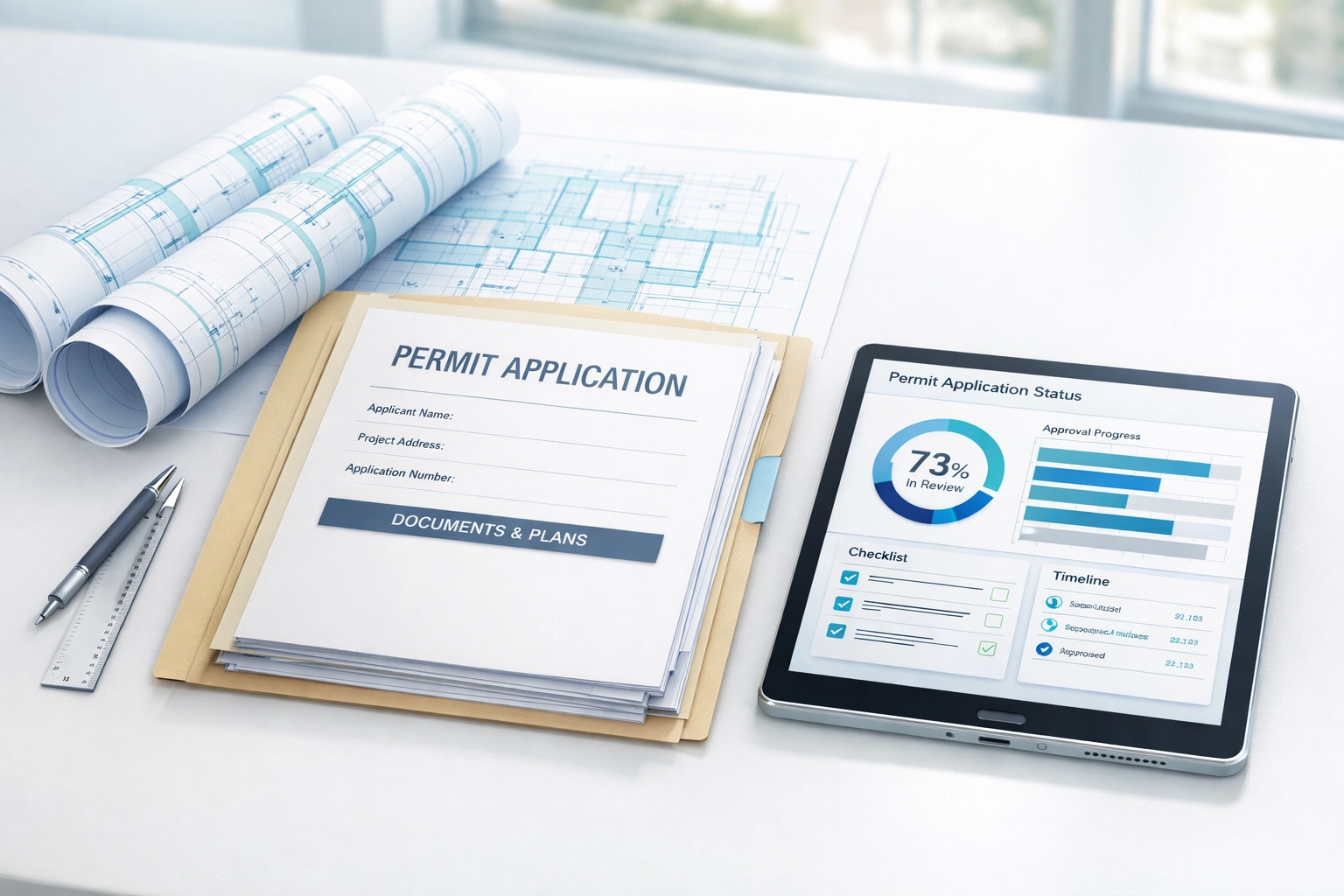
It sounds simple, but incomplete or inaccurate applications are the #1 cause of permit rejection in the Sunshine State. If a single field is left blank, or if a digital signature isn’t validated correctly, the reviewer will often reject the entire package without even looking at the plans.
The Fix: Treat your application like a high-stakes exam. Create a comprehensive checklist for every specific jurisdiction (since Miami-Dade requirements differ from Orange County). Double-check that every field is filled, every signature is notarized where necessary, and all contractor licensing info is up to date. This is where professional Florida building permit expediting becomes a lifesaver.
2. The Missing Paperwork That Halts Your Project
A permit application is more than just a floor plan. Florida jurisdictions require a mountain of supporting documents, including:
- Recent boundary surveys (usually less than six months old).
- Signed and sealed engineering plans.
- Truss engineering and layouts.
- Energy calculations (Florida Form 405).
- Proof of ownership (Warranty Deed or Property Appraiser printout).
The Fix: Don’t submit piecemeal. Gather every technical document upfront. If you are worried about the cost of managing these moving parts, checking a permit runner cost Florida guide can help you budget for a professional to handle the legwork.
3. Are You Current on Florida Building Codes?
Florida’s building codes are some of the strictest in the world due to our unique weather patterns. Codes are updated frequently, and using 2023 standards for a 2026 project is a recipe for an immediate “Correction Required” notice.
The Fix: Ensure your architect or engineer is referencing the most current version of the code. We’ve seen major changes recently: stay informed by reviewing our guide on Florida building code updates 2025-2026.
The Florida Building Code, 8th (2023) Edition
The current standard is the Florida Building Code, 8th (2023) Edition, and every detail of your plans must align with it. This isn’t just about structural integrity; it covers everything from energy efficiency to accessibility. Jurisdictions are also modernizing their processes to keep up. For example, Miami-Dade County is actively working to “improve services and address new needs” by expanding online tools and virtual inspections. This digital shift means that while access is easier, the technical requirements are just as strict. If your plans reference an older code, they won’t even get a second look before being sent back with corrections.
Special Requirements for High-Wind Zones
If your project is in a High-Velocity Hurricane Zone (HVHZ), like Miami-Dade or Broward County, the rules get even tougher. These areas demand specialized engineering and materials to withstand extreme weather. According to the state’s guidelines, these projects require “detailed plans, structural engineering approvals, and compliance with Florida Product Approvals for high-wind resistance.” This means every window, door, and roofing material must have a specific approval number (known as an NOA or Notice of Acceptance) listed on the plans. Forgetting even one of these can send your application right back to the drawing board, adding weeks to your timeline.
Rules for “Threshold Buildings”
Are you working on a large-scale project like a high-rise condo or a major commercial structure? If so, you’re likely dealing with a “Threshold Building.” The state has special rules for these complex structures. As defined by Florida Statutes, these projects require a special inspector—a licensed engineer or architect—to oversee and verify the structural work. This inspector technically works for the building department but is hired by the owner. It’s an extra layer of oversight that ensures public safety, but it also adds another critical step to the permitting and inspection process that must be managed perfectly.
Understanding Your Rights as a Permit Applicant
The permitting process can often feel like you’re at the mercy of the building department, but Florida law actually gives you, the applicant, specific rights. Knowing these can help you hold agencies accountable and keep your project moving forward. The state mandates a level of transparency and fairness that many people aren’t aware of. For instance, you have the right to clear communication, access to information, and protection from issues caused by previous property owners. Understanding these rights is the first step in advocating for your project and ensuring you’re not facing unnecessary or unlawful delays from a local building department.
Online Access and Application Tracking
You shouldn’t have to guess the status of your permit. Florida Statutes require local agencies to post all their permit applications and requirements on their website. More importantly, they must provide a way for you to track your application’s status online. This means you have the right to see exactly where your application is in the review process, who is reviewing it, and what comments have been made. This transparency is key. At All Florida Permits, we monitor these online portals daily for our clients, allowing us to respond to comments the moment they appear.
What Happens if Your Permit is Denied?
A denial isn’t the end of the road, and you have the right to know exactly why it happened. The law is very clear: if your permit is denied, the agency must provide a specific reason, “pointing to the specific parts of your plans or work that don’t follow the Florida Building Code.” They can’t just give you a vague rejection. This is incredibly important because it gives you a clear roadmap for correction. An experienced permit expediter can take this feedback, work with your architect or engineer, and resubmit a corrected application that directly addresses every single point, dramatically speeding up the approval process.
Protections for New Property Owners
Here’s a situation we see all the time: someone buys a property only to discover an old, unclosed permit from a previous owner’s project. The good news is that Florida law protects you. A building department “cannot be denied a permit or fined just because a previous owner didn’t close an old permit.” This prevents you from being unfairly penalized for someone else’s oversight. While you’ll still need to address the open permit to move forward, you won’t be hit with fines or an automatic denial on your new project, which is a huge relief for many new homeowners and developers.
4. Getting Drainage and Stormwater Design Right
Florida is essentially a giant sponge, and municipalities are incredibly protective of their water tables. If your site plan doesn’t accurately show how you will manage runoff or if it fails to account for heavy tropical rainfall, your permit will sit in limbo.
The Fix: Work with a civil engineer who specializes in Florida’s specific topography. They must design a system that keeps water on-site and away from neighboring properties. This is especially critical for commercial building permits Florida where large parking lots create significant runoff.
5. Double-Check Your Zoning and Setbacks
You can’t build a pool right up to your neighbor’s fence, and you certainly can’t build over a utility easement. Every municipality has different “setbacks” (the distance a structure must be from the property line).
The Fix: Before you even draft plans, conduct a thorough zoning review. Understanding Florida’s land use regulations early in the process prevents costly redesigns after the permit has already been submitted.
6. Is Your Elevation Data Accurate for Flood Zones?
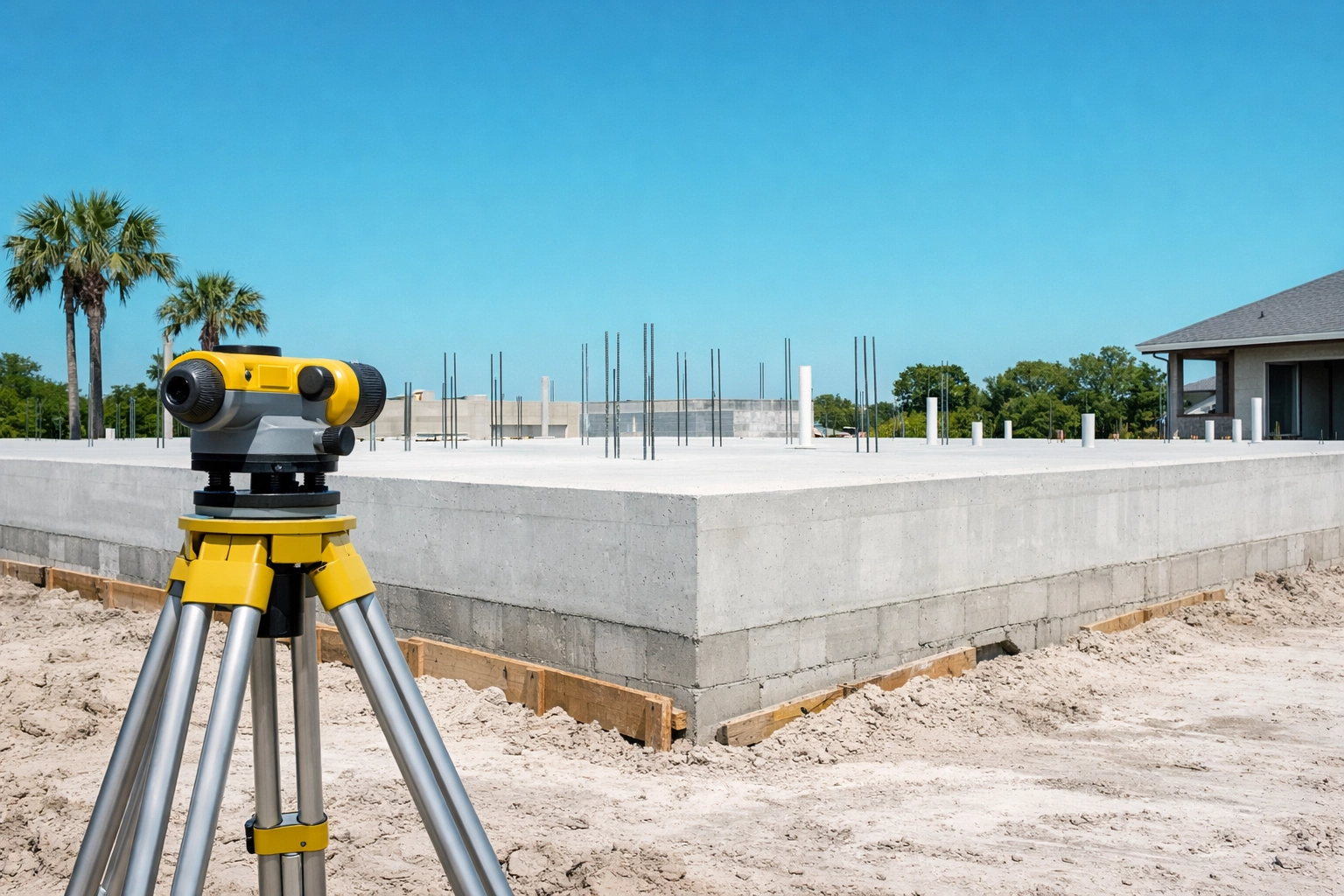
With rising sea levels and updated FEMA maps, elevation is everything. If your plans show a finished floor elevation (FFE) that doesn’t align with the Base Flood Elevation (BFE) required for your zone, your permit will be denied.
The Fix: Ensure your surveyor and architect are talking to each other. The elevation data on the survey must match the architectural sections and the FEMA Elevation Certificate. If you are rebuilding after a storm, pay extra attention to post-disaster permit compliance.
7. What Are Your Local Jurisdiction’s “Quirks”?
What works in Jacksonville won’t fly in Miami. Florida is a patchwork of local rules. For example, a Miami permit expediter knows that the City of Miami has very specific requirements for a Certificate of Use that don’t exist in other cities.
The Fix: Research the local building department’s “Standard Operating Procedures.” Better yet, use permit expediting services Florida that have local relationships. Knowing the specific preferences of a local reviewer can shave weeks off your timeline.
Building Recertification Programs
This is a huge one, especially if your project is in South Florida. Jurisdictions like Miami-Dade and Broward County have mandatory recertification requirements for buildings once they hit 40 years of age, and every 10 years after that. Imagine this: you submit a flawless permit application for a tenant build-out, only to have it frozen because the entire building is flagged for its 40-year inspection. The city won’t issue any new permits until the building owner completes the recertification, which involves extensive structural and electrical engineering reports. This can stall your project for months. Before you even start designing, verify the building’s recertification status. Handling the building recertification process is a specialized task, and an oversight here can derail not just your project, but every other project in that building.
8. How to Avoid Common Inspection “Hold” Triggers
Sometimes the delay isn’t in the permit approval, but in the transition between permit types. If you haven’t closed out a previous permit or if there is an outstanding violation on the property, the system will trigger an automatic hold on any new applications.
The Fix: Run a lien and permit search on the property before you apply. Clearing up old “expired” permits is a prerequisite for moving forward. This is essential if you want to eventually secure your Certificate of Occupancy Florida.
The Inspection Process After Your Permit Is Issued
Getting your permit issued feels like crossing the finish line, but it’s really just the start of the race. Now, your project moves into the active construction phase, which is governed by a series of mandatory building inspections. Think of these as checkpoints where a city official verifies that the work on-site matches the approved plans and meets the stringent Florida Building Code. These inspections are scheduled at critical stages—like after the foundation is poured, once the framing is up, or before the drywall covers the electrical and plumbing. It’s your contractor’s job to schedule these inspections and ensure the permit card is posted and visible on-site for the inspector to sign off on.
Handling Failed Inspections
Seeing a red “Failed” sticker on your inspection card can be disheartening, but it’s not the end of the world. A failed inspection simply means the inspector found an issue that needs to be corrected before work can continue on that specific component. They will leave a correction notice detailing exactly what needs to be fixed. It’s crucial to address these items promptly, as you can’t move on to the next phase until you pass a re-inspection. The key is clear communication. Talk to your contractor to understand the required changes and ensure they are completed correctly before calling the inspector back out to the site.
Permit Expiration and Extensions
Your Florida building permit has a shelf life. Most jurisdictions operate on a “180-day rule,” meaning your permit will become void if you go more than 180 days without a passed inspection. This policy ensures that projects show continuous progress and don’t sit abandoned. Furthermore, most permits have a final expiration date, often two years from when they were issued. If your project is complex and timelines are stretching thin, you can typically request an extension *before* it expires. Letting a permit expire is a costly mistake, as you may have to re-apply for a new one under updated, more expensive building codes. Managing these deadlines is a critical part of our permit management services, ensuring your project stays active and compliant from start to finish.
9. The Small Errors That Cause Big Permit Delays
Reviewers are humans. If they find one or two mathematical errors or missing labels on your electrical load calcs, they stop trusting the entire plan set. They will send it back for a full “peer review” or require a mountain of corrections.
The Fix: Perform a “pre-flight” review. Have a third party: like a permit consultant: look over the plans specifically for administrative and code-compliance red flags before the city sees them. It’s much cheaper to pay for a review now than to pay for a construction crew to sit idle later.
10. Closing the Communication Gap for Faster Approval
The most common “soft” reason for delays is a lack of follow-up. Building departments are overwhelmed. If your permit is sitting on a desk and no one is checking on its status, it will stay there.
The Fix: You need a proactive approach. This is the core value of expedited building permits Florida. You need someone to regularly check the portal, respond to comments within 24 hours, and push the file through the various departments (Fire, Zoning, Environmental, Building).

What’s the Real Cost of a Florida Construction Permit?
When people ask about the building permit cost Florida, they usually think about the city fees. But the real cost is the interest on your construction loan, the lost revenue from a commercial space not being open, or the rising costs of materials while you wait.
Investing in a Miami permit expediter or a statewide consultant might seem like an added expense, but when you look at the permit expediter cost guide, you’ll see that the time saved almost always outweighs the service fee.
Frequently Asked Questions
Q: How long does a standard Florida building permit take? A: It varies wildly. A simple residential “express” permit might take 2-4 weeks, while a complex commercial building permit Florida can take 3-6 months depending on the jurisdiction and the number of review cycles.
Q: Can I speed up the process by going in person? A: Most Florida building departments have moved to 100% digital submissions (like Miami-Dade’s GoldLink or Orlando’s ProjectDox). In-person visits are now mostly for specific appointments or troubleshooting, not for standard submissions.
Q: What is a Notice of Commencement (NOC)? A: It is a document filed with the Clerk of Courts that officially begins the project. In Florida, if your project value is over $5,000 ($15,000 for HVAC), you cannot get your first inspection until a certified copy of the NOC is posted at the job site.
Understanding Permit and Inspection Fees
One of the first questions everyone asks is, “How much will this cost?” The truth is, there’s no flat rate for a Florida building permit. The fees are calculated based on the specific scope and value of your project, meaning a simple roof repair will cost far less than a full commercial build-out. Each city and county also has its own fee schedule, which can include separate charges for plan reviews, technology surcharges, and individual inspections. To avoid sticker shock, it’s best to get a clear breakdown of all anticipated government fees before you submit. This is a standard part of our proposal process, ensuring you have a realistic budget from day one.
Navigating Special Permit Situations
Life in Florida comes with its own set of unique circumstances, from sudden tropical storms to unexpected repair needs. The permitting process has special provisions for these situations, but the rules aren’t always obvious. Knowing how to handle an emergency repair or what to do after a hurricane can make a stressful situation much more manageable. It’s also important to know your rights and the proper channels to use if you run into issues with a contractor. Understanding these exceptions to the standard process will help you protect your property and your investment, ensuring you stay compliant even when things don’t go according to plan.
Emergency Repairs
When a tree falls on your roof or a pipe bursts, you can’t wait for a permit. Florida law recognizes this. Your immediate priority should be to make the necessary repairs to secure your home and prevent further damage. You are allowed to perform the work first and then apply for the permit on the next business day. The key is to document everything with photos before, during, and after the repair. This proves to the building department that the work was a true emergency. This provision is for genuine emergencies only, not for starting a planned renovation without approval, so be sure to file the paperwork promptly.
Post-Hurricane Permitting
After a major storm, local governments often shift gears to help communities rebuild quickly. This can include creating streamlined permit processes for storm-related damage and, in many cases, waiving permit fees for a limited time. For example, after a declared disaster, a county might suspend fees for roof repairs or window replacements for several months. It is critical to check your local building department’s website immediately following a storm to understand these temporary rules and deadlines. Acting fast can save you hundreds or even thousands of dollars in fees while ensuring your repairs are properly documented and inspected for safety.
How to Handle Contractor Issues
Even with a solid contract, disputes with a contractor can happen. If you find yourself in a situation where work is not being done to code, the project is abandoned, or you have another serious issue, Florida has an official recourse. You should contact the Florida Department of Business and Professional Regulation (DBPR), which is the state agency responsible for licensing and regulating contractors. You can file a complaint online or by calling them directly at (850) 487-1395. Before you do, make sure you have all your documentation in order, including your contract, proof of payments, and a timeline of all communications.
How We Streamline the Florida Permit Process
Navigating the Florida building landscape is a full-time job. At All Florida Permits, we handle the heavy lifting so you can focus on building. From conditional use permit timelines to passing a 40-year building inspection, our team is dedicated to eliminating the friction in the permitting process.
Don’t let your project become a “Sunshine State Success Story” for the wrong reasons: like how long it took to get out of the ground. Reach out to us for expert Florida building permit expediting and let’s get your project approved.
Ready to bypass the bottlenecks? Contact All Florida Permits today and let’s get your construction project moving!
Disclaimer: Permit requirements and procedures may vary by jurisdiction. Always verify with local building departments or consult a licensed permitting professional.
Key Takeaways
- Get Your Application Right the First Time: Most permit delays are caused by simple mistakes. Prevent instant rejections by ensuring your application is 100% complete, includes all required supporting documents, and references the most current Florida Building Code.
- Know Your Local Building Department’s Quirks: Florida’s permit rules are not one-size-fits-all; what works in Orlando might not fly in Miami. Research your specific municipality’s zoning setbacks, flood elevation requirements, and special programs like building recertification before you finalize your plans.
- Actively Manage Your Permit After You Apply: Submitting your application is just the start. To keep your project on schedule, you must proactively track its status, respond to reviewer comments immediately, and properly manage inspection timelines to prevent your permit from expiring.
Related Articles
- Florida Building Permit Help: A Step-by-Step Guide
- Permit Application: A Simple Step-by-Step Guide
- Florida Permit Number Lookup: A Simple Guide
- Florida Construction Permits 101: A Beginner’s Guide to Mastering Building Code Requirements – All Florida Permits