

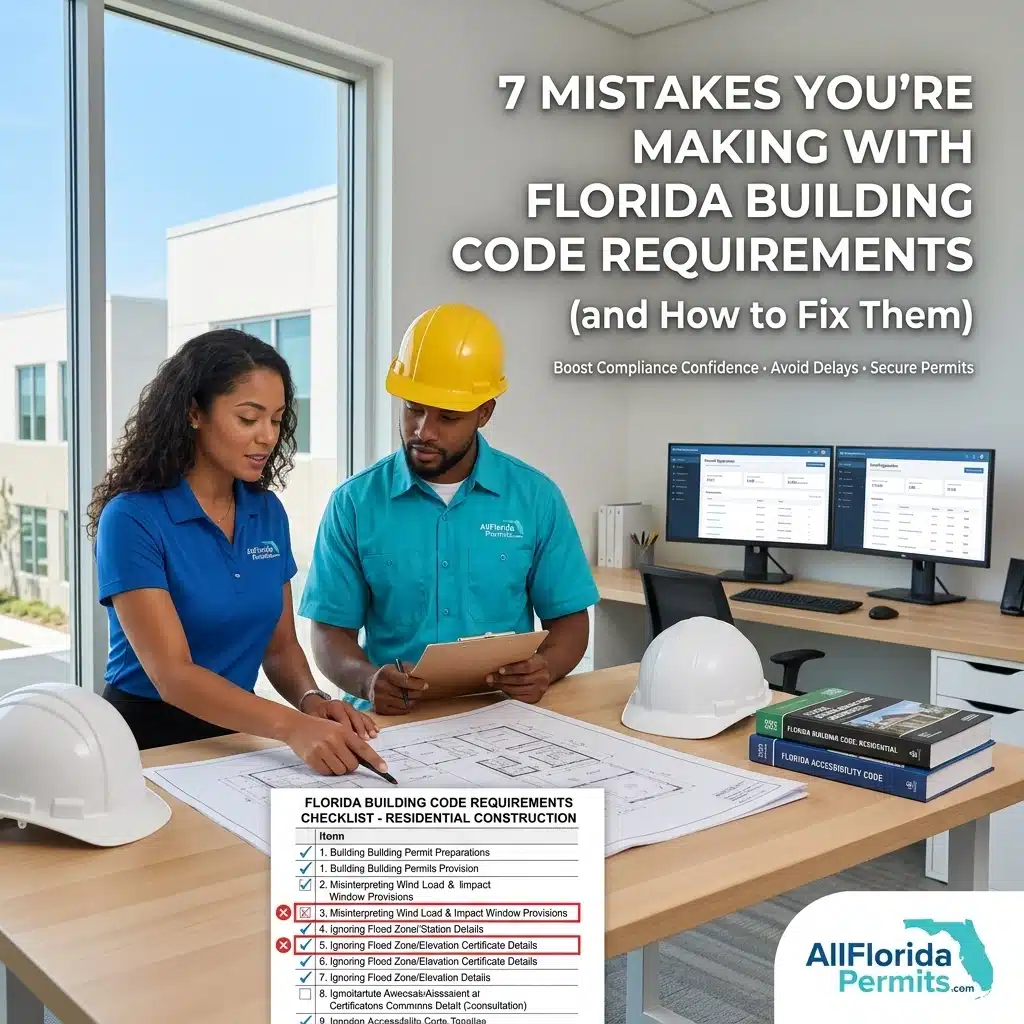
Building in the Sunshine State is a dream for many, but without the right guidance, it can quickly turn into a regulatory nightmare. Florida isn't just another state when it comes to construction; it is home to some of the most rigorous building standards in the world. Whether you are managing commercial building permits in Florida or a simple backyard renovation, the Florida building code requirements are designed to protect lives and property from the unique environmental challenges we face, namely high-velocity hurricanes.
At All Florida Permits, we see homeowners and developers alike fall into the same traps time and time again. These errors don't just result in failed inspections; they lead to costly delays, heavy fines, and potential safety hazards. As we navigate the landscape of 2026, staying ahead of these requirements is more important than ever.
Here are the seven most common mistakes people make with the Florida Building Code and exactly how you can fix them.
1. Operating on Outdated Code Knowledge
The Florida Building Code (FBC) is not a static document. It is updated every three years to reflect new technology and lessons learned from recent storm seasons. Currently, the industry is operating under the 8th Edition (2023) Florida Building Code, which includes significant updates to energy conservation, roofing standards, and structural loads.
Many builders and DIY-savvy homeowners make the mistake of assuming "the way we did it five years ago" still applies. In reality, failing to account for the latest amendments can lead to an immediate rejection of your plans.
How to Fix It:
Before you even draw up a blueprint, confirm you are using the most current edition of the FBC. If you aren't a code expert, this is where permit expediting services in Florida become invaluable. Professionals keep a pulse on these changes so you don't have to. You can also consult resources like the Florida Gazette for industry updates.
2. Underestimating the Scope of Required Permits
"It’s just a small shed," or "I’m only replacing the water heater." These are famous last words in the world of Florida construction. A common mistake is assuming that minor interior work or small outdoor structures don't require a permit.
In most Florida jurisdictions, including high-traffic areas handled by a Miami permit expediter, almost any structural, electrical, plumbing, or mechanical change requires official oversight. Working without a permit can lead to "Stop Work" orders and double or triple permit fees as a penalty.
How to Fix It:
Always assume you need a permit until the local building department tells you otherwise. Check your specific city’s website, cities like Orlando, Tampa, and Miami have variations in their local ordinances. If you're unsure, reaching out for residential permit services in Florida can help you determine the exact requirements for your project size.
3. Framing and Structural Support Violations
Framing is consistently cited as one of the most common residential building code violations in Florida. According to recent data, issues with strapping and trusses are found in nearly 40% of inspections. These include improperly installed connectors, faulty wind braces, and incorrect roof sheathing.
In a state where wind uplift is a primary concern, your framing is what keeps your roof attached to your walls and your walls attached to the foundation.
How to Fix It:
- Use the Right Fasteners: Ensure that all strapping and fasteners meet the specific gauge and material requirements for your zone.
- Verify Trusses: Double-check that your trusses are manufactured and installed according to the approved engineering plans.
- In-Progress Inspections: Don't wait until the end of the project to check your work. Schedule framing inspections early to catch issues before they are covered by drywall.
4. Failing the Hurricane Resistance Test
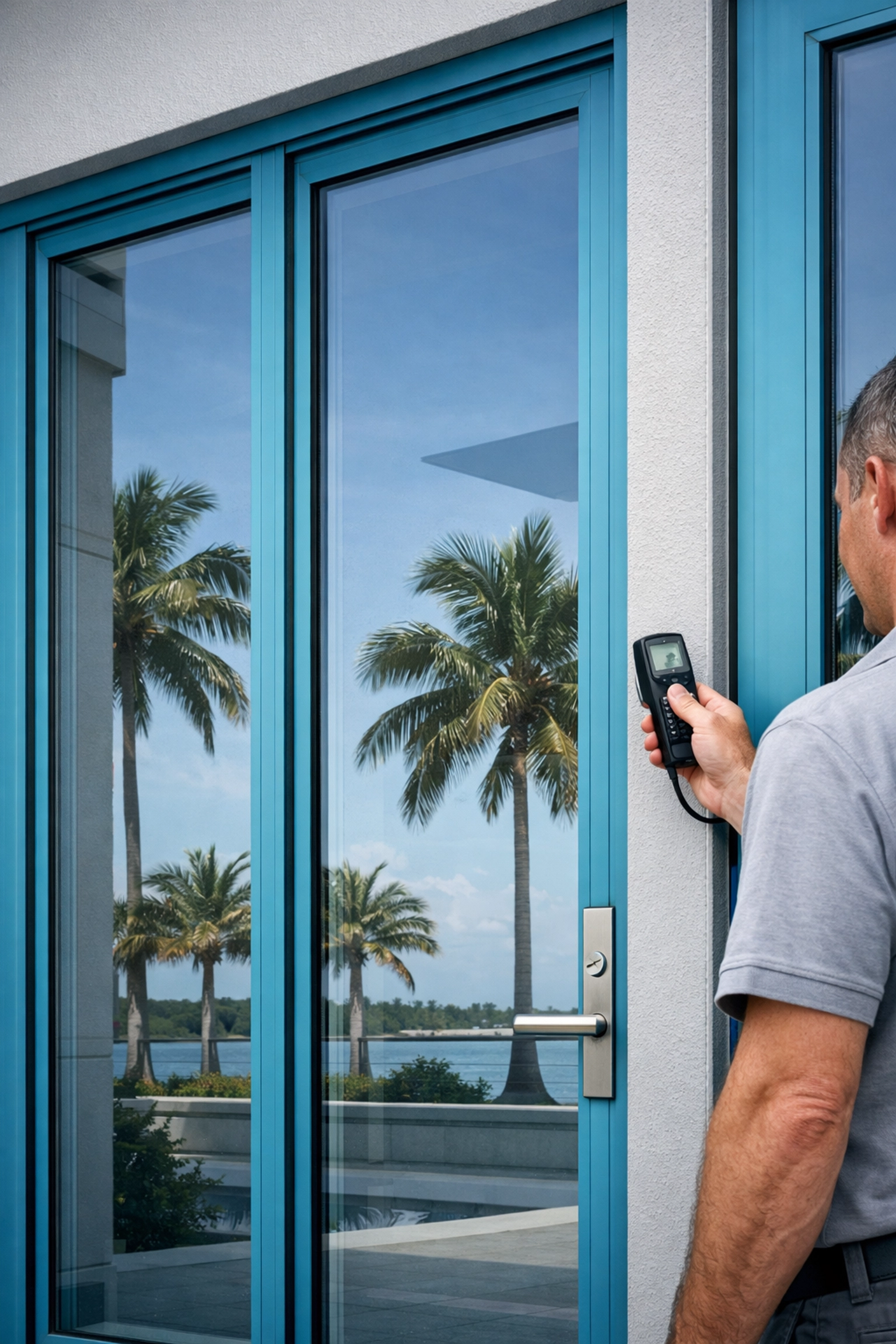
Florida’s High-Velocity Hurricane Zones (HVHZ), particularly in Miami-Dade County and Broward, have even stricter rules than the rest of the state. A major mistake is selecting windows, doors, or roofing materials that do not have a valid Florida Product Approval number or a Notice of Acceptance (NOA).
Without these documents, your materials, no matter how high-quality they seem, will not pass inspection. This is a critical factor in determining the final building permit cost in Florida, as replacing non-compliant windows after installation can double your budget.
How to Fix It:
Before purchasing materials, verify their Product Approval numbers on the Florida Department of Business and Professional Regulation (DBPR) website. If you are working on a large-scale project, hiring a specialist for expedited building permits in Florida can ensure that your product submittals are correct the first time.
5. Electrical Safety and System Overloads
Electrical violations are not just a matter of code; they are a fire hazard. Common mistakes include:
- Overloaded circuits.
- Failure to install Ground-Fault Circuit Interrupters (GFCIs) in wet areas like kitchens and bathrooms.
- Missing Arc-Fault Circuit Interrupters (AFCIs) in bedrooms.
The 8th Edition of the FBC has tightened the rules on where these safety devices must be located to prevent accidental electrocution and electrical fires.
How to Fix It:
Always use a licensed electrician who is familiar with the specific nuances of Florida construction permits. Ensure that your electrical panel is rated for the load of any new appliances or additions. For commercial properties, this is even more vital, as the code requirements for commercial electrical systems are significantly more complex.
6. Ignoring Plumbing and Mechanical Standards
Often hidden behind walls, plumbing and mechanical (HVAC) systems are frequent sources of code failure. Improper venting, incorrect pipe sizing, and inadequate drainage slopes are common plumbing errors. In the mechanical realm, failing to provide proper "Manual J" load calculations for a new AC unit can lead to an inspection fail.
In Florida, your HVAC system is your primary defense against humidity and mold. The code requires specific efficiency ratings and installation methods to ensure the system can handle the Florida climate.
How to Fix It:
Budget for professional engineering reviews early in the process. Catching a venting issue on paper is free; catching it after the tile is laid is expensive. If you are looking for guidance on regional requirements, check out our Palm Beach County permits page for localized tips.
7. Overlooking Accessibility (ADA) Requirements
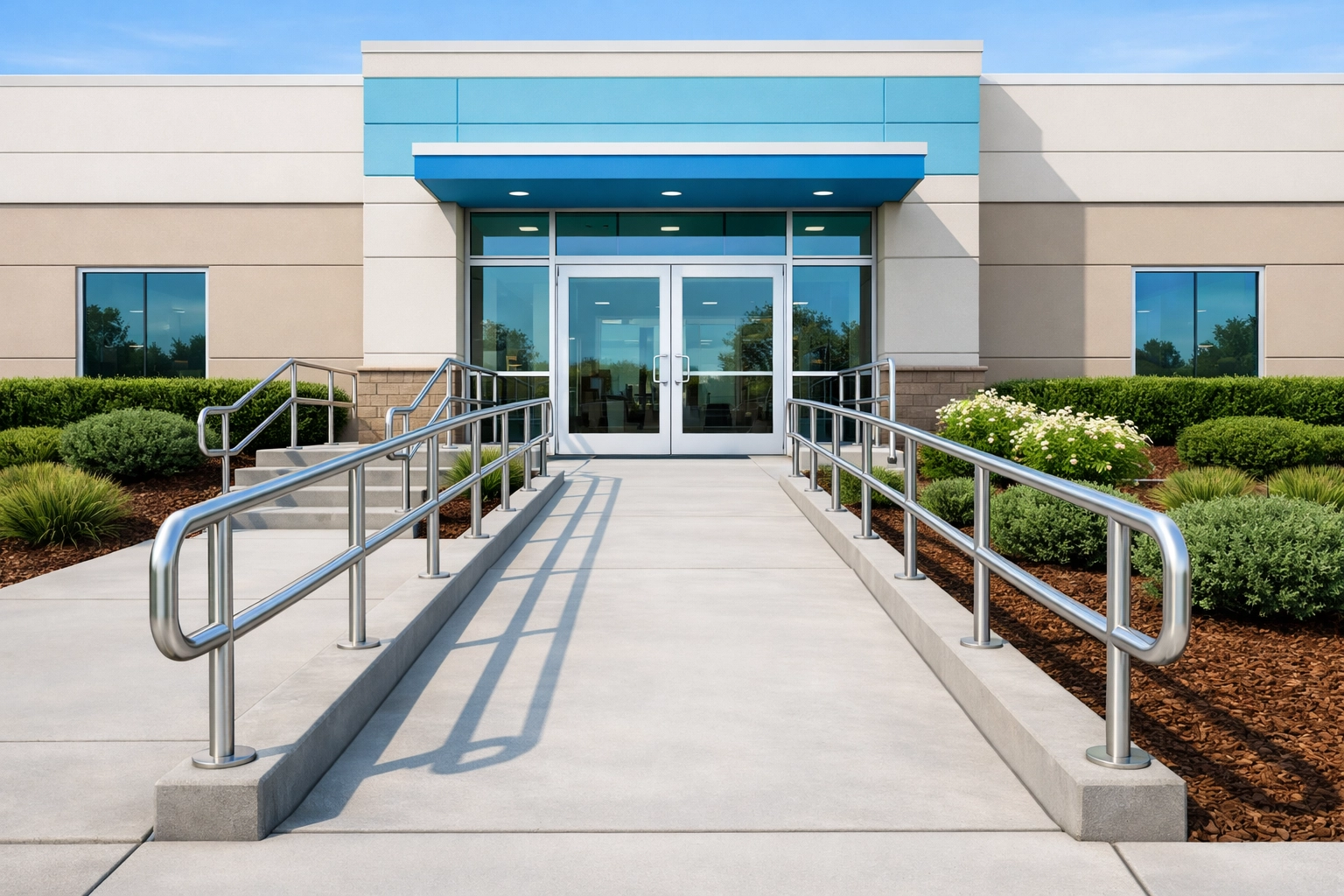
Accessibility is often treated as an afterthought, especially in smaller commercial renovations. However, the Florida Accessibility Code (based on the ADA) is strictly enforced. Common mistakes include:
- Ramps that are too steep.
- Handrails that lack the required "returned" ends.
- Restroom stalls that don't allow for the proper wheelchair turning radius.
- Grab bars mounted at the incorrect height.
How to Fix It:
Review the Florida Accessibility Code during the design phase. It is much easier to move a wall 6 inches on a digital blueprint than it is to move a load-bearing wall after the plumbing is roughed in. Ensure your Miami Beach permit expediting services or design team has a specialist who understands the latest in universal design.
The Ultimate Goal: The Certificate of Occupancy (CO)
All of these requirements lead to one final, essential document: the Certificate of Occupancy Florida. You cannot legally live in or operate a business in a newly constructed or significantly renovated space without it.
The CO is the building department's way of saying, "This structure is safe and meets all state and local laws." Failing to address the seven mistakes above will block your path to getting a CO, which can prevent you from closing on a mortgage or opening your doors to customers.
Why Compliance Is Your Best Investment
It’s easy to view the building code as a hurdle, but it’s actually a shield. Structures built to the current FBC standards have been proven to sustain up to 75% less damage during major hurricanes compared to non-compliant structures. Beyond safety, compliance protects your financial investment. Under Florida Statute 553.84, property owners may even have the right to sue for damages caused by material code violations.
Navigating the world of Florida building permit expediting can feel like learning a second language. Between the state-wide code and the local variations in places like Hialeah, the paperwork can be overwhelming.
All Florida Permits is here to bridge that gap. We specialize in ensuring your project hits every mark, from the initial application to the final inspection. Getting professional permit assistance often reduces review times and improves compliance outcomes, saving you time and stress.
Ready to get started?
Don't let a simple code mistake derail your project. Whether you need a Miami permit expediter or help with residential permits across the state, we have the expertise to get your project moving.
Contact All Florida Permits today to ensure your project is compliant, safe, and ready for the future.
Disclaimer: Permit requirements and procedures may vary by jurisdiction. Always verify with local building departments or consult a licensed permitting professional at All Florida Permits.
Frequently Asked Questions
How long does it take to get a building permit in Florida?
Timeline varies significantly by municipality and project complexity. Simple residential permits may take a few weeks, while large commercial projects can take several months. Using an expediter can often shave weeks off this process.
What is the average building permit cost in Florida?
Costs are usually based on a percentage of the total construction value or a flat fee per square foot. Expect to pay anywhere from a few hundred to several thousand dollars depending on the scope of work.
Do I need a permit for a fence in Florida?
In most Florida counties, yes. There are specific rules regarding height, material, and wind resistance that must be verified through the permitting process.