

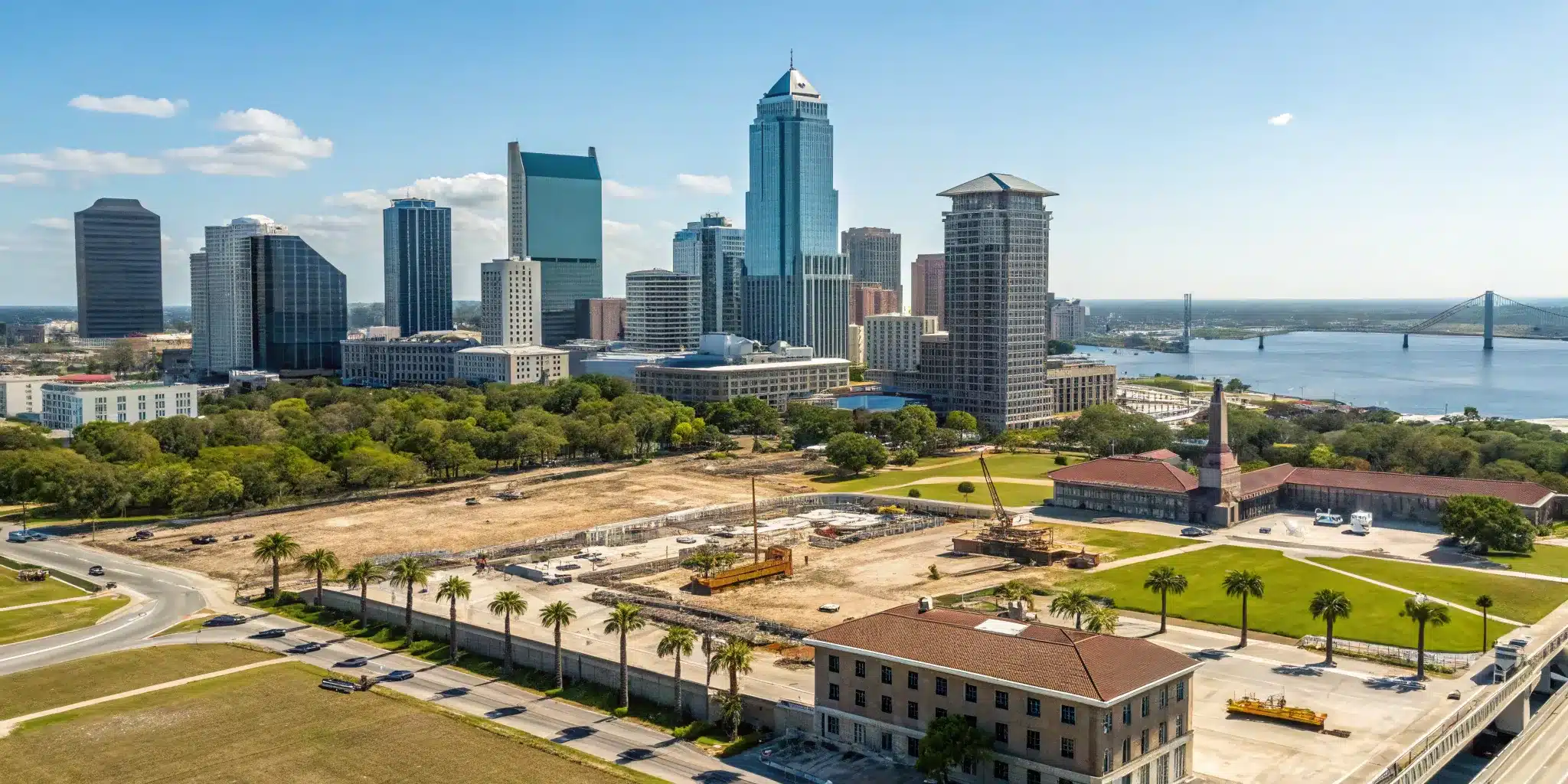
Nothing stops a project faster than a zoning issue. You could have the perfect design and a solid budget, but if your plans don’t align with Jacksonville’s land use regulations, you’re stuck. Simple mistakes, like misinterpreting setback requirements or assuming a property is zoned for your business, can lead to rejected applications and major timeline disruptions. This guide is your tool to prevent those headaches. We’ll walk through the most common pitfalls and show you how to prepare a strong application, ensuring you have the right information and support—including professional Zoning Permit Assistance for a smoother process.
Key Takeaways
- Verify Zoning Before You Plan: Confirm your property’s zoning and land use designations before investing in designs or signing a lease. This proactive check ensures your project is viable from the start and helps you avoid costly changes later.
- Get Your Paperwork Right the First Time: Incomplete forms and inaccurate information are the top reasons for permit delays. Create a checklist, double-check every detail like setback measurements, and ensure your application package is perfect before you submit it.
- Bring in an Expert for Complex Situations: For large-scale projects, tight deadlines, or applications requiring a variance, a permit professional is a smart investment. They handle the administrative work and city communications, freeing you to focus on your actual project.
Understanding the ‘Why’ Behind Zoning Laws
Zoning laws can sometimes feel like a frustrating maze of arbitrary rules, but they truly exist for a reason. At their core, they are the city’s primary tool for organizing growth and ensuring a community is functional, safe, and pleasant for everyone. Think of them as the master blueprint for a city, dictating what can be built where. This thoughtful organization is what prevents a noisy factory from popping up next to a quiet residential street or a massive skyscraper from blocking all the sunlight in a historic district. Understanding the purpose behind these regulations is the first step in successfully working with them, not against them. When you know why a rule exists, it’s much easier to prepare an application that aligns with the city’s goals and gets approved without a hitch.
The History and Goals of Zoning
The concept of zoning isn’t new; it actually emerged in the early 20th century to bring order to rapidly growing cities. In places like New York City, the lack of regulation led to chaotic development where massive industrial buildings overshadowed homes and created unsafe living conditions. Zoning was introduced to protect public health, safety, and general welfare by separating incompatible land uses. For property owners and developers in Florida today, this means that zoning protects your investment by maintaining the character of a neighborhood and ensuring that property values remain stable. It’s the city’s way of making sure everyone is following the same set of rules for the long-term health and benefit of the entire community.
How Zoning Ordinances Are Created
Zoning rules don’t just appear out of thin air; they are the result of a careful and lengthy planning process designed to guide a city’s future. It all begins with a long-term vision for how the community wants to grow and evolve over the next 20 years or more. This vision, known as a Comprehensive Plan, considers everything from population growth and economic development to transportation needs and environmental protection. This big-picture strategy is then translated into the specific, legally binding rules that apply to every single parcel of land. Understanding this foundation is key, as it shows that your zoning application isn’t just about your property; it’s about how your project fits into the city’s master plan for the future.
From Comprehensive Plan to Legal Rule
The journey from a broad vision to an enforceable law starts with that Comprehensive Plan. This is the city’s long-term roadmap, outlining its goals for future development. From there, the city creates a Zoning Ordinance, which contains the detailed, legally binding rules for land use in specific areas. This ordinance is what defines whether a lot is zoned for single-family homes, commercial retail, or industrial use. It also specifies critical requirements for things like building height, setbacks from property lines, landscaping, and even parking. When you submit a permit application, city officials are meticulously checking your plans against the specific rules laid out in this ordinance to ensure full compliance.
The Government Bodies Involved in Zoning
Getting a project approved often means interacting with several different government groups, each with a distinct role in the process. It’s not a single person making a decision but rather a system of checks and balances involving city staff, appointed commissions, and elected officials. Each body reviews projects from a different angle, from technical compliance to overall community impact. This multi-layered approach is why the process can feel so complex, especially for larger or more unusual projects. For intricate situations, having an expert who knows how to communicate with each of these groups can make all the difference. This is where professional permit services become invaluable, as they manage these critical interactions for you.
The Planning Commission
The Planning Commission is typically made up of local residents who are appointed to review development proposals. They serve as an important advisory board to the main governing body, such as the City Council. This commission holds public meetings where they listen to presentations from applicants, hear feedback from neighbors, and discuss whether a project aligns with the city’s Comprehensive Plan. Their primary job is to make an informed recommendation to either approve or deny a project, particularly for more complex requests like rezonings or special use permits. Their input carries significant weight and heavily influences the final decision-making process.
The Board of Zoning Adjustment (BZA)
What happens when your project doesn’t quite fit the existing rules? That’s where the Board of Zoning Adjustment (BZA), sometimes called the Board of Zoning Appeals, comes into play. This board is responsible for reviewing special requests, such as a variance, which is a minor exception to a zoning rule. For example, if your property is an unusual shape and that makes it impossible to meet a standard setback requirement, you would present your case to the BZA. They have the authority to grant these exceptions if you can prove that a unique hardship exists, ensuring the zoning code is applied fairly and reasonably across all properties.
The City Council
Ultimately, the City Council or a similar local governing body holds the final decision-making power on all major zoning matters. After receiving recommendations from the Planning Commission and other city staff, the City Council members vote on whether to approve or deny significant changes, such as rezoning a property from residential to commercial. As elected officials, they are responsible for making the final call that balances an individual property owner’s rights with the long-term interests and well-being of the entire community. Their vote is what officially turns a zoning proposal into law, making them the ultimate authority in the process.
Do I Need a Zoning Permit in Jacksonville?
Think of a zoning permit as the foundational green light for your project. Before you can even think about breaking ground or opening your doors, the city of Jacksonville needs to confirm that your plans fit the neighborhood’s designated character and rules. It’s an official review by the Zoning, Fire Marshal, and Building Inspection departments to ensure your proposed use of a property complies with all local laws. For any new business opening in Jacksonville, this permit is a non-negotiable legal requirement.
But it’s not just for businesses. Any project that changes how a property is used—from building a new home to adding a major extension or even changing a commercial space from a retail store to a restaurant—needs zoning approval first. This step ensures that a new industrial facility doesn’t pop up in the middle of a residential street or that a new structure doesn’t block a neighbor’s access to sunlight. Getting this permit is the first critical step in the larger construction process. Without it, you can’t move forward to get your building permits. Our team handles these end-to-end services to make sure your project starts on the right foot.
What Do Zoning Classifications Mean?
It’s easy to get “land use” and “zoning” mixed up, but they play different roles. Land use is the big-picture category, like residential, commercial, or industrial. Zoning gets into the nitty-gritty details. For example, a property might have a “residential” land use, but its specific zoning code will dictate whether you can build a single-family home, a duplex, or an apartment complex. It also sets the rules for things like minimum lot size and how far your building must be from the property line (known as setbacks).
According to Jacksonville’s city guidelines, both the land use and the specific zoning must align with your project plans. This is why you can’t just buy a piece of land and build whatever you want. Understanding your property’s exact classification is the first step to a successful project.
How Zoning Affects Your Project’s Success
Getting zoning right from the very beginning is one of the smartest things you can do for your project. The permitting process in Duval County can be complex and time-consuming, and a simple zoning mistake can lead to major delays and unexpected costs. Imagine spending thousands on architectural plans only to find out your design is two feet too close to the property line or that your home-based business isn’t allowed in your neighborhood.
Incorporating a zoning review into your early design phase helps you avoid these project-derailing problems. It’s about being proactive instead of reactive. By confirming what you can build and where you can build it before you get too far down the road, you save yourself time, money, and a lot of frustration. If you’re unsure where to start, you can always request a proposal to get expert guidance tailored to your specific project needs.
When a Permit Might Not Be Required (Size Limits)
While it’s smart to assume you’ll need a permit for any construction project, there are some exceptions for smaller jobs in Jacksonville. The city recognizes that not every home improvement task requires a full-scale review. For example, if you’re planning to build a small storage shed that’s 75 square feet or less, you can typically proceed without a permit. The same often applies to minor cosmetic updates like painting your house, replacing flooring, or carrying out simple, non-structural repairs. These projects generally don’t alter the building’s framework, electrical systems, or plumbing, which is why they fall outside of most permit requirements.
However, this is where you have to be careful. The line between a simple repair and a minor renovation can be thin, and the rules can be very specific. Before you start any work, it’s always the best policy to double-check the latest city guidelines or consult with a professional. Assuming a project is exempt when it isn’t can lead to stop-work orders and fines down the road. Getting clarity upfront is a simple step that protects your investment and gives you peace of mind.
Different Types of Permits You Might Encounter
The word “permit” is often used as a catch-all term, but in reality, there are many different types of approvals you might need depending on your project. Think of it like this: you wouldn’t use the same recipe for a cake as you would for a loaf of bread. Similarly, the permitting process for building a new commercial office is vastly different from the one for replacing a residential fence. The city of Jacksonville has created different permit pathways to match the complexity and impact of various projects. Understanding which type of permit your project requires is the first step in preparing a successful application and setting realistic timelines for your work.
Development Permits
When your project involves changing the use or intensity of a property, you’ll likely need a development permit. This type of permit goes beyond just the structure itself and focuses on how your project fits into the larger community and environment. A perfect example is the construction of an Accessory Dwelling Unit (ADU), like a backyard cottage or garage apartment. According to local building experts, getting a permit for an ADU is essential to ensure it meets Jacksonville’s safety and building standards. This review process confirms that the new unit has proper utility connections, doesn’t negatively impact neighborhood density, and complies with all zoning rules.
Express Permits
The good news is that not every project requires a lengthy, detailed review. For common and straightforward jobs, Jacksonville offers an express permit process. This is a streamlined path designed for simple projects that have minimal impact and follow standard building practices. Think of things like residential roof repairs, window or door replacements, and installing a new water heater or HVAC system. Because these jobs are so common, the city has created a faster approval track to help homeowners and contractors get to work quickly. While the process is simpler, your application still needs to be accurate and complete to take advantage of the faster timeline.
Your Step-by-Step Guide to Getting a Jacksonville Zoning Permit
Getting a zoning permit in Jacksonville might seem like a huge task, but it’s manageable when you break it down into clear steps. Following the right process from the start saves you from headaches, delays, and unexpected costs down the road. Think of it as a roadmap for your project—get the directions right, and you’ll arrive at your destination much faster. Here’s how you can approach the application process, one step at a time.
Step 1: Confirm Your Property’s Zoning
Before you sign a lease or finalize a purchase, your first move should always be to confirm the property’s zoning. You need to be absolutely sure that what you plan to do with the property aligns with what the city allows. For example, you can’t open a retail shop in an area zoned strictly for single-family homes. You can check with Jacksonville’s Building Inspection Division to verify that the building’s current use matches your intentions. Getting this confirmation upfront prevents you from investing in a property that won’t work for your project, saving you a world of trouble.
Step 2: Schedule a Pre-Application Meeting
Once you’ve confirmed the zoning is a potential match, don’t just jump into filling out forms. A smart next step is to schedule a pre-application meeting with the city’s Planning and Development Department. This is your chance to discuss your project with the staff who will be reviewing it. They can offer valuable feedback, flag potential issues you haven’t thought of, and clarify which permits you’ll actually need. This conversation can streamline your entire application process, ensuring you start on the right foot with a clear understanding of the requirements.
Step 3: Gather the Right Paperwork
With insights from your pre-application meeting, it’s time to gather your paperwork. A complete and accurate application is key to avoiding delays. You’ll need to be ready with detailed information about your project. This typically includes documents like a current property survey, detailed site plans showing property lines and structures, floor plans, and potentially a copy of your lease agreement. Having all your documents organized and ready to go shows that you’re prepared and serious about your project, making the review process much smoother for everyone involved.
Special Requirements for Certain Projects
Some projects come with a bit more homework. If your property is in a historic district, located in a floodplain, or requires a zoning variance (an exception to the rules), you’ll face an extra layer of review. These special requirements are designed to protect Jacksonville’s unique character, environmental resources, and public safety. For instance, a project in a historic area will need to meet specific design guidelines to preserve the neighborhood’s aesthetic. It’s crucial to identify these overlays or special conditions early on, as they often require additional applications, public hearings, and approvals from different city departments.
This is where many projects hit a snag. Missing a step or submitting the wrong paperwork for a special requirement is a common reason for denial. A zoning permit is an official document confirming your project fits with the community’s rules, and these extra layers add complexity. For these more intricate cases, bringing in a professional can make all the difference. Our team specializes in handling these complex outside government agency permits, identifying all necessary approvals from the start, preparing specialized documentation, and representing your project in front of review boards. This ensures you meet every requirement correctly the first time, keeping your project on track.
Step 4: Submit Your Application and Pay Fees
Now you’re ready to make it official. You’ll submit your completed application package along with the required payment to the appropriate city department. This is a critical point where any mistake or missing piece of information can send you back to square one. The submission and follow-up process can be time-consuming, which is why many contractors and developers choose to work with a professional permit expediter. An expert can manage the submission, track its progress, and quickly address any questions from the city, keeping your project moving forward without a hitch.
Understanding Permit Costs
Let’s talk about the financial side of things. Permit fees in Jacksonville aren’t a flat rate; they vary depending on the scale and complexity of your project. A simple residential fence permit will cost significantly less than a permit for a new commercial building. The city calculates these fees based on factors like the project’s total valuation or square footage. It’s important to budget for these costs upfront. For instance, some municipalities set a minimum permit cost that can start around $150, plus smaller technology or processing fees that get added on top.
To get a precise idea of what your project will cost, you’ll want to consult the official Jacksonville fee schedule. Most cities, including Jacksonville, offer several ways to pay, whether it’s online with a credit card or in person. Understanding the full scope of these fees is a key part of project planning, ensuring there are no financial surprises once you’re ready to submit your application.
Typical Permit Timelines and Expiration Dates
Patience is your best friend when it comes to permit timelines. While everyone wants a quick approval, the reality is that review times can vary dramatically. For a straightforward permit with a perfectly completed application, you might see an approval in about a week. However, for more complex projects that require a development permit or multiple departmental reviews, the process can easily stretch to several weeks or even a few months. The single biggest factor in a speedy review is submitting a complete and correct application from the start.
Once your permit is issued, remember that it comes with an expiration date. Typically, a building permit is valid for 180 days, or about six months. This means you must begin the work within that timeframe. If you don’t, the permit can expire, forcing you to go through the application process all over again. Keeping track of these dates is crucial for maintaining your project’s momentum and avoiding unnecessary administrative hurdles and additional costs down the line.
Step 5: Prepare for Public Hearings (If Needed)
For some projects, especially those that require rezoning or a special exception, your application may require a public hearing. This is a formal meeting where community members and officials can review and comment on your proposal. These hearings can add significant time to your project timeline—anywhere from a few weeks to several months. If a hearing is required, you’ll need to be well-prepared to present your case clearly and address any concerns that may arise. This step underscores the importance of having a solid, well-documented plan from the very beginning.
Where to Find Zoning Permit Assistance in Jacksonville
Trying to figure out Jacksonville’s zoning rules can feel like a puzzle, but you don’t have to solve it alone. Whether you prefer getting information straight from the source or want an expert to handle the details for you, there are several excellent resources available to guide your project to the finish line.
Start with the Development Services Division
Your first stop for official guidance should be the city’s own Development Services Division. This department is responsible for managing all land development within Jacksonville. Its Zoning section is specifically there to help residents, contractors, and developers understand and follow local land use regulations. They are the ultimate authority on what’s allowed on your property and can provide clarity on the requirements for special permits or zoning changes. Reaching out to them directly is a great way to get accurate information before you get too far into your planning process.
Attend Small Business Help Sessions
If you’re starting a new business in Jacksonville, the city offers free “Small Business Help Sessions” designed to set you up for success. These meetings are a fantastic opportunity to learn directly from city officials about the essential requirements for getting your doors open. The sessions cover critical topics like permitting, zoning compliance, fire inspections, and how to obtain a Certificate of Use (COU). Attending one of these can help you anticipate challenges and create a clear roadmap for your project, saving you from potential headaches down the road. You can find more information on the city’s Small Business Help page.
Work with a Professional Permit Expediter
When your project is complex, your timeline is tight, or you simply want to ensure everything is done right the first time, working with a professional permit expediter is your best bet. An expert team can manage the entire process for you, from preparing and submitting applications to coordinating with city departments. We handle the paperwork and make sure all documents comply with local rules to prevent costly delays. This allows you to focus on your project instead of getting bogged down in administrative details. Our end-to-end services are designed to make your permitting experience smooth and efficient.
What Happens If You Build Without a Permit?
Fines and Stop-Work Orders
Skipping the permit process might seem like a way to save time and money, but it almost always backfires with immediate and costly consequences. The most common penalty is a hefty fine, which can often be double or even triple the original permit fee. But the problems don’t stop there. If a city inspector discovers your unpermitted project, they will issue a stop-work order. This is a legal demand to cease all construction immediately, often marked by a bright red tag placed prominently on your property. Everything grinds to a halt until you can resolve the code violation, leaving your project in limbo and your timeline completely derailed.
Potential for Forced Demolition
In a worst-case scenario, the consequences go far beyond fines. If the work completed without a permit is found to be unsafe or doesn’t comply with building codes, the city has the authority to order you to remove it entirely. This means you could be forced to demolish a brand-new deck, tear out a finished basement, or undo a major renovation at your own expense. All the money you invested in materials and labor is simply lost. Furthermore, unpermitted work creates major headaches down the line, especially when you try to sell the property. It can void your homeowner’s insurance, scare off potential buyers, and lead to serious legal liability.
Common Zoning Permit Mistakes to Avoid
The permitting process can feel like a maze, and a few common misunderstandings can lead to major setbacks. Knowing what to watch out for from the beginning will save you time, money, and a lot of frustration. Let’s walk through some of the most frequent mistakes people make when applying for zoning permits so you can steer clear of them on your next project.
Mistake #1: Getting Setbacks and Property Lines Wrong
It’s easy to get this one wrong. A common mistake is assuming that setback distances—the required space between your structure and the property line—are measured from the edge of the pavement or the center of the road. In reality, these measurements are taken from your actual property line, which can be tricky to locate without a proper survey. Getting this wrong can be a costly error, potentially forcing you to move or even tear down a structure that’s too close to the line. Double-checking these requirements is a critical first step before you even break ground.
Specific Setback and Height Rules
Zoning gets into the nitty-gritty details that can make or break your design. It’s not just about staying a certain distance from the front curb; each zoning district has its own specific rules for front, side, and rear setbacks. What’s acceptable in one neighborhood might be completely off-limits in another. The same goes for building height. You might have a vision for a two-story addition, but if the local code has a height restriction, your plans will be rejected. These rules are incredibly specific, and you can’t rely on assumptions. Before you finalize any plans, you need to check the exact regulations for your specific property to ensure every dimension is compliant.
Lot Coverage Limits
Another detail that often gets overlooked is lot coverage. This rule limits the percentage of your property that can be covered by buildings and other non-porous surfaces, like driveways and patios. The city enforces these limits to help manage stormwater runoff and maintain green space. It means the total footprint of your house, garage, shed, and any other structure cannot exceed a certain portion of your total lot size. You could have your setbacks and height perfect, but if your proposed additions push you over the lot coverage limit, your permit application will be denied. It’s a crucial calculation that must be part of your initial planning phase.
Mistake #2: Thinking It Will Be Quick and Easy
Many people think getting a permit is as simple as filling out a form and waiting a few days. Unfortunately, the process is often far more complex and time-consuming. You’re dealing with detailed requirements, multiple review stages, and potential revisions that can add weeks or even months to your timeline. Underestimating this complexity is a frequent source of project delays. Having a clear understanding of the full process from the start helps you set realistic schedules and avoid the stress of unexpected hurdles. Professional permit expediting services can provide a clear roadmap and keep your project moving forward.
Mistake #3: Submitting an Incomplete Application
Submitting an application doesn’t guarantee approval, especially if the paperwork isn’t perfect. It’s crucial to ensure you’ve completed the correct forms with completely accurate information. Even a small mistake or an overlooked detail can get your application rejected, forcing you to start over and lose valuable time. Taking the time to meticulously prepare your submission is non-negotiable. This attention to detail shows the city you’re serious and helps build goodwill, making the entire process smoother for everyone involved.
What to Do If Your Permit is Denied
Seeing that “denied” stamp on your permit application can feel like a major blow, but it’s important to remember that it’s not the end of your project. A denial is usually just a signal that something in your application needs to be corrected or clarified. The city isn’t trying to stop you; they’re trying to ensure every project meets the required safety and zoning standards. The key is to treat it as a solvable problem. Your first step is to take a deep breath and carefully read the denial letter. It will contain the specific reasons for the rejection, giving you a clear path forward to fix the issues and resubmit.
Common Reasons for Denial
Permit applications are most often denied due to simple, fixable errors. One of the biggest culprits is a conflict with local zoning laws. Your design might not fit the specific rules for what can be built on your property, such as violating setback requirements or proposing a commercial use in a residential-only zone. Another frequent issue is incomplete or inaccurate paperwork. If your site plans are missing key details or the forms aren’t filled out correctly, the application will be sent back. These are exactly the kinds of details that a professional can help you get right the first time, ensuring your entire permit package is complete and compliant from the start.
The Formal Appeals Process
If your permit is denied, the denial letter is your most important tool. It will explain exactly why the city rejected your application. In many cases, you can simply correct the noted issues—whether it’s adjusting a design or providing more information—and resubmit your application. However, if you believe the denial was based on a misinterpretation of the rules, you have the right to a formal appeal. This process allows you to present your case to a zoning board or another municipal body. It can be a complex undertaking, so if you find yourself in this situation, it’s wise to request expert guidance to help you prepare a strong case and manage the process effectively.
How to Check Your Property’s Zoning
Before you draft a single blueprint or swing a hammer, you need to know the rules for your property. Zoning regulations are the local laws that dictate what you can build, where you can build it, and what the property can be used for. Getting this wrong can stop a project in its tracks. The good news is that Jacksonville provides a few straightforward ways to find the information you need. If you find the process overwhelming, remember that our team is always here to handle the research and paperwork for you through our expert permit services.
Use Jacksonville’s Online Zoning Map
Your first stop should be the city’s online mapping system. Jacksonville provides a detailed, interactive online zoning map that shows your property’s specific land use and zoning designations. Think of it as a digital rulebook for your address. By simply typing in your property location, you can see the exact zoning code that applies to it. This tool is essential for getting a clear, initial understanding of what’s allowed, from building height restrictions to how far your structure must be from the property line. It’s the fastest way to get a baseline for your project planning.
Using Online Permit Management Systems
Many Florida municipalities now use online systems like MyGovernmentOnline to make the permitting process more efficient. These portals are designed to be a one-stop shop where you can submit applications, upload documents, pay fees, and check the status of your permit from your computer or even your phone. While these tools offer incredible convenience, they don’t eliminate the need for absolute accuracy. In fact, incomplete forms and incorrect information are still the leading causes of permit delays. The system might make it easier to submit your package, but it won’t catch a mistake in your setback measurements. Ensuring every detail is perfect before you hit “submit” is essential to keep your project from getting stalled in a digital review queue.
Request a Zoning Verification Letter
If the online map leaves you with questions or if you need an official document for your records, you can request a zoning verification letter. This formal letter from the Planning and Development Department confirms your property’s zoning classification and compliance status. It’s a smart move if you’re dealing with lenders, investors, or just want absolute certainty. Before you fill out any forms, we recommend scheduling a quick meeting with the department staff. They can offer guidance and ensure you have all the necessary information, which can save you a lot of back-and-forth later.
Understand What’s Allowed in Your Zone
It’s easy to get “zoning” and “land use” mixed up, but they aren’t the same thing. Land use is the broad category of activity allowed—think residential, commercial, or industrial. Zoning gets into the nitty-gritty rules for that category, like minimum lot size, building placement, and parking requirements. For your project to move forward, it needs to align with both the land use designation and the specific zoning code. Double-checking this ensures your plans are compliant from the start, helping you avoid costly redesigns or application denials.
Mistake #4: Ignoring Utility Rights-of-Way
This is a detail that can easily fly under the radar until it’s a huge problem. Many properties have designated areas called “utility rights-of-way” or “overland drainage rights-of-way.” Think of these as protected corridors that give utility companies or the city access to maintain essential services like water, power, and drainage. The critical rule here is that you cannot build any permanent structures within these zones. Ignoring this can lead to a devastating order to remove your new garage or addition at your own expense. Before you finalize your site plan, carefully review your property documents, especially your survey, to identify any of these restricted areas. Catching this early is key to avoiding a costly and stressful ordeal down the line.
Mistake #5: Forgetting to Call Before You Dig
This next mistake isn’t just about avoiding project delays—it’s about safety. Any project that involves excavation, from laying a foundation to simple landscaping, requires you to know what’s buried underground. Hitting a gas line, water main, or electrical cable is not only an expensive accident but also incredibly dangerous. Thankfully, there’s a simple, free, and legally required step to prevent this. Before any digging begins, you must call 811. This service coordinates with local utility companies to come out and mark the approximate locations of underground lines with flags or paint. It’s a non-negotiable step that protects you, your crew, and your community from preventable disasters.
Zoning Permit Roadblocks (And How to Get Past Them)
Even with the best-laid plans, the path to a zoning permit can have a few bumps. The process is designed to be thorough, which means it can sometimes feel slow and complicated. Many applicants run into similar roadblocks, from navigating dense regulations to dealing with simple paperwork errors. The good news is that these challenges are entirely manageable when you know what to expect. By preparing for these common hurdles, you can keep your project moving forward without unnecessary stress or delays. Let’s walk through some of the most frequent issues and, more importantly, how to solve them.
Solution for Complex Rules and Long Waits
Let’s be honest: Jacksonville’s zoning code isn’t exactly light reading. The process of getting a permit can be complex and time-consuming, especially if your project isn’t straightforward. Each zoning district has its own specific rules for everything from building height to landscaping, and just figuring out which ones apply to you can feel like a full-time job. This complexity often leads to a lot of back-and-forth with the city, which can stretch your project timeline longer than you anticipated.
The best way to handle this is with proactive research. Before you even fill out an application, take the time to fully understand the intricate regulations for your specific property. If you find yourself getting lost in the details, consider bringing in an expert. A permit professional already knows the code inside and out and can help you prepare a complete and compliant application from the start, saving you weeks or even months of waiting.
Solution for Incomplete Applications
One of the most common reasons for permit delays is also one of the most avoidable: submitting an incomplete application. Forgetting a signature, leaving a field blank, or failing to include a required site plan can bring the entire review process to a halt. As one legal expert notes, this can lead to “unnecessary delays and complications,” forcing you to correct the errors and resubmit, putting you at the back of the line.
To solve this, diligence is key. Before you submit anything, create a master checklist of every single document and piece of information required. Go through your application package multiple times to ensure nothing is missing. It’s also a great idea to have a second pair of eyes review everything. When you conduct proper due diligence, you catch small mistakes before they become big problems. This is a core part of what our permit expediting services provide—a professional review to ensure your application is perfect the first time.
Solution for Public Hearings and Opposition
If your project requires a variance or special exception, you’ll likely need to present your case at a public hearing. The idea of speaking in front of a board and your neighbors can be intimidating, and these hearings can be a “significant hurdle” if community members raise objections. Opposition often stems from concerns about traffic, noise, or how the project might change the neighborhood’s character.
Preparation is your best strategy here. Don’t wait until the hearing to hear from your neighbors. Talk to them beforehand, listen to their concerns, and see if there are simple ways to address them in your plans. For the hearing itself, prepare a clear, professional presentation with visuals that explain your project and its benefits. Being ready to calmly and respectfully address any concerns raised by the community can make all the difference. Having an experienced professional represent you can also help you present a stronger, more persuasive case.
When Should You Hire a Permit Professional?
While handling a permit application on your own is certainly possible for smaller projects, there are times when calling in an expert is the smartest move you can make. Think of a permit professional as your project’s advocate—someone who knows the system inside and out and can get you through the process with fewer headaches. If you’re feeling overwhelmed by the paperwork, confused by the jargon, or simply don’t have the time to manage one more thing, it might be time to get help.
Hiring a permit expediter isn’t about giving up control; it’s about gaining an advantage. They can spot potential issues before they become costly delays, speak the language of the building department, and manage the entire submission and follow-up process for you. This frees you up to focus on what you do best, whether that’s designing, building, or managing the overall project. For anyone facing a complex build, a tight schedule, or a unique request, having expert guidance can be the key to keeping your project on schedule and on budget.
If Your Project is Large or Commercial
When you move from a simple residential project to a large-scale commercial or industrial build, the complexity of permitting grows exponentially. These projects involve a maze of specific zoning laws, building codes, and safety regulations that can be incredibly difficult to sort through. A single misstep in the application can lead to significant delays or even a flat-out rejection. A permit professional specializes in these intricate projects, ensuring every detail is addressed and your plans are fully compliant with local Jacksonville regulations. They handle the heavy lifting so you can avoid common pitfalls and keep your focus on the bigger picture.
When You’re on a Tight Deadline
Every day your project is stalled waiting for a permit is a day you’re losing time and money. If your timeline is tight, you can’t afford to leave the permitting process to chance. A permit professional can help you get ahead of the curve by incorporating permit review into your project schedule from the very beginning. They can arrange pre-application meetings with city officials to clarify requirements and address potential concerns before you even submit. This proactive approach helps streamline the review process, preventing the kind of unexpected delays that can derail a project. You can get a clear picture of your timeline and build with confidence.
If You Need a Variance or Special Exception
What happens when your project doesn’t quite fit within the standard zoning rules? You’ll likely need to apply for a variance or a special exception. This process is more involved than a standard permit application because you have to prove your case to a review board. It’s crucial to submit a complete, persuasive application that clearly justifies your request. A permit professional knows exactly what information the board needs to see and can help you present your case effectively. They’ll guide you through the due diligence and ensure your application avoids common mistakes, giving you the best possible chance of getting the approval you need.
Related Articles
Frequently Asked Questions
What’s the difference between a zoning permit and a building permit? Think of it this way: a zoning permit is about the what and where, while a building permit is about the how. The zoning permit comes first and confirms your project’s intended use is allowed in that specific location—for example, that you can legally operate a cafe on that corner. Once the city agrees on the use, you apply for a building permit, which reviews your construction plans to ensure they are safe and meet all building codes. You can’t get a building permit without first securing zoning approval.
How long does it typically take to get a zoning permit in Jacksonville? The timeline really depends on your project’s complexity. A straightforward application for a permitted use with all the correct paperwork might be approved in a few weeks. However, if your project requires a special exception or a public hearing, the process can take several months. The single best way to keep your timeline short is to submit a complete and accurate application from the very beginning.
What should I do if my zoning permit application is rejected? A rejection isn’t necessarily a final “no.” The first step is to understand exactly why the city denied your application. Often, it’s due to a simple error or missing document that you can correct and resubmit. If the issue is more complex, like your plan not meeting a specific setback rule, you may need to revise your design. In some cases, you might be able to apply for a variance, which is a formal request for an exception to the rule.
Do I need a zoning permit for a minor home project, like building a shed or a new fence? It depends on the specifics. Many smaller projects might not require a full zoning permit, but they still have to follow zoning rules, such as height restrictions and how far they must be from your property line. For something like a large shed, a detached garage, or a major home addition, a permit is almost always required. It’s always best to check with Jacksonville’s Planning and Development Department before you start any work to avoid any issues.
Is it possible to change my property’s zoning if my project isn’t allowed? Yes, you can apply to have your property rezoned, but it is a significant and often lengthy process. This involves submitting a formal application, notifying your neighbors, and presenting your case at public hearings before the Planning Commission and City Council. You have to demonstrate that the proposed change is consistent with the city’s overall growth plan and won’t negatively impact the surrounding community. This is a complex undertaking where professional guidance is extremely valuable.