

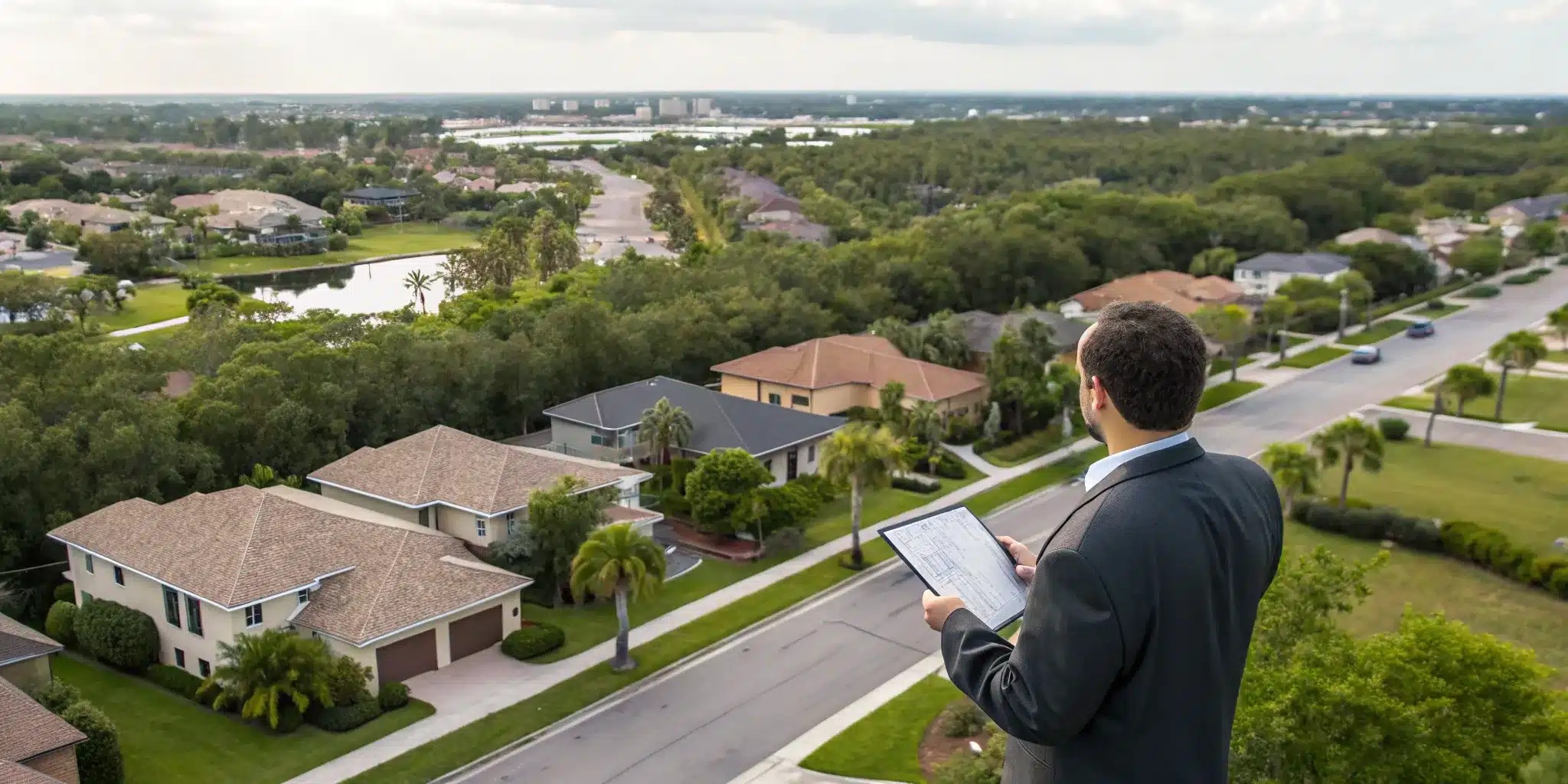
Let’s be honest, the budget is king for any project. It’s tempting to see a specialist as just another expense, but with permitting, that mindset can be a costly mistake. Think about it: unexpected delays, frustrating redesigns, and steep compliance fines all hit your bottom line. The right land use permit consultant in Orlando isn’t a line item—they’re an investment in efficiency. They protect your timeline and your wallet by getting the application right the first time. They handle the red tape so your project stays on track and, most importantly, on budget.
Key Takeaways
- Prevent Costly Delays and Mistakes: A land use consultant’s primary role is to guide your project through Florida’s complex regulations, ensuring your application is correct the first time to avoid expensive setbacks and compliance issues.
- Local Expertise is Your Biggest Asset: The right consultant has deep knowledge of Orlando’s specific zoning codes and established relationships with local agencies, which helps streamline communication and resolve issues quickly.
- A Consultant is Your Project’s Advocate: They do more than just paperwork; they represent your interests in meetings, prepare the case for zoning variances, and manage all communication with regulators, freeing you to focus on the build itself.
So, What Is a Land Use Permit Consultant?
Think of a land use permit consultant as your professional guide through the maze of local zoning laws and land use regulations. They are specialists who help you get your project approved by ensuring it meets all the specific requirements of the city or county you’re building in. Whether you’re a homeowner planning an addition, a developer breaking ground on a new commercial space, or a contractor managing a build, a consultant translates the complex legal jargon and bureaucratic steps into a clear, straightforward plan.
Their primary role is to act as the expert on your team, focused entirely on the permitting and approval side of your project. They understand the nuances of Florida’s regulations and have experience working with local government agencies. Instead of you spending hours trying to figure out which forms to file or who to talk to at the planning department, a consultant handles it for you. These comprehensive services include managing communication, preparing applications, and working to keep your project moving forward, saving you from getting tangled in red tape. By bringing in a consultant, you get an advocate who knows how to get your plans approved efficiently.
The Goals of Land Use Planning
At its core, land use planning is about creating a cohesive and functional community. Local governments create these plans to manage how land is developed and used, ensuring that growth is sustainable and enhances the quality of life for everyone. The main goal is to strike a balance between development needs, environmental protection, and the interests of residents. Think of it as a blueprint for the community that prevents conflicts, like ensuring a new industrial plant doesn’t get built right next to a quiet residential neighborhood. This framework helps protect property values, preserve natural resources, and make sure that infrastructure like roads and utilities can support new projects. It’s this big-picture thinking that informs the specific rules your project has to follow.
Common Land Use Categories
To achieve those big-picture goals, planners divide areas into different categories, each with its own set of rules. These are the building blocks of zoning. The most common land use categories you’ll encounter are residential (for homes, from single-family houses to apartment buildings), commercial (for businesses like shops, restaurants, and offices), and industrial (for manufacturing, warehouses, and distribution centers). You might also see agricultural for farming or recreational for parks and public spaces. Each category comes with specific regulations and zoning laws that dictate everything from building height and setbacks to what kind of activities are allowed. Understanding which category your property falls into is the first step in the permitting process, as it defines the entire rulebook for your project.
What Does a Land Use Consultant Actually Do?
A land use consultant takes on the critical task of managing your project’s journey through the local government’s approval process. From the moment you have an idea for a piece of land, they can step in to help. They start by reviewing your plans to identify any potential conflicts with current zoning codes or land use policies. If issues arise, they find solutions, like applying for a zoning variance or a special exception.
Their work involves preparing and submitting all the necessary applications, representing you in meetings with planning staff, and even speaking on your behalf at public hearings. They are your project’s main point of contact with regulatory agencies, ensuring all communication is clear and professional. Their goal is to manage every detail required to take your project from an initial concept to a fully permitted plan, ready for construction.
Working Alongside Lawyers and Public Agencies
Your consultant becomes the central hub of communication between your project and the various official bodies involved. This role is crucial because they speak the language of city planners and code enforcement officers. They are your project’s main point of contact with regulatory agencies, ensuring all communication is professional, clear, and keeps your project moving forward. When legal counsel is involved, particularly for complex zoning cases or appeals, the consultant provides the technical expertise and documentation needed to support the legal strategy. They translate your project’s goals into the specific terms and evidence that planning departments and review boards require, making sure your case is presented in the strongest possible light.
Identifying Project Opportunities and Constraints
One of the first things a land use consultant does is a deep analysis of your project plans against local regulations. They meticulously review your designs to spot potential conflicts with zoning codes, land use policies, or environmental restrictions before they become major roadblocks. If they identify an issue, their job is to find solutions, whether that means proposing a minor design tweak, applying for a zoning variance, or seeking a special exception. This proactive approach not only helps you avoid violations but can also uncover opportunities. A knowledgeable consultant might see a way to maximize your property’s potential that you hadn’t considered, all while staying within the legal framework.
Why Your Orlando Project Needs a Pro
The permitting process is often one of the most challenging parts of any construction project. The rules can be confusing, the requirements unclear, and the process itself can feel overwhelming. Without an expert on your side, it’s easy to run into problems. Common complaints from those who go it alone include a lack of information, the confusing nature of the regulations, and the need to make multiple trips to different government departments.
This is where a consultant becomes invaluable. Delays in securing permits can push back your entire project timeline, leading to increased holding costs and frustrated stakeholders. An expert helps you avoid these costly setbacks. They know exactly what local agencies in Orlando and across Florida are looking for, so they can prepare an application that gets it right the first time. They streamline the entire process, saving you time, money, and the headache of dealing with bureaucratic hurdles. If you want to ensure your project stays on schedule and on budget, you can request a proposal to see how an expert can help.
Finding the Right Type of Consultant in Orlando
When you start looking for a land use consultant in Orlando, you’ll quickly realize it’s not a one-size-fits-all profession. The term covers a range of specialists, each with a distinct focus. The right expert for your project depends entirely on your specific needs, whether you’re dealing with complex zoning laws, designing a new subdivision, or addressing environmental concerns.
Think of it like building a team. You wouldn’t hire a plumber to do your electrical work, and the same principle applies here. Some consultants are legal eagles who live and breathe zoning codes, while others are engineers who map out the physical infrastructure of a development. Others still focus on the big picture, ensuring your project aligns with community plans and environmental regulations. Understanding these different roles is the first step to finding the perfect partner to guide your project through the approval process smoothly. Let’s break down the main types of consultants you’ll find in the Orlando area.
Zoning and Land Use Specialists
These consultants are your legal and regulatory guides. They specialize in the intricate web of local and state laws that govern what you can build and where. If your project requires a zoning change, a special exception, or a variance from existing rules, this is the expert you need on your side. As the legal professionals at Lowndes note, their lawyers are experts in Florida’s complicated land use and zoning laws, with deep experience in writing and applying these rules. They translate complex legal jargon into a clear path forward, representing you at public hearings and ensuring every piece of paperwork meets the strict requirements of the zoning board.
Development and Civil Engineering Experts
While zoning specialists handle the legal framework, land development and civil engineering experts manage the project’s physical and technical details. They are the ones who design the site, plan the infrastructure, and make sure everything is buildable and compliant. According to Dao Consultants, Inc., their work focuses on land development projects, which includes everything from site design to preparing and submitting permit applications. These consultants create the detailed plans for drainage, utilities, roads, and grading that government agencies need to review. They are essential for turning a concept into a set of approved blueprints ready for construction.
Planning and Environmental Permit Experts
These consultants look at your project from a broader perspective, considering its impact on the community and the environment. They are experts in long-range planning and sustainability, helping ensure your development fits seamlessly into the local area’s future vision. This is especially critical in a state like Florida, where environmental protection is a major concern. As the team at DeLisi, Inc. explains, their land use planning services help get projects approved by skillfully handling the complexities of environmental permits. They conduct impact assessments, prepare environmental reports, and help you meet all state and federal regulations, protecting both your project and Florida’s natural resources.
Land Use Planners
Land use planners are the strategists who ensure your project aligns with the community’s long-term goals. While other consultants focus on the immediate legal or technical requirements, a planner looks at the bigger picture. They review your plans to see how they fit within the city’s comprehensive plan, considering factors like traffic flow, environmental impact, and public services. Their job is to make a compelling case that your project is not just compliant, but also a positive addition to the neighborhood and the city as a whole.
These professionals are experts in long-range planning and sustainability. They manage your project’s journey through the government approval process by identifying how it supports the local area’s future vision. They are invaluable when you’re working on large-scale developments or projects in sensitive areas where community and environmental considerations are paramount. They help you tell the right story to the planning commission, ensuring your development is seen as a benefit, not a burden.
Permit Expediters and Runners
Once your plans are designed, engineered, and aligned with local zoning, you still need to get them through the building department. This is where permit expediters, often called permit runners, come in. They are the logistical experts who handle the administrative process of submitting applications, tracking their progress, and securing the final permits. They are your boots on the ground, saving you from spending countless hours waiting in line at government offices or trying to figure out the status of your application online.
An expediter’s main goal is to get your permits issued as quickly and smoothly as possible. At All Florida Permits, this is exactly what we specialize in. Our team understands the specific procedures of building departments across the state, from Miami to Jacksonville. We manage the paperwork, coordinate with plan reviewers, and resolve any administrative issues that arise. By handling the entire submission and approval process, our expert permit expediting services free you up to focus on what you do best: building the project.
What to Look For in a Land Use Consultant
Finding the right land use consultant can feel like searching for a needle in a haystack, but it doesn’t have to be. When you know what to look for, the best candidates quickly stand out. The right partner for your project will have a specific blend of local knowledge, proven experience, and professional connections. Focusing on these key qualifications will help you find a consultant who can truly streamline your project and save you from unnecessary headaches.
Deep Knowledge of Orlando’s Rules
Florida’s permitting landscape is notoriously complex, with rules that can change from one county to the next. That’s why a consultant’s local expertise is non-negotiable. You need someone who lives and breathes the specific land use and zoning laws governing your project area. This deep understanding of local codes and environmental regulations is what separates a good consultant from a great one. They can anticipate challenges specific to your municipality and prepare your application accordingly, preventing the common missteps that lead to delays. Look for professional credentials and a team that has spent years working directly within the jurisdictions you’re targeting.
Navigating Local, State, and Federal Regulations
A great consultant does more than just fill out forms; they act as your project’s advocate within the government system. They take on the critical task of guiding your project through the entire approval process, starting with a thorough review of your plans. By checking for potential conflicts with current zoning codes or land use policies early on, they can identify and solve problems before they cause delays. If your project needs a special exception or a zoning variance, they know exactly how to build the case and present it to the right people. Their established relationships with local agencies help streamline communication and resolve issues quickly, turning a potentially adversarial process into a collaborative one.
Typical Background and Experience
Land use consultants often come from diverse professional backgrounds, including urban planning, civil engineering, and law. What matters most isn’t a specific degree but their proven experience and track record. The best consultants have a portfolio of successful projects similar to yours, demonstrating their ability to handle complex steps and save clients time and money. When vetting a potential partner, ask about their history working in your specific municipality. The right consultant will have a powerful combination of local knowledge, professional connections, and a deep understanding of the entire development process. This blend of qualifications is what allows them to offer end-to-end service and protect your project from unnecessary headaches and delays.
A Proven Track Record of Success
Experience is more than just years in the business; it’s about the variety and complexity of projects a consultant has successfully completed. A firm with a diverse portfolio—from residential homes to large commercial developments—demonstrates adaptability and a broad skill set. Ask potential consultants for case studies or examples of projects similar to yours. A proven track record in land development shows they can handle unique challenges and have likely solved problems like yours before. This history not only proves their competence but also gives you peace of mind that your project is in capable hands.
What an Experienced Firm Looks Like
An experienced firm does more than just fill out forms; they become an extension of your team. They act as your project’s advocate, offering comprehensive services that cover every detail of the permitting process. This means they represent your interests in meetings with local agencies, prepare a strong case for any necessary variances, and manage all communication with regulators. Their goal is to streamline the entire approval process, which frees you up to focus on the design, budget, and construction. A great partner takes the administrative burden off your shoulders, making sure your project moves forward without getting stuck in bureaucratic limbo.
Established Relationships with Local Agencies
So much of the permitting process comes down to communication. A consultant with strong, established relationships with local government agencies is an invaluable asset. These connections are built on trust and a history of submitting complete, accurate applications. When a reviewer knows and respects your consultant, questions get answered faster, and minor issues can often be resolved with a simple phone call. This rapport helps keep your project moving forward smoothly, as your consultant can effectively represent you before city councils, zoning boards, and other regulatory bodies. It’s an inside track that makes all the difference.
Getting Through Orlando’s Permitting Maze
Navigating Orlando’s specific building and zoning regulations can feel like learning a new language. A land use consultant acts as your expert translator and guide. They don’t just fill out paperwork; they manage the entire process with a strategic approach built on deep local knowledge. From understanding the fine print of zoning laws to communicating effectively with city officials, a consultant’s job is to clear the path for your project’s approval. They anticipate challenges, prepare thorough documentation, and serve as your single point of contact, turning a potentially confusing bureaucratic process into a manageable one. This allows you to focus on the bigger picture of your project while they handle the complex details.
The Permit Application Process, Step-by-Step
A land use consultant manages your project’s entire journey through the local government’s approval process. It starts with a thorough review of your plans to catch any potential conflicts with current zoning codes or land use policies before they become problems. From there, they prepare and submit all the necessary applications, making sure every detail is correct. This isn’t just about filling out forms; it’s about building a strong case for your project. They become your project’s main point of contact with regulatory agencies, handling all communication to ensure everything is clear and professional. These permit expediting services also include representing you in meetings with planning staff and speaking on your behalf at public hearings, advocating for your project at every stage.
Commonly Required Application Documents
A permit application is much more than a single form. It’s a comprehensive package of documents that provides a complete picture of your project and demonstrates its compliance with all relevant regulations. Each document serves a specific purpose, from showing the physical layout of your site to assessing its impact on the surrounding community and environment. Your consultant will compile this package for you, ensuring every piece of information is accurate and professionally presented. This detailed preparation is key to a smooth review process. Let’s look at some of the most common documents you’ll need.
Site Maps and Traffic Studies
Your application will almost always require detailed site maps and plans. These are the blueprints that show exactly what you intend to build and where, including property lines, building footprints, landscaping, and access points. For larger projects, a traffic study is also essential. These studies are essential to understand how a project will affect local traffic patterns and ensure that adequate infrastructure is in place. This helps the city prevent future congestion and safety issues, showing that your project has been thoughtfully planned with the community in mind.
Parking Analyses and Environmental Studies
Nearly every project needs a parking analysis to prove it meets local requirements for the number of available spaces. This ensures your development won’t strain public parking resources. In Florida, environmental studies are also a critical component. These reports assess your project’s potential impact on the natural surroundings, from wetlands and wildlife to water quality. A consultant will help you meet all state and federal regulations, as this is a key part of effective land use planning. This protects Florida’s natural resources while also safeguarding your project from compliance-related fines and delays.
Making Sense of Complex Zoning Codes
Orlando’s zoning codes are intricate, with specific rules for everything from building height to land use. A consultant’s first job is to analyze these regulations and explain how they apply to your project in simple terms. They have the expertise to interpret dense legal language and identify potential roadblocks before they become major issues. This proactive approach ensures your plans are compliant from the start, saving you from the headache of redesigns and rejections. By understanding the nuances of local land-use laws, they can help you make informed decisions that align with both your vision and the city’s requirements.
Understanding Zoning Variances
Sometimes, a project’s unique circumstances mean it can’t quite fit within the existing zoning rules. This is where a zoning variance comes in. A variance is an official request to deviate from the standard requirements, allowing you to use your property in a way that isn’t normally permitted. For example, you might need one if the shape of your lot makes it impossible to meet the required distance from the property line. Securing a zoning variance isn’t automatic; you have to prove that there’s a valid hardship. This is where a consultant becomes your project’s advocate. They prepare a compelling case, manage all communication with regulators, and represent your interests in hearings to get the exception your project needs to move forward.
Acting as Your Liaison with Officials
A huge part of a consultant’s value comes from their established relationships with local government agencies. They know the people and processes inside the City of Orlando’s Permitting Services Division and other relevant departments. This familiarity allows them to communicate efficiently and effectively on your behalf. Instead of you trying to figure out who to call for a specific question, your consultant already knows the right contact. They represent your project in meetings and hearings, presenting your case clearly and professionally to move the approval process forward.
Streamlining Your Permit Application
Delays in the permitting process are not just frustrating—they’re expensive. A consultant streamlines your application to prevent unnecessary holdups. They meticulously prepare and review every document to ensure it’s complete and accurate before submission, which is a critical step in avoiding initial rejections. Because they handle these applications every day, they know exactly what reviewers are looking for. This expertise helps get your project through the system faster, reducing holding costs and keeping your timeline on track. Their goal is to make the entire process a smooth, predictable part of your project’s development.
What Services Can You Expect?
Land use consultants offer a range of specialized services to guide your project through every regulatory checkpoint. They act as your project’s advocate and strategist, handling complex municipal requirements so you can focus on the build. Understanding the specific services they provide will show you exactly how valuable a partner they can be for your Orlando project. Let’s break down the main pillars of their work.
Early-Stage Project Analysis
Before you get too far down the road with your project, a land use consultant performs their most important work: the early-stage analysis. As soon as you have a concept, they step in to review your plans against the specific zoning codes and land use policies for your Florida municipality. Their expert eye can quickly identify potential conflicts or red flags that could stop your project in its tracks later on. This proactive review isn’t just about checking boxes; it’s about building a solid strategy from the very beginning. By ensuring your project is viable and compliant from day one, they help you avoid the expensive and frustrating process of redesigning after you’ve already invested significant time and money.
Feasibility Studies and Due Diligence Reports
After the initial review, a consultant goes deeper with feasibility studies and due diligence reports. Think of a feasibility study as the reality check that answers the big question: can this project actually be built here? It assesses everything from site constraints to regulatory hurdles to confirm your vision is practical. A due diligence report is a thorough investigation of the property itself, uncovering any hidden issues like easements, environmental restrictions, or historical designations that could affect your plans. These expert services give you a clear, detailed picture of all potential challenges and opportunities, empowering you to make confident decisions before fully committing to the project.
Estimating Permit Costs and Timelines
Uncertainty around the budget and schedule is one of the biggest stressors in any construction project. A land use consultant brings much-needed clarity by providing detailed estimates for permit costs and timelines. They identify every single permit your project will need—from building and zoning to environmental and other agency approvals—and calculate the associated government fees. More importantly, they draw on their experience with local agencies to project a realistic timeline for the entire approval process. This foresight allows you to create an accurate budget and schedule, preventing unexpected costs and delays down the line. If you want a clear idea of what your project will require, you can request a proposal for a customized estimate.
Handling Permit Applications and Filing
This is a core service where consultants manage the entire permit application process. It’s more than just paperwork; they compile a comprehensive package with detailed site plans, engineering drawings for stormwater and utilities, and all other required documentation. A good consultant knows exactly what the permit office needs to see, ensuring your application is complete and accurate on the first try. This is crucial for avoiding initial rejections and the delays that come with resubmission. They handle all the details of the permitting services you need.
Securing Zoning Changes and Plan Updates
When your project doesn’t perfectly align with existing zoning rules, a consultant’s help is essential. They can pursue a zoning variance, which is a request for an exception to a rule, or a comprehensive plan amendment, which is a larger request to change an area’s land use designation. Securing these approvals often requires presenting a compelling case to planning boards or city councils. Consultants prepare the necessary arguments, represent you at public hearings, and use their deep knowledge of local land use law to get your project approved.
Managing Environmental Assessments and Compliance
Florida’s landscape comes with strict environmental regulations. A land use consultant helps you address these from the start. They coordinate environmental assessments to identify potential issues like wetlands or protected habitats on your property. Based on these findings, they guide your project design to meet all local, state, and federal environmental laws. This proactive approach is key to securing necessary environmental permits and avoiding costly fines or work stoppages. They ensure your project is compliant, protecting both your investment and Florida’s ecosystem.
Preparing Environmental Impact Reports
A land use consultant looks at your project from a broader perspective, considering its impact on the community and the environment. They are experts in long-range planning and sustainability, helping ensure your development fits seamlessly into the local area’s future vision. This involves preparing detailed environmental impact reports that assess everything from water runoff to effects on local wildlife. By addressing these concerns upfront, they demonstrate to regulatory agencies that your project is not only compliant but also a responsible addition to the community. This forward-thinking approach helps your project align with Florida’s sustainability goals and can make the approval process much smoother.
Broader Project Involvement
A land use consultant takes on the critical task of managing your project’s journey through the local government’s approval process. From the moment you have an idea for a piece of land, they can step in to help. Their involvement isn’t limited to a single task; they oversee the entire regulatory lifecycle. This begins with an initial feasibility study to see if your vision is even possible under current regulations. From there, they manage every application, attend every meeting, and handle all communication with government agencies. They act as the central hub for all things related to permits and approvals, ensuring that every requirement is met in the correct sequence and that nothing gets overlooked.
This comprehensive oversight is what truly sets an expert consultant apart. Instead of you or your team juggling contacts at multiple departments, your consultant becomes the single, reliable point of contact. This streamlines communication and creates a consistent strategy for getting your project approved. They coordinate with architects, engineers, and environmental specialists to ensure everyone is on the same page. This level of end-to-end service prevents costly miscommunications and ensures that the information submitted to the city is always accurate and cohesive, keeping your project on track from concept to construction.
Assisting with Project Design
One of the most valuable roles a consultant plays is assisting with the project’s design from the very beginning. Before you invest heavily in detailed architectural plans, they can identify potential regulatory hurdles. They coordinate environmental assessments to identify issues like wetlands or protected habitats on your property. Based on these findings, they guide your project design to meet all local, state, and federal environmental laws. This proactive guidance helps you design a project that is compliant from the start, saving you from expensive and time-consuming redesigns down the road after an application has been rejected by the Florida Department of Environmental Protection or another agency.
Overseeing Infrastructure Construction
While zoning specialists handle the legal framework, land development and civil engineering experts manage the project’s physical and technical details. They are the ones who design the site, plan the infrastructure, and make sure everything is buildable and compliant. This involves creating detailed plans for essential services like water, sewer, drainage, and roads. They ensure that your project’s infrastructure not only meets the demands of your development but also integrates properly with existing municipal systems. Their technical expertise is crucial for translating an approved concept into a functional, real-world site that meets all of Florida’s stringent building codes and engineering standards.
How a Consultant Helps You Avoid Common Hurdles
Even with a perfect blueprint and a solid team, your project can get stuck in the mud of the permitting process. It’s a landscape filled with hidden pitfalls that can derail your timeline and drain your budget. Think of a land use consultant as your project’s guide—someone who knows the terrain and can steer you around the most common and costly obstacles. They’ve seen what can go wrong and, more importantly, know how to prevent it from happening to you.
From navigating the bureaucratic maze to ensuring every detail of your application is flawless, a consultant’s main job is to anticipate problems before they start. They act as a crucial buffer between your vision and the complex web of regulations that stand in the way of breaking ground. By bringing an expert on board, you’re not just hiring help; you’re investing in peace of mind and a smoother path from plan to completion. Let’s look at the specific hurdles they help you clear.
Avoiding Costly Delays and Approval Snags
Time is money in any construction or development project, and nothing eats into both faster than a stalled permit application. Delays can push back timelines, leading to increased holding costs, frustrated investors, and a schedule that’s constantly in flux. The reality is that permit offices are often dealing with limited staff and multiple layers of review, which can slow everything down.
A seasoned consultant understands these internal processes. They know how to prepare and submit an application that sails through reviews because it’s complete, accurate, and anticipates reviewers’ questions. They follow up proactively and know exactly who to talk to to keep your project moving forward, preventing it from getting buried at the bottom of a pile.
Preventing Expensive Compliance Mistakes
Florida’s land use and zoning regulations are notoriously complex and can feel like a labyrinth to the uninitiated. One small oversight—like misinterpreting a setback requirement or failing to account for an environmental ordinance—can lead to a rejected application, fines, or even a stop-work order after construction has begun. Having to go back and fix these mistakes is not only expensive but can also damage your project’s reputation.
A consultant’s expertise is your best defense against these errors. They live and breathe local codes and are meticulous about ensuring every aspect of your plan is compliant. By catching potential compliance issues during the planning phase, they save you from the headache and expense of making corrections down the line.
Bridging Communication Gaps with Regulators
Trying to communicate with regulatory agencies can sometimes feel like you’re speaking a different language. Planners and reviewers use specific terminology and follow strict procedures, and a simple miscommunication can lead to significant misunderstandings and delays. It’s easy for your questions to go unanswered or for you to leave a meeting feeling more confused than when you started.
A consultant acts as your professional translator and advocate. They have established relationships with local officials and understand the nuances of local land-use laws. They can articulate your project’s details in a way that regulators understand and trust, ensuring that feedback is clear and actionable. This direct and knowledgeable line of communication is key to resolving issues quickly and building a positive relationship with the agencies overseeing your project.
Employing Strategies for a Successful Application
A successful permit application is about more than just technical accuracy; it’s about strategy. A great consultant knows that the human element—community support and clear communication—is just as important as the engineering specs. They don’t just react to problems; they anticipate them and use proven methods to build consensus and resolve conflicts before they can derail your project. This involves looking beyond the paperwork to the people and politics that shape land use decisions. By employing smart, proactive strategies, they can turn potential opposition into support and transform complex disagreements into workable solutions, ensuring a smoother journey through the approval process.
Starting Early and Engaging the Community
One of the smartest things you can do is bring people into the conversation early. Instead of waiting for opposition to build, a proactive approach involves engaging with community members, neighborhood groups, and local officials right from the start. This gives you a chance to present your vision, listen to concerns, and address potential issues before they become formal objections. According to research on land use applications, getting early input from these groups is key to solving problems proactively. It shows that you’re a collaborative partner, not just a developer, which can build crucial goodwill and make the formal review process much smoother.
Using Mediation to Resolve Conflicts
Even with the best planning, significant disagreements can arise. When discussions reach a standstill, especially with community opposition or complex regulatory disputes, mediation can be an incredibly effective tool. This process involves bringing in a neutral third party to help facilitate a conversation and guide everyone toward a mutually agreeable solution. It’s a far less adversarial and expensive route than litigation. Using mediation allows for creative problem-solving and helps preserve relationships within the community. An experienced consultant will know when to recommend this strategy to resolve conflicts constructively and keep your project from getting tied up in a lengthy legal battle.
How Much Does a Land Use Consultant Cost?
When you’re planning a project, the budget is always top of mind. So, it’s natural to wonder how much a land use consultant will add to the bottom line. But thinking of a consultant as just another expense is missing the bigger picture. A great consultant is an investment that can save you from costly headaches, delays, and missteps down the road. The right expert doesn’t just add to your costs; they protect your budget by making the permitting process smooth and predictable.
The cost of getting a permit in Orlando isn’t just about the city’s fees. It includes the time your project is on hold, the money spent on revisions, and the potential fines for non-compliance. Delays alone can be incredibly expensive, increasing holding costs and frustrating everyone involved. Research shows that permitting delays can add nearly 6% to the selling price of a finished lot. A land use consultant steps in to manage these variables. They provide a clear path forward, helping you anticipate expenses and stick to your timeline. By handling the complexities of zoning laws and agency requirements, they ensure your project keeps moving. Let’s break down what you can expect when it comes to fees and what factors influence the final price.
How Consultants in Orlando Typically Charge
Land use consultants in Orlando typically use a few common fee structures. You might see an hourly rate, a flat fee for the entire project, or a monthly retainer for ongoing work. The best approach really depends on your project’s scope and needs. For a straightforward permit application, a flat fee can provide cost certainty. For more complex projects with unpredictable twists and turns, an hourly rate might make more sense. A good consultant will be transparent about their pricing and help you understand all the associated government and impact fees. They should provide a detailed estimate so you can see exactly where your money is going and avoid any budget surprises. When you’re ready, you can always request a proposal to get a clear picture of the costs for your specific project.
What Factors Influence the Cost?
The price of a land use consultant isn’t one-size-fits-all. The biggest factor is your project’s complexity. Securing a permit for a simple home renovation will naturally cost less than navigating the requirements for a large commercial development. The consultant’s scope of work also matters—are they just filing paperwork, or are they managing the entire process from initial assessment to final approval? The consultant’s experience and reputation play a role, too. A seasoned expert with deep relationships in Orlando’s permitting offices may charge more, but their ability to prevent costly delays often provides a significant return on investment. The more comprehensive the permitting services you need, the more you can expect the fee to reflect that level of involvement.
How to Choose the Right Orlando Consultant for Your Project
Finding the right partner to guide your project through Orlando’s permitting landscape is a critical decision. The right consultant saves you time and money, while the wrong one can leave you tangled in red tape. To make the best choice, you need to know what to look for, what to ask, and what to avoid. Doing a bit of homework upfront ensures you find a consultant who truly understands your project and the local regulatory environment. This means evaluating their expertise, asking pointed questions, and watching for potential red flags.
How to Vet Their Experience and Expertise
When vetting a consultant, deep local expertise is non-negotiable. You need someone who lives and breathes Central Florida’s complex land use and zoning laws. Some firms build their reputation on having lawyers who are experts in Florida’s complicated land use and zoning laws, which is the level of knowledge you should look for. A consultant with a proven track record of successfully guiding projects through the approval process in the Orlando area is essential. A history of working on both community and private projects, like the work done by firms specializing in land use planning, demonstrates a comprehensive understanding of what it takes to get a project approved. Their portfolio should give you confidence in their ability to handle your specific needs.
Questions to Ask Before You Hire
Before you sign a contract, come prepared with specific questions. Since most building projects require a mix of local, state, and federal permits, ask them to walk you through their process for coordinating with different agencies. A great follow-up is, “Can you share an example of a project similar to mine that you’ve handled in Orlando?” It’s also smart to work with professionals who are already familiar with Orlando’s specific requirements. Ask about their relationships with local planning officials and how they maintain them. A confident, clear answer is a good sign you’re talking to an expert who can get the job done.
Red Flags to Watch For
Knowing what to avoid is just as important as knowing what to look for. Be wary of any consultant who is vague or unresponsive. Common complaints about the permitting process often stem from a lack of clear information and poor communication, so if you experience that early on, it’s a major red flag. Another warning sign is a consultant who downplays the complexity of the process. The reality is that overcoming permit approval challenges has become increasingly difficult. You want a partner who is realistic about potential hurdles and has a clear strategy for addressing them, not someone who makes unrealistic promises.
Step 1: Define Your Project, Budget, and Timeline
Before you even start looking for a consultant, take the time to get your own house in order. Clearly define the scope of your project, establish a realistic budget, and set a target timeline. A land use consultant takes on the critical task of managing your project’s journey through the local government’s approval process, and they can only do that effectively if they know exactly what the destination is. Having these details ironed out helps you communicate your needs clearly and allows potential consultants to provide an accurate quote for their comprehensive services. This initial planning is the foundation for a successful partnership and a smooth permitting experience.
Step 2: Research and Shortlist Potential Consultants
Finding the right land use consultant can feel like searching for a needle in a haystack, but it doesn’t have to be. When you know what to look for, the best candidates quickly stand out. Start by searching for firms that specialize in the Orlando area and have experience with projects like yours. Ask for recommendations from your network, including architects, contractors, and real estate professionals. As you review their websites, pay close attention to their portfolio and case studies. Do they have a history of success with residential additions, or are they focused on large-scale commercial developments? Your goal is to create a shortlist of three to five permit expediting firms that seem like a strong fit for your specific needs.
Step 3: Meet With Your Top Choices
Once you have your shortlist, it’s time to set up meetings. Treat these conversations like job interviews, because that’s exactly what they are. Before you sign a contract, come prepared with specific questions about their experience, process, and communication style. Ask them to walk you through how they would approach your project and what potential challenges they foresee. This is your chance to gauge not only their technical expertise but also your professional chemistry. You need a partner you can trust to represent your interests, so pay attention to how clearly they answer your questions. If you feel confident, the next step is to request a proposal.
Step 4: Ask for and Check References
A consultant’s promises are only as good as their past performance. A proven track record of success is essential, so don’t be shy about asking for references from previous clients—especially those with projects similar to yours. A firm with a diverse portfolio—from residential homes to complex projects like building recertification—demonstrates adaptability and a broad skill set. When you speak with their references, ask specific questions about their communication, their ability to solve unexpected problems, and whether they ultimately helped the project stay on schedule and within budget. This final step is your best way to verify that you’re hiring a reliable and effective partner.
Related Articles
- Orlando Permit Expediting Services | All Florida Permits
- How to Get a Commercial Building Permit in Orlando Fast
- Building Inspection Management in Orlando: A 2025 Guide
- Plantation Permit Expediting & Compliance Experts
- Deltona Permit Expediting Services – All Florida Permits
Contact Us
Frequently Asked Questions
My contractor says they can handle the permits. Why would I need a separate consultant? While many great contractors can manage basic permit submissions, a land use consultant is a specialist whose entire focus is on the intricate details of zoning codes, environmental regulations, and local planning department requirements. They handle complex issues like zoning variances or plan amendments, which often fall outside a contractor’s primary expertise. Think of them as the legal and strategic expert for your project’s approval, ensuring your plans are solid before they even get to the submission stage.
When is the right time to hire a land use consultant for my project? The earlier, the better. Bringing a consultant on board during the initial planning or design phase is ideal. They can review your preliminary concepts to identify potential conflicts with zoning or land use regulations before you invest significant time and money into detailed architectural plans. This proactive approach helps you design a project that is compliant from the start, which saves you from costly redesigns and delays later on.
Is a land use consultant only for big commercial developments, or can they help with my home addition? Consultants are valuable for projects of all sizes. While they are essential for large-scale developments, they can save homeowners a tremendous amount of stress and time. Even a seemingly simple project like a home addition, a new pool, or a detached garage can run into unexpected zoning issues or permitting hurdles. A consultant helps you manage the process efficiently, ensuring your residential project stays on track and meets all local requirements without any surprises.
Can a consultant guarantee my project will be approved? No reputable consultant will guarantee an approval, as the final decision always rests with the government agency. However, what they do is significantly increase your chances of success. Their expertise ensures your application is complete, accurate, and professionally presented, which minimizes the risk of rejection due to errors or omissions. They know how to address potential issues and present your case in the strongest possible light, making approval far more likely.
What’s the biggest mistake people make when trying to get a permit on their own? The most common mistake is underestimating the complexity of the process. Many people assume it’s just a matter of filling out a form, but they quickly find themselves overwhelmed by dense zoning codes, unclear requirements, and the need to coordinate with multiple departments. This often leads to incomplete applications that are immediately rejected, causing frustrating delays and forcing them to start over. An expert helps you avoid this by managing the entire process correctly from the beginning.