

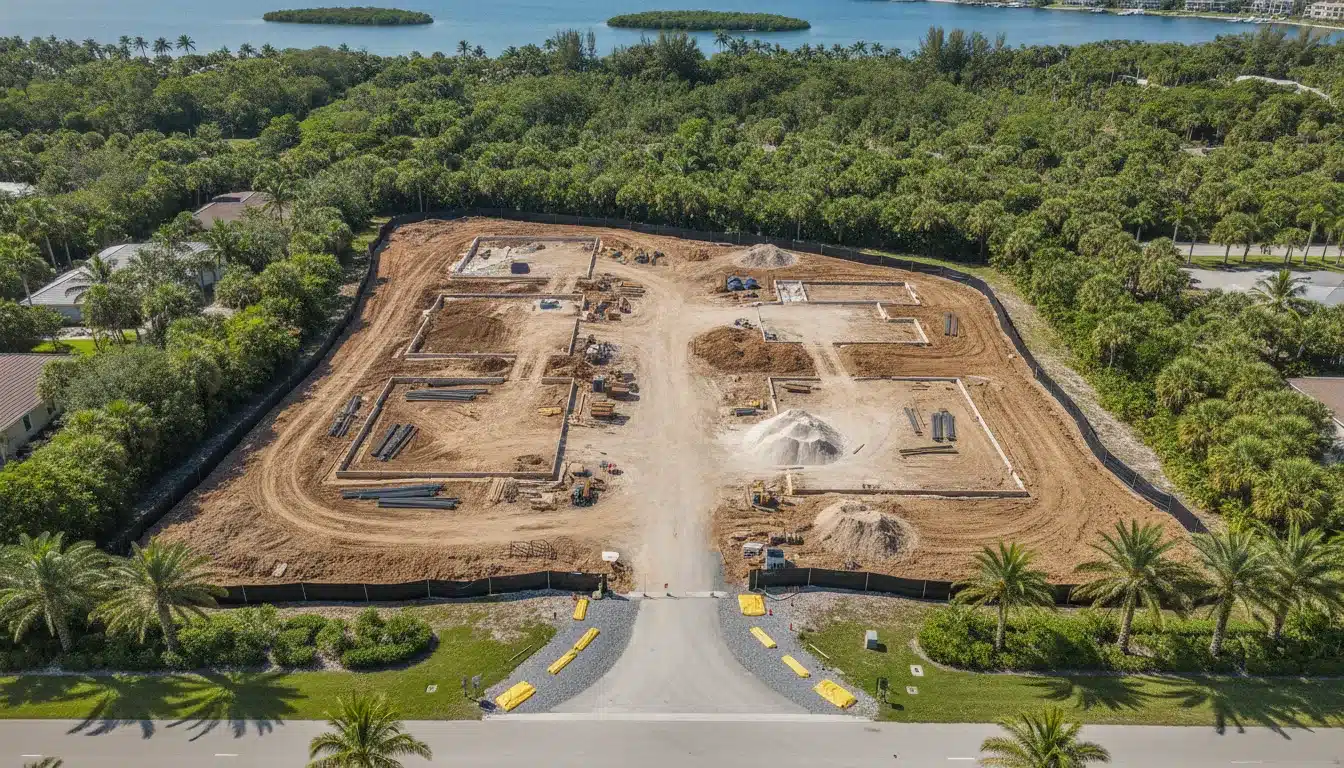
Florida building sites must manage rainwater runoff to protect the land and clean water supply. Builders who ignore these rules face costly delays and legal fines from the state. Meeting Florida stormwater permit requirements helps your work stay on schedule and avoids local fees.
Need help navigating Florida stormwater permit requirements? Contact All Florida Permits today for expert permit management support.
Florida stormwater permit requirements mostly apply to construction work that clears one or more acres of land. You also need a permit if your project is part of a larger plan that will later clear at least one acre. The state manages this process through the National Pollutant Discharge Elimination System (NPDES) program. Most builders must create a Stormwater Pollution Prevention Plan and submit a Notice of Intent before they break ground. As shown by the
Florida Department of Environmental Protection
, you must also pay a fee based on the size of your site. Small projects between one and five acres usually cost two hundred and fifty dollars, while larger sites cost four hundred dollars. These permits stay valid for five years or until you finish the project and settle the soil. Following these rules keeps your project legal and protects Florida’s water.
Following state rules is a key part of any good building project in the Sunshine State. You must know exactly when do Florida stormwater permit requirements apply to avoid costly fines and stay on a tight schedule. The path begins with
When do Florida stormwater permit requirements apply?
Most building jobs in Florida must manage rain runoff to protect our clean water. You must follow
Florida stormwater permit requirements
when your work clears a set amount of land. The state looks at how much dirt you move and where the water goes once the job is done. Finding these triggers early helps you avoid fines and keep your project on track.
The one acre rule for building sites
The main rule for a
stormwater permit
starts at one acre of work. If you clear or dig up one acre or more, you need state rules to cover you. This law applies if your site drains into surface waters or a city storm sewer system. It is not just about the size of the building itself.
You must count every part of the site you touch during the build. This includes where you park heavy trucks and store gear. Staging areas and dirt piles all add to the total land you clear. If all these spots add up to one acre, the state rules kick in for your project.
Common plan of development rules
Sometimes you might work on a small lot that is less than one acre. You may still need a permit if that lot is part of a larger plan. The state calls this a common plan of development or sale. If the whole plan will later clear one acre or more, every small lot needs to follow the rules.
This applies even if different people own the lots. It also counts if the work happens in stages over a long time. The state looks at the big picture rather than just one single lot. You should check the master plan for your area before you start any work.
Screening your project for local rules
Do not assume you are safe just because your site is small. Some cities and towns have their own strict rules. A local group may ask for a permit even if you work on less than one acre. This often happens in areas that use a city storm sewer system.
You should always verify
understanding Florida stormwater permit requirements
at the local level. City clerks or county offices can tell you if their rules are tougher than the state ones. Checking these details now will save you from big headaches later.
Which agencies and permits may be involved?
Getting a site ready for work means dealing with many groups. In Florida, the rules for water management come from the state, regional districts, and local towns. You must know which group has power over your land to avoid fines. Our team helps you find the right
Florida stormwater permit requirements
for your specific site.
State and regional oversight
The Florida Department of Environmental Protection (FDEP) runs the main program for construction sites. If your work disturbs one acre of land or more, you must get coverage under the
Generic Permit for Stormwater Discharge from Large and Small Construction Activities
. This is often called the CGP. It is a state rule that keeps dirt and trash out of the water.
Five water management districts also help manage Florida water. They issue Environmental Resource Permits (ERP). An ERP looks at how your project will change the flow of water on and off the land. This is different from the CGP. You may need both to stay in line with the law. We work with these districts to make sure your plans pass their review.
Local and municipal rules
Your city or county will have its own rules too. Many towns run a Municipal Separate Storm Sewer System (MS4). Some towns may need you to get a local permit even if your site is small. They want to make sure your project does not flood nearby streets or harm local drains.
It is common to need a local building permit and a state water permit at the same time. These groups do not always talk to each other. You must track each one to keep your project on time. Missing one step can lead to a stop-work order. We handle this for you so you can focus on the build.
| Agency Type | Key Permit Type | Primary Focus |
|---|---|---|
| State (FDEP) | NPDES / CGP | Water quality and runoff |
| Regional (WMD) | ERP | Drainage and wetlands |
| Local (City/County) | MS4 / Local Permit | Public drains and flooding |
Core documents to prepare before construction
Before you break ground on your site, you must gather a specific set of files. Having a complete
checklist for stormwater permit documentation
helps you avoid costly delays at the start of your project. The most important step is getting coverage under the Construction Generic Permit. This rule applies if your work disturbs one or more acres of land or is part of a larger plan to do so. You will need to submit a Notice of Intent to the
Florida Department of Environmental Protection
to show you plan to follow clean water laws.
The stormwater pollution prevention plan
You cannot start work without a Stormwater Pollution Prevention Plan, often called a SWPPP. This file is the most vital part of meeting
Florida stormwater permit requirements
for your project. A good plan shows how you will stop dirt and waste from leaving your site. It must include detailed site maps that show where water flows and where you will put controls. You also need to list every person who will lead the work to keep the site clean and safe.
Your plan must show specific erosion and sediment controls for every phase of construction. These items, known as Best Management Practices or BMPs, include silt fences, hay bales, and gravel traps. You must keep this document on your site at all times so inspectors can read it. It is not just a one-time file; you must update it if your site changes or if you find better ways to stop runoff. Keeping your plan current shows you take environmental care seriously on your land.
Supporting local and state papers
While the state sets big rules, some cities have extra steps you must follow. Some towns ask for permit coverage to use their storm drains even if your site is small. You should check with local offices to see if they need more site maps or specific BMP details for your area. These local rules often focus on protecting nearby lakes or streams from construction debris. It is best to find these needs early to keep your timeline on track.
You also need to track your total disturbed area, which includes where you park trucks and store tools. Large sites of five acres or more pay a fee of 400 dollars to the state for this permit. Smaller sites between one and five acres pay a lower fee of 250 dollars. Once you get your permit, it stays good for five years or until your project ends. When the site is stable and the work is done, you must send a Notice of Termination within 14 days to close your file.
Listing responsible parties
Every project needs a clear list of who is in charge of water safety. This list must include the owner, the lead contractor, and any person who inspects the site. These people must sign the papers to show they know the rules for stopping pollution. If you change who is in charge during the project, you must update your files right away. Clear records make it easy to show that you are following the law if an inspector visits your site.
Compliance checkpoints during and after construction
Staying legal with Florida stormwater permit rules means following a strict schedule of checks. Before you even move a shovel of dirt, you must set up best care steps. These tools help stop soil and waste from leaving your site. If your project digs up one acre or more, you need coverage under the
NPDES Construction Generic Permit
. This rule applies even for smaller sites if they are part of a larger plan.
Managing your site plan daily
Once work starts, your Stormwater Waste Stop Plan becomes your guide. You must keep a copy of this plan on site at all times. It is not just a piece of paper; it is a set of rules for your crew to follow. It lists where silt fences and hay bales should go. It also shows how you will store fuel and other liquids safely. This plan helps you meet
knowing Florida stormwater permit rules
without delay.
Your team must check these tools often to make sure they still work. Silt fences can tear, and basins can fill with mud. You need to fix these issues as soon as you find them. Proper care keeps your site safe from fines. It also protects local water sources from runoff. Keeping a log of these fixes is a key part of staying legal. It shows that you took steps to stop waste from leaving the site.
Routine checks and recordkeeping
Florida law requires normal site walks to check for runoff issues. You must look at all areas where rain could wash soil away. This includes storage areas and entrance points. Most projects need a check at least once a week. You also need to check the site after a heavy rain event. These checks help you find small problems before they grow into big leaks. Your checker should write a short report for every walk through the site.
These reports must stay in your logbook for at least three years. They should note any spots that need repair. If you find a failure, you must take action right away. You should also update your plan if the site layout changes. Keeping clear records is the best way to prove you followed the law. It makes state audits much easier for your business. Good records show that you are a pro who cares about the site.
Closing your permit status
Your job is not done until the site is stable. This means you must have thick grass or paved surfaces across the entire lot. You cannot leave bare dirt exposed to the wind or rain. Once the site is fully fixed, you can stop your permit. This step involves filing a Notice of Termination. You must submit this form within 14 days of
reaching final stabilization
. This ends your duty to keep up with checks and reports.
Stopping your permit too early can lead to big fines. Make sure that all temporary silt fences and traps are gone before you file the form. If another permit takes over the site, you can also end your status. Most permits last for five years, but you should close them as soon as the work is over. This step keeps your record clean and saves you from extra work. All Florida Permits can help you track these dates so you never miss a deadline.
Frequent submission problems that delay projects
Many builders face long waits because of small errors in their files. These mistakes can stop a project for weeks. To keep your work on track, you must know the full
checklist for stormwater permit documentation
before you start. Missing just one detail often leads to a “no” from the state. Taking time to get the facts right helps you avoid these stops.
Errors in site scope and size
One common issue is not counting the full size of the work area. You must include the staging and laydown spots in your total area. If you only count where the building sits, the state may flag your file as wrong. These
Florida stormwater permit requirements
apply to any site that moves one or more acres of land. Even if your current phase is small, it counts if it is part of a larger plan.
Builders often forget to link phased projects together. If a project has many lots, the state sees them as one big plan. This is true even if different people own the lots. You must show the whole plan to get your sign-off on time. Planning for the end goal helps you avoid extra fees and sudden stops. Clear plans show the state that you know how much land you will clear in the end.
Bad timing with state and local groups
Projects often slow down when teams do not talk to the right groups early. You may need to work with state water groups or local water districts. Some cities also have their own rules for storm sewers. If you miss a local rule, you cannot let water leave your site. This can lead to fines and stop-work orders that cost a lot of money. It is best to reach out to these groups months before you break ground.
You should check for local sewer rules before you submit your plans. These rules can be tighter than state laws in some areas. Many towns have their own ways to track water flow. Working with an expert can help you find these hidden needs. Getting the right facts first saves you from making changes later in the project life. Do not assume one set of rules fits every city in the state.
Missing the pollution plan or final steps
Every site must have a plan to stop pollution before work begins. This is called a Stormwater Pollution Prevention Plan. If you do not have this ready, the state will not give you a permit. You must also keep the plan on the site at all times. Inspectors will check for this file to make sure you follow the law. If they find it missing, they may shut down the site until you have it.
- Forgetting to update the site map when work changes.
- Leaving the ground bare for too long without grass.
- Failing to file the end notice within 14 days of finishing.
- Missing the weekly check records for fences and drains.
The job is not done until you tell the state you have finished. You must file a notice to end the permit once the ground is stable. If you leave the permit open, you are still at risk for the site. Closing the file the right way is just as vital as getting it open at the start. Make sure you have good grass cover before you ask to end your permit.
Florida construction stormwater decision checklist
Finding the rules for water runoff can be tough. Owners and builders must know when they need a permit to start work. This list helps you find the right path. It ensures you meet all
Florida stormwater permit requirements
before you break ground. Using a clear plan helps you avoid fines and keeps your project on track.
Find your land size
The first step is to measure the land you will move. This includes the build site, storage spots, and tool sheds. Florida follows national rules for water flow. You must get a permit if your project meets size marks. The total area includes every spot where you move soil or store heavy gear. This helps protect local water from soil and trash during heavy rain.
- Your project moves one acre or more of land.
- The project is less than one acre but is part of a larger plan that will move one acre or more total.
- The work will flow water to lakes, rivers, or a city storm sewer system.
If you fit these marks, you need coverage under the
NPDES Generic Permit
for building. Even if you own only one lot, you might need a permit. This happens if your lot is part of a larger phased project. A common plan covers sites with many stages or different owners.
Check local rules
State rules are not the only ones that matter. Some cities have their own storm sewer systems. These local groups might need a permit even if your project is small. You should check with the city or county building office early. This keeps you from hitting a surprise wall during your final checks. Some towns have tough rules to protect their local lakes and streams.
You will also need to gather the right files. Having a
checklist for stormwater permit documentation
makes the process faster. You must show how you will stop leaks and soil loss on the site. Most projects also need an expert review from a water board. Each group has its own forms and fees.
Plan for fees and meeting rules
Planning costs is key for any builder. Permit costs depend on the size of the project. Small sites between one and five acres cost less than larger ones. You should set these funds aside at the start of the job to prevent delays. You also need to write a plan to stop trash. This plan shows how you will manage silt and waste while you work.
- Small building (1 to 5 acres): $250 fee.
- Large building (5 acres or more): $400 fee.
- Time: The permit lasts for five years unless you end it early.
Once your project is solid and the grass is growing, you must close the permit. You have 14 days to file a notice to end coverage after the site is set. Failing to do this can lead to extra costs or legal issues. You must prove the site is stable before you stop the checks. Stay ahead of the time to ensure your closeout goes smoothly and avoids risks.
Ready to simplify your permitting process? Request a free proposal from All Florida Permits today.
Frequently Asked Questions
What is the fee for a Florida construction stormwater permit?
The fee for a Florida construction stormwater permit is based on the size of your job. Small jobs that clear between one and five acres of land cost $250. For large jobs that clear five or more acres, the fee is $400. You can find these fee rules on the
Florida Department of Environmental Protection
site. These state fees are apart from any local costs your city or county might charge for your work.
How long does Florida stormwater permit coverage last?
Coverage for a Florida stormwater permit is valid for five years from the start date. You must keep your permit active until your job reaches final soil safety. If your work takes longer than five years, you may need to renew your coverage to stay in line with state law. According to the
FDEP
, you can also end your coverage early if you finish the job and meet all soil rules.
When should a Notice of Termination be filed in Florida?
You must file a Notice of Termination within 14 days after your building site is fully stable. This means all soil is firm and covered so it will not wash away in the rain. You can also file this notice if a new permit now covers the site. Failing to file this paper on time can lead to fines from the
state
even if the building work is done.
What is included in the total disturbed acreage for a permit?
The state counts all land you touch during the build as cleared land. This includes the main building spot and any areas where you keep gear. It also counts spots where you store parts and any roads you make for trucks. According to the
FDEP
, you must add all these spots together. If the total is one acre or more, you must get a Florida stormwater permit.
Ready to request permit management support?
Missing a stormwater permit can stall your construction project for weeks. These delays often lead to high costs and missed deadlines that are hard to recover from. Failing to act quickly can put your entire build at risk of legal stops. Starting your filing now ensures you stay on track and avoid local fines while keeping your team active on the job site. You will save time and money by getting your paperwork in order before the next phase of work begins. Our team knows how to navigate the complex local rules so you can focus on building. We help you meet every state and local rule so your project keeps moving forward without any surprises.
Ready to request permit management support?
Contact our expert team today
to request permit management support.