

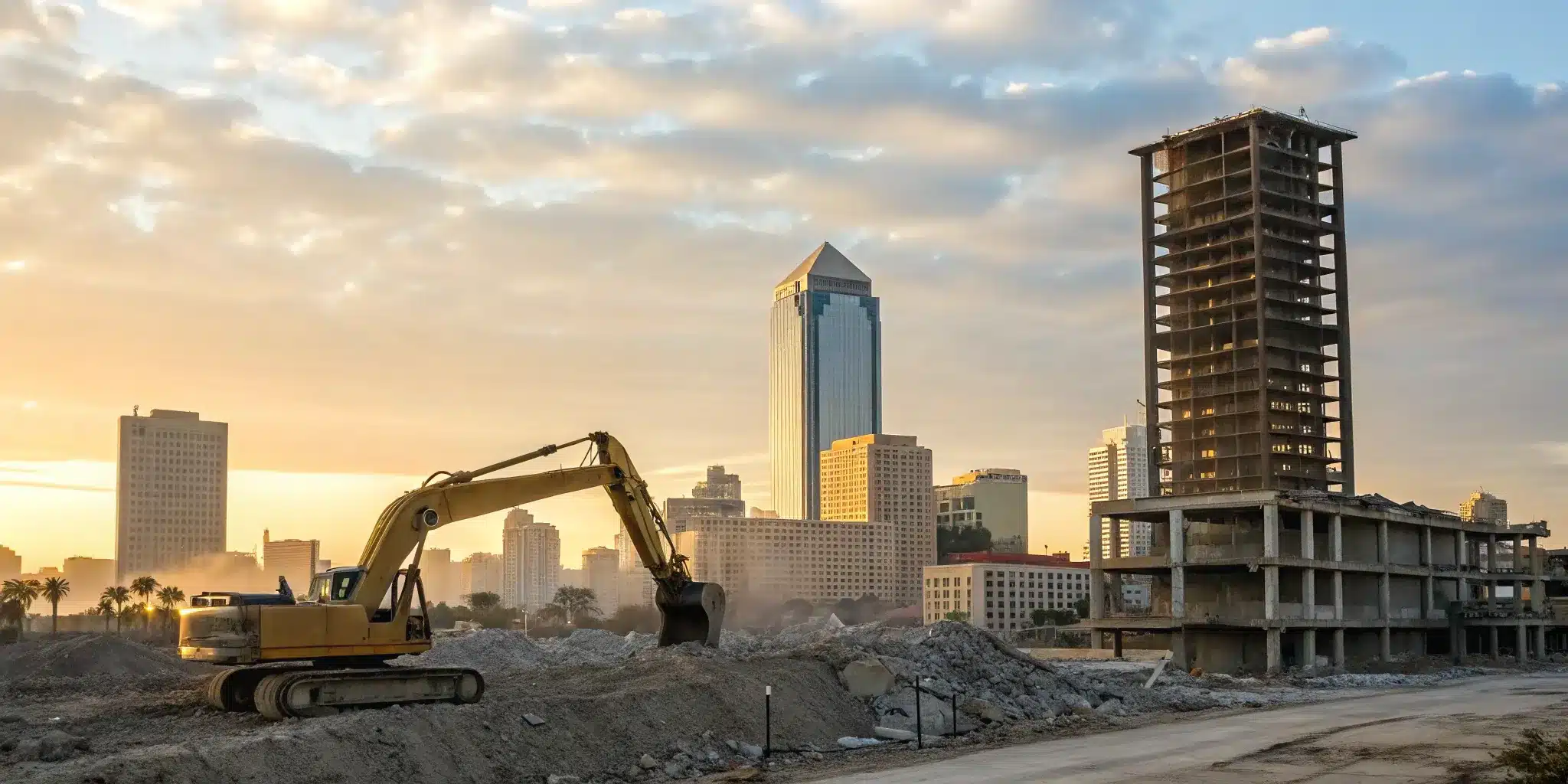
Trying to get a demolition permit in Jacksonville without a clear plan is like baking a cake without a recipe. You might have the contractor and equipment ready to go, but one small paperwork error can bring the entire project to a halt. Think of it as using salt instead of sugar—a simple mistake with big consequences. This guide is your recipe for success. We break down Jacksonville’s specific requirements into easy steps, showing you how to prepare a flawless application. We’ll also explain why partnering with a professional demolition permit service is the secret ingredient to keeping your project on schedule.
Key Takeaways
- Get Your Documents Right the First Time: The most common cause of permit delays is simple paperwork errors. Avoid setbacks by creating a complete application package with accurate site plans, utility disconnection proof, and any required environmental reports before you submit.
- Account for Jacksonville-Specific Regulations: A standard approach won’t work in Jacksonville, where rules can change based on historic districts, zoning, or environmental overlays. Researching these local requirements early is essential to prevent unexpected compliance issues.
- Delegate the Permit Process to Stay on Schedule: Partnering with a permit expediter is the most effective way to manage the complexities of the process. An expert handles communication with the city and ensures accuracy, which helps you avoid costly delays and keep your project moving forward.
Do You Need a Demolition Permit in Jacksonville?
If you’re planning to tear down a building—or even just part of one—in Jacksonville, getting a demolition permit is a non-negotiable first step. It’s easy to get caught up in the excitement of a new project, but overlooking this crucial paperwork can bring everything to a screeching halt. Understanding what a permit is, what Jacksonville requires, and the risks of skipping the process will set your project up for success from day one.
What Is a Demolition Permit?
Think of a demolition permit as official permission from the city to tear down a structure. Before you bring in the wrecking ball or even a sledgehammer, you need this document in hand. It’s the city’s way of ensuring that the demolition is done safely, responsibly, and in line with local regulations. This applies whether you’re taking down an entire house, a commercial building, or just a portion of a structure like a garage or an old addition. The permit process confirms that you’ve considered things like utility disconnections and environmental safety. Getting the right permit services ensures your project starts on the right foot, without any legal hiccups down the road.
What Are Jacksonville’s Demolition Requirements?
The short answer is yes, you absolutely need a permit for demolition work in Jacksonville. The city has specific rules you must follow before any work begins. These requirements aren’t just a blanket policy; they can change depending on your project’s location, the type of building, and its size. The City of Jacksonville requires you to submit detailed plans and documentation to show that you’re addressing key concerns like public safety, environmental protection (such as asbestos abatement), and proper debris disposal. It’s crucial to check the specific regulations for your property to make sure your application includes everything needed for a smooth approval process. This is where things can get tricky, as the details matter.
Rules for Special Building Types
Not all buildings are created equal in the eyes of the permitting office. Before you start demolition, you need to determine if your structure falls into a special category. The building’s type, size, and especially its location can trigger a need for what’s called “prior approval.” For instance, if your property is located in one of Jacksonville’s historic districts or a designated conservation area, you can’t just apply for a standard demolition permit. These areas have specific rules designed to preserve the community’s character, and you’ll likely need to secure special planning permission before any demolition can be considered. Failing to check for these overlays is a common and costly mistake that can stop a project in its tracks.
Permits for Smaller Structures
It’s a common myth that you can tear down smaller outbuildings without a permit, but that assumption can get you into trouble. In Jacksonville, structures like detached garages, large sheds, or greenhouses often require a demolition permit, especially if they are over a certain size—typically around 200 square feet—or are officially listed on your property’s records with the city. It’s crucial to remember that simply submitting the application doesn’t give you the green light to start work. You must wait for the city to issue the approved permit. Starting demolition prematurely can lead to fines and stop-work orders, creating unnecessary headaches for a seemingly simple task.
Why You Should Never Demolish Without a Permit
Trying to demolish a structure without a permit might seem like a way to save time or money, but it almost always backfires. The consequences can be severe and costly. First, you’ll likely face steep fines from the city. Officials can also issue a stop-work order, halting your project indefinitely until you get into compliance, which causes major delays. Beyond the financial and legal headaches, there are serious safety risks. Unpermitted demolition can endanger workers, neighbors, and the general public. It can also lead to problems with your property insurance. The smartest way to avoid these issues is to handle the permitting process correctly from the start. If you’re unsure where to begin, you can always request a proposal to get expert help.
How to Get a Demolition Permit in Jacksonville
Getting a demolition permit in Jacksonville might seem like a mountain of paperwork, but it’s a straightforward process when you break it down. The key is to be organized and thorough from the very beginning. Think of it as a three-part plan: getting your documents ready, submitting them correctly, and managing the project after you get the green light. Following these steps will help you keep your project on track and avoid the common pitfalls that can cause frustrating delays and unexpected costs. Let’s walk through exactly what you need to do.
Step 1: Get Your Paperwork in Order
Before any demolition work begins, your first job is to get all your paperwork in order. The specific requirements can change depending on your exact location in the Jacksonville area, so always start by checking with the local building department. You’ll need to fill out the application form completely, providing details about the property, a description of what you’re tearing down, and who is performing the work. You will also need to provide proof of property ownership. Taking the time to gather every required document upfront is the best way to ensure a smooth process.
Step 2: Submit Your Permit Application
Once you have all your documents compiled, it’s time to submit your application package to the correct municipal office. One of the most common reasons for demolition permit delays is submitting an incomplete or incorrect application, so double-check that you have everything before you turn it in. This is also when you’ll pay any associated application fees. A complete and accurate submission is your best bet for a quick turnaround. If you’re unsure about any part of the application, getting expert guidance can help you prevent errors that lead to rejection or delays.
Understanding Multi-Step Application Processes
Submitting your application isn’t the finish line; it’s just the beginning of a conversation with the city. After you hand over your paperwork, reviewers will examine every detail, from site plans to proof of utility disconnection. This is where projects often hit a snag. A simple error or missing document is the most common reason for delays, sending your application back to square one. In Jacksonville, the process can be even more complex due to local regulations tied to historic districts or environmental overlays, which might trigger additional reviews. This back-and-forth is where many projects get stuck. Having an expert to manage the process ensures this conversation is efficient, as they can anticipate potential issues and respond to city requests quickly to keep your project on schedule.
Step 3: From Inspection to Final Approval
Receiving your permit isn’t the final step—it’s the official start of your project. From this point on, you must follow the approved plans exactly and comply with all local regulations during the demolition. The city will likely conduct inspections to ensure the work is being done safely and according to the plan, so be prepared to cooperate with officials. Sticking to the rules outlined in your permit is essential for keeping your project on schedule and avoiding fines. Properly managing this final phase ensures your demolition is completed without a hitch.
Pre-Demolition Inspections
Before you can even think about starting the demolition, there’s a critical checkpoint you need to clear: pre-demolition inspections. The City of Jacksonville requires these inspections to make sure everything is safe and compliant before the work begins. This isn’t just a quick look-over; inspectors will check for structural issues, verify that all utilities have been properly disconnected, and ensure compliance with environmental regulations, which often includes an asbestos survey. In fact, there’s a mandatory ten-working-day waiting period after you notify the city, specifically to allow time for these inspections to be conducted. Skipping this step isn’t an option—it’s a fundamental part of the process that protects your crew, the public, and keeps your project on the right side of the law.
Common Demolition Permit Challenges (and How to Avoid Them)
Getting a demolition permit in Jacksonville should be straightforward, but a few common hurdles can trip up even the most organized projects. From untangling a web of local rules to submitting a flawless application, there are several points where things can get delayed. The good news is that these challenges are entirely avoidable with a bit of foresight and preparation. Knowing what to watch out for is the first step toward a smooth, on-schedule demolition.
How to Understand Complex Regulations
Jacksonville is a big city, and its regulations can feel just as sprawling. The permit process is often complicated due to the city’s size and varied zoning rules, which means a one-size-fits-all approach won’t work. Your property might be in a historic district, a coastal construction zone, or an area with specific environmental protections, each with its own set of demolition requirements. Ignoring these specific city or county requirements is a surefire way to face complications. To avoid this, start by confirming your property’s exact zoning. Better yet, working with a local expert who already understands the nuances of Jacksonville’s permit process can save you hours of research and prevent you from missing a critical rule.
Avoiding Common Application Mistakes
A simple mistake on your application can send you right back to square one. In fact, the most common reason for demolition permit delays is the submission of incomplete or incorrect documentation. This can be anything from a missing signature or an incorrect parcel number to failing to attach a required asbestos survey. When you’re juggling multiple documents and deadlines, it’s easy for small details to slip through the cracks. The best way to avoid these errors is to treat your application like a final exam. Create a checklist based on the city’s official requirements and review every single document before you submit it. Our permit expediting services are designed to catch these mistakes before the city ever sees them, ensuring your application is complete and correct the first time.
How to Handle Permit Delays
Permit delays don’t just test your patience—they can have serious financial consequences. For contractors and developers, delays in permit approval can lead to increased carrying costs, contractor scheduling conflicts, and potential loss of revenue from delayed occupancy. If your demolition crew is scheduled to start work but you don’t have a permit in hand, your entire project timeline gets thrown off. This creates a domino effect, pushing back every subsequent phase of construction. While you can’t control the city’s review timeline, you can minimize delays by submitting a perfect application and being proactive. Build some buffer time into your project schedule and respond immediately if the city requests more information.
How to Meet Environmental and Safety Standards
Demolition is more than just tearing down a structure; it’s also about doing it safely and responsibly. Jacksonville, like all Florida cities, has strict rules about handling and disposing of hazardous materials like asbestos and lead paint. Before you can even apply for a permit, you’ll likely need to have the property inspected for these materials. Failing to provide the proper reports can stop your application in its tracks. To stay on the right side of these regulations, schedule any required environmental inspections early. If hazardous materials are found, you’ll need a plan for abatement performed by a licensed professional. Including these reports with your application shows the city you’re committed to a safe project. If you’re unsure what’s required, you can request a proposal to get expert guidance tailored to your specific project.
How a Demolition Permit Service Makes Things Easier
Getting a demolition permit in Jacksonville can feel like a full-time job. Between the detailed paperwork, specific local codes, and the back-and-forth with city officials, it’s easy to get bogged down. This is where a permit service comes in. Think of them as your project’s administrative co-pilot, handling the complex logistics so you can focus on the bigger picture. They don’t just fill out forms; they provide a clear path through the entire process, from initial planning to final approval. By partnering with an expert, you can save time, avoid costly mistakes, and keep your demolition project on schedule. It’s about turning a potentially stressful process into a smooth, predictable part of your project plan.
Get Expert Guidance on Local Rules
Jacksonville and Duval County have their own set of rules for demolition, and they can be tricky to understand if you’re not dealing with them every day. A professional permit service has the local knowledge to guide you through every requirement. They know exactly what the City of Jacksonville needs to see on an application and can help you prepare accordingly. Because they work directly with local agencies, they understand the nuances of the codes and can anticipate potential issues before they become problems. This expertise ensures your project complies with all regulations from the very beginning, setting you up for a much smoother approval process.
Prevent Errors and Streamline Your Application
One of the biggest hurdles in getting a permit is submitting a flawless application. It’s no surprise that the most common reason for demolition permit delays is incomplete or incorrect documentation. A simple mistake can send your application right back to the start of the line. A permit service acts as your quality control, meticulously reviewing every document before it’s submitted. They make sure every form is filled out correctly, every required signature is in place, and all supporting materials are attached. This attention to detail helps you get your application right the first time, preventing unnecessary delays and frustration.
Speed Up Your Approval Time
When your project is on a tight timeline, every day counts. Delays in permit approval can throw your entire schedule off, leading to higher costs, issues with contractor availability, and lost revenue. A permit service is designed to keep things moving. By submitting a complete and accurate application, they help you avoid the common pitfalls that slow things down. Plus, their established relationships with the permitting office mean they know how to follow up effectively and resolve any questions that arise. Their entire focus is on providing end-to-end permit services that push your application through the system as efficiently as possible.
Manage Your Project from Start to Finish
Getting a permit isn’t a one-and-done task. It involves constant communication, tracking, and follow-up. A permit service manages this entire lifecycle for you. They handle all correspondence with the city, monitor the status of your application, and coordinate any necessary inspections or revisions. Essentially, they take care of all the tricky administrative details so you don’t have to. This allows you to focus your energy on managing the actual demolition work, confident that the permitting side of your project is in capable hands. It’s like having a dedicated permit manager on your team, ensuring everything stays on track from start to finish.
Your Jacksonville Demolition Permit Checklist
Getting your demolition permit in Jacksonville means having all your ducks in a row before you even think about submitting an application. The city needs to see that you’ve planned for every detail, from property lines to public safety. To help you stay organized and avoid common roadblocks, here’s a checklist of the key documents and considerations you’ll need to address. Think of this as your game plan for a smooth and successful permitting process. Tackling these items upfront will save you from frustrating delays and keep your project on track.
Property Surveys and Site Plans
First things first, you need a clear and detailed picture of your project. This starts with a complete application form that outlines exactly what’s being demolished, who is doing the work, and the project timeline. You’ll also need to provide up-to-date property surveys and site plans. These documents aren’t just formalities; they show the city the precise boundaries of your property and the exact location of the structures coming down. A thorough plan demonstrates that you’ve thought through the project’s scope, which helps build confidence with city reviewers and is a critical part of our permit services.
Environmental and Hazardous Material Reports
Before you can tear something down, you have to know what it’s made of. Many older buildings contain hazardous materials like asbestos or lead paint, which pose serious health risks if not handled correctly. Jacksonville requires you to conduct environmental assessments to identify these materials and create a plan for their safe removal and disposal. This step is non-negotiable for protecting your crew and the surrounding community. Failing to account for hazardous materials can lead to massive fines and immediate work-stoppage orders, so it’s crucial to get these environmental reports done early.
Utility Disconnection Certificates
One of the most dangerous and costly mistakes you can make is starting demolition before the utilities are shut off. Before any work begins, all utilities—including electricity, water, gas, and sewer lines—must be professionally disconnected from the structures being demolished. You’ll need to provide official disconnection certificates from each utility provider as proof. This is a critical safety measure to prevent fires, floods, or other disasters. The city will not issue a demolition permit without confirmation that the property has been safely and completely taken off the grid, so be sure to coordinate with your local utility companies well in advance.
Historic Preservation Rules
Is your property located in one of Jacksonville’s historic districts? If so, you’ll have an extra layer of regulations to follow. The city has specific historic preservation rules in place to protect its unique architectural character. Demolishing or even altering a structure in these areas often requires special approval from the Jacksonville Historic Preservation Commission. This can add time and complexity to your project, and permit fees may be higher. It’s essential to check your property’s zoning and historical status at the very beginning of your planning process to understand what additional steps and reviews will be required.
Notice of Commencement (NOC)
If your demolition project in Jacksonville has a total cost of more than $5,000, you’ll need to file a Notice of Commencement, or NOC. This isn’t just another form; it’s an official, recorded document that marks the formal start of your project. Think of it as a public announcement that work is about to begin. The NOC provides crucial information to all parties, including subcontractors and suppliers, and protects the property owner by outlining the project’s scope from the outset. Filing this document correctly is a critical step in the permitting process, and getting it wrong can lead to lien issues down the road. Properly handling these official documents is key to keeping your project legally sound and on schedule.
Approvals from Other Agencies
One of the most important things to remember is that you often need approvals from other agencies *before* you can even apply for the demolition permit itself. The building department is just one piece of the puzzle. Depending on your project, you may need sign-offs from the local utility companies, the public works department, or environmental protection agencies. These outside approvals confirm that you have addressed all necessary safety and regulatory concerns, from proper utility disconnections to environmental compliance. Trying to submit your demolition application without these prerequisites is a guaranteed way to face rejection, so it’s essential to coordinate with all relevant departments early in the process to meet all environmental and safety regulations.
Owner-Builder Disclosure Statements
If you’re a property owner planning to manage the demolition yourself instead of hiring a licensed contractor, you’ll need to follow a specific set of rules. This path requires you to sign an Owner-Builder Disclosure Statement. This legal document confirms that you are aware of your responsibilities and potential liabilities. By signing it, you are essentially taking on the full role of a contractor, which includes ensuring workplace safety, pulling all necessary permits, and being financially responsible for the project. It’s not a shortcut to save money but a formal process for those with the expertise to manage the work. Before going this route, it’s vital to fully understand the responsibilities you are accepting.
Permits for Public Property Use
Demolition projects often require more space than your property lines allow. If you need to place a dumpster, stage equipment, or store materials on a public street, sidewalk, or right-of-way, you will need a separate permit for that as well. This is a logistical detail that is easy to overlook but can bring your project to a halt if ignored. The city needs to ensure that public access and safety are maintained throughout your project. Applying for a public property use permit involves showing how you will manage traffic and pedestrian flow while minimizing disruption. Failing to secure this permission can result in fines and stop-work orders, so be sure to include this in your initial planning and secure the right permits for every aspect of the job.
How Much Do Demolition Permit Services Cost?
Figuring out the cost of a demolition permit isn’t as simple as looking up a number on a price list. The final cost is a mix of city fees and the fees for the permit service you hire, and it can vary quite a bit from one project to the next. Several key factors come into play, from the size of your building to its exact location in Jacksonville. Understanding these variables will give you a much clearer picture of what to expect for your budget. Think of it less as a fixed price and more as a customized quote based on your project’s unique needs. When you’re ready, you can always request a proposal to get a precise figure for your specific demolition project. Let’s break down the main components that influence the total cost.
How Project Size Affects Cost
It makes sense that demolishing a small, single-story garage will cost less than taking down a multi-level commercial building. The sheer scale of the project is the biggest factor. Larger structures require more detailed plans, more extensive safety protocols, and more time for review, all of which affect the cost. But complexity isn’t just about size. A project’s intricacy also depends on the building materials, the presence of hazardous materials like asbestos, and the specific safety measures needed to protect workers and the public. Our team handles a wide range of demolition projects, so we know how to account for these details from the start.
Does Property Type and Location Matter?
Where your property is located plays a huge role in the cost and complexity of getting a demolition permit. A demolition on a spacious lot with easy road access is much more straightforward than one on a tight urban property with shared walls or nearby power lines. City officials will consider factors like the distance from the main road, accessibility for heavy equipment, and the need for traffic control. The specific zoning of your property and its proximity to environmentally sensitive areas or historic districts can also add layers of review, which can influence the final cost. This is where having a partner with statewide experience helps, as we understand the nuances of different Florida municipalities.
Understanding Provider Fees and Timelines
When you hire a permit service, you’re paying for more than just paperwork submission. The fee covers the expertise, time, and legwork required to get your application approved efficiently. While the city’s base permit fee might only be a few hundred dollars, the total project cost can be influenced by other factors like coordinating utility shutdowns or planning for site restoration. A professional permit expediter helps you anticipate these requirements, preventing costly surprises. The provider’s fee reflects the value of avoiding delays, ensuring accuracy, and having an expert manage communications with the city on your behalf.
Factoring in Special Assessments and Coordination
In Florida, demolition projects often require more than just a standard permit. Special assessments may be necessary depending on your property’s characteristics. For example, coastal properties, buildings in hurricane-prone zones, or structures with historical significance often trigger additional reviews and require specialized permits. These unique Florida regulations mean you might need to coordinate with multiple agencies beyond the local building department, such as environmental protection or historic preservation boards. Each additional layer of oversight can add to the overall cost and timeline, making expert coordination essential for a smooth process.
Estimating Your Demolition Project’s Total Cost
Once you have a handle on the permit process, the next big question is always about the bottom line. The total cost of a demolition project goes far beyond the city’s permit fee. It includes the physical labor, equipment, debris disposal, and any special handling required for hazardous materials. The most significant factor influencing the cost is the size and structure of the property, but several other variables play a crucial role. Thinking through these elements early will help you build a realistic budget and avoid surprises down the road. It’s about creating a complete financial picture that covers everything from the first swing of the excavator to the final site cleanup.
Common Demolition Methods
The method used to bring down a structure has a direct impact on your project’s timeline and budget. The most common approach is mechanical demolition, which uses heavy machinery like excavators and wrecking balls to tear down a building quickly and efficiently. This is often the most cost-effective option for clearing a site. On the other end of the spectrum is deconstruction, a more methodical process of taking a building apart piece by piece to salvage reusable materials like lumber, bricks, and fixtures. While more labor-intensive and slower, deconstruction can offset costs through the sale or reuse of these materials, making it a more sustainable choice.
Key Factors That Influence Project Costs
Several key factors determine the final price tag for your demolition. The building’s size and material composition are primary drivers; a large concrete structure will cost more to demolish and haul away than a small wood-frame house. However, the materials used in the construction play a significant role, as recyclable components can offset disposal costs. The method of disposing of demolition debris also significantly impacts overall expenses, with landfill fees and transportation adding up quickly. Finally, your property’s location and accessibility matter. A tight urban lot requiring traffic control will be more complex and costly than an open, easily accessible site.
Beyond the Demolition Permit: What Comes Next?
Getting your demolition permit and clearing the site is a huge milestone, but it’s often just the beginning of a larger project. With a clean slate, you can now move forward with your ultimate goal, whether that’s selling the vacant land, landscaping, or starting new construction. It’s important to remember that the end of demolition marks the start of a new permitting and planning phase. Thinking ahead about these next steps ensures a smooth transition from your demolition project to whatever you have planned for the property’s future, keeping your overall timeline on track.
Demolition vs. Deconstruction
The choice between demolition and deconstruction impacts what your site looks like after the structure is gone. Demolition is more than just tearing down a structure; it’s also about doing it safely and responsibly, which often means a fast and total clearing of the site, leaving you with a blank canvas. Deconstruction, on the other hand, is a more selective process. If you chose this route, you’ll have a cleared lot plus a stockpile of salvaged materials like vintage doors, hardwood flooring, or old-growth lumber. This approach takes longer but can provide valuable materials for your new build or for sale, aligning your project with more sustainable practices.
Permitting for New Construction After Demolition
If your plan is to build something new, it’s crucial to understand that the demolition permit does not cover new construction. You will need to start a completely separate permit application process for your new building. This involves submitting a new set of architectural plans, site plans, and engineering documents to the city for review. The city will likely conduct inspections to ensure the work is being done safely and according to the plan, so be prepared to cooperate with officials. At All Florida Permits, we manage all types of permits, and we can help you create a seamless transition from your demolition permit to your new construction permit, ensuring your project keeps moving forward without unnecessary delays.
Finding the Right Demolition Permit Service in Jacksonville
Choosing the right partner to handle your demolition permit can make all the difference between a smooth project and one bogged down by red tape. Jacksonville has its own set of rules, and you need a team that knows how to work with the city and Duval County efficiently. A great permit service doesn’t just file paperwork; they anticipate challenges, communicate clearly, and keep your project moving forward. Think of them as your project’s co-pilot, making sure you reach your destination without any turbulence.
When you start looking for help, you’ll find a few different types of providers. Some are demolition companies that handle permits as part of their package, while others are specialists who focus exclusively on the permitting process itself. Your goal is to find a reliable expert who understands your project’s specific needs and has a proven track record in the Jacksonville area. A dedicated permit expediter often has deeper relationships with local agencies and a more nuanced understanding of the regulatory landscape, which can be a major advantage.
All Florida Permits: Your Statewide Partner
When you need a team that lives and breathes Florida’s permitting landscape, All Florida Permits is a fantastic choice. We specialize in managing the entire permit process, from the initial application to final approval. Our team works directly with the City of Jacksonville and Duval County officials, so we understand exactly what they need to see to sign off on a demolition project. We handle all the details, ensuring your paperwork is correct and complete the first time. This expertise helps you avoid common delays and keeps your project on schedule. Our comprehensive services are designed to give you peace of mind, knowing an experienced professional is taking care of everything.
What About Other Local Permit Expediters?
As you research, you’ll also come across local demolition companies that offer to handle permitting as part of their services. For example, some contractors manage the permit process specifically for the demolition work they perform. This can be a convenient option if you’re looking for an all-in-one package. These providers are often fully licensed and insured for demolition work, and they bundle the permit application into their overall project management. While convenient, it’s always a good idea to understand their specific experience with the permitting side of things to ensure they can handle any complexities that might arise with your property.
What to Look For in a Provider
To make sure you hire the right team, it’s important to know what to look for. The biggest mistake you can make is partnering with someone who isn’t deeply familiar with Jacksonville’s specific regulations. Before you sign any contracts, ask about their experience with similar projects in your area. A good expediter will be able to explain the process clearly and outline a realistic timeline. You can even request a proposal to see exactly how they would approach your project. Always verify that they have a solid understanding of local zoning, environmental rules, and safety requirements to ensure your project is fully compliant from start to finish.
How Long Does It Take to Get a Demolition Permit?
One of the first questions on everyone’s mind is, “How long will this take?” The honest answer is: it depends. The timeline for getting a demolition permit in Jacksonville can range from a few weeks to several months. The final timing is influenced by your project’s complexity, the completeness of your application, and the current workload at the local building department.
While there’s no single magic number, understanding the typical process and potential roadblocks can help you set realistic expectations. Let’s break down the standard processing times, common reasons for delays, and what you can do to keep your project moving forward.
What Are the Standard Processing Times?
For a straightforward residential demolition, you might get an initial response from the city or county within a few business days after submitting your application. However, this is just the first step. The full process involves multiple stages, including plan reviews, potential revisions, and scheduling final inspections. A simple project with a perfect application might see a permit issued in a few weeks. For larger commercial projects or properties with special considerations—like being in a historic district or requiring environmental assessments—the timeline will naturally be longer. Each review adds another layer to the process, extending the wait time.
What Can Cause Delays?
The most frequent cause of a delayed demolition permit is an incomplete or incorrect application. A single missing signature, an inaccurate site plan, or a forgotten utility disconnection notice can send your application right back to the starting line. These seemingly small errors can cause significant setbacks, pushing your project timeline back by weeks. Other common delays include underestimating the time needed for approval or failing to address specific local requirements. As we’ve covered in our guide to common permit mistakes, overlooking a small detail is the easiest way to derail your schedule. Issues discovered during the plan review can also put your project on hold.
How to Speed Up the Process
The best way to get your permit faster is to be prepared. Start by learning the specific demolition requirements for Jacksonville or your local municipality. Every city has its own set of rules, so what worked in one county might not apply in another. Create a checklist of all required documents and double-check everything before you submit. An even more effective approach is to work with a permit expediter. A professional service understands the local system inside and out. We can help you prepare a flawless application, anticipate potential issues, and communicate directly with reviewers to resolve questions quickly. By handling the paperwork, we free you up to focus on the project itself.
What to Expect From a Demolition Permit Service
Hiring a demolition permit service takes the guesswork and stress out of the process. Instead of you having to figure out every form and regulation, they step in to manage the entire workflow. From the initial paperwork to the final green light, their job is to keep your project moving forward smoothly and efficiently. Think of them as your project manager for all things permits, ensuring every box is checked so you can focus on the demolition itself.
They Handle Application Prep and Submission
The first thing a permit service will do is handle all the upfront paperwork. You can’t just start tearing down a structure; you need a specific permit from the city or county, and getting it right begins with a solid application. Your permit expediter will help you gather all the necessary documents, from site plans to property details. They’ll ensure the application is filled out completely and accurately, clearly outlining what you’re demolishing, the methods you’ll use, and who is doing the work. This meticulous preparation is the foundation for a smooth approval process and helps you avoid immediate rejections due to missing information.
Expert Plan Reviews and Compliance Checks
Once your application is submitted, it goes to the local building department for review. Officials will carefully check your plans to make sure they comply with all local regulations, safety standards, and zoning codes. This stage can often involve a lot of back-and-forth if the city requests more information or requires changes. A permit service manages all this communication for you. They know how to address reviewers’ questions and make necessary adjustments quickly, preventing the long delays that can throw your project schedule and budget off track. Their expertise in local codes makes this a much faster and less frustrating experience.
Coordinating with Agencies and Utilities for You
A crucial—and often overlooked—part of demolition is coordinating with outside agencies and utility companies. A common mistake is failing to disconnect utilities like water, gas, and electricity properly, which can lead to dangerous situations and major setbacks. A permit service handles this complex coordination for you. They’ll work with all the necessary utility providers to get disconnection certificates and manage communications with any other government agencies that need to be involved. This end-to-end service ensures that every external requirement is met before demolition begins, protecting your project from costly errors and liabilities.
How to Choose the Best Demolition Permit Service
Picking a permit service is one of the most important decisions you’ll make for your demolition project. The right partner can turn a complicated, stressful process into a smooth and straightforward one. They act as your advocate, guide, and project manager, ensuring every detail is handled correctly from start to finish. To find the best fit for your Jacksonville project, focus on a few key areas: their experience, their pricing structure, and the answers they give to critical questions.
Check Their Experience and Local Knowledge
When it comes to permits, local knowledge is everything. Every municipality has its own set of rules, and Jacksonville is no exception. A permit service with deep experience in the area will understand the specific requirements and procedures of the local building department. They know the people, the process, and the potential pitfalls to avoid. An established firm saves you time and stress because they’ve managed this process countless times before. Look for a company that demonstrates a clear understanding of Florida’s statewide regulations as well as Jacksonville’s unique codes. This expertise is what prevents unnecessary delays and keeps your project on track.
Compare Service Packages and Pricing
While cost is always a factor, the cheapest option isn’t necessarily the best value. Demolition permits in Florida can range from $100 to over $500, depending on the project’s complexity and location. When you review proposals, look beyond the bottom-line number. Ask what’s included in their fee. Does it cover just the initial application submission, or does it include follow-up, coordination with city officials, and managing inspections? A comprehensive service might cost more upfront but can save you thousands in potential delays. To get a clear picture of what your project will require, you can request a proposal to receive a detailed breakdown of costs and services.
Key Questions to Ask Before You Hire
Before you commit to a permit service, have a direct conversation and ask some pointed questions. The most common reason for permit delays is incomplete or incorrect paperwork. You need a team that has a system in place to prevent these errors.
Here are a few questions to get you started:
- What is your process for ensuring all documentation is accurate and complete before submission?
- How familiar are you with Jacksonville’s specific demolition requirements?
- How will you keep me updated on the status of my permit?
- Who will be my main point of contact?
Their answers will tell you a lot about their professionalism and organization. A confident, experienced partner will have clear, straightforward answers. They should be able to explain how they avoid common permit mistakes and keep your project moving forward.
Related Articles
- Your Guide to Jacksonville Residential Construction Permits
- Application for Demolition Permit: The Ultimate Guide
- How to Get Zoning Permit Assistance in Jacksonville
Contact Us
Frequently Asked Questions
Do I need a permit for a small demolition, like taking down a shed or a deck? Yes, most of the time you do. In Jacksonville, a permit is generally required for the demolition of any structure, regardless of its size. This includes sheds, decks, carports, and other accessory buildings. The city’s main concerns are safety and proper disposal of materials, which apply even to smaller projects. It’s always best to check with the local building department before you start any tear-down work to avoid potential fines.
Can I apply for the demolition permit myself, or do I need to hire a professional? You absolutely have the option to manage the permit application process on your own. However, it can be a time-consuming and detailed process. The primary reason people hire a permit service is to save time and avoid the common mistakes that lead to delays. A professional service understands Jacksonville’s specific requirements and can ensure your application is complete and correct from the start, which often speeds up the approval.
What’s the most common reason a demolition permit gets delayed in Jacksonville? By far, the most frequent cause for delays is submitting an incomplete or incorrect application. This can be anything from a missing signature or an outdated site plan to failing to include a required report, like an asbestos survey or utility disconnection notice. These small errors can send your application to the back of the line, forcing you to start the review process all over again.
My property is in a historic district. Does that change the process? It certainly does. If your property is in one of Jacksonville’s designated historic districts, you’ll face an additional layer of review. You will likely need to get approval from the Jacksonville Historic Preservation Commission before you can even apply for the demolition permit. This step is in place to protect the architectural character of the neighborhood and can add significant time to your project’s front end.
How is the cost of a permit service different from the city’s permit fees? Think of it in two parts. The city’s permit fees are the official charges you pay directly to the local government for them to review your plans and issue the permit. The fee for a permit service is separate and covers the professional expertise, time, and labor involved in preparing your application, coordinating with officials, and managing the entire process on your behalf to ensure it goes smoothly.