

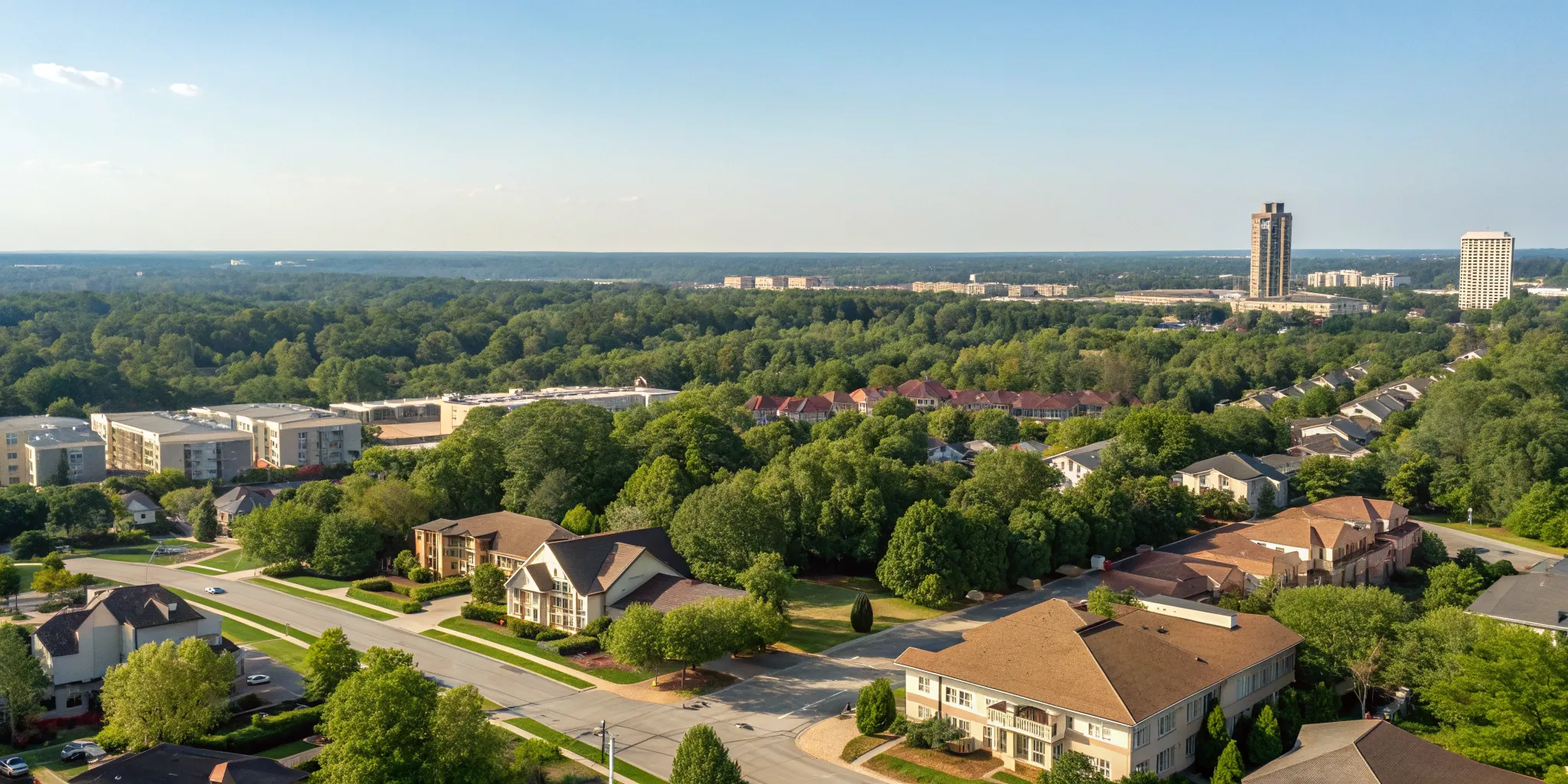
Most people think about permits only when they’re ready to start building, but by then, critical decisions have already been made. The most successful projects begin with a proactive strategy, and that starts with a land use consultant. The ideal time to bring one on board is often before you’ve even purchased a property. They can perform vital due diligence, analyzing a site’s potential and uncovering hidden restrictions that could derail your plans. This early involvement ensures you’re making an informed investment in a property that can actually accommodate your vision, setting the stage for a smoother, more predictable path to final approval and construction.
Key Takeaways
- Bring in an expert from the start: Hiring a land use consultant before you purchase a property is the smartest first step. They perform crucial due diligence to confirm your project is feasible, saving you from investing in a site with hidden limitations.
- Think of their fee as project insurance: A consultant’s cost is an investment that protects your project from expensive delays, fines, and redesigns. Their proactive approach helps you avoid common mistakes that can quickly drain your budget and derail your timeline.
- They handle the rules so you can focus on the build: A consultant’s main job is to understand complex zoning laws and manage the entire permitting process. They act as your professional representative with government agencies, ensuring your application is correct and complete the first time.
What is a land use consultant?
Think of a land use consultant as the strategic guide for your construction or development project. Before you can even break ground, you have to deal with a web of rules, zoning laws, and regulations that dictate what you can build, where you can build it, and how it needs to be done. It can feel overwhelming, but this is exactly where a land use consultant steps in. They are specialists who understand the intricate language of land development and act as your advocate and expert navigator.
Their primary goal is to ensure your project aligns with all local and state requirements from the very beginning. This proactive approach helps you avoid costly mistakes, frustrating delays, and potential legal issues down the road. They bridge the gap between your vision and the government agencies that need to approve it, ensuring that every ‘i’ is dotted and ‘t’ is crossed on your applications. Whether you’re a homeowner planning an addition, a contractor starting a commercial build, or a developer mapping out a new subdivision, a consultant provides the foresight and expertise to get your project planned, approved, and ready for construction smoothly and efficiently. They are the first line of defense against the bureaucratic hurdles that can stall even the most well-planned projects.
Their role and expertise
A land use consultant is your project’s compliance expert. They dive deep into zoning codes, land development regulations, and comprehensive plans to make sure your vision is viable and permissible. From the initial concept to final approval, they manage the critical steps of the pre-construction phase. This includes preparing and submitting complex applications, assessing potential environmental impacts, and coordinating with engineers, architects, and government agencies. They essentially translate your project goals into a language that regulators understand and approve. By handling these detailed services, they clear the path for a successful build.
The projects they work on
You’ll find land use consultants working on a surprisingly wide range of projects, both big and small. Their expertise isn’t just for massive commercial developments; it’s valuable for anyone undertaking a project with zoning or permitting requirements. They handle everything from residential projects like single-family homes, accessory dwelling units (ADUs), and multi-family apartment buildings to large-scale commercial and industrial sites like retail centers, restaurants, warehouses, and office parks. If your project involves changing how a piece of land is used or requires navigating complex approvals, a consultant has the experience to help you succeed.
What services do land use consultants provide?
Land use consultants offer a wide range of services that cover a project from its initial concept to final approval. Think of them as the strategic guide for your development journey. They handle the complex web of regulations, planning requirements, and community relations so you can focus on the bigger picture. Their expertise is crucial for ensuring your project not only gets off the ground but does so efficiently and in full compliance with the law. Let’s look at the specific services they provide.
Analyze zoning and ensure compliance
Before you can build anything, you need to understand the local rulebook—the zoning code. These regulations dictate everything from how tall your building can be to what type of business you can run on a property. A land use consultant dives deep into these complex local ordinances to confirm your project plans are compliant. They analyze zoning maps, land use plans, and development standards to identify any potential conflicts early on. This proactive approach saves you from costly redesigns and ensures your project has a solid legal foundation before you even submit an application.
Conduct environmental assessments
Navigating environmental regulations is a critical part of any land development project. A consultant helps you identify and address potential environmental impacts to ensure your project is sustainable and compliant. They assess factors like wetlands, protected wildlife habitats, soil quality, and potential contamination on your site. By conducting thorough environmental reviews, they help you prepare the necessary reports and mitigation plans required by state and federal agencies. This step is essential for securing approvals and protecting you from fines or legal trouble related to environmental non-compliance.
Secure and expedite permits
The permitting process can feel like a maze of paperwork, deadlines, and agency requirements. A land use consultant acts as your expert guide, managing the entire application process from start to finish. They prepare and submit all necessary documents, coordinate with engineers and architects, and communicate directly with local government offices. Because they understand the specific requirements and have established relationships with building departments, they can anticipate issues and resolve them quickly. Their involvement is key to getting the permits you need without unnecessary and costly delays.
Plan sites and study feasibility
Is your project idea viable for a specific location? A land use consultant helps you answer that critical question with a feasibility study. They evaluate a site’s potential by considering all the key factors: zoning restrictions, environmental constraints, access to utilities, and community needs. This comprehensive analysis gives you a clear picture of a project’s opportunities and challenges before you invest significant time and money. By identifying potential roadblocks early, they help you make informed decisions, adjust your plans, or even choose a more suitable location for your development.
Manage community engagement
For many projects, gaining the support of the local community is just as important as getting approval from the city. A land use consultant can manage this delicate process for you. They act as a professional liaison between your team and the public, presenting project plans at community meetings, listening to feedback from residents, and addressing any concerns that arise. By fostering open communication and building positive relationships, they can help generate support for your project and smooth the path to approval. This proactive engagement often prevents public opposition from slowing down or stopping your development.
Why hire a land use consultant?
Embarking on a new construction or development project is exciting, but it also comes with a mountain of paperwork and complex rules. A land use consultant acts as your expert guide, helping you make sense of the entire process from start to finish. They bring specialized knowledge that can be the difference between a smooth, successful project and one bogged down by delays and unexpected costs. Here are four key reasons to bring a consultant onto your team.
They understand complex regulations
Land development is governed by a web of local, state, and federal rules. A land use consultant’s primary job is to decipher these complex requirements for you. They have a deep understanding of Florida’s specific land development regulations, zoning codes, and environmental laws. Instead of spending hours trying to figure out what applies to your project, a consultant provides clear, accurate guidance. This ensures your plans are compliant from day one, saving you from having to make frustrating and expensive changes down the line.
They save you time and money
While hiring a consultant is an upfront cost, it’s an investment that pays for itself. Their expertise helps you avoid common pitfalls that lead to costly delays and rework. By creating a solid strategy and submitting accurate applications the first time, they keep your project on schedule and on budget. A consultant anticipates potential roadblocks and addresses them proactively, preventing minor issues from turning into expensive problems. This foresight is crucial for protecting your bottom line and improving your chances of a profitable outcome.
They reduce risk and ensure compliance
One wrong move in the development process, like misinterpreting a zoning ordinance or missing a permit deadline, can lead to hefty fines and legal trouble. A land use consultant is your first line of defense against these risks. They conduct thorough due diligence to ensure every aspect of your project is compliant with all applicable laws. This attention to detail provides peace of mind and protects you from violations that could derail your plans. Our team specializes in providing end-to-end permit expediting services to keep your project compliant and moving forward.
They have established professional networks
A good consultant doesn’t just know the rules; they know the people who enforce them. They have spent years building relationships with local government staff, city planners, engineers, and other key officials. This professional network is invaluable when it comes to getting questions answered quickly, resolving issues efficiently, and moving your project through the approval process. Their connections can help streamline communication and facilitate a smoother path to getting your permits approved, which is especially helpful when you run into unexpected challenges.
The risks of going it alone
Tackling the permitting process yourself might seem like a smart way to cut costs, but it often opens the door to a host of problems that are far more expensive in the long run. Florida’s regulations are a complex web of state, county, and municipal rules that can easily trip up even the most diligent person. A single misstep can lead to significant setbacks, turning what should be an exciting project into a source of stress and financial strain. Before you decide to manage the process solo, it’s important to understand the potential pitfalls. From legal troubles to budget-busting delays, the risks of going it alone can quickly outweigh any initial savings.
Facing legal issues and zoning violations
One of the biggest risks of a DIY approach is accidentally breaking the law. Florida’s zoning codes and land use regulations are incredibly detailed and can vary dramatically from one jurisdiction to the next. A simple misunderstanding of a setback requirement or a land use designation can have serious consequences. A single misstep, such as misinterpreting zoning laws, can derail your project with hefty fines and stop-work orders. These aren’t just minor administrative errors; they are legal violations that can jeopardize your entire investment and require costly legal battles to resolve.
Experiencing project delays and extra costs
When you’re managing a project, time is money. An incomplete or incorrect permit application will be rejected, sending you back to square one. This doesn’t just delay paperwork; it halts the entire project. Contractors are left waiting, materials sit unused, and your timeline gets pushed back by weeks or even months. Unless you are familiar with the planning process, hiring a professional for your permitting services can save time and money. Experts know exactly what reviewers are looking for, ensuring your application is complete and correct the first time.
Dealing with permit denials and rework
A permit denial is more than an inconvenience; it can force expensive changes to your project plans. If your application is rejected due to a non-compliant design, you may have to pay your architect or engineer for costly revisions. This rework cycle eats up your time and budget. A professional permit expediter does more than fill out forms; their job is as much about strategic planning and problem-solving as it is about adherence to regulations. They can identify potential issues early, preventing denials before they happen and keeping your project on track.
Running into environmental compliance problems
Florida’s sensitive ecosystem means environmental regulations are a major factor in many projects. From wetland protection and coastal construction lines to protected species, numerous environmental hurdles can stop a project if not addressed properly. Overlooking a required environmental assessment or failing to secure necessary clearances can lead to severe penalties and long-term project holds. Working with a consultant who understands these specific regulations can greatly improve your chances of a profitable outcome and ensure your project moves forward without harming the natural surroundings.
How to choose the right land use consultant
Finding the right land use consultant is a lot like hiring any key team member. You’re looking for a partner who understands your vision and has the specific skills to bring it to life without costly missteps. The right expert can make the difference between a smooth project and one tangled in red tape. To make sure you find a great fit, focus on a few key areas. It’s worth taking the time to vet your options thoroughly to find a consultant who will be a true asset to your project.
Check their qualifications and credentials
While a fancy certificate doesn’t guarantee success, it does show a level of dedication and expertise. Look for professionals with recognized qualifications, like Accredited Land Consultants (ALCs). This designation is a big deal in the industry—it means they’ve met rigorous education and experience requirements. Think of it as a baseline for quality. A consultant who has invested in their professional development is more likely to be up-to-date on Florida’s ever-changing regulations and best practices, which is exactly what you need on your team.
Look for relevant project experience
Experience is everything, but relevant experience is what truly counts. A consultant who has primarily worked on large commercial developments in Miami might not be the best fit for your residential project in a rural county. When you’re interviewing candidates, ask specifically about projects they’ve handled that are similar to yours in scope, size, and location. Many top-tier land use planners hold advanced degrees in urban or regional planning, giving them a strong theoretical foundation. When you combine that education with hands-on experience in your project’s niche, you get an expert who can anticipate challenges before they become problems.
Ask for client references
Don’t just take a consultant’s word for it—talk to the people who have been in your shoes. Asking for and checking client references is a non-negotiable step in the hiring process. A confident, successful consultant will be happy to connect you with past clients. When you speak with them, ask pointed questions: How was the communication? Did they stick to the timeline and budget? Did they successfully solve unexpected problems? Getting this firsthand feedback gives you a clear picture of what it’s like to work with them and can save you a world of frustration down the road.
Assess their communication skills
A brilliant consultant who can’t communicate effectively is a liability. Your land use consultant will be your translator and advocate, turning complex zoning codes and environmental regulations into a clear, actionable plan. They need to be able to explain what’s happening, why it matters, and what comes next, without making you feel lost in jargon. Strong communication skills are also crucial for negotiating with municipal staff and engaging with community stakeholders. Look for someone who is a clear, proactive, and responsive communicator—it will make the entire process feel more manageable and transparent.
How much does a land use consultant cost?
When you’re planning a project, the budget is always top of mind. Understanding the cost of hiring a land use consultant is a key part of that planning. While there’s no single price tag, their fees are typically structured in a few common ways. The final cost will depend entirely on your project’s specific needs. Think of it less as a fixed expense and more as a tailored investment in getting your project off the ground smoothly and successfully. By understanding the factors that shape their pricing, you can find a professional who fits your budget and helps you achieve your goals without costly surprises down the road.
Hourly vs. project-based fees
Most land use consultants charge either by the hour or with a flat fee for the entire project. Hourly rates generally fall between $100 and $300 per hour. This model is common for projects where the scope might change or for clients who need ongoing advice as things develop. The other option is a single, project-based fee, which gives you a clear, upfront cost that’s great for budgeting. The best structure really depends on your project. A straightforward task like a simple zoning review might be perfect for a flat fee, while more complex projects could benefit from the flexibility of an hourly rate.
What influences their fees
So, what determines the final price? Several key factors come into play. The consultant will consider the scope of the services you need, the complexity of your property, local regulations, and your ultimate goals. A simple residential addition will naturally cost less than a large commercial development with environmental considerations and zoning variance requests. The more research, paperwork, and meetings required, the higher the fee will be. A good consultant will break down these factors for you so you understand exactly what you’re paying for and can see the value in their expertise.
Thinking about your return on investment
It’s easy to see a consultant’s fee as just another expense, but it’s more helpful to view it as an investment. Unless you’re an expert in the local planning process, hiring a professional can save you significant time, money, and frustration. A skilled consultant helps you avoid common pitfalls like permit denials, zoning violations, and rework—all of which come with hefty price tags and long delays. When you weigh the consultant’s fee against the potential cost of a single mistake, the value becomes clear. Getting a custom proposal is the best way to see how this investment can pay off for your project.
Common myths about land use consultants
When you’re planning a construction project, you hear a lot of advice. Unfortunately, some of it is based on common myths about land use consultants and the permitting process. These misconceptions can keep you from seeking expert help, which might lead to costly mistakes and frustrating delays. Let’s clear up a few of the most common myths so you can make an informed decision for your project.
Myth: They’re only for large projects
It’s easy to think that consultants are only for massive commercial developments or sprawling subdivisions. The truth is, projects of any size can benefit from professional guidance. Whether you’re a homeowner planning a new pool, a contractor building an addition, or a developer planning a small retail space, you’re still dealing with the same complex web of local regulations. If you aren’t familiar with the planning process, hiring a professional can save you a significant amount of time and frustration. An expert can help ensure your project, big or small, gets off the ground smoothly and complies with all the rules from day one.
Myth: They’re too expensive for small projects
Thinking about the cost of a consultant can be intimidating, but it’s important to weigh it against the potential costs of not hiring one. A single mistake, like misinterpreting a zoning law or missing a permit requirement, can stop your project in its tracks and lead to hefty fines or the need for expensive rework. A consultant’s fee is an investment in getting things done correctly the first time. By preventing costly errors and delays, their services often pay for themselves, giving you peace of mind and a predictable budget.
Myth: The DIY approach is cheaper
Taking on the permitting process yourself might seem like a great way to save money, but it often has hidden costs. Your time is valuable, and the hours you spend trying to understand dense legal codes, filling out complicated paperwork, and waiting at government offices add up quickly. Plus, the financial risk of making a mistake is high. Hiring a professional who already knows the system inside and out frees you up to focus on what you do best. It’s a strategic move that protects your project timeline and budget from the unexpected hurdles that can pop up when you go it alone.
Myth: They only handle the red tape
Some people picture land use consultants as simple paper-pushers who just shuttle forms back and forth. In reality, their role is much more strategic. A good consultant is a problem-solver and a project partner. They do more than just ensure compliance; they offer insights on site feasibility, help with strategic planning, and find creative solutions to unexpected challenges. Their job is as much about proactive planning and smart problem-solving as it is about following regulations. They are a key part of your team, helping you make your project a success from the initial concept to the final Certificate of Occupancy.
How a land use consultant solves problems
Think of a land use consultant as a professional problem-solver for your construction or development project. They step in to handle the specific, often tricky, challenges that can derail your plans. From deciphering dense legal codes to ensuring your project is a good neighbor, their expertise is all about creating a clear path forward. They anticipate roadblocks and develop strategies to keep your project on track, on budget, and in compliance with all the necessary rules.
Interpreting complex zoning laws
Florida’s zoning regulations can feel like a maze of codes, ordinances, and restrictions that vary from one county—or even city—to the next. A land use consultant’s primary job is to make sense of it all for you. They have a deep understanding of these local laws and can tell you exactly what you can and can’t do with a piece of property. They help you understand and follow these rules so your project goes smoothly from the start. This expertise prevents costly mistakes, like designing a building that violates height restrictions or doesn’t have adequate parking, ensuring your plans are viable before you invest too much time and money.
Managing community and stakeholder relations
A new project doesn’t exist in a vacuum—it impacts the surrounding community. A land use consultant acts as a crucial bridge between you and your future neighbors. They are skilled at community outreach, presenting your project plans to local residents and stakeholders in a way that builds trust and addresses potential issues head-on. By facilitating open dialogue, gathering feedback, and working to find common ground, they help minimize opposition that could lead to significant delays. This proactive approach to community engagement fosters goodwill and helps your project become a welcome addition to the area.
Meeting environmental requirements
Protecting Florida’s natural resources is a top priority, and development projects are subject to strict environmental regulations. A land use consultant helps you meet these standards by assessing your site for potential environmental impacts, from wetlands and protected species to stormwater management. They guide you through the necessary assessments and help you incorporate sustainable practices into your design. This ensures your project not only complies with regulations from agencies like the Florida Department of Environmental Protection but also minimizes its ecological footprint. Getting this right from the beginning is key to avoiding fines and long-term complications.
Solving unique project challenges
No two properties are exactly alike, and every project has its own set of goals and obstacles. A land use consultant excels at developing customized strategies for these unique situations. Whether you’re dealing with an oddly shaped lot, trying to repurpose a historic building, or facing unexpected site conditions, they create special plans and solutions to help your project succeed. This tailored approach is essential for turning a challenging site into a successful development. By getting an expert to create a custom plan, you can confidently move forward with your project’s specific needs already mapped out.
When to hire a land use consultant
Knowing when to bring in a land use consultant is just as important as knowing why. Timing is everything, and engaging an expert at the right moment can be the difference between a smooth project and one plagued by delays and unexpected costs. Ideally, you should think about hiring one much earlier than you might expect. Let’s walk through the key stages where their expertise is most valuable.
During initial planning and site selection
The best time to hire a land use consultant is at the very beginning of your project—sometimes even before you have a specific property in mind. During the initial planning phase, a consultant acts as your strategic partner. They can help you define your project goals and then evaluate potential sites to see if your vision is even feasible. They’ll analyze zoning codes, land use plans, and potential environmental constraints to spot red flags early. This proactive approach saves you from falling in love with a property that can’t legally accommodate your project, ensuring your permitting process starts on the right foot.
Before you buy the property
If you’ve already zeroed in on a piece of land, the next critical window to hire a consultant is before you sign the purchase agreement. Think of this as the ultimate due diligence. A consultant will conduct a thorough investigation of the property’s development potential and limitations. They can uncover hidden issues like easements, deed restrictions, or environmental regulations that might not be obvious. Getting this expert analysis upfront protects your investment and gives you the confidence that you can move forward with your plans. If you’re at this stage, you can request a proposal to understand exactly what’s possible with a property.
For the permit application process
Maybe you already own the property and are ready to build. This is the most common time for people to seek help, and for good reason. The permit application process can be a maze of paperwork, technical requirements, and government agencies. A land use consultant specializes in managing this entire process. They prepare and submit accurate applications, coordinate with engineers and architects, and communicate with city and county officials on your behalf. Their job is to anticipate problems, address reviewer comments effectively, and keep your project moving forward, preventing costly delays and the frustration of handling it all alone.
Related Articles
- Why Hire a Land Use Permit Consultant in Orlando?
- Zoning & Land Use Permit Help: A Complete Guide
- How a Florida Zoning Variance Consultant Helps You Win
- Why Hire an Environmental Permit Consultant in Florida?
Frequently Asked Questions
My project is pretty small. Do I really need a land use consultant? Even seemingly simple projects like a new fence, a deck, or a small home addition are subject to local zoning and building codes. A consultant can quickly verify the rules for your specific property, ensuring your project is compliant from the start. This helps you avoid the headache of a stop-work order or having to tear down work that was done incorrectly, which is far more costly and frustrating than getting expert advice upfront.
How does a consultant actually save me money if I have to pay their fee? Think of a consultant’s fee as an investment in risk prevention. The cost of a single mistake—like a permit denial that forces an expensive redesign or a zoning violation that comes with hefty fines—can easily surpass their fee. By ensuring your application is correct the first time and anticipating potential issues, they prevent costly delays and rework, keeping your project on schedule and protecting your budget from unexpected hits.
Can’t I just go to the city planning department myself to get answers? You absolutely can, but it’s important to remember the role of city staff. They are there to enforce regulations and can provide information, but they are not your project advocate. A land use consultant works for you. They know how to frame your project in the best possible light, manage negotiations, and develop a strategy to get your plans approved, offering a level of dedicated support you won’t get from the front counter.
Is a land use consultant different from a permit expediter? Yes, though their roles can overlap. A land use consultant typically focuses on the strategic, early stages of a project, like site feasibility, zoning analysis, and community outreach. A permit expediter specializes in the tactical process of preparing, submitting, and managing the permit application to move it through the government system efficiently. Many firms offer comprehensive services that cover both the strategic planning and the hands-on expediting.
When is the ideal time to hire a land use consultant? The earlier, the better. The ideal time is during your initial planning phase, even before you’ve purchased a property. A consultant can perform due diligence to confirm a piece of land can actually accommodate your vision, saving you from a potentially disastrous investment. If you already own the property, bring them in before you’ve finalized any architectural plans to ensure the design is fully compliant from the start.