


Getting a building permit in Florida shouldn’t feel like solving a puzzle blindfolded. Yet countless projects stall over avoidable mistakes—not because of major design flaws, but because of simple coordination issues. When the structural plans don’t match the architectural drawings, you’re guaranteed a rejection. A critical step is knowing how to fix permit delay structural engineer drawings cause. This guide explains how to get your entire team on the same page, creating a cohesive permit package that avoids the costly cycle of rejections and resubmittals.
Florida’s construction permitting process involves multiple layers of compliance: state building codes, county regulations, municipal ordinances, and specialized environmental requirements. Miss one detail, and your application gets kicked back to square one. The good news? Most permit delays stem from a handful of common mistakes: and professional permit expediters know exactly how to prevent them.
Let’s break down the seven most frequent Florida construction permit mistakes and explore how permit expediting services solve each one.
Is Your Application Missing Key Details?
This is the number one reason for permit rejections across Florida. Missing a single form, site plan sheet, signature, or required calculation can stop your entire application dead in its tracks.
Common culprits include:
- Unsigned or unsealed engineering drawings
- Missing grading or drainage plans
- Incomplete erosion control details
- Structural calculations without proper documentation
- Survey information that doesn’t match current site conditions
One missing attachment means weeks of delays while you scramble to locate the document, get it properly prepared, and resubmit through the system.
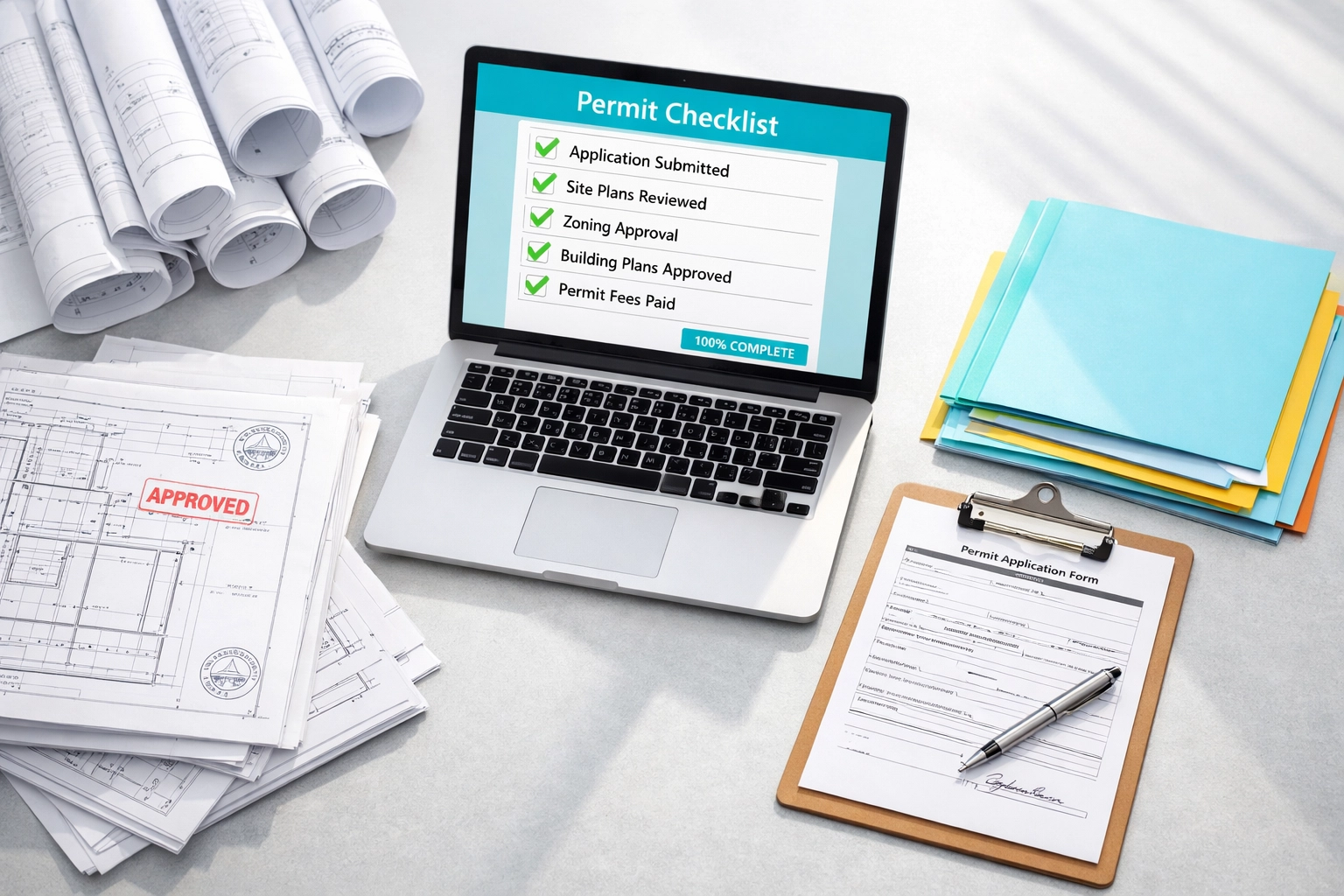
How permit expediters fix it: Professional expediting companies maintain comprehensive checklists for every Florida jurisdiction. Before submission, they verify that all forms are complete, properly signed by licensed professionals, and include every required attachment. They understand that West Palm Beach’s requirements differ from Jacksonville’s, and they prepare applications accordingly. This front-end diligence eliminates the most common cause of permit rejections.
Unclear Project Descriptions
If a plan reviewer can’t understand exactly what you intend to build, they can’t approve it. Vague or confusing project descriptions are a fast track to the rejection pile. Describing a project as a “small interior remodel” isn’t enough. You need to specify which walls are moving, what plumbing is being altered, and the exact scope of electrical work. The reviewer needs a clear, concise narrative that matches the technical details in your plans. Any ambiguity forces them to send the application back with a request for clarification, adding unnecessary delays to your timeline.
How permit expediters fix it: We translate your project goals into the precise language that building departments require. By reviewing your description against your plans, we ensure every detail is accounted for and clearly articulated. Our team knows what specific information reviewers in Miami-Dade look for versus what’s required in Orlando. We refine the scope of work to be unambiguous, ensuring your application is understood and processed on the first pass. This is a core part of our end-to-end permit services.
Problematic Plans and Drawings
Your architectural and engineering drawings are the heart of your permit application. If they are hard to read, missing key details, or based on outdated building codes, your project will be stopped in its tracks. Common issues include missing site plans, illegible dimensions, or failing to adhere to the latest version of the Florida Building Code. Each of these problems requires a full revision from your design professional, followed by a complete resubmission, which can set your project back by weeks or even months.
How permit expediters fix it: Before your application is submitted, an expediter performs a thorough review of all plans and drawings. We act as a second set of expert eyes, checking for completeness, clarity, and compliance with local ordinances. We don’t just look for missing pages; we check that all drawings are properly sealed and signed and that they contain all the necessary details required by that specific municipality. Catching these issues upfront prevents the costly cycle of rejection and revision.
Incorrect Cost Estimates
The project valuation you list on your permit application isn’t just a number—it’s a critical piece of data used to calculate fees and assess the project’s scope. If the estimated cost seems unusually low for the work you’ve described, it raises a red flag for the plan reviewer. For example, listing a $10,000 valuation for a full kitchen gut renovation will likely trigger scrutiny. This discrepancy can lead to questions, requests for detailed contractor bids, or an outright rejection until a more realistic valuation is provided.
How permit expediters fix it: While we don’t create your cost estimates, our experience with thousands of projects allows us to spot valuations that are likely to be questioned. If your project’s scope and its estimated cost don’t seem to align, we’ll flag it for you. This gives you an opportunity to review and adjust the numbers or prepare a justification before the application is submitted, preventing the delays that come from a reviewer challenging your project’s financial details.
Expired or Missing Contractor Licenses
This is one of the easiest mistakes to avoid, yet it happens all the time. Submitting an application with an expired contractor license or without including the required license information is an automatic denial. The state of Florida requires all contractors to maintain a current, valid license to perform work, and building departments are strict about verifying this. It’s crucial to check not only your own license but also those of any key subcontractors listed on the application before you submit.
How permit expediters fix it: License verification is a standard step in our pre-submission checklist. We confirm that the contractor’s license is active and in good standing with the Florida Department of Business and Professional Regulation (DBPR). We ensure the license number is correctly entered on all forms and that all necessary documentation is attached. This simple but vital check guarantees that a preventable administrative error won’t derail your project’s timeline.
Are You Overlooking Local Zoning Rules?
Meeting state and federal standards isn’t enough. Each Florida county and municipality maintains its own zoning codes, setback requirements, parking ratios, landscape ordinances, and drainage specifications.
A commercial building design that sailed through approval in Miami-Dade might get rejected in Broward County because of different parking requirements. A residential addition that meets Florida Building Code standards could violate local setback ordinances in your specific municipality.
These jurisdiction-specific requirements aren’t always obvious, and they change periodically. Staying current requires constant monitoring of local amendments and updates.
How permit expediters fix it: Expediters coordinate directly with municipal planning departments before plan development begins. They research jurisdiction-specific requirements and identify potential compliance issues early: when changes are still inexpensive. This proactive approach to Florida building code requirements ensures your project complies at every level from day one.
The Critical Role of a Structural Engineer in Permitting
Beyond zoning ordinances and general building codes lies the science of structural integrity. This is where a structural engineer becomes one of the most important people on your project team. Their job is to ensure your building can safely stand up to everything from its own weight to the powerful forces of a Florida hurricane. Submitting plans without the proper engineering review is a fast track to rejection, especially for projects that alter a building’s core structure. The plan reviewer’s primary concern is public safety, and a licensed engineer’s seal is their assurance that the design is sound, compliant, and ready for construction. Without it, your project simply cannot move forward.
What Does a Structural Engineer Do?
Think of a structural engineer as the specialist responsible for a building’s skeleton. Their primary role is to design and analyze the load-bearing elements that keep a structure safe and stable. This includes the foundation, beams, columns, walls, and roof systems. They perform complex calculations to account for various forces, such as gravity, wind loads, and potential soil pressure, ensuring the building won’t collapse or shift unsafely. For any residential or commercial project, they produce the detailed drawings and specifications that prove to the building department that your plans are not just ambitious, but also structurally sound and fully compliant with all safety codes.
When is a Structural Engineer Legally Required?
In Florida, a licensed structural engineer or architect is legally required for any project that involves modifying the building’s primary structure. This isn’t just a suggestion; it’s the law. You’ll need an engineer to prepare and provide a signature and seal on plans for new home construction, room additions, foundation repairs, or removing a load-bearing wall. That seal is a legal statement certifying that the design meets all applicable codes and safety standards. Attempting to submit plans for this type of work without an engineer’s involvement is a guaranteed rejection. Our team at All Florida Permits frequently coordinates these essential permitting services to ensure every structural requirement is met before the application is ever submitted.
Why Your Contractor Can’t Replace an Engineer
While your contractor is an expert at bringing plans to life, they are not a substitute for a licensed structural engineer. Only a licensed engineer or architect has the legal authority to prepare and sign off on structural plans for a permit application. Without an engineer’s input, plans are often incomplete or contain design flaws that building departments will immediately flag. This leads to significant delays, added fees, and the need for costly redesigns. Relying on a contractor for structural design can halt your project before it even begins. Ensuring you have the right professionals on your team from the start is the key to a smooth process, and we can help you request a proposal to see how we manage every detail for you.
Is Your Structural Engineer Using Current Data?
Florida’s regulatory environment evolves constantly. FEMA updates flood maps, the Department of Environmental Protection revises stormwater standards, and the Florida Building Code undergoes regular amendments.
Projects fail review when they reference:
- Outdated soil reports or geotechnical investigations
- Old survey data that doesn’t reflect current site conditions
- Previous versions of the Florida Building Code
- Superseded stormwater management standards
- Obsolete flood zone designations
Using current, accurate data isn’t optional: it’s required. Reviewers will reject applications with outdated information, forcing costly resubmittals with updated engineering.
How permit expediters fix it: Professional expediters verify that all engineering reports and technical data reflect current standards and site conditions. They stay updated on regulatory changes from FEMA, FDEP, local water management districts, and building departments. When code updates occur, they ensure your application references the correct version and complies with new requirements.

Are You Submitting Your Files Correctly?
Modern Florida permitting has gone digital: but digital doesn’t mean simple. Each jurisdiction uses specific online portals with unique requirements for file types, naming conventions, page sizes, and submission protocols.
Upload a PDF when the system requires individual JPEG files? Automatic rejection. Use the wrong naming format for your site plan? The system won’t accept it. Submit through the wrong portal section? Your application gets lost in the digital void.
These seemingly minor technical issues trigger auto-rejections before a human reviewer even sees your plans. You’ll receive a generic error message with minimal guidance about what went wrong.
How permit expediters fix it: Expediting companies know the technical requirements for every Florida jurisdiction’s digital permitting system. They ensure files are properly formatted, correctly named, and submitted through the right channels. This technical expertise eliminates auto-rejections and gets your application in front of actual reviewers.
Is Your Project Team on the Same Page?
Complex projects involve multiple professionals: architects, civil engineers, structural engineers, surveyors, landscape architects, and specialized consultants. When these professionals don’t communicate effectively, their work conflicts.
The civil engineer’s grading plan contradicts the architect’s foundation design. The utility layout interferes with the structural engineer’s column placement. The surveyor’s property lines don’t match the site plan boundaries.
These coordination failures create internal inconsistencies that reviewers immediately catch: and reject. Fixing them requires getting all professionals back together, resolving conflicts, and preparing revised plans.
How permit expediters fix it: Professional expediters manage coordination between all project team members. They conduct internal plan reviews to catch conflicts before submission, ensuring that architectural, structural, civil, and MEP (mechanical, electrical, plumbing) drawings align perfectly. This coordination eliminates resubmittals caused by design conflicts.

The Importance of Clear Communication and Documentation
Beyond just coordinating plans, effective projects depend on a clear, documented communication trail. When conversations between the architect, engineer, and contractor aren’t recorded, critical details can be lost or misinterpreted. This leads to the exact kind of inconsistencies that reviewers flag for rejection. Keeping meticulous records of every decision, change order, and material specification is non-negotiable. This documentation serves as the single source of truth for the project, preventing arguments and ensuring the application package tells a consistent and accurate story. A well-documented project demonstrates professionalism and makes the reviewer’s job easier, which can only help your application. Our end-to-end services are designed to manage this flow of information, ensuring every detail is captured and correctly reflected in your final submission package.
Did You Skip a Required Environmental Review?
Florida’s environmental sensitivity demands thorough due diligence. Projects can halt mid-review when applicants fail to address:
- Wetlands delineation and mitigation
- Endangered species habitat assessments
- Flood zone analysis and base flood elevation certificates
- Stormwater management plans
- Cultural resource surveys for historically significant areas
- Tree preservation requirements
Skipping these assessments because they seem unnecessary or expensive creates devastating delays when reviewers identify the need mid-process. You’ll need to hire specialists, conduct studies, potentially redesign elements, and resubmit: adding months to your timeline.
How permit expediters fix it: Expediters identify environmental review requirements during initial project assessment. They work with environmental consultants to complete necessary studies before application submission, ensuring all specialized reports are included upfront. This due diligence prevents mid-review surprises that derail timelines.
Is Your Permit About to Expire?
Florida building permits have specific validity periods: typically six months to a year, depending on jurisdiction and project type. Permits expire if construction doesn’t start or progress sufficiently within that timeframe.
Expired permits mean:
- Additional fees for renewal or reapplication
- Potential need to update plans to current codes
- Enforcement actions if work continued after expiration
- Complications with inspections and final approval
Similarly, slow responses to Requests for Information (RFIs) from building departments extend review timelines by weeks or months. Each unanswered RFI pushes your approval date further out.
How permit expediters fix it: Professional permit services track all expiration dates and assign project managers to monitor timelines. They respond quickly to agency RFIs, maintain continuous communication with building departments, and ensure permits stay active throughout the construction process. For projects requiring expedited building permits Florida services, this active management proves invaluable.
What to Do if Your Contractor Didn’t Pull a Permit
Discovering your contractor has been working without the required permits is a gut-wrenching moment for any property owner. This isn’t just a paperwork problem; it’s a serious issue that can lead to stop-work orders, hefty fines, trouble selling your property, and even orders to tear down the unpermitted work. While the situation is stressful, you have clear options for moving forward and protecting your investment. The key is to act quickly and methodically to address the problem head-on, ensuring you can bring your project back into compliance with minimal disruption.
Confirming Permit Responsibility in Your Contract
Your first move should be to pull out the contract you signed with your contractor. Read through it carefully to find the clause that discusses building permits. In most standard construction agreements, the language is clear: the contractor is responsible for securing all necessary permits before work begins. If your contract contains this provision, their failure to do so constitutes a direct violation of your agreement. This single point is crucial because it establishes a legal basis for any action you may need to take to correct the situation and hold them accountable for the oversight.
Legal Grounds for Action
When a contractor fails to pull a permit, it’s more than just a simple mistake; it can be a significant legal issue. Depending on the circumstances and what your contract says, you may have several legal avenues to pursue. This failure typically falls into one of two categories: a breach of contract or, in more serious cases, negligence or fraud. Understanding the difference is key to determining your next steps and what kind of compensation you might be entitled to for the costs and delays you’re now facing.
Breach of Contract
If your contract states the contractor is responsible for permits, their failure to get them is a clear breach of that agreement. This gives you the right to take legal action to recover damages. You can typically sue for the money required to cover the costs of obtaining the permits after the fact, any expenses for repairs needed to bring the work up to code for inspection, and even financial losses you incurred because of project delays caused by the permitting issue. This is your most direct path to financial recovery for the contractor’s error.
Fraud or Negligence
The situation becomes more serious if the contractor knew a permit was required but chose not to get one, or worse, lied and told you they had. This moves beyond a simple breach into the territory of negligence or fraud. In these cases, you may be able to sue for additional punitive damages, which are intended to punish the contractor for their deceptive behavior. In some instances of fraud, you might even have the right to cancel the contract entirely and get your money back, as their actions have fundamentally broken the trust of your agreement.
Steps to Take Immediately
First, tell your contractor to stop all work on the project immediately. Continuing construction will only make the problem worse and could lead to more significant violations and fines from your local building department. Next, start documenting everything. Gather all your records, including the contract, any emails, text messages, and notes from phone calls related to the project and permits. A clear paper trail is essential. Once work has stopped, your next call should be to a professional who can help you understand the scope of the problem. An expert can identify exactly what permits are missing and create a strategy to bring your project into compliance. Our team at All Florida Permits specializes in these exact situations, offering comprehensive services to get your project back on track. We can assess the unpermitted work and provide a clear path forward to get the right permits in place.
Your Game Plan for Avoiding Permit Delays
Every mistake on this list causes delays: and delays cost money. Resubmittal fees, extended carrying costs, idle labor, and postponed revenue all add up quickly.
Professional permit expediting eliminates these common mistakes through:
- Comprehensive pre-submission review
- Jurisdiction-specific compliance verification
- Technical coordination between all professionals
- Current knowledge of regulatory requirements
- Active project management throughout the approval process
Whether you’re managing commercial building permits Florida projects or residential permit services Florida applications, getting it right the first time saves time and money. The cost of professional expediting services typically represents a fraction of what you’d lose to delays and resubmittals.
Permit requirements and procedures vary by jurisdiction. Always verify specific requirements with local building departments or consult a licensed permitting professional.
Navigating Florida’s complex permitting landscape doesn’t have to slow your project down. All Florida Permits helps contractors, developers, and property owners prepare complete, compliant applications that move through review efficiently. When you need expert guidance through the Florida building permit process, professional expediting services turn potential headaches into streamlined approvals.
Partnering with a Permit Expediter
Think of a permit expediter as the dedicated project manager for your permit application. They become the central point of contact, managing all communication and ensuring compliance from start to finish. A professional expediter coordinates with municipal planning departments early, identifying potential zoning or code issues before they require costly redesigns. They also conduct internal plan reviews to make sure the architect’s drawings align with the structural engineer’s calculations, preventing conflicts that lead to rejections. By handling all the technical details—from digital file submission to final paperwork—they ensure your application is complete and correct the first time. This proactive approach lets you focus on the actual construction, confident that the complex permitting process is in expert hands. If you’re ready to see how our permit expediting services can streamline your project, we can help you get started.
Frequently Asked Questions
What’s the most common reason a permit gets rejected in Florida? By far, the most frequent cause for rejection is an incomplete application. This sounds simple, but it covers everything from a missing signature on a single form to forgetting to include a required drainage plan or survey. Each county and city has its own specific checklist, and overlooking one small detail can send your entire package back to the beginning of the line.
When do I absolutely need to hire a structural engineer for my project? You are legally required to have a licensed structural engineer or architect prepare and seal your plans any time you alter the building’s core structure. This includes projects like new construction, adding a room, removing a load-bearing wall, or making significant foundation repairs. Their seal is a non-negotiable requirement that certifies the design is safe and compliant with Florida’s building codes.
My contractor already started work without a permit. What should I do first? The very first thing you should do is tell your contractor to stop all work immediately. Continuing construction will only lead to more significant violations and fines. Your next step is to gather all your documentation, especially the contract that outlines who was responsible for securing permits. Once work has halted, you can begin the process of getting the proper permits after the fact to make the project compliant.
How does a permit expediter prevent delays caused by team miscommunication? A permit expediter acts as the central point of coordination for your entire project team. Before the application is ever submitted, we conduct a thorough review of all the documents from the architect, structural engineer, and other consultants. This allows us to catch inconsistencies, like when the architectural drawings don’t align with the structural plans, and get them resolved upfront, preventing a guaranteed rejection from the building department.
Is it really that hard to submit the application files online myself? While submitting files online seems straightforward, each Florida municipality has its own digital portal with very specific technical rules. You might face an automatic rejection simply because you uploaded a single PDF instead of separate files, used the wrong file naming convention, or submitted documents in the wrong resolution. An expediter knows the exact technical requirements for each system, ensuring your application gets past the digital gatekeeper and into the hands of a human reviewer.
Key Takeaways
- Get the Paperwork Perfect: The most common permit delays stem from simple administrative mistakes. Double-check that every form is signed, every drawing is included, and your project description is crystal clear to avoid an immediate rejection.
- Coordinate Your Professional Team: Your architect, structural engineer, and surveyor must work from the same playbook. Inconsistent plans or outdated code references are major red flags for reviewers, so ensure all documents are aligned before submission.
- Master Each Jurisdiction’s Unique Rules: Every Florida municipality has its own zoning laws and specific online submission portals. Failing to account for local requirements or formatting files incorrectly will stop your application before a human even sees it.