

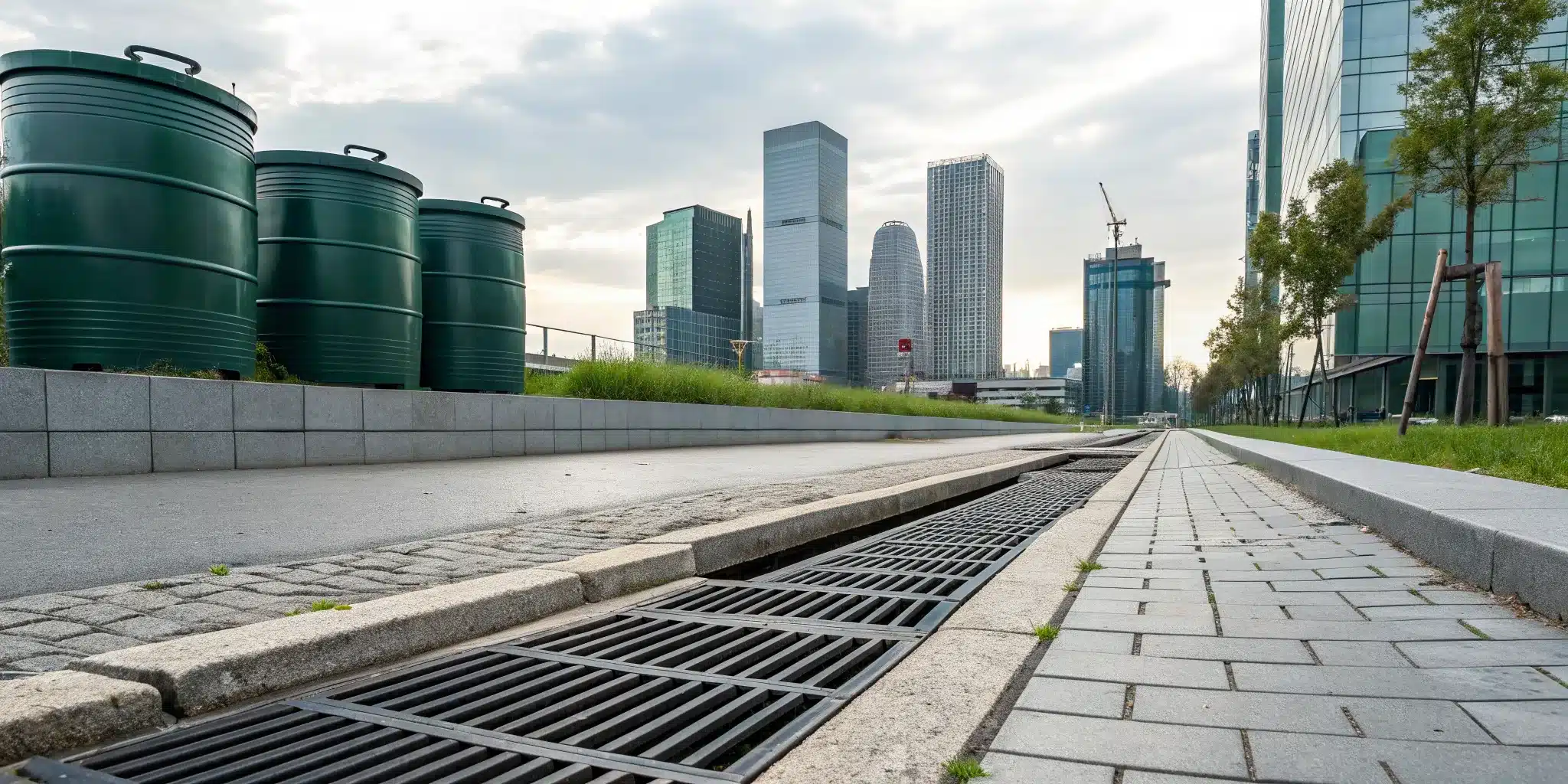
Nothing stops a construction project faster than a stop-work order. For developers and contractors in Florida, one of the biggest risks comes from improper environmental compliance. Failing to secure the correct stormwater permit can lead to exactly that, along with hefty fines and legal trouble that derail your timeline and budget. Think of this permit as an insurance policy for your project. It’s your official approval for managing runoff, proving you won’t harm local water quality. Protecting your investment starts with getting this right. This guide explains the entire process, helping you avoid common pitfalls and keep your project legally sound.
Key Takeaways
- Secure Your Permit to Protect Your Project: A stormwater permit is a legal requirement for most Florida construction and development. Getting one is essential for protecting the environment, avoiding expensive fines, and preventing stop-work orders that can derail your timeline.
- Develop a Thorough Stormwater Plan: Your application’s success hinges on a detailed Stormwater Pollution Prevention Plan (SWPPP). This site-specific document must identify potential pollution sources and outline the exact control measures you will use to manage them effectively.
- Treat Compliance as an Ongoing Process: Receiving your permit isn’t the final step. You are responsible for continuous compliance, which includes regular site inspections, consistent maintenance of your control systems, and meticulous record-keeping throughout your project.
What Is a Stormwater Permit and Why Do You Need One?
If you’re planning any kind of construction or land development in Florida, you’ve likely got a long checklist of tasks. One item that should be at the very top is securing a stormwater permit. So, what exactly is it? In simple terms, a stormwater permit is an official approval of your plan to manage rainwater and runoff from your property during and after construction. It’s about controlling where the water goes and ensuring it’s clean before it re-enters Florida’s water systems.
This isn’t just about dealing with our state’s famous afternoon downpours. It’s a critical process for protecting our delicate ecosystems, preventing flooding in our communities, and keeping your project legally sound. The permit is a key part of the state’s broader Environmental Resource Permitting (ERP) program, a framework designed to safeguard our water resources. By obtaining a stormwater permit, you’re demonstrating that you have a solid, approved strategy to control erosion, manage potential pollutants like oil or debris, and ensure that water leaving your site won’t harm the environment. Think of it as your project’s good-neighbor policy. Let’s break down the three main reasons why this permit is absolutely essential.
Your Role in Protecting Florida’s Environment
Florida’s natural beauty, from the Everglades to our stunning coastlines, depends on clean water. Unmanaged stormwater runoff from construction sites can carry sediment, chemicals, and debris directly into these sensitive habitats. That’s where the permit comes in. According to the Southwest Florida Water Management District, an Environmental Resource Permit (ERP) is required before starting any work that could affect wetlands, change surface water flows, or add to water pollution. Think of your permit as a commitment to being a responsible builder. It ensures your project doesn’t harm the very environment that makes Florida such a special place to live and work.
How Permits Help Maintain Clean Water
Beyond protecting wildlife, stormwater management is crucial for our communities. When you develop a piece of land, you change how water flows across it. Without a proper plan, heavy rainfall can lead to localized flooding and overwhelm public drainage systems. The Environmental Resource Permitting process is Florida’s way of making sure every project helps protect our water resources and reduce flood risks. Your permit application will outline how you’ll use things like retention ponds or permeable pavements to slow down and filter rainwater. This keeps pollutants out of our drinking water sources and helps prevent costly water damage to surrounding properties.
The Technical Purpose: Setting Limits and Requiring Monitoring
From a technical standpoint, a stormwater permit is more than just permission to build; it’s a regulatory tool that sets specific limits on the pollutants your site can release. This is a core component of the federal Clean Water Act, which requires construction projects to control runoff. The permit defines exactly what types and amounts of pollutants, like sediment or construction debris, are acceptable. To ensure you’re meeting these standards, the permit also establishes requirements for monitoring and reporting. This framework isn’t meant to be a roadblock. Instead, it creates a clear, enforceable standard that protects Florida’s water quality while allowing development to proceed responsibly.
The key to meeting these requirements is your Stormwater Pollution Prevention Plan (SWPPP). This isn’t a generic document; it’s a site-specific plan that you must develop before your permit is approved. The SWPPP acts as your project’s operational playbook for environmental compliance. It must identify all potential sources of pollution on your site and detail the specific control measures, or Best Management Practices (BMPs), you will use to manage them. This could include everything from installing silt fences and protecting storm drain inlets to establishing a stabilized entrance to prevent tracking mud onto public roads. A thorough and well-executed SWPPP is the foundation of a successful permit application.
Receiving your permit is the starting line, not the finish. Compliance is an ongoing responsibility that lasts for the entire duration of your project. Your permit will require you to conduct regular site inspections, especially after rain events, to ensure your control measures are working correctly. You’ll also need to maintain meticulous records of these inspections, any maintenance performed, and any issues that arise. Managing this continuous oversight is critical for avoiding stop-work orders or fines. That’s why many developers and contractors rely on experts to manage the end-to-end service, ensuring that every requirement is met from the initial application to the final project closeout.
Staying on the Right Side of the Law
Finally, let’s talk about the bottom line. A stormwater permit isn’t optional; it’s a legal requirement. Moving forward without one can bring your project to a screeching halt. As legal experts point out, failing to get a permit or follow its rules can lead to serious consequences, including hefty fines, legal action, and project shutdowns. These penalties can quickly derail your timeline and budget. Securing the right permit compliance from the start is the smartest way to protect your investment, avoid unnecessary delays, and ensure your project moves forward smoothly and successfully.
Do You Need a Stormwater Permit?
Figuring out if you need a stormwater permit can feel a bit confusing, but it generally comes down to the type and scale of your project. In Florida, the rules are in place to protect our beautiful waterways from runoff pollution. While you might think these permits are only for huge commercial developments, they often apply to smaller projects, too. If your work involves construction, industrial activities, or connects to a municipal water system, there’s a good chance you’ll need to secure a permit.
The Florida Department of Environmental Protection (FDEP) and local water management districts oversee these regulations. They look at factors like how much land you’re disturbing and what kind of materials or pollutants might be exposed to rain. It’s not just about following rules; it’s about being a good steward of Florida’s natural resources. Failing to get the right permit can lead to stop-work orders, hefty fines, and project delays that throw your entire timeline off track. Understanding which category your project falls into is the first step toward a smooth and compliant process. Let’s break down the main groups that typically require a stormwater permit so you can see exactly where you stand.
Permits for Construction and Land Development
If you’re a contractor, developer, or even a homeowner planning a significant project, this category is for you. Generally, you will need a stormwater permit for any construction activity that disturbs one acre or more of land. This includes clearing, grading, and excavation. Even if your project is smaller than an acre but is part of a larger common plan of development (like a new subdivision), you’ll still need coverage. The goal is to prevent soil, debris, and construction chemicals from washing into nearby storm drains and water bodies. The EPA’s Construction General Permit guidelines specify that operators of these sites must have a permit to manage stormwater discharges.
Understanding the One-Acre Threshold
The one-acre rule is the most common benchmark for determining if you need a stormwater permit. If your project involves disturbing one acre or more of land through activities like clearing, grading, or excavation, you are required to get one. It’s a straightforward measure, but there’s a key detail to remember: the “larger common plan of development.” This means that even if your specific lot is only half an acre, if it’s part of a larger subdivision or commercial development, your project falls under the same requirement. The state looks at the total impact of the entire development, not just individual parcels. This rule ensures that large-scale projects are managed cohesively to protect regional water quality from the cumulative effects of construction activities.
When Smaller Projects Might Need a Permit
Don’t assume you’re in the clear just because your project is under an acre. Certain activities automatically trigger the need for a permit, regardless of size. For instance, if your project connects to a municipal separate storm sewer system (MS4), you will likely need a permit. This is because your runoff directly enters a public system, and regulators need to ensure it’s free of pollutants. The same applies to many industrial activities that have the potential to expose chemicals or other materials to rainwater. The core question is always about potential impact. If your work could introduce pollutants into Florida’s water systems, it’s always best to verify the specific stormwater program requirements with your local authorities to avoid compliance issues down the road.
Specific Pollutants from Construction Runoff
So, what exactly are these permits trying to prevent? Unmanaged runoff from a construction site is more than just muddy water. It often carries a mix of harmful pollutants that can damage Florida’s delicate ecosystems. The most common culprit is sediment—loose soil that clouds waterways, smothers aquatic habitats, and clogs drainage systems. Beyond dirt, runoff can also contain chemicals like fuels, oils, solvents, and fertilizers used on-site. Debris such as wood scraps, concrete dust, and plastics can also be washed away. A properly executed Stormwater Pollution Prevention Plan (SWPPP) is designed to contain these pollutants, ensuring they don’t end up in our lakes, rivers, and coastal waters.
What Industrial Facilities Need to Know
This category applies to a wide range of businesses, from manufacturing plants and recycling centers to transportation facilities and scrapyards. If your facility has materials or activities exposed to stormwater, you likely need a permit. Think about outdoor storage areas, loading docks, and equipment maintenance zones. Runoff from these areas can carry pollutants like oil, grease, and heavy metals directly into the water supply. A key part of compliance involves creating and following a stormwater management program. A successful industrial stormwater program includes regular inspections, monitoring, and thorough recordkeeping to ensure you’re meeting all regulatory requirements and protecting the environment.
Areas Covered by Industrial Permits
Industrial permits are required for any part of your facility where industrial activities are exposed to the elements. Think about all the places where rain could wash pollutants into the drainage system. This includes obvious spots like manufacturing buildings, material handling and storage sites, and shipping and receiving docks. It also covers the less obvious areas, such as your equipment maintenance zones, waste disposal sites, and even the roads or rail lines used to move materials around your property. The EPA’s guidance on industrial stormwater clarifies that even areas with past industrial activity need coverage if residual materials are still exposed. Essentially, if it’s part of your industrial operation and rain can hit it, it needs to be included in your permit plan.
Areas Not Covered by Industrial Permits
Not every square foot of your industrial property automatically falls under the permit requirements. Areas that are separate from your core industrial operations, like administrative office buildings and their dedicated parking lots, are typically exempt. However, there’s a critical condition: the runoff from these “clean” areas cannot mix with the runoff from your industrial zones. For example, if the rainwater from your office roof drains into the same system that collects runoff from your equipment storage yard, the exemption no longer applies. The key is to maintain a complete separation. The FDEP offers a No Exposure Certification for facilities that can prove all industrial materials and activities are protected from stormwater, which is another path to exemption.
Permitting for Municipal Stormwater Systems (MS4s)
Municipal Separate Storm Sewer Systems, often called MS4s, are public systems of conveyances like roads with drainage systems, ditches, and storm drains. These systems are designed to collect or move stormwater and are owned by a state, city, or other public entity. If your project involves discharging stormwater into one of these systems, you’ll need to comply with their specific permit requirements. In Florida, the Environmental Resource Permitting (ERP) program regulates most activities that alter the land’s surface, ensuring that new developments don’t negatively impact the state’s water resources. This is especially important for developers creating new residential or commercial areas that will connect to public infrastructure.
Stormwater Information for Homeowners
While large-scale construction projects have a major role to play in stormwater management, individual homeowners are a huge part of the solution, too. You don’t need a massive budget or a construction crew to make a real difference. Your yard, driveway, and roof are all part of Florida’s larger water system. By making a few smart choices on your property, you can help reduce local flooding, keep our community’s water clean, and create a healthier environment for everyone. It’s about working with Florida’s weather, not against it. Thinking about how water moves across your property is the first step toward managing it effectively and protecting your home and neighborhood from the effects of heavy rainfall.
What Is Stormwater Runoff?
So, what exactly is stormwater runoff? It’s simply the water from rain that flows over surfaces like your roof, driveway, or lawn instead of soaking into the ground. When a storm hits, this water picks up whatever is in its path—litter, fertilizer from your garden, oil from your driveway, and other pollutants. This polluted runoff then travels into storm drains, which often lead directly into our local lakes, rivers, and coastal waters without any treatment. As explained by environmental experts, this process can cause two big problems: it contributes to flooding when drainage systems are overwhelmed, and it pollutes the natural waterways that make Florida so beautiful.
How You Can Help Manage Stormwater at Home
The good news is that you have the power to manage stormwater right where it falls—on your own property. The goal is to slow the flow of water and give it a chance to soak into the ground naturally. This process, called infiltration, helps filter out pollutants and recharges our groundwater supply. According to the Virginia Cooperative Extension, homeowners can use several effective practices to manage runoff at its source. Simple solutions like installing rain barrels, using permeable pavement for walkways, or planting a rain garden can prevent large volumes of polluted water from ever reaching the storm drain. These small changes collectively make a massive impact on the health of our local water bodies.
Using Rain Barrels and Permeable Pavement
Two of the most practical ways to manage runoff are by using rain barrels and permeable pavement. A rain barrel is a simple container that connects to your downspout to collect rainwater from your roof. Instead of letting that water rush into the street, you can store it and use it later to water your plants—a great way to save money on your water bill while protecting the environment. Permeable pavements are another fantastic option for driveways, patios, and walkways. These surfaces are designed with special materials that allow rainwater to pass through them and seep into the ground below, which helps reduce runoff and filter out pollutants naturally.
Creating Rain Gardens and Grass Swales
If you enjoy gardening, creating a rain garden is a beautiful and effective way to manage stormwater. A rain garden is a shallow, depressed area planted with native flowers and grasses that are great at absorbing water. You can direct a downspout or runoff from your driveway into the garden, where the water will pool and slowly soak into the soil. This not only prevents runoff but also creates a lovely habitat for pollinators. Similarly, a grass swale is a shallow, vegetated channel designed to slow down stormwater and encourage infiltration. It’s a more natural and attractive alternative to a concrete ditch and works wonderfully to guide water away from your home while cleaning it in the process.
Finding the Right Type of Stormwater Permit
When it comes to stormwater, there isn’t a one-size-fits-all permit. The type you need depends on your project’s size, location, and potential environmental impact. Getting this right from the start is key to keeping your project on track. Let’s break down the main categories you’ll encounter in Florida so you can feel confident about which path to take.
General vs. Individual Permits: What’s the Difference?
Think of a general permit as a standardized template for common, low-risk activities. It covers a category of similar projects under a single permit, making the application process faster and more straightforward for qualifying sites. An individual permit, on the other hand, is custom-tailored for a specific project with unique or more complex environmental considerations. While a general permit might seem like the easier option, it’s important to know that even these can come with regulatory challenges that can complicate compliance if you’re not prepared.
Breaking Down the NPDES Permit Categories
The National Pollutant Discharge Elimination System (NPDES) is a federal program that regulates water pollution sources. If your project involves construction, you’ll likely need an NPDES permit. The most common type is the Construction General Permit (CGP), which is required for any activity that disturbs one or more acres of land. This includes clearing, grading, and excavation. The goal of the CGP is to ensure you have a plan in place to control sediment and other pollutants from leaving your site and entering nearby waterways.
What Is Florida’s Environmental Resource Permit (ERP)?
Here in Florida, the Environmental Resource Permit (ERP) is a big one. This state-level permit is required for most activities that alter land elevation, drainage patterns, or surface water systems. An ERP confirms that your project meets Florida’s strict standards for stormwater management, flood protection, and wetland preservation. Before you can begin any construction that might affect wetlands or change how water flows across your property, you’ll need to secure one. Handling these state-specific requirements is a core part of our permit expediting services, ensuring your project is fully compliant.
Understanding the Costs of a Stormwater Permit
Talking about project budgets is never the most exciting part, but it’s one of the most important. When it comes to stormwater permits, the costs can feel a bit like a moving target. It’s not just a single line item on your expense sheet. The total investment includes the initial application fees, which can vary wildly, plus a number of other expenses that might not be obvious at first glance. Understanding the full financial picture from the beginning helps you plan effectively and prevents sticker shock down the road. Let’s walk through the different costs you can expect, from the upfront fees to the ongoing expenses required to keep your project compliant.
Permit Application Fees
The first cost you’ll encounter is the permit application fee itself, and this is where the numbers can really differ. Depending on your project’s scope and location, a stormwater permit can cost anywhere from a few hundred dollars to over $20,000. This wide range exists because every project is unique. A simple residential build on a small lot will have a much lower fee than a large commercial development with complex drainage needs. The specific agency you’re working with—whether it’s a local water management district or the FDEP—will also have its own fee schedule. It’s best to think of this fee as a starting point rather than the total cost.
General vs. Individual Permit Costs
The type of permit you need will be a major factor in your application cost. General permits, which cover common, low-impact activities, are typically the more affordable option, usually running between $100 and $2,500. They are designed to be a streamlined solution for straightforward projects. On the other hand, individual permits are created for projects with unique or significant environmental considerations. Because they are custom-tailored, they require a more intensive review process and come with higher fees, often starting at a few hundred dollars and going up to $5,000 or more. The choice isn’t just about price; it’s about matching the permit to your project’s specific needs to ensure full compliance.
“Hidden” Costs to Consider
The application fee is just the beginning. To create an accurate budget, you need to account for the other costs that come with maintaining a stormwater permit. These often include annual renewal fees to keep your permit active throughout the project’s life. You also need to factor in the cost of implementing your stormwater management plan. This could mean building retention ponds, installing silt fences, or planting vegetation—all of which have material and labor costs. Additionally, many permits require regular stormwater testing to prove your control measures are working, which adds another recurring expense to your budget.
Expenses for Training, Lab Testing, and Implementation
Beyond physical infrastructure, ongoing compliance has its own set of costs. Your team may need training to properly maintain the stormwater systems and keep accurate records. You’ll also have to pay for laboratory analysis of any required water samples. For many contractors and developers, the most significant expense can be hiring an expert to manage the process. The cost for a consultant depends on how much support you need—it could be a simple review of your plan or full-service management of your compliance tasks. Getting expert guidance can prevent costly mistakes and delays. If you’d like to see how we can help you manage these complexities, you can always request a proposal to get a clearer picture of the investment.
Your Stormwater Permit Application Checklist
Getting your stormwater permit application ready involves more than just filling out a few forms. It’s about putting together a comprehensive package that clearly shows you have a solid plan for managing stormwater. Think of it as telling the full story of your project’s environmental strategy. You’ll need to gather a few key documents that work together to demonstrate compliance and responsible planning. Here’s a look at the essential paperwork you’ll need to prepare.
How to File Your Notice of Intent (NOI)
Think of the Notice of Intent (NOI) as your project’s official announcement to the regulatory agency. It’s a formal declaration that you intend to start a project that will disturb land and require coverage under a stormwater permit. If your project disturbs one or more acres, you’ll need to file an NOI. This document gives authorities, like the Florida Department of Environmental Protection (FDEP), basic information about your project’s location, scope, and timeline. Filing the NOI is the first official step in the permitting process, as outlined in the EPA’s Construction General Permit (CGP) guidelines.
Developing Your Stormwater Pollution Prevention Plan (SWPPP)
If the NOI is the announcement, the Stormwater Pollution Prevention Plan (SWPPP) is the detailed game plan. This is the most critical part of your application. The SWPPP is a site-specific document that identifies potential sources of stormwater pollution on your site and describes the practices you’ll use to control them. It outlines which Best Management Practices (BMPs) you’ll implement, from silt fences to sediment basins, and includes schedules for inspection and maintenance. When you’re required to get a stormwater discharge permit, you must also develop a SWPPP. It’s your roadmap for protecting Florida’s waterways.
What Site Assessments and Reports Do You Need?
Your SWPPP can’t be based on guesswork; it needs to be supported by solid data. This is where site assessments and technical reports come in. A strong SWPPP always starts with a thorough site assessment, which includes details about the area’s topography, soil types, and drainage patterns. You may need to provide hydrological studies or geotechnical reports that identify sensitive areas. These documents provide the technical justification for the strategies in your SWPPP and establish the framework for ongoing compliance, including inspections and monitoring. Our team can help you manage all the necessary permit services to ensure your application is complete and accurate.
How Do You Apply for a Stormwater Permit in Florida?
Once you have all your documents in order, you’re ready to move forward with the application. The process can feel a bit intimidating, but breaking it down into clear steps makes it much more manageable. It’s all about submitting a complete package, understanding the review timeline, and communicating effectively with the agencies involved. Let’s walk through what you can expect.
The Application Process, Step by Step
Your first step is to submit an application through Florida’s Environmental Resource Permitting (ERP) program. This program is the state’s way of regulating any activity that alters the land’s surface, from major construction to smaller projects. The goal is to ensure your project’s stormwater management system is properly designed and won’t negatively impact the environment. Having all your paperwork, like your SWPPP and site plans, prepared ahead of time is key. A complete and accurate application is your best bet for a smooth process, preventing unnecessary questions or delays from the get-go.
How Long Does It Take? Timelines and Reviews Explained
After you submit your application, it enters a review phase. Officials will carefully examine your plans to make sure your project meets all environmental standards and won’t harm Florida’s water resources. The timeline for this review can vary depending on your project’s complexity and the agency’s current workload. For some smaller projects, like certain single-family docks, a self-certification process might be available to speed things up. For most projects, however, you should plan for a thorough review. This is the agency’s opportunity to provide feedback and ensure your project is compliant before you break ground.
Tips for Working with Regulatory Agencies
Think of the regulatory agencies as partners in your project. Their role is to help you create a compliant, sustainable design that protects Florida’s delicate ecosystems. Open communication is crucial. You’ll need to be prepared to discuss site-specific details and demonstrate how your chosen Best Management Practices (BMPs) will be effective. This collaborative approach helps address potential issues early on. If navigating these conversations feels overwhelming, remember that you don’t have to do it alone. Our team has experience working with these agencies and can manage the entire permitting process for you.
Leveraging Official Guidance and Resources
The good news is that you don’t have to guess what regulators are looking for. The Florida Department of Environmental Protection (FDEP) and your local water management districts offer a wealth of information directly on their websites. These official sources are your best bet for finding the most current application forms, detailed guidelines, and answers to frequently asked questions. Take the time to review the requirements for the state’s Environmental Resource Permit (ERP) program and the federal standards for the National Pollutant Discharge Elimination System (NPDES). Using these official resources will help you build a complete and accurate application package, ensuring your Stormwater Pollution Prevention Plan (SWPPP) is based on the right criteria from the very beginning.
Common Permit Hurdles (And How to Clear Them)
Applying for a stormwater permit can feel like a major project in itself. Even when you have everything planned out, a few common hurdles can slow you down. The biggest challenges usually come down to understanding the dense legal language, dealing with the unique characteristics of your property, and picking the right strategies to manage stormwater. Getting any of these wrong can lead to frustrating delays and unexpected costs. Knowing what to look out for is the first step in creating a smooth, successful application process with our expert permit services.
Making Sense of Complex Regulations
Florida’s stormwater regulations are designed to protect our natural resources, but they aren’t always easy to read. The legal jargon and technical requirements can be overwhelming, and a simple misinterpretation can get your application sent back for corrections. These complex regulatory requirements can create significant challenges for applicants, especially when rules vary between state, county, and local municipalities. It’s not just about filling out a form; it’s about proving you fully understand and can meet every single legal obligation for your specific project. This is where many people get stuck, spending valuable time trying to decipher rules instead of moving forward.
How to Address Site-Specific Challenges
No two pieces of land are exactly alike, which means a one-size-fits-all approach to stormwater permitting rarely works. Your property’s unique features, like its soil composition, slope, existing vegetation, and proximity to wetlands or water bodies, all play a huge role in your application. Addressing these site-specific issues is critical for getting your permit approved. A generic plan that ignores your site’s specific challenges and opportunities is a red flag for reviewers. You need a customized strategy that shows you’ve carefully considered your property’s environment and have a realistic plan to manage stormwater effectively.
Choosing the Right Best Management Practices (BMPs)
Best Management Practices, or BMPs, are the specific methods you’ll use to control pollution and manage stormwater runoff. Think of them as your action plan. The challenge is selecting the most effective and compliant BMPs for your project. Your Stormwater Pollution Prevention Plan (SWPPP) needs to include a mix of strategies, from operational controls like regular sweeping to structural ones like retention ponds or permeable pavement. Choosing inappropriate or insufficient Best Management Practices can lead to a rejected permit or, worse, fines for non-compliance down the road. It all starts with a thorough site assessment to ensure the BMPs you select are the right fit.
Maintaining Compliance After Your Permit Is Approved
Getting your stormwater permit is a huge milestone, but it’s not the finish line. Think of it as the starting point for your ongoing commitment to protecting Florida’s water resources. Staying compliant means actively managing your site’s stormwater runoff throughout your project’s lifecycle. This involves a continuous cycle of monitoring your site, inspecting your control measures, and keeping detailed records. It might sound like a lot, but breaking it down into manageable steps makes it much easier. Fulfilling these responsibilities not only keeps you on the right side of the law but also protects your project from costly delays and fines, ensuring a smooth path to completion.
Your Guide to Monitoring and Reporting
Your Stormwater Pollution Prevention Plan (SWPPP) is your roadmap for compliance. It outlines exactly how you’ll manage stormwater on your site. To make sure you’re following that map, you need a solid monitoring program. This typically includes regular inspections, water quality monitoring, detailed recordkeeping, and periodic reporting to the proper agencies. When you consistently monitor for stormwater discharge, you can spot potential issues early and adjust your strategy before they turn into violations. This proactive approach keeps your project running smoothly and demonstrates your commitment to environmental protection.
How to Handle Inspections and Maintenance
Your SWPPP identifies the specific Best Management Practices (BMPs) you’ll use, like silt fences, sediment basins, or vegetative buffers. Regular inspections are essential to confirm these BMPs are installed correctly and functioning as intended. A thorough site assessment is the foundation of a good plan, but things can change once work begins. Weather, construction activity, and other factors can impact your BMPs. That’s why scheduling routine maintenance is just as important as the initial installation. A torn silt fence or a clogged drain won’t do much good, so consistent upkeep is key to effective stormwater management.
The Importance of Record-Keeping and Team Training
In the world of permits, if it isn’t documented, it didn’t happen. Meticulous record-keeping is non-negotiable. You’ll need to log all your inspection findings, maintenance activities, monitoring results, and any training sessions. Your SWPPP should also identify a dedicated pollution prevention team, with specific individuals named and their responsibilities clearly defined. It’s crucial that everyone on your team, from project managers to on-the-ground crew, understands their role in the plan. Regular training ensures everyone knows how to implement and maintain BMPs correctly, helping to create a culture of compliance on your job site.
What Happens If You’re Not Compliant?
Failing to follow the terms of your stormwater permit can lead to serious problems. The consequences aren’t just a slap on the wrist; they can include steep fines, stop-work orders that halt your entire project, and even legal action. Beyond the immediate financial hit, non-compliance can damage your company’s reputation, making it harder to secure future projects. Simple permit issues can quickly spiral into complex regulatory challenges that drain your time and resources. Staying on top of your compliance responsibilities is the best way to avoid these headaches. If you’re facing challenges, our team offers end-to-end service to help you stay compliant.
When to Call an Expert for Your Stormwater Permit
Trying to manage a stormwater permit application on top of your project’s daily demands can feel like a full-time job. The rules are dense, the paperwork is extensive, and a single mistake can set your timeline back by weeks or even months. This is where a permit expert comes in. Working with a specialist isn’t just about offloading tasks; it’s about bringing a strategic partner onto your team who knows the system inside and out. They handle the administrative burden so you can focus on what you do best: managing your project.
An experienced permit expediter acts as your representative, communicating with regulatory agencies and ensuring every detail is correct before submission. This proactive approach helps you avoid common errors, speed up review times, and keep your project on track and on budget.
Get Expert Guidance on Complex Rules
Florida’s stormwater regulations can be difficult to understand, filled with technical terms and specific requirements that vary by location. A permit expert provides invaluable guidance on these compliance challenges, helping you understand exactly what’s needed for your application. They translate the legal jargon into clear, actionable steps. By leaning on their expertise, you can sidestep common mistakes that lead to rejections and delays. They know what local and state agencies are looking for and can help you prepare a thorough, accurate application from the start. This expert insight is key to a smooth and successful permitting process.
How an Expert Helps You Avoid Delays
In construction and development, time is money. Delays caused by a stalled permit application can have a serious impact on your budget and client relationships. A permit expert helps you implement best practices in your application to meet all regulatory standards, which can significantly shorten the time it takes to get your permit. They know how to prepare and present your documents to streamline the review process. By ensuring your application is complete and correct the first time, they help you get the green light faster and prevent your project from getting stuck in bureaucratic limbo.
Get Comprehensive Support for Your Application
The permitting process doesn’t end once your application is submitted. A true permit expert offers comprehensive end-to-end service, guiding you through every stage. This includes managing the initial application, responding to agency questions, and helping you stay on top of ongoing compliance duties. Essential tasks like inspections, monitoring, and recordkeeping are crucial for maintaining your permit’s good standing. Having an expert on your side ensures you are prepared for every requirement, giving you peace of mind that your project remains compliant long after the initial approval. When you’re ready for that level of support, you can request a proposal to get started.
Related Articles
- Why Hire an Environmental Permit Consultant in Florida?
- Florida Construction Permitting: A Step-by-Step Guide
- How to Get a Building Permit Faster in Florida (Guide)
Frequently Asked Questions
Do I need a stormwater permit for a smaller residential project? It’s a common question, and the answer depends on the total amount of land you’ll be disturbing. Generally, if your project, like building a new home or adding a large extension, disturbs one acre or more of land, you will need a permit. Even if your individual lot is smaller than an acre, you might still need one if it’s part of a larger development, such as a new subdivision. It’s always best to check local requirements, as the goal is to manage the collective impact of construction on Florida’s water systems.
What’s the most important document in my application package? While every document is important, the Stormwater Pollution Prevention Plan (SWPPP) is the heart of your application. Think of it as the detailed playbook for your project. It doesn’t just list rules; it outlines your specific strategy for controlling erosion and preventing pollution on your unique site. A strong, well-researched SWPPP shows regulators that you have a clear and effective plan, which can make the entire review process much smoother.
How long should I expect the permit approval process to take? The timeline can vary quite a bit. It really depends on the complexity of your project and the current workload of the reviewing agency. A simple project with a perfectly prepared application might move through the system relatively quickly. However, a more complex development with unique site challenges will naturally require a more in-depth review. The best way to keep things moving is to submit a complete and accurate application from the very beginning, which minimizes the chance of back-and-forth questions from the agency.
What happens after my permit is approved? Am I done? Receiving your permit is a major step, but it’s the beginning of your compliance responsibilities, not the end. The permit is your license to proceed under the conditions you outlined in your SWPPP. This means you are responsible for actively implementing your plan, which includes performing regular site inspections, maintaining your control measures like silt fences, and keeping detailed records of all your efforts. Consistent management is key to staying compliant throughout your project.
Can I handle the permit application myself, or should I hire an expert? You can certainly manage the application process on your own, especially if you have experience with environmental regulations. However, the rules can be complex and time-consuming to learn. Working with a permit expert helps you avoid common pitfalls that can lead to delays or rejections. An expert handles the paperwork and agency communications, which frees you up to focus on your project’s other demands and gives you confidence that your application is accurate and complete.