

The evolution of gambling a historical perspective
Ancient Beginnings of Gambling
The origins of gambling can be traced back to ancient civilizations, where games of chance were integral to social and religious practices. The earliest recorded evidence of gambling dates back to 3000 BC in China, where dice were crafted from animal bones and used for divination and betting on outcomes. Similarly, the Egyptians engaged in betting activities, as seen in artifacts that suggest games involving luck and skill. These early forms of gambling laid the groundwork for the intricate systems we see today. In contemporary times, options like Richy Farmer Casino reflect how gambling has evolved to cater to diverse audiences.

As societies evolved, so did the methods and purposes of gambling. The Greeks and Romans incorporated betting into their entertainment, particularly during athletic competitions. They created a variety of games that involved not only chance but also strategy and skill. The Romans famously used betting in their gladiatorial games, where spectators placed wagers on the outcomes. This blend of gaming and social interaction helped shape the cultural attitudes towards gambling, making it a popular pastime across various regions.
In many ancient cultures, gambling was viewed not just as entertainment but as a means of divination. For example, the ancient Romans believed that casting lots could determine the favor of the gods, while in India, games of chance were often associated with religious rituals. These early beliefs and practices reflected the multifaceted role of gambling in human society, intertwining fate, religion, and social engagement. Understanding this historical perspective highlights how gambling has evolved from simple games to complex, culturally embedded practices.
The Middle Ages and Gambling Regulation
During the Middle Ages, gambling saw both growth and regulation, as various European monarchs began to recognize its societal implications. The Church played a significant role in shaping public opinion about gambling, often viewing it as a vice that led to moral decay. This led to numerous attempts to ban or regulate gambling activities across the continent, especially in England and France. Despite these restrictions, gambling persisted, evolving into organized forms that laid the foundation for modern gaming.
The rise of card games in the 14th century marked a significant turning point in the history of gambling. These games became immensely popular among the nobility, leading to the establishment of social clubs where members could gather to play. The emergence of printed playing cards around this time made these games more accessible to the public, contributing to a burgeoning gambling culture. This period also saw the introduction of betting on non-gaming events, such as politics and sports, further diversifying gambling practices.
In response to growing popularity, governments began to recognize the potential tax revenue from gambling. By the end of the Middle Ages, some areas had established regulated betting houses, offering a legal alternative to underground gambling. This transition marked a pivotal moment in the evolution of gambling, as it began to shift from an illicit activity to a recognized form of entertainment that contributed to the economy. The seeds sown during this era would blossom in the subsequent centuries as gambling became more mainstream.
The Emergence of Modern Gambling Institutions
The 17th and 18th centuries heralded the establishment of formal gambling institutions, particularly in Europe. The creation of the first official lottery in Italy in the 16th century and the subsequent development of public lotteries across Europe showcased a new form of state-sanctioned gambling. These lotteries not only funded public projects but also provided a regulated environment for betting, fostering a sense of trust among players. This period marked the transition of gambling into a business model, paving the way for modern casinos.
The 19th century witnessed the birth of the casino as we know it today, with establishments opening in cities like Monte Carlo and Baden-Baden. These casinos were designed not only for gambling but also as social hubs where people could gather, dine, and enjoy entertainment. The allure of luxury and glamour associated with these venues transformed gambling into an elite pastime, attracting a diverse clientele. This era solidified the link between gambling and social status, further embedding it within regional cultures.
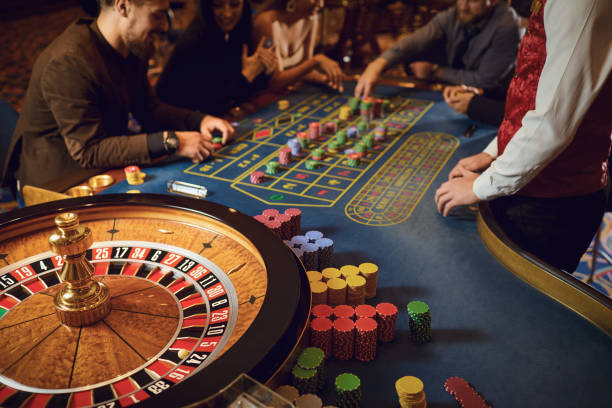
Additionally, the 19th century was instrumental in developing gaming laws that shaped the gambling landscape. The establishment of regulations aimed at curbing cheating and fraud helped enhance the integrity of gambling institutions. This period also saw the introduction of popular games such as roulette and baccarat, which are still favorites in casinos today. The evolution of gaming regulations and the rise of formal gambling establishments marked a significant step toward the modern era of gambling, characterized by its widespread acceptance and intricate systems.
The Digital Revolution and Online Gambling
The late 20th century brought about a significant transformation in the gambling landscape with the advent of the internet. The emergence of online gambling platforms in the 1990s revolutionized the way people engaged with games of chance. Initially, the legality of online gambling was murky, leading to a proliferation of sites operating outside traditional regulations. However, as technology advanced and user demand increased, countries began to develop comprehensive regulations to govern this new industry.
The appeal of online casinos lies in their accessibility and variety, offering players a broad range of games from the comfort of their homes. The rise of mobile technology further enhanced this experience, enabling players to gamble anytime and anywhere. Online platforms also introduced innovative features such as live dealer games and interactive slots, enhancing player engagement and creating a social atmosphere akin to physical casinos. This shift has democratized gambling, allowing people from various backgrounds to participate in a shared experience.
Moreover, the online gambling industry has faced challenges, including concerns about responsible gaming and fraud. Operators have implemented various measures to promote safe gambling practices, including self-exclusion programs and customer support. As legislation continues to evolve, the online gambling sector is expected to grow, reflecting ongoing technological advancements and changing societal attitudes. This digital transformation represents a crucial chapter in the historical narrative of gambling, illustrating how it adapts to the modern world.
Richy Farmer Casino: A Modern Take on Gambling
Richy Farmer Casino embodies the contemporary evolution of gambling by offering a user-friendly online platform tailored for UK players. With a rich selection of over 1,000 games, including slots, table games, and live casino options, it caters to a diverse audience seeking entertainment. This variety reflects the broader trends in the gambling industry, where customization and user experience are paramount.
The casino is particularly known for its attractive bonuses, such as generous welcome packages and no deposit bonuses. These incentives are designed to attract new players while providing an engaging experience for seasoned gamblers. Richy Farmer Casino’s operation outside the GamStop self-exclusion scheme allows players more freedom and flexibility, aligning with the modern ethos of accessible gambling. This approach highlights a shift towards personalized gaming experiences that accommodate individual preferences.
Richy Farmer Casino’s mobile compatibility ensures that players can enjoy their favorite games on-the-go, aligning with the increasing demand for mobile gaming. As the online gambling landscape continues to evolve, platforms like Richy Farmer Casino exemplify how traditional gaming concepts can be adapted for the digital age. By prioritizing user experience and embracing innovation, it plays a pivotal role in the ongoing history of gambling, offering a glimpse into the future of this timeless activity.