

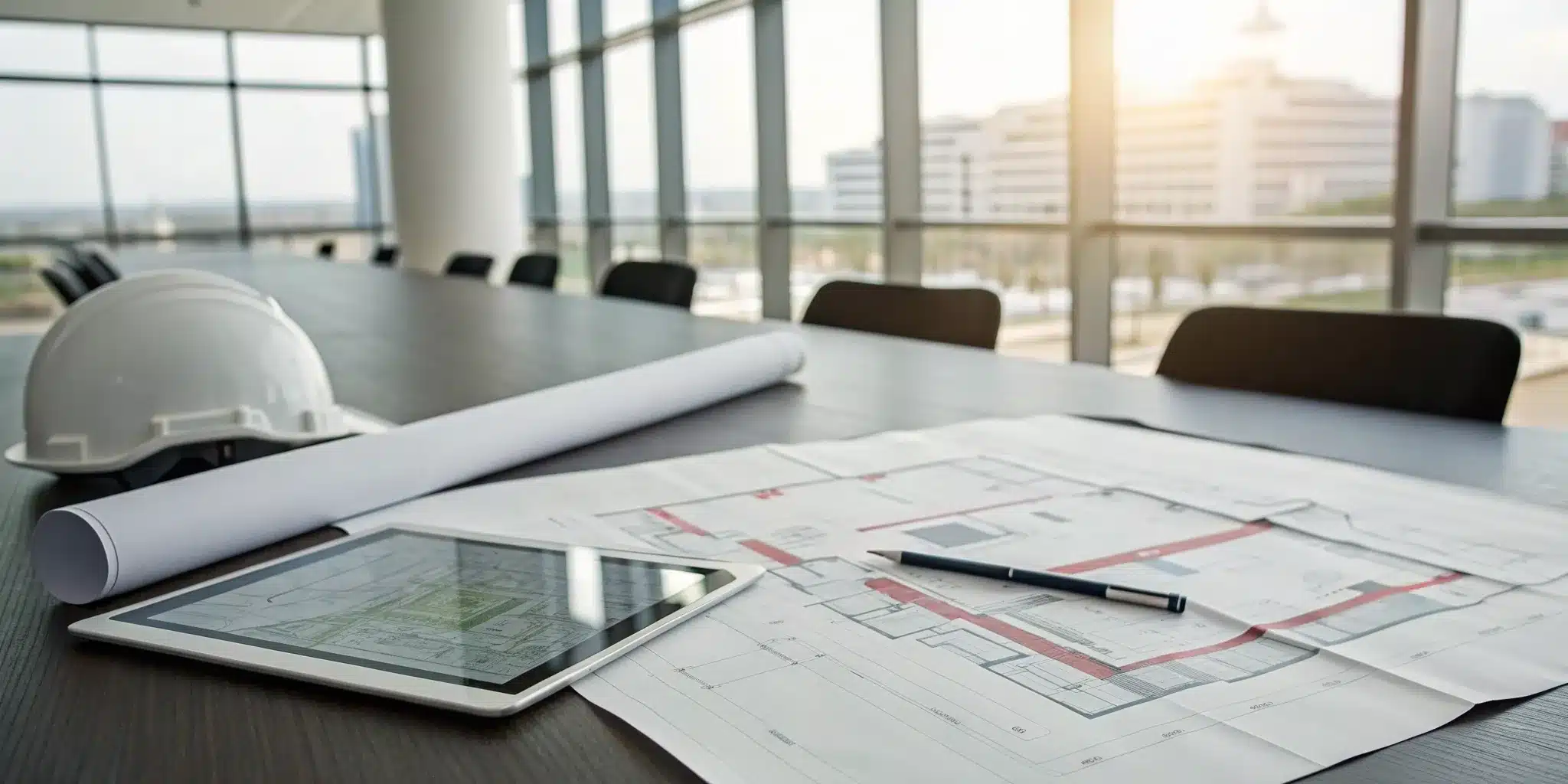
The last truck has pulled away and the construction is finally done. But what about the building’s future? Years from now, a simple renovation or a hidden plumbing issue can turn into a costly problem if you don’t know exactly what’s behind the walls. This is why you need as-built drawings. They are more than just final paperwork; they are the official owner’s manual for your property. These drawings provide a precise record of the final structure, mapping out every critical system. Having this information saves you from expensive guesswork and protects your investment for years to come.
Key Takeaways
- Treat as-builts as the final, official record: These drawings show how your project was actually built, not just how it was planned. This accurate documentation is your go-to resource for future renovations, maintenance, and legal verification.
- Document changes in real-time, not after the fact: The accuracy of your as-built drawings depends on a continuous process. Ensure your contractor and design team have a clear system for recording modifications as they occur to create a reliable final document.
- Proper as-builts are essential for permit compliance: You need accurate as-built drawings to pass final inspections and prove your project meets all building codes. This documentation is often required to secure your Certificate of Occupancy (CO) and officially close out your project.
What Are As-Built Drawings?
Think of your initial architectural plans as the script for a movie. It’s the ideal version of how everything should go. As-built drawings, on the other hand, are the final cut of the film. They show what actually happened on set. These are the revised, final blueprints created by a contractor after a project is finished. They map out exactly how the building was constructed, including every change, deviation, and on-the-fly adjustment made during the process.
No construction project follows the original plan perfectly. A pipe might need to be rerouted, a different material might be substituted, or a wall might be shifted a few inches. As-built drawings document all these modifications, creating an accurate record of the finished structure. They aren’t just messy markups on the original designs; they are clean, official documents that serve as the definitive guide to the building as it stands. This final record is incredibly valuable for anyone who will own, manage, or work on the building in the future.
Why They’re Essential for Construction Projects
The main purpose of as-built drawings is to create a precise record for the future. This documentation is essential for the long-term, safe, and efficient management of a building. When you have an accurate map of what’s behind the walls and under the floors, future work becomes much simpler. Planning a renovation, performing maintenance, or troubleshooting a problem is faster and less costly when you aren’t guessing where plumbing lines or electrical conduits are located. These drawings are a critical part of our comprehensive services because they provide the foundation for smooth future permitting and project approvals.
What Should an As-Built Drawing Include?
A useful set of as-built drawings is all about the details. They need to be accurate and thorough to be effective. Key components include the precise locations and verified dimensions of structural elements, any changes made to materials, and the final placement of all mechanical, electrical, and plumbing (MEP) systems. This also includes noting the location of hidden elements like underground utilities. Having a clear record of the finished building is crucial for any future maintenance, repairs, or renovations. To ensure your project is documented correctly, you can always request a proposal for professional guidance.
Core Components: From Site Plans to Roof Plans
A complete set of as-built drawings provides a top-to-bottom view of your property, acting as a detailed anatomical chart for your building. These documents capture everything from the overall site plan, showing the building’s position on the lot, to the specific roof plan, detailing drainage and structural elements. Inside, they map out the final layout, the structure, and key design features like the exact placement of doors and windows. They also trace the paths of crucial mechanical systems, including all the heating, ventilation, plumbing, and electrical conduits. This comprehensive record ensures that every critical component is documented for future reference, making any subsequent work far more straightforward.
Critical Details and Specifications
The real value of as-built drawings lies in their precision. To be truly useful, they must be incredibly thorough and accurate. This means going beyond general layouts to include the exact, verified dimensions of structural components and noting any changes made to materials during construction. For example, if a different grade of steel was used or a specific brand of insulation was swapped out, the as-builts must reflect that. Most importantly, they need to show the final, installed location of all mechanical, electrical, and plumbing (MEP) systems, which are often the first things you need to find during a repair or renovation.
The Complete As-Built Documentation Package
Your as-built documentation is the final, official record of your construction project. It’s not just a single drawing but a complete package of plans that illustrates how the building was actually constructed, capturing every deviation from the original design. This package is assembled at the very end of the project and is carefully reviewed before the building is handed over to the owner. It serves as the ultimate proof of what was built, which is essential for passing final inspections and securing your Certificate of Occupancy. This final step is a critical part of our permit expediting services, ensuring your project is properly closed out and fully compliant.
What Information Do As-Built Drawings Show?
Think of as-built drawings as the final, corrected version of your project’s story. While the initial blueprints lay out the plan, as-builts show what actually happened on site. They are a detailed record of the completed structure, capturing every adjustment, big or small. This information is incredibly valuable for property owners, future contractors, and building managers. Let’s break down exactly what these essential documents contain.
Structural Details and Final Dimensions
First and foremost, as-built drawings provide a precise record of the building’s physical structure. They show the building exactly as it stands today, including any changes made since its original construction. This isn’t just about general layouts; these drawings include exact dimensions of walls, columns, beams, windows, and doors. To achieve this level of accuracy, professionals often use advanced tools like 3D laser scanners to capture every detail. Having these precise measurements is essential for planning any future renovations or additions, ensuring that new designs fit perfectly with the existing structure and meet all safety standards.
Utility Locations and Key Specs
Knowing where your utilities are is non-negotiable, and as-built drawings map them out with precision. These plans include detailed diagrams of all the hidden systems that make a building functional: electrical wiring, plumbing lines, and HVAC (heating, ventilation, and air conditioning) ductwork. This information is critical for maintenance, repairs, and future renovations. Imagine trying to add a new bathroom without knowing where the existing pipes are located. As-builts prevent costly and dangerous mistakes, providing a clear guide for any work involving these essential systems. This level of detail is also a key part of our end-to-end service when preparing for permits.
Recording All Material Changes
During construction, it’s common for materials to be substituted based on availability, cost, or on-site decisions. As-built drawings document these changes meticulously. For example, if a different brand of insulation with a new R-value was used, or if vinyl windows were installed instead of the originally specified wood ones, the as-builts will reflect that. Recording these modifications is vital for future maintenance, as you’ll know exactly what products were used for repairs or replacements. More importantly, it ensures that the final construction aligns with design intent and meets all regulatory standards, which is a crucial step for passing inspections.
Documenting Deviations from the Original Plan
No construction project follows the initial blueprints perfectly. Unforeseen site conditions or client requests often lead to changes. As-built drawings are the final set of documents that capture every single one of these deviations. They show the project in its completed state, not just how it was intended to be built. This could include moving a non-load-bearing wall to create a larger room, changing the location of a doorway for better flow, or altering the roofline. These drawings provide a truthful, accurate record of the final product, which is invaluable for property management and essential for any future permit applications. If you need help ensuring your project’s documentation is in order, you can always request a proposal.
Why Your Project Needs As-Built Drawings
Think of as-built drawings as your project’s final diary. They aren’t just another piece of paperwork to file away; they are a critical asset that documents the construction journey from start to finish, capturing every change and modification along the way. While the initial design drawings show the intent, as-builts show the reality. This accurate, final record is invaluable for virtually everything that happens after the construction crew leaves. From planning future projects and handling routine maintenance to providing legal proof and ensuring you meet all code requirements, having a detailed set of as-built drawings is one of the smartest moves you can make for the long-term health and value of your property.
Making Future Renovations Easier
If you ever plan to renovate or add to your property, as-built drawings are your best friend. They provide a clear and accurate record of the finished building, showing you exactly where structural components, plumbing, and electrical systems are located. Without them, any future work becomes a guessing game. Imagine trying to add a bathroom only to discover a major plumbing line right where you planned to put the shower. As-builts prevent these costly and time-consuming surprises. They give your future architect or contractor a reliable starting point, making the renovation planning process smoother, safer, and more efficient.
Simplifying Maintenance and Management
Long after the project is complete, your building will need ongoing maintenance. As-built drawings make this process so much easier for property managers and homeowners. When a pipe leaks or an electrical issue pops up, you won’t have to waste time searching for the source of the problem. These drawings ensure that every deviation from the original plan is precisely recorded, so you have an exact map of your building’s systems. This detailed record allows you to address repairs quickly, manage your property efficiently, and keep everything running smoothly for years to come. It’s a simple tool that saves you from major headaches down the line.
Serving as Critical Legal Documentation
As-built drawings serve as a crucial legal document for everyone involved in a project. For contractors, they are often used to prove that they fulfilled their contractual obligations and completed the work as specified, protecting them from potential disputes. For property owners, these drawings are a vital record needed to manage, renovate, or even sell the building. They provide a transparent and accurate account of the property’s construction, giving future buyers confidence and potentially increasing the property’s value. This official record holds all parties accountable and provides a single source of truth for the completed work.
Helping You Ensure Code Compliance
Ultimately, as-built drawings are essential for proving your project meets all regulatory standards. During final inspections, officials use these documents to verify that the completed work aligns with the approved plans and local building codes. Without this verification, you won’t be able to secure your Certificate of Occupancy (CO), which is required to legally use or inhabit the building. Having accurate as-builts is a key part of a smooth final inspection process, helping you avoid delays and ensure your project is officially and legally complete. This is a critical step in finalizing your permits and getting the green light from the building department.
Aiding in Financial Planning and Settlements
When a project wraps up, the final step is settling the finances. As-built drawings are a key piece of this process, acting as a financial record for both contractors and property owners. For contractors, these documents provide clear proof that the work was completed as specified, protecting them during final payment discussions and preventing disputes over contractual obligations. For property owners, as-builts offer a transparent account of exactly what they paid for. This detailed record is essential for understanding the true value of your asset, planning future budgets for maintenance or renovations, and providing clear documentation if you decide to sell the property down the road.
Supporting Future Investments and Insurance Claims
Your property is a significant investment, and as-built drawings help protect its long-term value. This accurate, final record is invaluable for virtually everything that happens after the construction crew leaves. If you plan to sell or refinance, these drawings provide official documentation of the property’s exact condition, which can streamline appraisals and add credibility for potential buyers or lenders. Furthermore, should you ever need to file an insurance claim due to damage, as-builts serve as undeniable proof of the structure and systems that existed beforehand. This makes it much easier to get a fair settlement and rebuild correctly, ensuring the continued safety and integrity of your building, which is a core part of any building recertification process.
Understanding the Cost of As-Built Drawings
When you’re managing a construction budget, every line item matters. So, what’s the price tag for a set of as-built drawings? The truth is, there’s no single answer. The cost can range from a few hundred to several thousand dollars, depending on a handful of key variables. It’s helpful to think of this not as a final expense, but as an investment in your property’s future. Paying for accurate, professional as-builts now can save you from incredibly expensive headaches later, whether you’re planning a renovation, troubleshooting a maintenance issue, or simply need to prove compliance with building codes. Understanding the factors that shape the final price will help you budget effectively and see the long-term value in this crucial documentation.
The final cost of your as-built drawings is determined by the unique characteristics of your project. The primary drivers are the building’s size and complexity, the technology used to capture the data, and the level of detail required. A simple residential addition will naturally cost less to document than a multi-story commercial building with intricate mechanical and electrical systems. The method used to create the drawings—from traditional hand-measuring to advanced 3D laser scanning—also plays a significant role in the final price. By getting a handle on these factors, you can better anticipate the costs and ensure you get a final product that truly reflects the work that was done.
Factors That Influence the Final Price
Several key elements directly influence the final price of your as-built drawings. The most obvious factor is the project’s size and complexity; a small, 2,500-square-foot commercial space will cost significantly less to document than a sprawling industrial facility. The method of creation is also a major consideration. While traditional methods might seem cheaper upfront, modern techniques like 3D laser scanning provide unparalleled accuracy. This precision can prevent costly errors during future renovations, making it a worthwhile investment. Finally, the contractor’s process for recording changes in real-time affects efficiency and cost. A well-organized team that documents modifications as they happen will produce a more accurate and cost-effective set of drawings than one that waits until the end of the project. These variables all contribute to the final pricing for as-built drawings.
How Are As-Built Drawings Made?
Creating as-built drawings isn’t a task saved for the end of a project. It’s a detailed, ongoing process that requires careful attention from start to finish. Think of it as a live diary of your construction project, capturing every change along the way. The goal is to produce a final set of documents that perfectly mirrors the finished structure. This process involves documenting changes as they happen, using modern tools to record them, and verifying everything for accuracy.
Documenting Changes as They Happen
As-built drawings are created by meticulously recording any changes made on-site that deviate from the original plans. This could be anything from moving a wall a few inches to rerouting plumbing lines. The design team or general contractor is typically responsible for marking up the initial drawings with these modifications, often using red ink, which is why you might hear them called “red-line drawings.” This continuous documentation ensures that no detail is lost, creating an accurate record as the project evolves from a blueprint into a physical building.
Best Practices for Accurate Documentation
The key to useful as-built drawings is accuracy, and that starts with documenting changes in real-time. Waiting until the end of the project to try and remember every adjustment is a recipe for mistakes and inaccuracies. The best approach is to have a clear system in place from day one, where the on-site team consistently updates a master set of drawings as modifications occur. This creates a living document that evolves with the project, ensuring no detail gets missed. The main purpose of as-built drawings is to create a precise record for the future. This documentation is essential for the long-term, safe, and efficient management of a building, providing a reliable roadmap for any future work.
Common Reasons for On-Site Modifications
Projects often change from the first plans due to things like materials not being available, problems with how things can be built, ways to save money, and issues found during final checks. For example, a specified type of window might be on backorder, forcing a switch to a different model with slightly different dimensions. Or, an unexpected plumbing line might be discovered during demolition, requiring a new layout for the room. Client requests are another common driver of change. These on-the-fly adjustments are a normal part of any construction project, and documenting them accurately is what makes as-built drawings so valuable for future work and building recertification.
Standard Methods for Marking Revisions
To keep the record clear, contractors use standard methods for marking up drawings. You’ll often see changes from the original plans clearly marked using techniques like cloud-shaped outlines around altered areas and delta symbols (Δ) next to each revision. These visual cues are paired with detailed notes that describe the changes, often in a revision box that includes the date and a brief explanation. This process is sometimes called creating “red-lines” because the markups were traditionally done in red ink. These clear, consistent annotations ensure that anyone looking at the plans can immediately understand what was modified from the original design.
Using Modern Tools and Software
While red pens and paper are still used, many teams now rely on digital tools for greater efficiency and accuracy. Construction management apps allow contractors to update drawings in real-time from a tablet or phone right on the job site. Changes can be photographed, annotated, and shared with the entire team instantly. For architects and designers using software like AutoCAD, these modifications can be directly integrated into the digital model. This technology speeds up the workflow and reduces the risk of human error, ensuring everyone is working from the most current information.
The Crucial Final Accuracy Check
The final and most critical step is verification. Once construction is complete, a final walkthrough is conducted to compare the marked-up drawings against the actual built structure. This is the last chance to catch any discrepancies and ensure every detail is correct. This verification process confirms that the as-builts are a true and precise record of the final product. Data accuracy is non-negotiable, as these drawings will be the go-to resource for future maintenance, renovations, and proving compliance for your Certificate of Occupancy.
Cross-Referencing with Other Project Documents
As-built drawings are powerful, but they don’t tell the whole story on their own. To guarantee their accuracy and create a legally sound record, it’s essential to cross-reference them with other key project documents. This means comparing the final drawings against the official paper trail, including things like approved change orders that authorize modifications and inspection reports that confirm work was done to code. This step ensures every deviation is accurately reflected in the final plans, creating a complete, verifiable history of the project. This comprehensive record is essential for passing final inspections and securing your Certificate of Occupancy, a critical part of our end-to-end service.
As-Built vs. Design Drawings: What’s the Difference?
When you’re managing a construction project, you’ll work with a lot of documents, but two of the most important are design drawings and as-built drawings. While they might look similar, they serve very different functions. Think of it this way: design drawings are the plan, and as-built drawings are the final record.
Design drawings are the initial blueprints created by architects and engineers before any work begins. They map out the vision for the project. As-built drawings, on the other hand, are revised versions of the original plans that show how the project was actually constructed, including every change and modification made along the way. Understanding the distinction is key to a smooth project from start to finish.
Timeline and Purpose: When Each Is Used
The most straightforward difference between the two types of drawings is when they are created and what they are used for. Design drawings are made at the very beginning of a project. They are the detailed instructions that guide the construction team and are essential for securing the necessary building permits to even break ground. Their purpose is to communicate the project’s intent and scope before construction starts.
As-built drawings are created during and immediately after the construction process. As contractors work, they mark up the original design plans with any deviations, like moving a wall, rerouting plumbing, or changing a material. These markups form the as-built drawings, which serve as an accurate, final record of the completed structure.
How They Differ in Accuracy and Detail
While design drawings are detailed, they represent an ideal scenario. They are the architect’s best-laid plans. However, unforeseen site conditions or client requests often lead to changes during construction. This is where as-built drawings come in. They must be meticulously accurate, reflecting the true final condition of the building down to the exact location of pipes, wiring, and structural elements.
This level of precision is non-negotiable. As-built drawings ensure that every modification is documented and verified, creating a reliable resource for future maintenance or renovations. Without this accuracy, a simple repair could turn into a major headache involving guesswork and unnecessary demolition.
Their Roles in Different Project Phases
Design drawings are the star of the pre-construction and construction phases. They are used to get project approval, estimate costs, and guide the build-out. Once the project is finished, however, their usefulness diminishes because they no longer reflect the final product.
As-built drawings take over in the post-construction phase. They are critical for property owners and facility managers who need to handle maintenance, plan future expansions, or simply understand the building’s systems. They also provide crucial legal documentation, proving that the contractor fulfilled their obligations. Most importantly, accurate as-builts are often required to pass final inspections and obtain a Certificate of Occupancy.
Who Is Responsible for As-Built Drawings?
Pinpointing who is responsible for as-built drawings isn’t always straightforward, as it’s truly a team effort. The responsibility often falls to a combination of the contractor, architect, and engineer, with specific duties typically outlined in the project contract. The key is to establish a clear workflow from the very beginning to ensure every change is captured accurately. When everyone understands their role, the process of creating a final, reliable record of the project becomes much smoother for the entire team.
The Contractor’s Key Responsibilities
The contractor is on the front lines of the construction process, making them essential for accurate record-keeping. They are responsible for tracking any and all deviations from the original plans as they happen on-site. This is usually done by creating “red-line” drawings, where the contractor literally marks up a printed set of the design plans with red ink. These markups note every modification, from small material substitutions to significant structural changes. This detailed construction documentation becomes the primary source material for creating the official as-built drawings.
The Architect’s and Engineer’s Contributions
While the contractor records changes in the field, the design team is usually responsible for creating and managing the final as-built drawings. Architects and engineers take the contractor’s red-line markups and use them to update the original design files. They translate the handwritten notes and field sketches into a clean, formal set of drawings that accurately reflects the finished structure. Because they created the original plans, they are in the best position to ensure the final documents are clear, professional, and correctly detail how the project evolved from the initial design.
Should You Hire a Specialist?
For larger or more complex projects, it often makes sense to hire a specialized firm to handle the as-built drawings. These companies use advanced tools like 3D laser scanners and LiDAR technology to capture incredibly precise measurements of the completed space. This approach removes the potential for human error and delivers a highly accurate digital model of the structure. Bringing in a specialist is a smart investment for commercial buildings, industrial facilities, or intricate residential projects where precision is critical for future maintenance and renovations. Managing these complex projects is our specialty, and our expert guidance ensures all documentation meets regulatory standards.
Overcoming Common As-Built Challenges
Creating accurate as-built drawings sounds simple enough, but in the real world of construction, it comes with its own set of hurdles. These documents are a living record of your project, and if they aren’t managed carefully, they can quickly become a source of confusion. Overlooking these challenges can lead to significant problems down the line, from failed inspections and permit delays to costly mistakes during future renovations. When you’re trying to secure a Certificate of Occupancy or plan for the next phase of work, you need documentation you can trust.
The most common issues usually boil down to three things: human error, poor communication, and technology gaps. A small, undocumented change on-site can have a ripple effect, creating discrepancies that are difficult and expensive to fix later. Understanding these potential pitfalls is the first step toward preventing them. By establishing clear processes from the start, you can ensure your final as-built drawings are a true and reliable reflection of the completed work, which is essential for any successful project. Our team at All Florida Permits can help you put these processes in place as part of our comprehensive permit expediting services.
Challenge: Avoiding Inaccurate Data
One of the biggest challenges is simply ensuring the information recorded is correct. During construction, small on-the-fly adjustments happen all the time. A plumber might reroute a pipe to avoid an unexpected obstruction, or a framer might shift a non-load-bearing wall by a few inches. While these changes might seem minor at the moment, they are critical details for the as-built drawings. If the person making the change doesn’t immediately document it, it’s easy for it to be forgotten. This leads to drawings that don’t match the final structure, causing major headaches for future maintenance, repairs, or renovation projects that rely on that inaccurate information.
Challenge: Coordinating Multiple Teams
A construction site is a busy place with many different teams working at once, including architects, engineers, contractors, and various subcontractors. Effective coordination is essential, but it doesn’t always happen seamlessly. The person responsible for updating the drawings might not be the same person who makes a field change. Without a clear and consistent communication workflow, information gets lost. Strong project collaboration ensures that every change is reported back to a central person or system, so the as-built plans are updated in real-time. When teams operate in silos, the final documentation is often a patchwork of incomplete or conflicting information.
Challenge: Integrating New Technology
Technology has introduced powerful tools for creating precise as-builts, but it also brings a learning curve. The move toward digital as-built drawings using software, 3D laser scanning, and drones can produce incredibly accurate results. However, these benefits are only realized if everyone on the project is properly trained and using the systems correctly. If different teams are using incompatible software or if some are still relying on manual markups, it can create more confusion. The key is to choose the right tools for your project and ensure every team member is on board and proficient in using them from day one.
How As-Built Drawings Help with Permit Compliance
When it comes to getting your project approved, as-built drawings are more than just a final record; they are a critical tool for proving compliance. Think of them as your project’s official story, showing local authorities exactly what was built and confirming that it meets all safety and regulatory standards. In Florida, where building codes are rigorously enforced, having this accurate documentation can be the key to a smooth and successful permit closeout, helping you avoid costly delays and headaches.
Verifying Compliance with Building Codes
As-built drawings are essential for verifying that your completed work aligns with the original plans and regulatory standards. During construction, small changes are often necessary, but every modification must still comply with Florida’s strict building codes. Your as-built drawings provide a final, detailed map that an inspector can use to confirm every aspect of the construction, from structural supports to electrical layouts, meets the required standards. This verification is crucial for ensuring the long-term safety and integrity of your building and is a fundamental step in the permit approval process.
Preparing Documentation for Final Inspections
A smooth inspection often comes down to clear communication, and your as-built drawings are your best communication tool. These documents provide a clear and accurate record of the finished building, which is crucial for inspections. Instead of relying on memory or scattered notes, you can present inspectors with a professional, comprehensive overview of the completed work. This transparency not only simplifies the inspector’s job but also demonstrates your commitment to quality and compliance. It creates a straightforward path to getting the sign-offs you need, and if you need help managing this documentation, you can always request a proposal for expert assistance.
Securing Your Certificate of Occupancy
The final step before you can officially use your new space is securing a Certificate of Occupancy (CO). Local authorities will not issue a CO until they are certain the building is safe and built according to the approved plans. As-built drawings are the definitive proof they need. They show that you’ve fulfilled all contractual and regulatory obligations, confirming that everything from the foundation to the roof is up to code. Without this final, accurate record, you risk significant delays in opening your doors. Properly prepared as-builts are often a requirement for getting your TCO or CO and closing out your project successfully.
How to Manage Your As-Built Drawings
Creating accurate as-built drawings is one thing; managing them effectively is another. A solid management plan ensures your drawings remain a reliable resource throughout the project and for years after. Without a system, you risk losing track of crucial changes, leading to confusion and potential compliance issues down the road. By establishing clear processes for updates, communication, and storage from the start, you can maintain the integrity of your as-builts and make sure they serve their purpose as a definitive record of the final construction.
Keep Your Drawings Updated Continuously
One of the biggest mistakes is waiting until the project is over to update the drawings. It’s far better to document changes as they happen. Make it a regular practice to update the drawings throughout the project, not just at the very end. This ensures every modification is captured accurately while the details are still fresh in everyone’s mind. Assign a point person to mark up the plans weekly, or even daily, depending on the project’s pace. This simple habit prevents a last-minute scramble and reduces the risk of forgetting a critical adjustment, which is essential for smooth final inspections and securing your building permits.
Establish a Clear Communication Workflow
A project involves many hands, and any one of them might make a change that needs to be recorded. That’s why you need a clear communication workflow. Set up straightforward steps for handling change orders, requests for information, and any other tasks that affect the drawings. This could be a dedicated digital channel or a standardized form that subcontractors use to submit their adjustments. When everyone knows the exact process for reporting deviations, information flows smoothly to the person responsible for updating the as-builts. This prevents vital details from getting lost in a cluttered inbox or a casual conversation on site.
Hold Regular Stakeholder Meetings
To keep your as-built drawings accurate, consistent communication is non-negotiable. The best way to achieve this is by holding regular meetings with everyone involved—the owner, architect, and contractor. These check-ins create a dedicated time to discuss any changes, approve modifications, and review the drawings together. This ensures that everyone is working from the same information and that the final documents reflect the true state of the project. This kind of proactive collaboration prevents misunderstandings and keeps the entire team aligned, which is essential for a smooth process from start to finish.
Clarify Owner Input Requirements
As the property owner, you can’t be a passive observer. To get a final set of as-built drawings that are truly useful for you, it’s important to clarify your requirements early on. Let your project team know exactly what details you need documented, whether it’s specific information about the plumbing system for future maintenance or precise material specs. Once the drawings are complete, take the time to review them carefully. Compare them against the project budget and other documents to ensure everything is accurate and accounted for. Taking an active role ensures the final documentation serves your long-term needs, a key part of our end-to-end service.
Connect Your Digital Tools and Platforms
Gone are the days of relying solely on red-lined paper plans. Modern construction projects benefit immensely from integrated digital platforms. Using collaborative software tools, teams can work together to develop a digital as-built in real time. These platforms act as a central hub where every stakeholder can see the latest version of the plans, submit changes, and communicate effectively. This not only streamlines the documentation process but also minimizes the chances of someone working off an outdated drawing. Integrating your tech stack creates a single source of truth that keeps the entire team aligned and the as-built record accurate.
Plan for Easy Storage and Access
Your as-built drawings are a long-term asset for the property, so you need a plan for keeping them safe and accessible. Digital as-built drawings provide an accurate and up-to-date depiction of a construction project that can be easily stored and shared. Cloud-based storage is an excellent option, as it protects the documents from physical damage and allows authorized individuals to access them from anywhere. This is incredibly useful for future maintenance, planning renovations, or providing documentation to new owners. Proper storage ensures your hard work pays off for years to come, especially when you need the drawings for future permit applications or compliance checks.
Related Articles
- Final Inspection 101: Your Ultimate Guide
- Permit Set 101: Your Guide to Project Approval
- Permit Plans 101: A Guide to Fast Approval
- How to Fix Permit Delay with a Structural Engineer
- How to Speed Up Permit Approvals: 7 Pro Tips
Contact Us
Frequently Asked Questions
Are as-built drawings legally required for every project in Florida? While not every minor repair requires them, as-built drawings are often a practical necessity for closing out permits on significant projects. Local building departments need to verify that the final construction matches the approved plans and complies with all codes. Accurate as-builts provide this proof, making them essential for passing final inspections and securing your Certificate of Occupancy. Think of them less as a universal mandate and more as a critical tool for a smooth and successful project completion.
I’m a homeowner doing a small renovation. Do I still need as-built drawings? Even for smaller projects, creating as-built drawings is a very smart move. While your project might not be complex, documenting any changes to plumbing, electrical, or structural layouts creates a valuable record for the future. When you need to make a simple repair or plan another small update years from now, you won’t have to guess what’s behind the walls. It’s a small step that provides long-term peace of mind and makes managing your home much easier.
What happens if I don’t have as-built drawings for my property? Not having as-built drawings can create significant challenges down the road. Future renovations become more difficult and expensive because your architect or contractor has to start from scratch, measuring everything and making educated guesses about hidden systems. Routine maintenance can turn into a major project, and you might face complications if you decide to sell your property, as buyers may want an accurate record of the structure. It can also complicate future permit applications.
My project is already finished, but I don’t have as-built drawings. Is it too late to create them? It’s definitely not too late. You can hire a professional service to create as-built drawings for an existing structure. These specialists use advanced technology, like 3D laser scanners, to capture precise measurements of your property as it stands today. From this data, they can produce a highly accurate set of drawings. This is a common solution for property owners who need proper documentation for a planned renovation or for their own records.
What’s the difference between ‘as-built drawings’ and ‘record drawings’? These terms are often used interchangeably, but there is a technical difference. “As-built drawings” typically refer to the marked-up plans that the contractor maintains on-site, showing changes as they happen (sometimes called red-line drawings). “Record drawings” are the final, clean set of official drawings prepared by the architect or engineer, which incorporate all of the contractor’s as-built notes into a formal document. For most practical purposes, people use “as-built” to refer to this final, official record.