

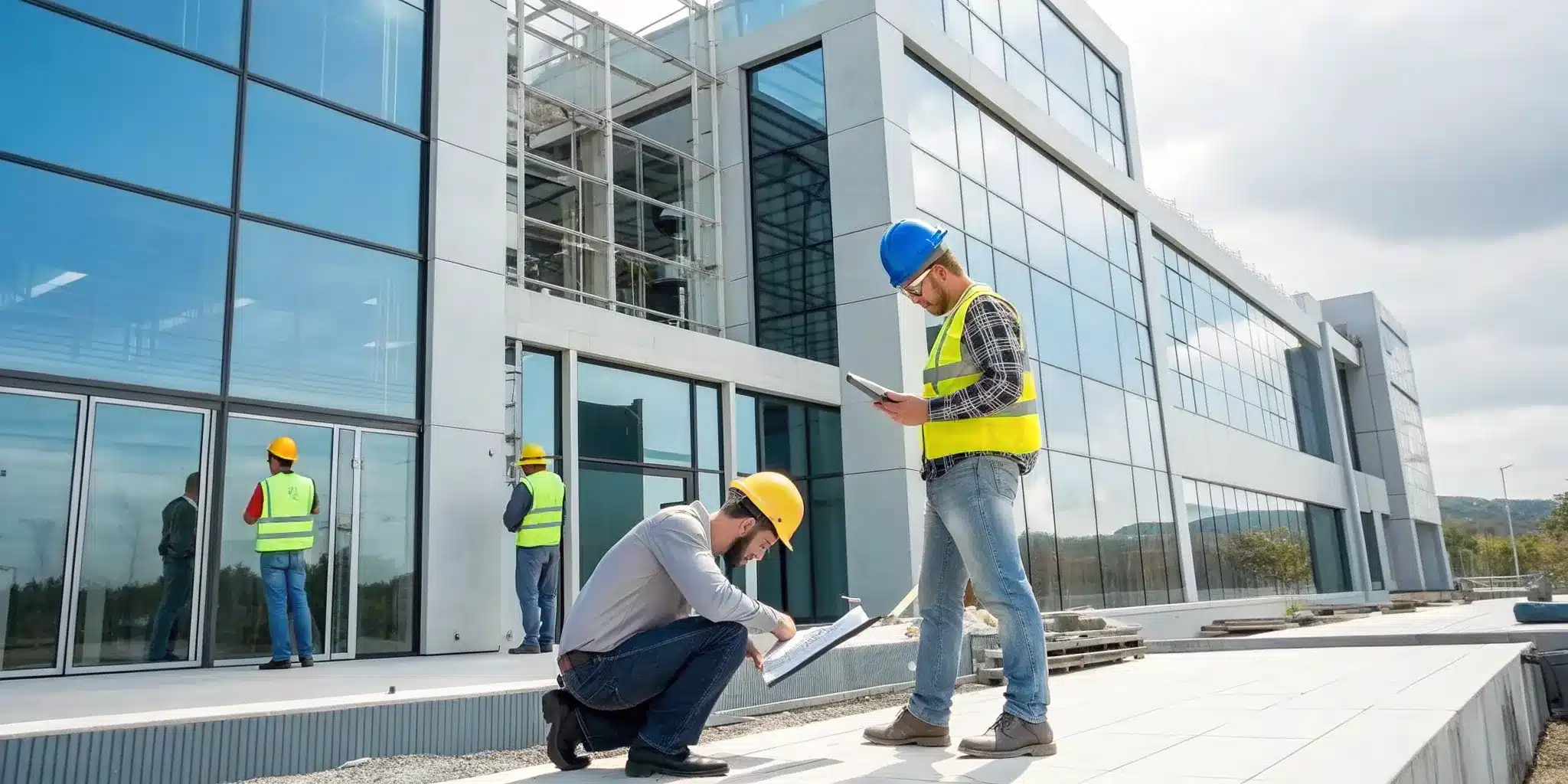
Think of your property like a car—it needs regular check-ups to run safely. In Florida, this essential maintenance is called building recertification. It’s a formal review to ensure that as your structure ages, it remains structurally sound and electrically safe for everyone. This is more than just ticking a box. It’s a critical step in protecting your investment, ensuring tenant safety, and avoiding the steep fines that come with non-compliance. This guide will walk you through the entire building recertification process, explaining exactly what’s involved and why it matters so much.
Key Takeaways
- Start the process early: Give yourself at least two years before your deadline to plan for recertification. This provides ample time to budget for potential repairs, find the right professionals, and manage the process without the stress of last-minute deadlines.
- Build your expert team: You don’t have to handle this alone. A successful recertification requires a licensed Florida engineer or architect for the inspection and a permit expediter to manage the complex paperwork and communication with local officials.
- Understand the stakes of non-compliance: Skipping recertification can result in heavy fines, property liens, and insurance issues. Ultimately, it’s a mandatory process designed to confirm your building’s structural and electrical safety, protecting both your investment and the people inside.
Building Recertification: What It Is & Why It Matters
Think of building recertification as a routine health check-up for your property. Just like people, buildings age and need regular assessments to ensure they are still in good shape. This process is a formal review to confirm that a building continues to meet safety standards, codes, and regulations long after it was first built. It’s not just about paperwork; it’s a critical step in protecting residents, the public, and your investment.
In Florida, where buildings face unique environmental stressors like humidity, high winds, and saltwater exposure, these inspections are especially important. The state has specific laws requiring older buildings to undergo this process to verify their structural and electrical safety. Understanding the basics of building recertification is the first step to ensuring your property remains safe, compliant, and valuable for years to come.
So, What Exactly Is Building Recertification?
Building recertification is the official process of assessing an existing building to make sure it’s safe and up to code. It’s a thorough evaluation performed by a licensed engineer or architect. They inspect the core components of the property to identify any potential issues that could compromise its integrity. This typically involves a detailed look at the structural elements, like foundations, walls, and roofs, as well as the primary electrical systems. The final report confirms whether the building is safe for continued use or if it requires repairs to meet current standards.
Why It’s All About Safety and Compliance
The primary goal of building recertification is simple: safety. These inspections are designed to catch potential structural or electrical failures before they become catastrophic, protecting the people who live and work inside. Beyond this fundamental purpose, recertification is also about legal compliance. Local and state governments mandate these checks to uphold public safety standards. For property owners, staying compliant helps avoid hefty fines, legal issues, and potential liens on the property. It also plays a key role in maintaining the building’s insurance eligibility and overall market value.
More Than Just a Requirement: The Added Benefits
While building recertification is a legal mandate, it’s helpful to view it as more than just another item on your to-do list. Think of it as a strategic investment in your property’s future. Completing the process doesn’t just get the government off your back; it brings tangible advantages that protect your asset and your wallet. From preventing costly future repairs to making your property more attractive on the market, the benefits of a successful recertification extend far beyond simple compliance. It’s an opportunity to confirm your building’s health, secure its value, and ensure it remains a safe, desirable place for years to come.
Long-Term Cost Savings
It might seem counterintuitive, but spending money on the recertification process now can save you a significant amount later. The detailed inspection is designed to catch minor issues before they spiral into major, costly emergencies. This proactive approach is key because fixing small problems early prevents bigger, more expensive emergency repairs later. Think of it this way: addressing a small area of water intrusion is far cheaper than dealing with widespread structural damage down the road. This allows you to budget for scheduled maintenance instead of reacting to expensive, unexpected repairs, protecting your investment and your bottom line.
Increased Property Value and Marketability
A building with a current and clean recertification report is a much more attractive asset to potential buyers, renters, and even insurance companies. This official documentation serves as proof that the property is structurally and electrically sound, offering invaluable peace of mind. As a result, certified buildings are worth more and can be easier to sell or insure. A completed recertification signals that you are a responsible property owner who has properly maintained your investment, making it a standout choice in a competitive market. It removes a major point of uncertainty for anyone considering buying or insuring the property, which directly translates to a stronger market position.
Extending Your Building’s Lifespan
Every building has a lifespan, but proactive maintenance can significantly extend it. The recertification process is a key part of that maintenance plan. Regular safety inspections are key to finding problems early and preventing accidents, and this process formalizes those crucial checks. This allows you to address wear and tear systematically, preserving the structural integrity and ensuring the building can safely withstand the test of time and Florida’s unique climate. By investing in these periodic check-ups, you’re not just meeting a requirement; you’re actively contributing to the longevity and durability of your property, protecting its value for future generations.
Understanding Florida’s Recertification Laws
Florida has established specific recertification requirements that property owners need to know. Historically, Miami-Dade and Broward counties were known for their 40-year recertification programs. However, statewide legislation has created new rules for condominium and cooperative buildings three stories or taller. Now, these buildings must undergo a milestone inspection by the time they are 30 years old, and every 10 years thereafter. If a building is within three miles of the coast, the first inspection is required at 25 years. These updated Florida laws are mandatory, and officials will notify property owners when their inspection is due.
The Structural Integrity Reserve Study (SIRS) Requirement
Along with the milestone inspection, Florida law now includes another key component for condominium and cooperative buildings three stories or taller: the Structural Integrity Reserve Study (SIRS). Think of it as a financial health check-up that runs parallel to the physical inspection. This mandatory study assesses the remaining lifespan of critical shared elements—like the roof, foundation, and other structural components—and estimates the future cost to repair or replace them. The goal is to ensure your association has adequate reserve funds for any major project over $10,000. This proactive financial planning is an essential part of the overall recertification process, helping to maintain your property’s safety and prevent sudden, hefty special assessments on owners.
Does Your Building Need Recertification?
Figuring out if your property is due for recertification can feel a bit confusing, especially with recent changes to Florida’s laws. The requirements depend on a few key factors: your building’s age, its location, and what it’s used for. It’s not just for skyscrapers or massive commercial complexes; many multi-family residential buildings fall under these rules, too. Understanding where your property fits in is the first step to a smooth and stress-free recertification process. Let’s break down exactly what you need to know to determine if it’s time to get your building inspected.
Checking the Age Requirements for Your Building
The timeline for recertification has gotten shorter. While many property owners are familiar with the old “40-year” rule, most buildings in Florida now require their first recertification at 30 years of age, and then every 10 years after that. For buildings located within three miles of the coastline, the first inspection is even sooner, at 25 years. This change was made to ensure buildings, especially those exposed to harsher coastal conditions, are regularly checked for safety. You can find the specific details of the recertification program on your local county’s website, which will outline the exact milestones for your property.
A Closer Look at Local Florida Regulations
While statewide laws provide a baseline, recertification rules can vary significantly between counties and even cities. These local regulations are tailored to address specific environmental factors and building densities in the area. Understanding the nuances of your specific jurisdiction is key to staying compliant. It’s easy to get overwhelmed by the different timelines and requirements, which is why many property managers and owners rely on expert permitting services to handle the details. Here’s a quick look at the rules in a few key South Florida areas.
Miami-Dade County
In Miami-Dade County, the rules are particularly strict due to its coastal environment. Buildings here must undergo a recertification process once they reach 30 years of age. This applies to a wide range of properties, from condos to commercial buildings. There’s a specific deadline for coastal buildings that are three stories or taller and were constructed between 1983 and 1997; their inspections must be finished by December 31, 2024. After that initial check, they’ll need to be re-inspected every 10 years. This proactive approach is essential for ensuring buildings can withstand the unique environmental pressures of the region.
Broward County
Just next door in Broward County, the timeline is a bit different. Here, the recertification requirement kicks in when a building turns 40 years old. Once that first inspection is complete, the property must be re-evaluated every 10 years moving forward. While the initial age is older than in Miami-Dade, the goal is the same: to maintain high safety standards and protect residents and visitors. Keeping up with these local variations can be tricky, which is why many property owners work with professionals to manage the process and ensure they meet every deadline without any issues.
City of Boca Raton
The City of Boca Raton has its own specific rules. They require any ‘threshold building‘ that is 30 years old or older to go through recertification. This term covers most structures you can think of, with the main exceptions being single-family homes and duplexes. This local ordinance was put in place on August 24, 2021, to make sure that older buildings in the city continue to meet modern safety standards. It’s another example of how regulations can differ from one city to another, highlighting the importance of understanding the specific requirements for your property’s location.
Residential vs. Commercial: What’s the Difference?
Not every building needs to go through this process. Single-family homes, duplexes, and smaller structures with an occupant load of 10 or less are typically exempt from recertification requirements. The rules primarily apply to larger commercial buildings and multi-family residential properties like condominiums and apartment complexes. There are also specific guidelines for coastal condo buildings that are three stories or taller; these properties have their own set of deadlines to meet. Understanding these distinctions is key, as the building recertifications are focused on structures where the potential risk to public safety is higher.
What Are Your Responsibilities as a Property Owner?
As the property owner, you are responsible for ensuring the recertification is completed on time. The process officially begins when you receive a “Notice of Required Recertification” from your local building department. Once you have this notice, your next step is to hire a licensed Florida engineer or architect to perform a thorough inspection. They will assess the structural and electrical safety of your building and prepare a report. If the inspection uncovers issues that require repairs, you must get the right permits before any work begins. Managing this process proactively will help you avoid violations and keep your property safe.
Your Step-by-Step Guide to the Building Recertification Process
Think of the building recertification process as a comprehensive health check-up for your property. It’s a thorough, multi-step evaluation designed to confirm that a building remains safe for everyone who uses it. While the specifics can vary slightly by county, the process generally breaks down into four key stages. It involves detailed inspections of the building’s core structure and essential systems, a review against current safety codes, and a whole lot of paperwork. Understanding these steps can help you prepare for what’s ahead and make the entire experience feel much more manageable.
First Up: The Structural Integrity Inspection
First and foremost, the recertification process requires a deep look at the building’s structural health. A licensed engineer or architect will conduct a hands-on inspection of all the critical structural elements. This includes the foundation, roofing systems, load-bearing walls, balconies, steel beams, and any other components that hold the building together. They are looking for any signs of distress or deterioration, such as significant cracks, corrosion, or water damage that could compromise the building’s stability. The goal is to ensure the structure is sound and capable of withstanding the tests of time and Florida’s unique weather conditions.
What Inspectors Look For
During the inspection, the engineer or architect is essentially playing detective, searching for clues that could point to a safety risk. Their evaluation covers the building’s core components to make sure everything is holding up as it should. On the structural side, they’re examining foundations, walls, and roofs for any signs of trouble—think significant cracks, water damage, or corrosion that could weaken the building. The goal is to catch these issues before they can lead to a failure. They also conduct a thorough review of the primary electrical systems to ensure they are up to code and don’t pose a fire hazard. The entire recertification inspection is designed to confirm the building is safe for everyone inside.
Advanced Inspection Tools
Inspectors don’t just rely on a visual once-over; they often use advanced technology to see what the naked eye can’t. One of the most common tools is infrared thermography, which uses a special camera to detect heat patterns. This technology can reveal hidden problems like overloaded electrical circuits, moisture trapped behind walls, or gaps in insulation. By identifying these issues early, engineers can pinpoint potential failures before they become serious safety hazards. Using tools like these not only improves the accuracy of the inspection but can also save property owners a significant amount of money on future repairs by catching problems when they are smaller and easier to fix.
Next: Reviewing Electrical and Mechanical Systems
Beyond the structural frame, the inspection also covers the building’s essential operating systems. This part of the review focuses on electrical and mechanical components to ensure they are safe, functional, and up to code. An engineer will examine the main electrical service, wiring, and emergency systems. Many older buildings fall short of modern requirements for exit signs, fire alarms, and emergency backup power. The inspection also typically includes a review of HVAC systems and other major mechanical equipment. This ensures that the building’s core functions are not only working properly but are also safe for all occupants.
Key Components of the Electrical and Plumbing Review
The electrical review is a critical part of the inspection, focusing on the systems that keep the building running safely. An engineer will carefully examine the main electrical service, the condition of the wiring, and all life-safety systems. This is where many older buildings run into trouble, as they often don’t meet modern code requirements for things like illuminated exit signs, fire alarms, and emergency backup power. These inspections are designed to identify potential electrical failures before they can become a serious hazard. If the report does call for upgrades, you’ll need to secure the proper permits before any work can begin, ensuring all changes are documented and compliant.
The inspection also includes a thorough check of the building’s plumbing systems. While it might not seem as critical as the structure, failing pipes can lead to major problems, including widespread water damage that can weaken concrete and corrode steel supports over time. The inspector will look for signs of leaks, corrosion, and blockages to ensure everything is functioning correctly. This part of the process confirms that the building’s essential systems are not only operational but also aren’t creating hidden issues that could compromise structural integrity down the road. It’s another layer of protection for the property and its occupants.
Making Sure Everything Is Up to Code
After the inspections are complete, the findings are measured against the current Florida Building Code. This is a critical step because building codes evolve over time to incorporate new safety standards and construction technologies. The outcome of this assessment determines whether the property can be recertified for another 10 years or if repairs are needed first. If the engineer or architect identifies issues that don’t meet today’s standards, they will outline the required improvements. Getting expert guidance on these regulations is key to ensuring your project moves forward without costly delays or compliance issues.
The Engineer’s Role Beyond the Initial Report
The engineer’s job doesn’t just stop once they hand over the inspection report. If that report identifies any structural or electrical problems, it essentially becomes the official roadmap for all necessary repairs. This document outlines exactly what needs to be fixed to bring your property up to current safety standards and achieve legal compliance. It’s not a list of suggestions—it’s the formal basis for the next phase of work. Before any repairs can start, you have to secure the right permits, and the engineer’s detailed findings provide the technical justification required by the building department. Their ongoing guidance is crucial to make sure the work is done correctly, leading to a safe, compliant building ready for recertification.
Finally: Getting All Your Paperwork Together
Finally, you’ll need to compile and submit a mountain of paperwork. One of the most common challenges property owners face is tracking down complete and accurate documentation. You will need to provide the inspection reports signed and sealed by the licensed professional who performed them. You may also need original construction plans, maintenance logs, and records of any major repairs or renovations done over the years. Being organized is essential, as missing or incomplete documents can bring the entire process to a halt. If you’re feeling overwhelmed by the requirements, getting professional help can streamline this final step.
What Happens If You Skip Recertification?
Thinking about putting off your building’s recertification? It might seem like a hassle you can deal with later, but ignoring this requirement can create a cascade of serious problems. From steep financial penalties to major legal headaches, the consequences go far beyond a simple slap on the wrist. This isn’t just about following rules; it’s about protecting your investment, your tenants, and your peace of mind. Let’s walk through exactly what’s at stake when you skip this crucial process.
You Could Face Hefty Fines and Penalties
Local authorities take building safety very seriously, and they use financial penalties to ensure compliance. If you miss your recertification deadline, you can expect a citation and an initial fine that can be several hundred dollars. According to the Miami-Dade County recertification program, that first fine is often around $510. But it doesn’t stop there. These fines can accumulate quickly, potentially reaching as high as $10,000 for each violation. What starts as a missed deadline can quickly turn into a significant financial burden that eats into your property’s profitability and your budget.
Dealing with Legal Issues and Property Restrictions
Beyond the immediate fines, failing to recertify your building can lead to significant legal complications. Your local municipality can place a lien on your property, making it difficult to sell or refinance until the issue is resolved. You could also face legal action from tenants who feel their safety is compromised, leading to costly disputes and a damaged reputation. In some cases, the county may even issue an Unsafe Structures violation, which can restrict access to the building or require immediate, expensive repairs. It’s a legal tangle that is far more stressful and expensive than handling the recertification process correctly from the start.
How Non-Compliance Affects Your Insurance
Insurance providers view a non-compliant building as an unacceptable risk. When you skip recertification, you’re essentially telling your insurer that the property’s structural and electrical safety hasn’t been verified. This can lead to the cancellation or non-renewal of your insurance policy. Without coverage, you are personally and financially responsible for any accidents, injuries, or property damage that occurs. Imagine facing a lawsuit or a major repair bill with no insurance to back you up. Maintaining compliance is a fundamental part of keeping your property protected and your coverage intact.
The Most Serious Consequence: Putting People at Risk
At the end of the day, the most important reason not to skip recertification is safety. These regulations exist to protect the people who live, work, and visit your building every day. Florida’s recertification laws were strengthened in direct response to preventable tragedies, aiming to ensure older buildings are regularly checked for structural and electrical soundness. By neglecting this process, you are taking a serious risk with the well-being of others. Ensuring your building is safe isn’t just a legal obligation; it’s a fundamental responsibility. A smooth recertification process is the best way to confirm your property is secure for everyone.
Common Recertification Roadblocks (and How to Handle Them)
Even with the best intentions, the building recertification process can hit a few snags. Knowing what these common hurdles are ahead of time is the best way to prepare for a smoother experience. Think of it like knowing where the traffic jams are on your route before you leave the house; you can plan a detour and still get where you’re going on time.
Most of the challenges that pop up involve paperwork, unexpected discoveries, and the simple logistics of getting everything done. When you’re managing a property, you already have a full plate, so adding these tasks can feel overwhelming. The key is to not let them catch you by surprise. From misplaced documents to confusing local codes, each roadblock has a solution. Let’s walk through the most frequent issues property owners face and how you can get ahead of them. This way, you can turn potential headaches into manageable items on your to-do list and keep your recertification project on track. It’s about being proactive rather than reactive. By anticipating these issues, you can save yourself significant time, money, and stress down the line. The goal isn’t just to pass the inspection, but to do so efficiently, without derailing your other responsibilities.
Common Issues Uncovered During Inspections
The inspection is where the rubber meets the road, and it’s often where unexpected issues come to light. Even well-maintained buildings can have hidden problems that only a trained professional can spot. These findings can range from simple fixes to significant structural or electrical repairs that require detailed plans and permits. Knowing what inspectors commonly look for can help you do a pre-assessment of your own property and get a head start on any potential repairs. Being prepared for these common discoveries helps you budget time and money more effectively, turning a potential crisis into a manageable project.
Corrosion and Rust
In Florida, our beautiful coastal environment comes with a price: salt and humidity. This combination is incredibly tough on buildings, especially on their metal components. Corrosion and rust are some of the most frequent findings during recertification inspections. Inspectors will look closely at steel support beams, concrete rebar, and metal railings on balconies and stairwells. What might look like a small rust stain on the surface can be a sign of deeper decay that is weakening the building’s structural skeleton. Addressing corrosion early is critical to preventing more extensive and costly damage down the road.
Water Damage and Mold
Water is relentless, and it will find any way it can to get into a building. From aging roof systems and failing window seals to plumbing leaks, water intrusion is a major concern. The initial damage can weaken materials like drywall and wood, but the secondary problem is often worse: mold. Florida’s humid climate is the perfect breeding ground for mold, which can pose serious health risks to residents. An inspector will search for active leaks and tell-tale signs of past water damage, such as staining or peeling paint, to ensure the building is dry and safe for occupants.
Outdated Electrical Systems
A building constructed 30 or 40 years ago was not designed to handle the electrical demands of today’s world. Outdated electrical systems are a common red flag during recertification and a significant fire risk. Inspectors often find issues like old aluminum wiring, overloaded circuits that can’t support modern appliances, and panels that don’t meet current safety codes. Bringing these systems up to standard is not just about compliance; it’s about ensuring the safety of everyone in the building. These repairs are non-negotiable and are a core focus of the recertification process.
Pest Infestations
Another unwelcome guest in many Florida buildings is termites. These pests can cause an incredible amount of damage, quietly eating away at a building’s wooden structural components for years before being discovered. During an inspection, the engineer or architect will look for evidence of current or past termite activity. Even if an infestation was treated years ago, the damage it left behind could still compromise the building’s integrity. Confirming that the structure is free from wood-destroying organisms is a key step in verifying its long-term stability and safety.
Poor Prior Workmanship
Sometimes, the biggest problems are the ones that were created long after the original construction. Poor workmanship from previous repairs or renovations is a frequent issue uncovered during inspections. This can include anything from improperly installed windows that now leak to unpermitted structural changes that compromise the building’s load-bearing capacity. These issues highlight why ensuring all repair work is done correctly and to code is so important. Handling the permitting process properly provides a clear record that all modifications were designed and inspected to meet critical safety standards, preventing future recertification headaches.
Dealing with Missing or Incomplete Paperwork
One of the most common delays in the recertification process is incomplete or missing documentation. Your inspection team will need access to original construction plans, maintenance logs, and records from any previous inspections or major repairs. Without these documents, it’s difficult for them to get a full picture of your building’s history and current condition. Hunting down old paperwork can feel like a treasure hunt you don’t have time for, and it can bring your entire project to a standstill. That’s why it’s so important to start gathering these files long before your recertification deadline.
What to Do When You Find Hidden Structural Issues
Sometimes, the recertification inspection uncovers issues that weren’t on anyone’s radar. These hidden structural problems, like concrete spalling or compromised reinforcements, aren’t always visible during a routine walkthrough. While discovering them can be stressful and add unexpected repair costs to your budget, it’s ultimately a good thing. The entire point of recertification is to catch these potential safety hazards before they become serious dangers. An experienced engineer will know exactly what to look for, ensuring your building is not just compliant, but genuinely safe for everyone who uses it.
The Challenge of Coordinating Multiple Inspections
The recertification process isn’t just one inspection; it’s a series of them. You’ll need to coordinate schedules for structural engineers, electrical inspectors, and potentially other specialists depending on your building’s features. Juggling these appointments and managing any required follow-up work can quickly become a logistical puzzle. A delay with one inspector can create a domino effect, pushing back your entire timeline. This is where having a dedicated team to manage the process is a huge advantage, as they can handle the scheduling and ensure all the necessary permitting services are completed in the right order.
Making Sense of Complicated Rules and Regulations
Building codes and local ordinances can be incredibly complex, and they often change over time. It’s easy to get tripped up by misconceptions or outdated information, which can lead to failed inspections and costly mistakes. What was compliant ten years ago might not meet today’s standards. Understanding the specific rules for your county and property type is critical for a successful recertification. Instead of trying to become an expert overnight, it’s often best to request a proposal from professionals who live and breathe these regulations every day.
How Much Does Building Recertification Cost?
When it comes to building recertification, one of the first questions on every property owner’s mind is, “What’s the final bill going to look like?” The truth is, there isn’t a single, flat fee. The total cost is a sum of several parts, and it can vary significantly based on your building’s size, age, location, and overall condition. Think of it less like buying a product off the shelf and more like a project with distinct phases, each with its own associated costs. The price tag is influenced by everything from the initial inspection to any repairs that might be uncovered along the way. Understanding these different expenses ahead of time can help you budget effectively and avoid any unwelcome financial surprises. Let’s break down the four main cost categories you can expect to encounter during the recertification process.
Budgeting for Inspection and Engineering Fees
The first expense you’ll face is for the professional inspection itself. You’ll need to hire a licensed engineer or architect to conduct a thorough evaluation of your building’s structural and electrical systems. The cost for these services depends heavily on the size and complexity of your property; a sprawling commercial complex will naturally cost more to inspect than a small condominium building. While it might be tempting to shop around for the lowest price, remember that this inspection is the foundation of your entire recertification. A detailed, high-quality report is a critical investment that ensures your building’s safety and can save you from bigger headaches down the road.
Factoring in the Cost of Reports and Filing
Once the inspection is complete and the reports are ready, you’ll need to file them with your local building department. This step comes with its own set of administrative fees. The exact amount varies from one municipality to another, but to give you an idea, Miami-Dade County charges an initial review fee for recertification reports. These filing fees are a standard part of the process. Working with a permit expediter can help ensure all your paperwork is filed correctly the first time, preventing delays that could lead to additional costs. Our team handles these comprehensive services to make sure your submission is seamless and meets all local requirements.
The Biggest Variable: The Cost of Necessary Repairs
This is the most variable and potentially largest expense in the recertification process. If the inspection report identifies any structural or electrical issues that need attention, you are required to complete those repairs before your building can be certified. The cost here can range from minor fixes to major restoration work. It’s also important to remember that if the inspection shows repairs are needed, you must get the right permits before starting any work. Securing the proper permits for these repairs is a crucial step that adds another layer to the project, but it’s essential for staying compliant and ensuring the work is done to code.
How to Avoid Costly Late Fees and Penalties
Putting off your building’s recertification is a costly mistake. Local governments impose significant penalties for non-compliance to ensure public safety. For example, if you fail to submit your report on time in Miami-Dade County, you can face an initial citation and fine, with penalties that can escalate into thousands of dollars per violation. These fines are entirely avoidable with proactive planning. Starting the process well before your deadline not only helps you avoid these steep penalties but also gives you enough time to address any necessary repairs without the added pressure of a looming due date. You can find more details on your local government’s website, like this recertification page for Miami-Dade.
How Long Does the Recertification Process Take?
The building recertification process isn’t something you can knock out in a weekend. It’s a multi-stage journey that requires careful planning and coordination. From the moment you receive that official notice to the final approval, the timeline can stretch over several months, especially if significant repairs are needed. Understanding the key phases helps you set realistic expectations and stay on track, preventing what could be a stressful process from becoming overwhelming. Many property owners are surprised by how long it can take, so getting a clear picture of the timeline from the start is one of the best things you can do for your project and your peace of mind.
Let’s walk through the typical timeline so you know exactly what to expect. The journey begins with a thorough inspection by a licensed professional. From there, it moves into documentation and reporting, where all findings are formally submitted. If issues are found, a specific period is allotted for repairs. The process concludes with a final review and sign-off from your local building department. Each step has its own timeline and potential hurdles. Knowing what’s coming helps you prepare for a smoother process and avoid the stress of last-minute scrambles. The key is to be proactive rather than reactive, ensuring you have enough time to address each requirement without facing penalties for missing your deadline.
Scheduling and Completing Inspections
The first major step is the physical inspection of your property. A licensed engineer or architect will conduct a detailed structural and electrical review to assess the building’s condition. The time this takes can vary quite a bit. For a smaller, simpler building, it might only be a few hours. For a large, complex property, the inspection could span several days. The inspector’s availability also plays a role, so it’s smart to schedule this well in advance. A comprehensive inspection is your best tool for catching potential problems early, giving you a clear picture of what needs to be done to pass recertification.
The Time It Takes to Prepare Documents and Reports
Once the inspection is complete, your engineer or architect will compile their findings into a formal report. This is where having your paperwork in order becomes critical. You’ll need to provide any existing documents related to the building’s construction, maintenance history, and previous inspections. A common delay in the building recertification process is tracking down missing or incomplete records. The local building department will issue an official notice to get the process started, and from that point, the clock is ticking. Gathering all your documents ahead of time will help your inspector prepare an accurate and complete report without unnecessary delays.
How Much Time Will You Have for Repairs?
The inspection report will determine the next steps. If your building is found to be in good shape, you can move toward final approval. However, if the report identifies structural or electrical issues, you will be required to make repairs. The building department will give you a set amount of time, typically around 150 days, to complete this work. The complexity of the repairs will dictate how much of that time you’ll need. Minor fixes might be quick, but significant structural work will require hiring contractors, securing materials, and potentially pulling additional permits, all of which can extend the timeline considerably.
Crossing the Finish Line: Getting Final Approval
After all necessary repairs are finished, your engineer or architect will conduct a follow-up inspection and submit the final, sealed report to the building department. This report certifies that the property is now safe and compliant with all relevant codes. Getting that final approval isn’t instant. The department staff needs to review the submission, and their workload can affect how quickly they process it. This is where professional permit expediting services can be a huge help, ensuring your paperwork is filed correctly and following up with the city. Once you receive the final sign-off, your building is certified for another 10 years.
Who Should Be on Your Recertification Team?
Tackling building recertification can feel like a huge undertaking, but the good news is you don’t have to do it alone. In fact, the process is designed to be a team effort. As a property owner, your main job is to assemble the right group of professionals to inspect your building, handle the paperwork, and ensure everything meets Florida’s safety standards. Think of yourself as the project manager and these experts as your dedicated team.
Your team will include licensed professionals who are legally required to perform the inspections, as well as administrative experts who can manage the complex paperwork and deadlines. You’ll also interact with your local government, which oversees the entire process. By understanding who does what, you can approach recertification with a clear plan and a lot less stress. Let’s break down the key players who will help you get through this smoothly.
Why You Need a Licensed Engineer and Inspector
First things first, you’ll need to hire a professional to assess your property. Florida law requires that a licensed Florida engineer or architect conduct the recertification inspection. These experts are the foundation of your recertification team. They perform the detailed structural and electrical inspections needed to verify that your building is safe for occupancy.
Their job is to identify any potential issues, from concrete deterioration to faulty wiring, and compile their findings into an official report. This report is the key document you’ll submit to the local building department. Choosing a qualified and experienced professional is critical, as their assessment determines the next steps, including any necessary repairs.
How Permit Expediting Services Can Help
Once the inspection reports are ready, you have to deal with the administrative side of things, and this is where many people get stuck. A permit expediter acts as your guide and advocate, handling all the paperwork and communication with the local building department. Instead of you spending hours trying to figure out forms and follow up on submissions, an expert does it for you.
Companies like All Florida Permits offer end-to-end service to manage this entire process. We ensure your application is complete and correct, submit it on your behalf, and keep things moving forward. This saves you valuable time, prevents common mistakes that lead to delays, and lets you focus on managing your property.
Checking for Local Government Resources
Your local city or county building department is the authority that requires and approves the recertification. They are the ones who send the initial “Notice of Required Inspection” when your building reaches the age milestone. While they are the regulators, they can also be a valuable resource for information.
Their website is often the best place to find specific checklists, forms, and fee schedules for your area. If you have questions about your building’s specific requirements or deadlines, their office is the source of truth. Working with a permit expediter can make these interactions much simpler, as they already know the people and processes involved.
Using Digital Tools to Stay Organized
Managing a building involves a lot of data, and some digital tools can make the recertification process a bit easier. For instance, if you’re also looking to improve your building’s efficiency, the EPA’s ENERGY STAR Portfolio Manager is a great free tool. It allows you to track your property’s energy and water consumption in a secure online environment.
While not a direct part of the structural recertification, having this data organized can be helpful for overall building management and identifying systems that may need upgrades. Keeping good digital records of maintenance, repairs, and utility usage can also support a smoother inspection process by showing a history of proactive ownership.
Your Checklist for a Smooth Recertification Process
The building recertification process can feel like a huge undertaking, but with a bit of foresight, it doesn’t have to be a stressful scramble. The key is preparation. By taking a proactive approach, you can manage the process on your own terms, address issues before they become emergencies, and ensure your property sails through its inspection. A little planning goes a long way in saving you time, money, and headaches down the road. Let’s walk through the essential steps to get your building ready.
Give Yourself a Two-Year Head Start
It’s never too early to start thinking about recertification. In fact, counties like Miami-Dade now send notices two years before the deadline, giving you a generous head start. Use this time wisely. This is your opportunity to begin budgeting for potential repairs and to research qualified professionals without the pressure of a looming deadline. Starting early allows you to get multiple quotes, make informed decisions, and schedule work at your convenience. By treating recertification as a long-term project rather than a last-minute task, you can maintain control and avoid costly rush fees.
Assemble Your Team of Professionals Early
You can’t handle recertification alone; you need a reliable team. Your first step is to find a Florida-licensed engineer or architect with experience inspecting buildings similar to yours. For taller structures, known as “threshold buildings,” the engineer will need special qualifications. Don’t be afraid to ask for references and review their past projects. A permit expediter can also be a critical part of your team, helping you manage paperwork and communicate with local agencies. Having the right expert guidance ensures every step is handled correctly from the start.
Get All Your Building Documents in Order
A successful recertification relies on accurate and complete paperwork. Your engineer or architect must use the latest official report templates required by your local building department to ensure full compliance. Keeping all your building’s documents, past inspection reports, and maintenance records in one organized place will make the process much easier for your team. Disorganized or outdated paperwork is a common source of delays. A streamlined building recertification service can help you manage these details, making sure nothing falls through the cracks.
Be Proactive with Maintenance and Repairs
Don’t wait for an official inspection to tell you what you already suspect. If you have concerns about your building’s condition, hire a structural engineer to perform a preliminary inspection well before your recertification is due. Addressing minor issues like cracks, water intrusion, or electrical problems early on can prevent them from becoming expensive, complex repairs later. This proactive approach not only smooths the recertification process but also protects your investment and ensures the ongoing safety of the building’s occupants. Think of it as a health check-up for your property.
Final Tips for a Stress-Free Recertification
Navigating the building recertification process doesn’t have to be a headache. With a bit of foresight and a clear strategy, you can ensure everything goes smoothly, saving you time, money, and stress. The key is to be proactive rather than reactive. By treating recertification as an ongoing part of property management instead of a one-time hurdle, you set yourself up for success. These practices will help you stay organized, compliant, and ahead of the curve, turning a potentially complex requirement into a manageable task. Following these steps helps protect your investment and ensures the safety of everyone who uses the building.
Maintain Meticulous Records
One of the biggest slowdowns in the recertification process is disorganized or missing paperwork. Think of your building’s records as its life story. Having a complete and tidy collection of documents related to construction, maintenance, past inspections, and repairs can make a world of difference. When your engineer or architect asks for these files, you’ll have them ready to go. This simple habit not only speeds up the inspection process but also demonstrates your commitment to proper building management. Start a digital folder or a physical binder today and keep it updated. It’s a small step that pays off big when your recertification deadline is approaching.
Choose Qualified and Experienced Professionals
This is not a DIY project. For a successful recertification, you need to work with licensed and insured professionals. Hiring a qualified architect or engineer is non-negotiable, as their expertise is essential for conducting the required inspections and preparing accurate reports. They have the training to identify potential issues and ensure your building meets all current safety standards. Working with an experienced team gives you peace of mind and helps you avoid costly mistakes. Our expert guidance connects you with the right professionals and manages the process, ensuring every detail is handled correctly from start to finish.
Stay Up-to-Date on Local Requirements
Florida’s recertification laws are in place for a reason: to verify the ongoing structural and electrical safety of aging buildings. However, specific requirements can vary depending on your building’s location and type. Understanding these local regulations is the foundation of a compliant recertification. Are you clear on the deadlines for your county? Do you know what specific inspections are needed? Staying informed is crucial. If you find the regulations confusing, you’re not alone. A permit expediting service can help you make sense of the rules and ensure your project meets all necessary legal standards.
Create a Budget and Timeline for Repairs
It’s common for inspections to uncover issues that need attention, from minor electrical fixes to more significant structural repairs. The best way to handle this is to plan for it. Don’t wait for the inspector’s report to start thinking about potential repairs. As soon as you hire your engineer or architect, discuss what common problems they see in buildings like yours. This allows you to start budgeting and researching contractors early. Addressing repairs proactively prevents last-minute scrambles and helps you avoid delays that could lead to fines. Getting ahead of maintenance keeps your project on track and on budget.
Related Articles
- 40 Year Recertification Services: A Complete Guide
- Miami-Dade 40-Year Recertification: What Your Status Means
- 40 Year Recertification Florida 2025: What Changed?
- Miami Dade 40 Year Building Inspection: A Guide
- Miami-Dade 40-Year Recertification Lookup: Is Your Building Due?
Contact Us
Frequently Asked Questions
What’s the difference between the old 40-year rule and the new recertification laws? The biggest change is the timeline. While the 40-year rule was the standard in certain counties for a long time, new statewide laws have shortened the schedule. Most large residential buildings now need their first inspection at 30 years of age. If your building is within three miles of the coast, that first check-up is even sooner, at 25 years. After that initial inspection, the process repeats every 10 years.
What happens if the inspection finds problems with my building? Discovering issues is a normal part of the process, so don’t worry. If your inspection report identifies structural or electrical problems, you won’t fail immediately. Instead, the building department will give you a specific timeframe, typically around 150 days, to complete all the necessary repairs. You will need to get the proper permits for this work before your building can receive its final certification.
How long does the entire recertification process usually take? The timeline can vary quite a bit, so it’s smart to plan for several months from start to finish. The physical inspection might only take a day or two, but compiling the report, filing it, and waiting for the city’s review takes time. If your building needs repairs, the process will naturally take longer, as you’ll need to hire contractors and complete the work before getting the final sign-off.
Are single-family homes or duplexes required to go through this process? Generally, no. The recertification requirements are designed for larger buildings where the potential risk to public safety is higher. Single-family homes, duplexes, and other small residential structures with a low number of occupants are typically exempt from this process. The rules primarily apply to multi-family buildings like condominiums and apartments, as well as larger commercial properties.
What is the first thing I should do when I receive a recertification notice? Don’t panic or put the notice aside. Your first step should be to find and hire a qualified, Florida-licensed engineer or architect. This professional will be your main partner throughout the process, as they are responsible for conducting the inspection and preparing the official report. Starting this search right away gives you time to find the right expert for your property without feeling rushed by the deadline.