

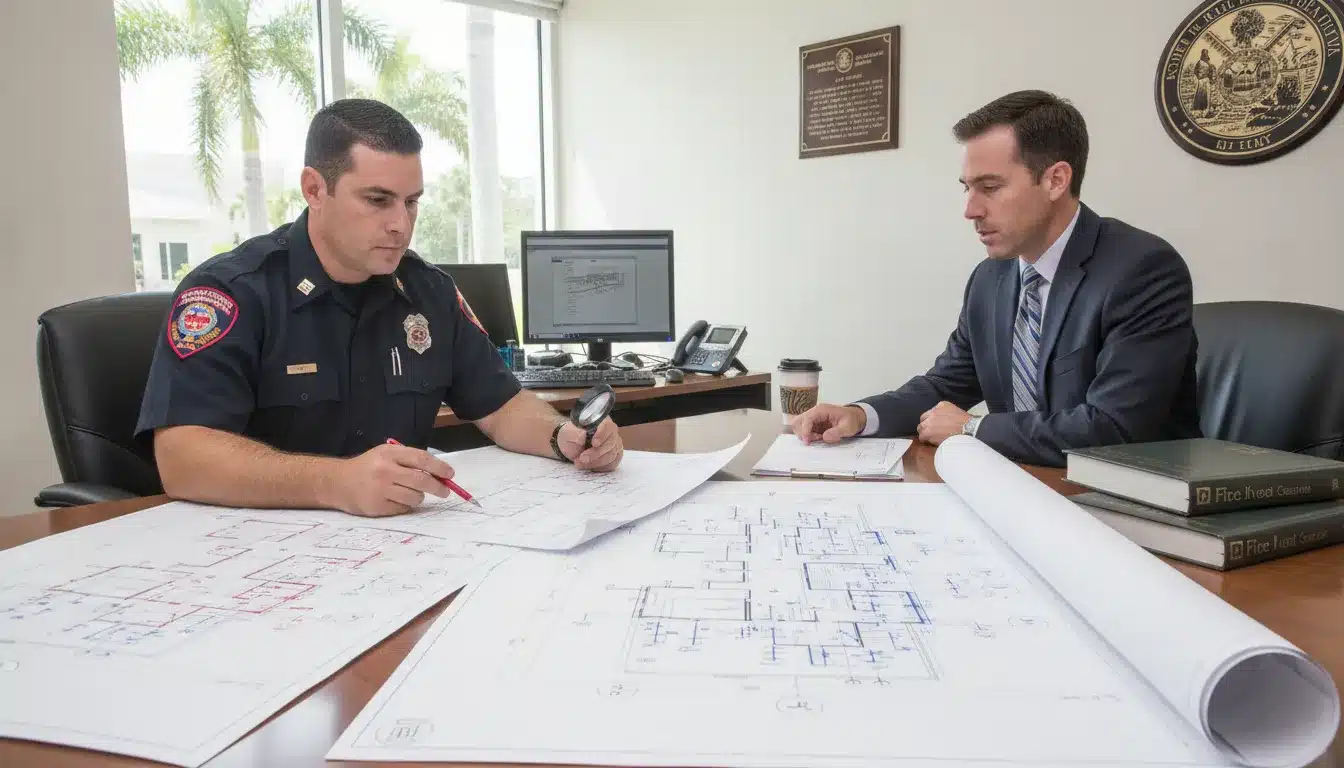
A missing fire safety approval can stop a commercial project before construction or opening day. These delays often happen when the project team discovers local fire authority requirements too late. A well-coordinated Florida fire marshal permit strategy identifies the review path, required plans, and inspection milestones before they become schedule problems.
Request a proposal from All Florida Permits to coordinate your fire marshal review and inspections.
A Florida fire marshal permit is a needed safety check for most commercial, industrial, and multi-family projects across the state. This permit shows that your building plans follow the Florida Fire Prevention Code, which local fire experts enforce in every county. The review process looks at vital life safety systems like fire alarms, water sprinklers, and exit paths. Without this specific check, you cannot get a final permit to use the building or legally open your doors. The process includes a plan review before building and field checks once the work is done. Since fire rules change by city, early planning helps avoid high costs and project delays that can stop your work.
Handling the various layers of safety rules can be a complex task for any developer or contractor. You must understand the specific triggers that require a formal review from the local fire expert to keep your project on schedule. You should know exactly When does a Florida fire marshal permit review apply? before you start. The path begins with
When does a Florida fire marshal permit review apply?
Building a new commercial project in Florida usually has many steps. One vital step is the fire safety check. The state adopts the Florida Fire Prevention Code every three years. Local fire officials then enforce these rules in each city and county. This check ensures that the project follows life safety standards before work begins. You must get these permits to move forward with your build.
Commercial and industrial projects
Most big projects need a fire safety review. This includes new shops, offices, and plants. It also applies to multi-family buildings like large apartments. Fire officials must look at the plans to check for fire exits and alarm systems. They ensure that the design keeps people safe in an emergency. The law says that local fire districts must look at the life safety part of your plans.
Expert permit coordination helps you find these needs early. This planning prevents slow-downs that can cost you money. If you miss a step, you might face fines or a stop in construction. Some cities also have their own extra fire rules. These local changes apply only to that local area. It is wise to check for these rules before you submit your plans.
Changes in building use
You might not need to build something new to trigger a review. A change of use often needs a Florida fire marshal permit check. This happens when you change how you use a space. For example, turning a retail store into a gym is a big shift. The fire code for a gym is often more strict than for a shop. Each type of use has its own set of safety codes.
Fire officials must confirm the space can handle the new use safely. They will check the exits and fire sprinklers for the new layout. They also look at how much heat or smoke the new use might create. This process ensures the building stays safe for the public. You should start this review before you sign a new lease or start work. Waiting too long can lead to issues with your final use permit.
Assembly space rules
Places where many people gather have strict rules. In many Florida cities, any space meant for 50 or more people needs a fire review. This includes halls, theaters, and large restaurants. These spots are called assembly spaces. The fire marshal looks at how fast people can leave the building. They also check if the fire alarms work for a large crowd. They want to make sure there are enough ways to get out fast.
Florida law now sets clear timelines for these reviews. New laws from 2025 aim to make the process faster for everyone. This helps projects stay on track and avoids long waits. Working with experts helps you meet these dates. You can avoid common errors like missing forms or bad drawings. These mistakes often cause the most delays in the permit process. Good planning is the best way to get your fire permit on time.
The Florida Fire Marshal permit process
Getting a Florida fire marshal permit starts with clear planning. You must know if your project needs a review from a local fire official or the state office. Most business and multi-family projects in Florida require this step before you can start work. This review checks that your plans follow the Florida Fire Prevention Code. This code is updated every three years to keep people safe. You must also check for local changes that may apply to your city or county. If your project is a state-owned or state-leased building, the Division of State Fire Marshal will review your plans for safety.
Finding your project scope
Before you apply, find out the specific rules for your building type. For example, any space where 50 or more people gather needs a permit. This is often called an assembly use. You will also need a permit if you change how you use a building. Proactive planning helps you find code issues early. This keeps your project on track and helps you avoid costly fines. If you need help with permit coordination, a professional can guide you through these rules. They can help you spot risks like environmental limits or complex code needs before you submit your forms.
Review and change phases
Once you submit your plans, the fire marshal will start the review. They look at life safety items like exits, alarms, and water systems. Your design must use the latest rules from NFPA 1 and NFPA 101 with Florida-specific changes. It is common to get comments or requests for changes. Delays often happen because of missing forms or wrong code readings. Conflicting views on code can also slow things down. Fast replies to these comments are key to getting your permit quickly. New laws in 2025 now set strict times for how fast officials must finish their reviews. These rules help make your build schedule more predictable.
Steps to get your permit
Follow these steps to move from your first plan to the final walk-through.
- Confirm the scope of your project. Check if you must follow local fire rules or state rules for state-leased buildings.
- Create plans that meet the current fire codes. Your team must use the latest rules for life safety and fire systems.
- Submit your plans to the local fire official for review. They will check your drawings and note any needed changes.
- Fix any errors found during the review. You will need to send back revised plans to get final approval.
- Pay your fees and get your permit. You can now start the construction work listed in your plans.
- Schedule your fire inspections during the build. The fire marshal will visit your site to check that the work matches the plans.
- Pass your final inspection. Once you pass, the fire marshal will sign off so you can get your occupancy permit.
Passing your final inspection is a major goal. It shows that your building is safe for people to use. If you miss a step, it can lead to work stops or insurance issues. Expert help makes this process smooth. You can focus on your build while someone else handles the paperwork. For more details on fire systems, see our guide on how to get a Florida fire marshal permit for alarms.
What plans and documents are typically required?
Getting a Florida fire marshal permit means you must show how your building keeps people safe. Fire staff need to see that your project follows the state fire safety laws. Most offices will not start their review until they have a full set of plans and forms. You must provide clear data for every part of your fire safety setup.
Life safety and design plans
You will need a set of plans that show the layout of your project. These plans must include a life safety page. This page shows where people will exit the building if a fire starts. It also marks the paths they will take to get out fast. The design must meet the rules set by the state for your project type. Clear plans help the fire office move your file through the system without long waits.
Large projects often need more detail. You must show where fire walls and smoke doors are placed. For a building where 50 or more people gather, you will need to prove the space can hold that many people safely. Large groups need wider exits and clear signs. You can find more facts on these rules at the City of Tampa fire permit page. These rules ensure that all people in the building can leave in a fire.
Technical data and calculations
Fire staff also look at the tech side of your safety systems. If you put in a sprinkler system, you must provide water flow math. These sums show that the water flow will be strong enough to put out a fire. If you have an alarm system, you may need battery tests to show it will work during a power loss. These tests prove that the system is ready for any event.
Product data sheets are also needed. These sheets list the facts for each part you use, like fire heads or alarm pulls. You must show that each part is listed and approved for use in Florida. Good permit coordination helps ensure all these tech files are ready for the first review. Having all your data in one place makes it easy for the staff to say yes to your project.
Local checklists and forms
Each city or county may have its own set of forms. The state sets the main code, but local offices can add their own rules. You should always check for a local list before you turn in your file. This helps you avoid small errors that can stop your project. Each area has its own way of doing things, so you must be careful with each local office.
Missing a single form can lead to big delays and extra costs. In some cases, you might face fines or have to stop work on the site. Early planning helps you find these needs early. This keeps your project on track and helps you meet the 2025 state timelines for permit sign-offs. You can read more about the Florida Fire Prevention Code to see the full set of state standards. Staying on top of these rules is the best way to keep your project moving forward.
Common reasons Fire Marshal plans are revised
A Fire Marshal review is a key step for most business projects in Florida. This step ensures that your building meets the state fire code. But many teams face delays because of small errors or missing facts. These errors can lead to a long review process. This process can stall your timeline and cost your project money. Expert permit coordination helps you find these issues before you submit your plans. It reduces the chance of a “rejected” status from the fire officer.
Missing details in your papers
One of the top reasons for a review is missing papers. Fire officers need a full set of Life Safety plans. These plans must show exit paths, exit signs, and fire wall ratings. If your plans do not have these details, the marshal will send them back. You must also make sure your papers match across all parts of the job. For example, the fire alarm plans should match the floor plan. Any mismatch will lead to a code comment. Using a checklist helps you catch these gaps early.
Detailed plans help the fire officer see your project. When you provide clear notes on fire-rated walls, the review goes faster. Do not leave the officer to guess where your safety systems are. A clean set of plans is the best way to avoid a second round of review.
Issues with use and exit paths
Rules for how you use a space are often strict in Florida. If your space holds 50 or more people, it is a place of assembly. This group status changes how the code applies to your project. A permit is needed for any space with 50 or more guests. Fire marshals check if you have enough exits for the total number of people. Exit paths must be clear and wide enough. If you change how a room is used, you may need a new Florida fire marshal permit. Failing to show these paths clearly is a common reason for a review comment.
Writing better response letters
When you get a comment, you must send a response letter. A poor letter can lead to even more rounds of review. Your letter should address each point from the marshal. Do not just say you fixed the issue. Show exactly where the change is on the new plans. Use sheet numbers and detail tags to point the officer to the fix.
Expert permit help makes this part of the job easier. A pro can help you talk to the fire officer to clear up any doubts. This can help you avoid costly project delays like fines or halts in work. Local laws help you get through the process in a set number of days. Clear and full plans mean you can use these faster speeds.
| Revision Issue | Coordination Solution |
|---|---|
| Unfinished Life Safety plans | Check for all needed fire code tags before you submit |
| Clashing trade papers | Cross-check alarm, sprinkler, and floor plans for errors |
| Wrong use of space group | Research local fire code changes before you start design |
| Vague response letters | Write point-by-point replies with sheet and page numbers |
How to prepare for Fire Marshal inspections
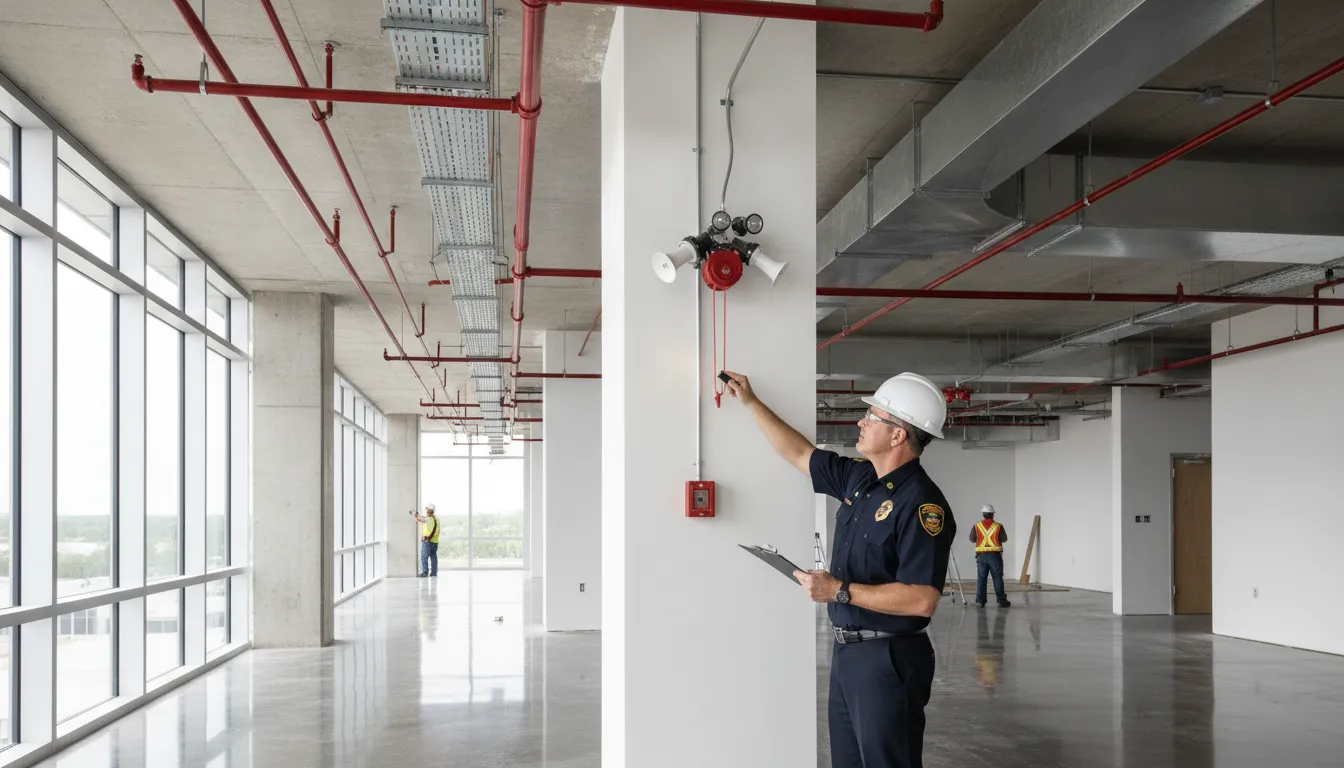
A fire marshal check is a key step to get your building open. This review ensures your project meets the safety rules in the state. Local fire chiefs look at your plans and the site to find risks. If you do not pass, you may face fines or a stop to your work. Proper planning helps you avoid these costly delays and keep your project on track.
Understand the fire code standards
The Florida Fire Prevention Code is the main set of rules for safety. The State Fire Marshal updates these rules every three years. Local fire chiefs in each city or county enforce this code. Some areas also have their own small changes to these laws. You must know both the state and local rules before you start your build. Most business sites and large public spaces need a Florida fire marshal permit to stay in line with the law.
Your life safety plans must show how people will exit in a fire. These plans follow strict standards like NFPA 1 and NFPA 101. Fire chiefs check if your doors, alarms, and sprinklers work as they should. They also look at how much space you have for people to move. If you have a room for 50 or more people, you need a specific fire marshal permit for that use.
Organize your safety records
You must keep clear records on the job site for the fire chief to see. Missing papers are a top reason for permit delays in the state. Make sure all your stamped plans and permits are easy to find. The chief will want to see proof that your safety systems have been tested. This includes your fire alarms, smoke vents, and water pumps for sprinklers.
- Approved and stamped fire safety plans.
- Current permits for all fire systems.
- Test logs for alarms and water flow.
- List of materials used for fire walls.
- Contact info for the fire safety lead.
Keeping these files ready shows you are prepared for the check. It also makes the chief’s job faster and easier. Clear records can help solve any code issues on the spot. If the chief finds a small problem, having the right data can lead to a quick fix. This keeps your timeline moving and helps you avoid a second trip.
Steps for a successful inspection
A good review starts with a walk of the site before the final visit. Look for blocked exits or loose wires that could cause a fail. Check that all exit signs light up and doors swing the right way. You should also verify that your typical plan and inspection requirements are met. If you find a gap, fix it before the chief arrives. This early step saves time and money for your team.
If you fail the first check, do not panic. The fire chief will give you a list of things to change. You must fix these items and then ask for a new review. New Florida laws in 2025 set firm dates for how fast these checks must happen. But you still want to pass the first time to avoid extra fees. Once you pass, the chief will sign off on your project. This final step leads to your occupancy permit and a safe opening.
How permit coordination supports approval
Permit planning helps building projects move forward without delays. It acts as a bridge between the building owner, the design team, and the workers. This service ensures that everyone has the same facts at the right time. Clear updates stop small mistakes from becoming big problems that stop work. Proactive planning is the best way to find code issues before they cause trouble.
Closing gaps between teams
Many people work on a single building project. The design team makes the plans, while the contractor carries them out. Vendors and building officials must also stay in the loop. Expert permit coordination links these groups together. It prevents gaps where paperwork might get lost or forgotten. This service keeps the flow of files moving between the site and the office.
When a team works in silos, delays often happen. A designer might change a plan but forget to tell the contractor. Or a vendor might need one sign-off before they can start. Planning keeps the project on track by making sure every person knows their next step. This focus on details helps avoid the high cost of a work halt or a fine from the city.
Managing fire safety reviews
A Florida fire marshal permit is a vital part of many commercial projects. The local fire official checks plans to ensure they meet state safety codes. These rules change every three years to keep people safe. Expert planners know these rules and how to work with the Fire Marshal to get fast results.
In many cities, you need a permit for a public assembly of 50 or more people. The fire review is often a separate step from the main building permit. It needs its own set of files and approvals. A helper tracks these needs so they do not slow down the project. They help solve code conflicts before they lead to a failed check.
Tracking documents and inspections
Getting a permit is only the start of the process. You must also schedule checks at the right times. Missing a single check can force you to redo work or pay a fine. Permit planning services use tracking tools to manage every date and file. They help you stay on top of several tasks:
- Sorting all site plans and test results for review.
- Tracking the status of every filing in real time.
- Setting dates for the fire marshal and building inspector.
They make sure the project meets all final inspection requirements to get the building open. New laws in 2025 make quick permit reviews even more important. These rules set strict timelines for local offices to act on your files. An expert planner knows how to use these laws to your gain. They keep the data moving so you can start and finish your build on time. This help is the best way to avoid insurance issues and keep your project within its budget.
A practical readiness checklist
Getting your project ready for fire marshal review is a key task. It helps your team avoid long delays and high costs. A solid plan ensures that your building is safe for everyone. You should use a clear list to keep your project moving forward. This guide covers both the plan review stage and the final site check.
The value of early planning
Early planning is the best way to handle complex fire rules. You must find likely code issues before you submit your plans. This approach helps you avoid fines and building halts. Working with experts in permit coordination can make this process much easier. They know the latest rules and can help you avoid common mistakes.
New Florida laws in 2025 set strict timelines for permit reviews. This change means that your filing must be perfect from the start. Missing paperwork can lead to long wait times and extra fees. High-quality work helps your project stay within these new legal limits. It also keeps your insurance and bonding in good standing.
Plan review readiness
Before you submit your plans for a Florida fire marshal permit, you must check all files. The Florida Fire Prevention Code sets the rules for each county and city. You must verify that your Life Safety plans follow these rules exactly. Most delays happen because of missing forms or wrong code use.
- Ensure all drawings have the seal of a Florida licensed engineer.
- Check that the occupancy type fits how people will use the space.
- Verify that all exit paths and fire doors are on the plans.
- Confirm that fire alarm and water sprinkler designs are in the set.
Local areas may also have their own special fire rules. You must check for these local amendments before you send your files. Finding these details early saves you from having to redo your drawings later. It also keeps your project on a fast track for approval by local fire officials.
Field inspection readiness
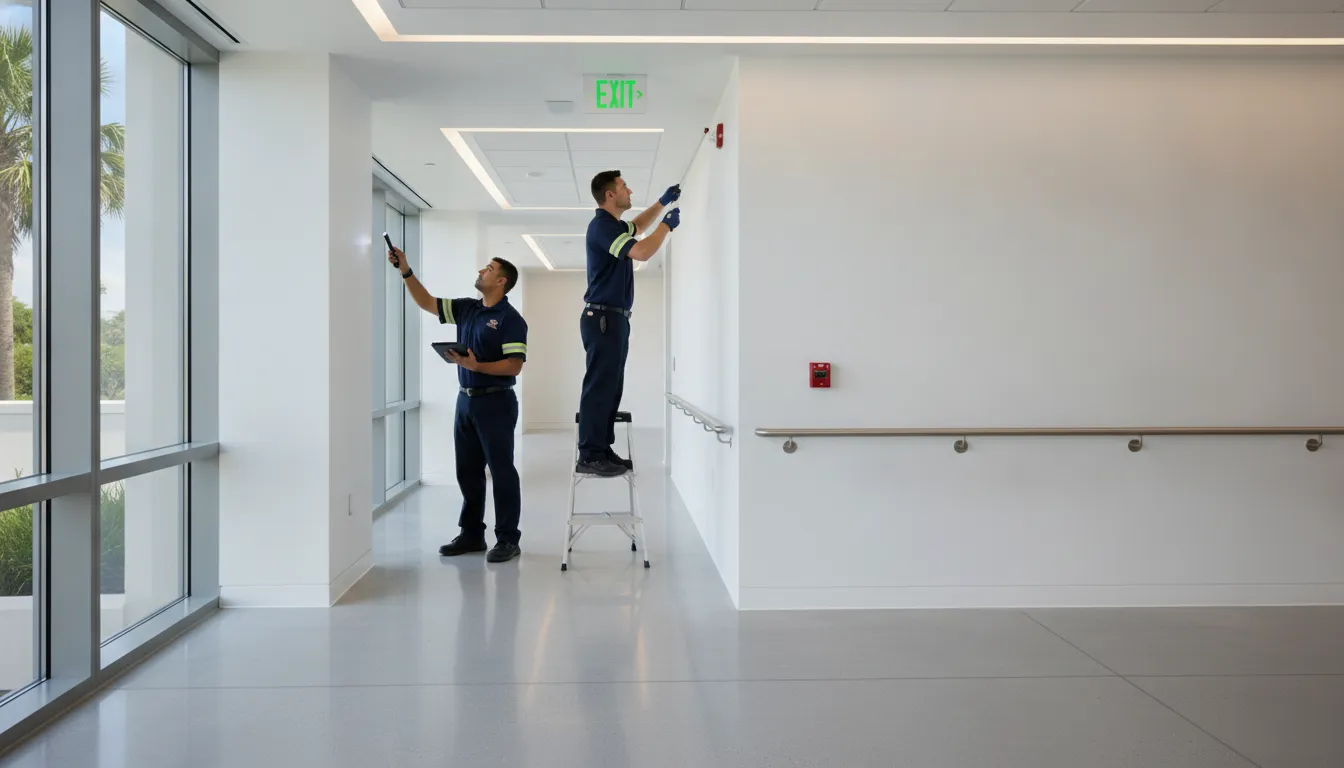
Field inspections occur during the building phase. You must prepare the site before the fire official arrives. The fire marshal will check if the build matches the approved plans. They also look for hazards that could put people in danger. Passing this test is a major step toward finishing your project.
- Maintain a full set of approved plans at the construction site.
- Test all fire alarms and safety lights before the visit.
- Clear all trash and building scraps from the exit paths.
- Verify that all fire-rated doors close and latch on their own.
A failed inspection can stop your work and cost you money. You should review typical plan and inspection requirements to be ready. Many cities require a fire marshal permit for any space with 50 or more people. Using a list helps your team avoid common errors and stay on schedule.
Frequently Asked Questions
How much does a Florida fire marshal permit cost?
Costs for a permit vary based on your local city or county fee rules. For simple permits, such as assembly or tent sign-offs, fees often start at about $70. For larger commercial builds, the price mostly depends on the size of the project and the time needed for the plan check. You can avoid extra costs and fines by using expert permit help to ensure your file is complete on the first try.
Can I apply for a Florida fire marshal permit online?
Many Florida cities provide web portals where you can send plans and pay fees. Places like Tampa have set up systems to handle a fire marshal permit request through their digital tools. For projects involving state-owned or state-leased buildings, you must send digital plans to the Division of State Fire Marshal for review. This online process helps speed up sign-offs and keeps your project on track.
When is a fire marshal permit needed for a Florida commercial project?
A permit is needed for any new commercial build, change of building use, or large assembly space. According to the City of Tampa, you must get a permit for any space meant for 50 or more people. You also need a check for fire systems like alarms and sprinklers. This review ensures your project follows the current set of the Florida Fire Prevention Code.
How long does it take to get a fire marshal permit in Florida?
The time to get a permit depends on the project size and local office staff. However, new Florida laws like HB 683 and HB 1035 now set firm dates for permit sign-offs to help speed up builds. Using an expert service can help you meet these dates by avoiding common errors. Proper planning ensures that missing forms or code issues do not lead to long waits or project stops.
Are you ready to get your fire marshal permit on time?
Waiting too long for fire safety reviews often causes big project delays. These gaps in your schedule can lead to high costs and missed dates for your business to open. You can stop these problems by acting now to get your forms and plans ready. When you start this process today, you give your work the best chance to stay on track. Expert help makes it easy to follow complex fire codes and avoid common filing errors. Taking this step now will save you from the stress of a stopped building site. Our team is ready to help you manage the local rules and state laws for fire safety in Florida. By working with us, you make sure your building is safe and your permits are ready when you need them.
Ready to request a proposal? Visit our quote page to request a proposal for your project today.