

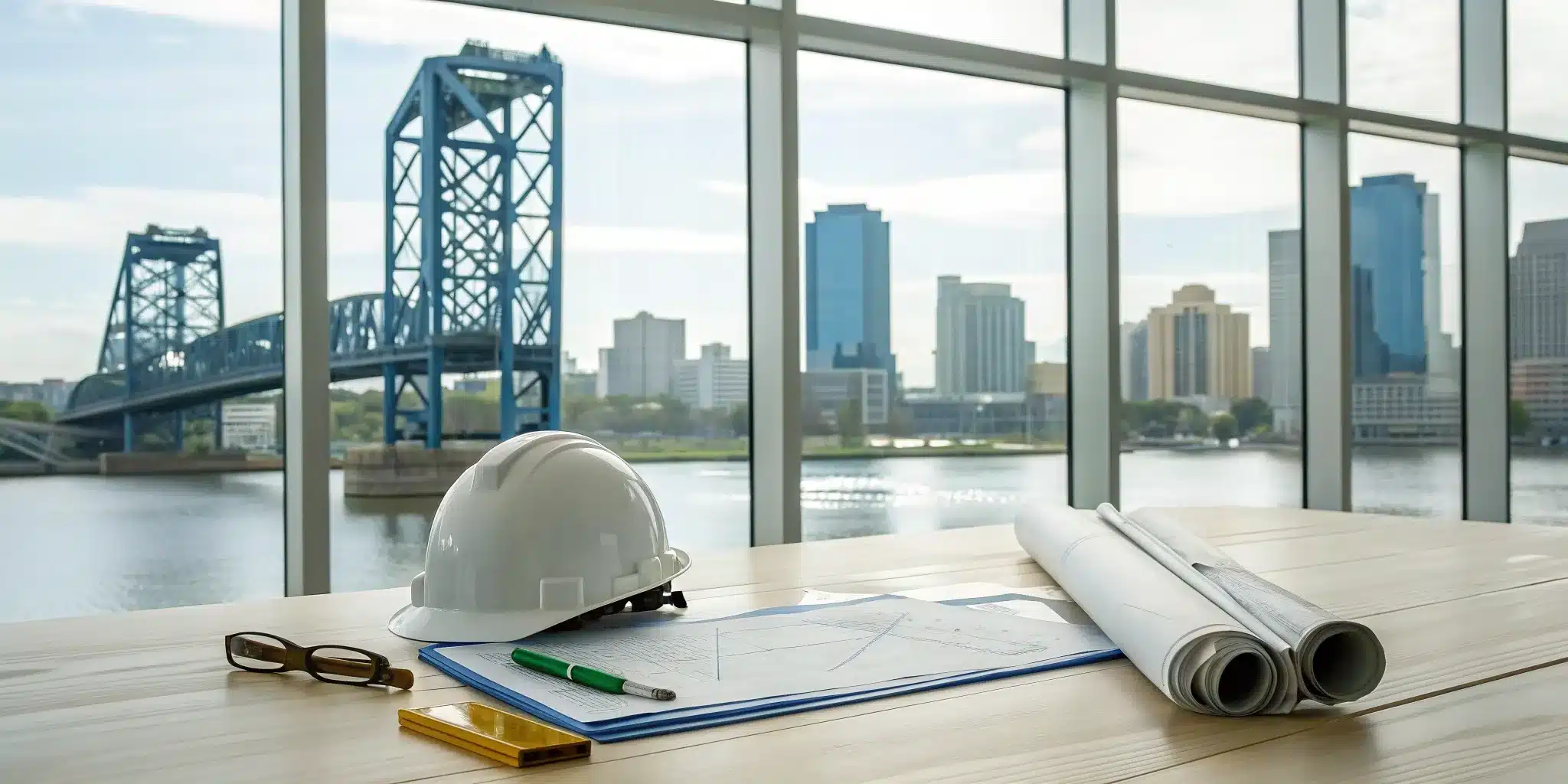
Getting approval for a major build is like a relay race, and your application is the baton. It gets passed from the Zoning Section to the Building Inspection Division, and sometimes to state agencies. A smooth handoff is critical. A fumble at any stage—like a missing document or an incorrect plan—can stop your project cold. This multi-layered review is the core of the Jacksonville, Florida building permit process. To master commercial permitting in Jacksonville, you need a game plan. This guide is your coach, explaining who the key players are and how to ensure every handoff is seamless for a fast finish.
Key Takeaways
- Verify your project’s compliance before you apply: Make sure your plans meet Jacksonville’s specific zoning and concurrency laws, and have all professional plans and environmental documents ready to go. This foundational step prevents early rejections.
- Plan for a multi-agency review process: Your industrial permit application will pass through several city and state departments, each with its own timeline and requirements. Coordinating these reviews is essential for keeping your project on schedule.
- Streamline your submission to reduce risk: The most common permit delays come from simple mistakes like incomplete forms or overlooked local rules. Ensuring your application is complete and accurate from the start is the best way to protect your project’s timeline and budget.
How Does Industrial Permitting Work in Jacksonville, FL?
Getting an industrial project off the ground in Jacksonville involves a structured permitting process designed to ensure every new building is safe and meets local regulations. Think of a building permit as the city’s official green light for your project. It’s a confirmation that your plans comply with building codes, zoning laws, and safety standards, which protects the community and supports responsible development.
Understanding this process is the best way to keep your project on track and avoid unnecessary delays. Our team handles these complexities every day, providing expert guidance to ensure your project moves forward smoothly.
Understanding the Local Permitting Framework
In Jacksonville, a building permit is an essential authorization that confirms your construction plans are safe and compliant. The city’s permitting framework is in place to make sure all industrial, commercial, and residential projects adhere to established building codes and land use regulations. This system ensures that new structures are sound and that development aligns with the city’s long-term goals.
Successfully working within this framework means understanding the specific requirements for your project type. For industrial projects, this often involves detailed reviews of site plans, structural designs, and environmental impacts. Getting this right is crucial for avoiding fines, work stoppages, and costly revisions down the road.
From Start to Finish: Your Application Stages
The application process in Jacksonville follows a clear sequence. Before you can even apply for your main building permit, you’ll need to secure approvals for zoning and concurrency management. Concurrency management is a big one, requiring a comprehensive civil engineering plan review that involves multiple city agencies. It’s a foundational step that confirms your project has the necessary public infrastructure to support it.
Once you have those initial approvals, you can gather your application documents, including a full set of plans and drawings. After you submit everything, the city reviews your application and provides comments. You’ll address these, resubmit for a final review, and once approved, you’ll receive your permit. If this sounds like a lot, you can always request a proposal to have an expert handle it for you.
Do You Know Which Industrial Permits You Need?
For industrial projects, the specific permits you need depend on the scope and cost of your work. According to Jacksonville’s ordinance code, if your project, including alterations or repairs, costs $25,000 or more, your plans must be prepared and signed by a registered architect or professional engineer licensed in Florida. This ensures a high standard of safety and design for larger-scale construction.
You’ll also need to coordinate with environmental agencies. Before submitting plans to the Building Inspection Division, you must get a permit or a letter of exemption from the St. Johns River Water Management District. The city’s official commercial permits page provides more detail, but managing these inter-agency steps is where professional help can make a real difference.
Work That Is Exempt from Permitting
While the permitting process is thorough, the good news is that not every project requires a full review. Jacksonville recognizes that some small-scale jobs and minor repairs don’t pose a significant safety risk, so they are exempt from permitting requirements. This allows property owners to handle simple upkeep and enhancements without unnecessary delays. Understanding these exemptions can save you time, but it’s essential to know exactly where the city draws the line to ensure you remain compliant and avoid any unexpected issues with your project.
According to the Jacksonville Building Inspection Division, the following types of work generally do not require a permit:
- Building patio slabs: You can install a simple ground-level patio slab to improve your outdoor space without needing to file for a permit.
- Replacing plumbing fixtures: Swapping out an old faucet or showerhead is fine, but this exemption doesn’t apply to bigger jobs like replacing a water heater or altering your plumbing lines.
- Minor leak repairs: You can stop leaks or clear clogged drains on your own, as long as you aren’t replacing any pipes or fixtures in the process.
- Connecting portable equipment: Plugging in portable heating or cooling units is also exempt from permitting.
It’s crucial to remember that these exemptions are strictly for minor work. Any significant alterations, new structures, or major repairs to your electrical, plumbing, or HVAC systems will still require a permit. Misinterpreting these rules can lead to fines and stop-work orders, which can be costly and frustrating. For a detailed list, you can always review Jacksonville’s official resources to confirm if your project qualifies as exempt.
Your Industrial Permit Document Checklist
Getting your documents in order is one of the most important steps for a smooth permitting process. Industrial projects are complex, and your paperwork needs to be just as detailed. A successful application depends on thorough research and accurate documentation. Missing even one form can lead to frustrating delays that throw your entire project off schedule. Think of this phase as building the foundation for your application; the stronger it is, the better your chances of a quick approval. The city of Jacksonville has specific requirements, and understanding them upfront will save you headaches later. From architectural plans to environmental assessments, each piece of paper plays a critical role in demonstrating your project’s compliance and safety. It’s not just about filling out forms; it’s about presenting a complete, professional package that shows reviewers you’ve done your homework. This is where many projects get stuck, but with a clear checklist, you can stay on track. Our team handles these details every day, providing end-to-end service to ensure nothing gets missed. Let’s walk through the key documents you’ll need to pull together for your Jacksonville industrial permit so you can feel confident when you submit your application.
Start with These Application Materials
Let’s start with the basics. Every permit application requires a core set of documents, including detailed plans and specifications. It’s essential to check directly with Jacksonville’s municipal offices to get a precise list for your specific project, as requirements can change. Generally, you should be prepared to provide the main application form, proof of property ownership, and copies of your contractor’s state license and insurance. Having these items ready to go from day one will make the entire process much easier. If you’re unsure where to begin, we can help you request a proposal to get a clear picture of what’s needed.
Key Document Formatting and Submission Rules
Getting the formatting right is a small step that makes a huge difference. Jacksonville requires all permit applications to be submitted online through the JaxEPICS system, so you’ll need to make sure every document is in PDF format. A common reason for rejection is an incomplete package, so double-check that you’ve included a full set of plans, drawings, and any required forms. The review process only begins after all initial approvals are secured and fees are paid, so a complete and accurate submission is the best way to avoid unnecessary delays. Once your permit is approved, remember it’s the contractor’s job to print all approved documents and have them on-site for inspections.
Preparing Your Architectural and Engineering Plans
For any significant industrial project, professional plans are a must. In Florida, if your project involves alterations, repairs, or new construction costing $25,000 or more, the plans must be prepared and signed by a registered architect or professional engineer. This isn’t just red tape; it’s a crucial step to ensure your building is safe, structurally sound, and compliant with all state and local codes. These detailed blueprints will cover everything from the foundation and structural frame to the electrical, plumbing, and mechanical systems. The Jacksonville building inspection division will review these plans carefully, so accuracy is key.
Submitting Site Plans and Environmental Assessments
Your project doesn’t exist in a vacuum. City reviewers need to see how it fits into the surrounding area, which is why a detailed site plan is required. This plan shows property lines, building placement, access roads, parking, landscaping, and drainage. It gives officials a complete picture of your development’s footprint. In many parts of Jacksonville, you also need to consider the environmental impact. Before you can even submit for a building permit, you may need a letter of exemption or a separate permit from the St. Johns River Water Management District to address any potential effects on local water resources.
Meeting Energy Code Compliance Requirements
Florida is serious about energy efficiency, and your industrial building will need to meet the state’s standards. As part of your permit application, you’ll have to submit documents that prove your project complies with the Florida Building Code for energy conservation. This usually involves providing specific calculations, reports (like a COMcheck), and specifications for materials like insulation, windows, and HVAC systems. While it might seem like another box to check, designing for energy efficiency from the start will save you money on utility bills for years to come. It’s a smart investment that also happens to be a requirement for getting your permit approved.
How Zoning and Concurrency Laws Affect Your Project
Once you have your documents in order, the next step is to make sure your project aligns with Jacksonville’s local laws. This is where many projects hit unexpected snags. Two of the most important areas you’ll need to address are zoning classifications and concurrency requirements. Understanding these regulations from the start is key to keeping your project on track and avoiding costly revisions down the road. Think of it as creating a solid legal foundation for your build.
A Guide to Jacksonville’s Zoning Classifications
Before you get too far into planning, you need to get familiar with Jacksonville’s zoning classifications. Every property is assigned a specific zone that dictates exactly what kind of industrial activities are allowed. The city’s official guidance is clear: you should always check the zoning rules for your property before you apply for a building permit. Making this your first step is non-negotiable. It ensures your project is compliant from day one and helps you avoid the kind of legal headaches and delays that can stop a project in its tracks. Getting this right sets the stage for a much smoother permitting process.
Making Sense of Concurrency Requirements
Next up is concurrency management. This might sound complicated, but the core idea is simple: your project can’t put an excessive strain on public infrastructure. Before you can move forward, the city needs confirmation that services like water, sewer, traffic, and waste management can handle the new demand your project will create. As the city puts it, you need to “Make sure your project won’t negatively impact public services.” This step is essential for showing that your development is a responsible and sustainable addition to the community. It’s a critical checkpoint in the permitting journey that confirms your project is a good neighbor.
When and How to Apply for a Variance
What happens if your project plans don’t perfectly align with the existing zoning rules? This is where a variance or exception comes in. It’s a formal request to deviate from the established regulations. However, this isn’t an easy path. The city’s stance is that “your project must fit the fix zoning issues first.” Applying for a variance involves a detailed process with specific criteria you must meet. It requires a strong, well-documented case to justify why an exception should be granted. This is often where having an expert on your side can make all the difference.
Financial and Legal Considerations for Your Project
Beyond the blueprints and site plans, your project’s success hinges on solid financial planning and legal diligence. This is where you move from the “what” and “how” of building to the “how much” and “what if.” Properly managing your budget, filing the right legal notices, and protecting your investment from potential claims are just as important as laying the foundation. These steps aren’t just bureaucratic hurdles; they are essential safeguards for your project’s timeline and financial health. Getting these details right from the beginning prevents costly surprises and legal headaches that can derail even the most well-planned industrial build.
Understanding Jacksonville’s Permit Fee Structure
Budgeting for your project means looking beyond labor and materials to include the cost of permits. In Jacksonville, these fees aren’t one-size-fits-all. According to the city’s guidelines, permit costs vary significantly based on your project’s type and scale. For new construction, fees are often calculated per 100 square feet, while alterations or roofing projects use different calculation methods. On top of the base permit fee, you also need to account for additional costs like city surcharges and plan review fees. Factoring these variable expenses into your initial budget is crucial for maintaining financial control and ensuring you have a realistic picture of your total project cost from the outset.
Filing a Notice of Commencement
Before any major work begins, you’ll need to file a Notice of Commencement (NOC). This official document formally marks the start of your project and is required for any work costing over $5,000 (or $15,000 for mechanical systems). According to Jacksonville’s official requirements, the property owner is the only person who can sign the NOC. You must have it recorded at the Clerk of Courts before your first inspection is scheduled and keep a certified copy posted visibly at the job site. This isn’t just a piece of paperwork; it’s a critical legal step that protects all parties involved and is a prerequisite for moving forward with construction.
How to Protect Your Project from Liens
One of the biggest financial risks in any construction project is a lien, which is a legal claim against your property for unpaid work. Fortunately, you can take proactive steps to protect your investment. The City of Jacksonville advises property owners to always get a “Release of Lien” from their general contractor with each payment made. This document serves as your receipt, proving they have been paid. Additionally, if any subcontractors or suppliers send you a “Notice to Owner,” you should also obtain lien waivers from them. Diligently collecting these documents creates a clear paper trail that safeguards your property from claims and ensures a clean title once the project is complete. Managing this process can be complex, but it’s a non-negotiable part of any successful build.
Who Reviews Your Industrial Permit in Jacksonville?
Getting an industrial permit in Jacksonville isn’t a matter of visiting a single office and getting a stamp of approval. Instead, your project plans will be reviewed by a team of different agencies, each with its own set of rules and priorities. Think of it as a relay race where your application is the baton, passed from one reviewer to the next at the city, state, and sometimes even federal level. Understanding who these players are and what they’re looking for is the first step to a smoother process.
Each agency has a specific role, from checking zoning laws to protecting natural resources. A delay or rejection from one can bring your entire project to a halt. This is why knowing the landscape is so important. It helps you prepare a complete application that addresses every requirement from the start, saving you from the frustrating back-and-forth that can derail timelines and budgets. Let’s break down which agencies you’ll likely be working with.
How to Work with City Departments
Your first and most frequent point of contact will be with Jacksonville’s city departments. These are the local agencies responsible for making sure your project aligns with community plans and safety codes. Getting their approval is the foundation of your permit application. You’ll need to get the green light from several key divisions, including the Zoning Section, which confirms your project is suitable for its location, and the Building Inspection Division, which reviews your plans for structural safety and code compliance. You can find a detailed overview of the requirements for commercial permits on the city’s website.
What Are the State Agency Requirements?
Beyond the city limits, several Florida state agencies may also need to review your plans, especially if your project impacts regional resources. For example, the St. Johns River Water Management District will likely be involved if your site plan affects water use or drainage. Depending on the nature of your industrial facility, you might also need approvals from the Division of Hotels and Restaurants or the Department of Agriculture and Consumer Services. It’s important to identify these state-level requirements early, as you often need their sign-off before the city will issue its final permit.
When Do Federal Agencies Get Involved?
For certain large-scale or environmentally sensitive projects, you may need to clear federal hurdles. This is less common than city or state reviews, but it’s a critical step if it applies to your project. The most common federal agency involved in local development is the U.S. Army Corps of Engineers, which has jurisdiction over projects that could impact navigable waters or protected wetlands. If your project falls into this category, you’ll need to factor in a separate and often lengthy federal review process. Identifying this requirement from the beginning is essential to creating a realistic project timeline.
Tips for Coordinating Between Agencies
Juggling the demands of multiple government agencies is often the biggest challenge of the permitting process. Each one has its own timeline, submission requirements, and contact people. Effective coordination is key. This means maintaining open lines of communication, submitting accurate and thorough documentation to everyone involved, and tracking your progress with each reviewer. This can feel like a full-time job. That’s why many developers and contractors choose to work with a permit expediter who can manage these moving parts, ensuring your application moves smoothly from one agency to the next without unnecessary delays.
How Long Will It Take? Common Permit Challenges
Getting an industrial permit in Jacksonville isn’t just about filling out forms; it’s about managing a timeline that can be influenced by many factors. From initial reviews to public hearings, understanding the potential hurdles and how long each step takes is key to keeping your project on track. Delays often come from underestimating review periods or not anticipating the requirements of different agencies. Knowing what to expect can help you create a realistic schedule, avoid costly setbacks, and move your project from blueprint to reality without unnecessary stress.
The entire process requires careful planning and a proactive approach. Whether your project is straightforward or complex, being prepared for each stage of review will make a significant difference. Let’s break down the typical timelines and common challenges you might face.
Understanding the Permit Review Timeline
Patience is essential when it comes to permit reviews. Once you submit your application, the initial review by Jacksonville’s building department typically takes about 25 to 30 business days, which is roughly five to six weeks. This is the time officials take to go through your plans and check for compliance with codes and regulations. If they find issues and send back comments, you’ll need to make corrections and resubmit. The review for a resubmission is usually faster, taking around 10 business days, or two weeks. Keep in mind that these timelines can stack up, so getting your application right the first time is the best way to save time.
When Does the Official Review Clock Start?
It’s a common question, and the answer might surprise you. The 25 to 30-day review period doesn’t start the moment you submit your application. Think of it this way: your application has to get through a preliminary checkpoint before it even enters the official race. In Jacksonville, the review clock only starts ticking *after* your plans have been approved by Zoning, Concurrency, and Development Services, and after you’ve paid the plan review fee. This is a crucial detail because any issues at this early stage can leave your project sitting in limbo. Getting your application package perfect from the start is the best way to ensure you pass this initial checkpoint and get the official review process started without delay.
Why Project Complexity Affects Your Timeline
Not all projects are created equal, and a more complex industrial build will naturally have a longer permitting timeline. Simple tenant build-outs might move through the system relatively quickly, but large-scale new constructions with unique engineering or environmental considerations will face more scrutiny. The most common reasons for rejection or delay are surprisingly simple: incomplete applications, ignoring specific local rules, or using outdated data. Each of these mistakes adds another round of reviews and pushes your timeline back. Properly managing your project’s permitting needs from the start is the best way to handle this complexity and avoid preventable delays.
How Long Your Permit Stays Active
Once your permit is issued, it doesn’t last forever. In Jacksonville, a building permit is typically valid for 180 days from the date it’s issued. This isn’t a hard deadline, though. The clock resets for another 180 days every time you complete a successful inspection. This system is designed to ensure your project keeps making steady progress. If you anticipate a delay and are worried about your permit expiring, you can request an extension in writing before the expiration date. It’s also critical to wait for the permit to be officially issued before starting any work. Jumping the gun can lead to double the permit fees and potential work stoppages, which is a headache no one wants. Properly managing your permit’s lifecycle is a key part of our end-to-end service, helping you stay compliant and on schedule.
What to Expect During an Environmental Review
Before you even submit your plans to the Building Inspection Division, you may need to clear an environmental review. For many industrial projects in Jacksonville, this means getting a permit or a letter of exemption from the St. Johns River Water Management District. This agency reviews your project’s potential impact on water resources, wetlands, and local ecosystems. This is not a step to overlook, as it’s a prerequisite for your building permit. Failing to secure this approval early on will bring your entire application to a halt. Be sure to factor this separate but mandatory review into your project’s preliminary schedule.
How to Prepare for Public Hearings
For larger or more impactful industrial projects, you may be required to participate in public hearings as part of the approval process. This is where you present your project to a planning commission, city council, or neighborhood board. Success here hinges on clear communication and thorough preparation. You’ll need to present your plans confidently and be ready to answer questions from officials and community members about traffic, noise, environmental impact, and other concerns. Having all your documentation in order and being able to explain how your project meets all regulations is vital for gaining the necessary support to move forward. If this sounds daunting, getting expert guidance can make all the difference.
Common Permit Application Mistakes to Avoid
Even the most carefully planned industrial project can get stuck in limbo because of a simple application error. These aren’t just minor typos; they’re missteps that can lead to significant delays, added costs, and a lot of frustration. The good news is that most of these mistakes are entirely preventable. When you know what the common pitfalls are, you can prepare your application to sail through the review process more smoothly.
From missing paperwork to misunderstanding local codes, these errors often stem from a lack of familiarity with Jacksonville’s specific requirements. Each mistake can trigger a cycle of rejections and resubmissions, pushing your project timeline back by weeks or even months. Taking the time to get it right the first time is one of the best investments you can make in your project’s success. Let’s walk through the most frequent mistakes so you can avoid them from the start.
Mistake #1: Submitting Incomplete Documents
One of the fastest ways to get your permit application rejected is to submit an incomplete package. It’s a common mistake to assume one permit covers everything or to overlook a required form. Jacksonville’s reviewers need a full picture of your project, which means every document, from site plans to environmental assessments, must be included and correctly filled out. A single missing signature or an outdated survey can be enough to send your application back to the starting line. Before you submit, create a checklist of all required materials and double-check that every item is accounted for. Our comprehensive services ensure your application is complete and accurate before it ever reaches the city.
Mistake #2: Starting Work Before Approval
The pressure to stick to a construction schedule is intense, and it can be tempting to start preliminary work while you wait for your permit. This is a costly mistake. Beginning any construction activity before you have an approved permit in hand can result in stop-work orders, hefty fines, and the requirement to undo any work that has already been completed. City inspectors are vigilant, and being caught can damage your reputation and jeopardize your entire project. No matter how confident you are in your application’s approval, always wait for the official green light from the city before breaking ground. It protects your investment and ensures your project starts on solid legal footing.
Mistake #3: Underestimating the Consequences
It’s tempting to view permitting as just another bureaucratic hurdle, but the consequences of getting it wrong are more than just a slap on the wrist. The risks associated with non-compliance are real, carrying significant financial and legal weight that can put your entire project in jeopardy. From steep fines that eat into your profits to the worst-case scenario of having to demolish completed work, the penalties are designed to be a serious deterrent. Understanding what’s at stake isn’t about fear; it’s about making smart business decisions that protect your investment and keep your project on solid ground. Let’s break down the specific risks you face.
The Cost of Non-Compliance: Fines and Penalties
Failing to secure the proper permits before you start work can lead to immediate and significant financial repercussions. Depending on the scope of the project, you could be facing fines that run from hundreds into thousands of dollars. These penalties aren’t just a minor cost of doing business; they can seriously impact your project’s budget and profitability. In most cases, the fines for non-compliance are far greater than the original cost of the permit itself, making any attempt to bypass the system a risky financial gamble. The smartest way to protect your bottom line is to ensure full compliance from the very beginning, avoiding these preventable and costly penalties.
Risk of Forced Removal of Unpermitted Work
One of the most severe consequences of building without a permit is receiving a stop-work order, which legally forces an immediate halt to all construction. But the risk doesn’t end there. If officials determine the unpermitted work is unsafe or violates building codes, they can require you to tear it all down. This is a devastating blow, forcing you to pay for demolition and then pay again to rebuild the work correctly once a permit is finally issued. This kind of setback can completely derail a project’s timeline and budget. Proper permit management is the most effective way to protect your project from this worst-case scenario.
Mistake #3: Overlooking Local Regulations
Jacksonville has its own specific zoning laws, building codes, and environmental regulations that may differ from other parts of Florida. A common error is assuming that what worked for a project in another county will automatically apply here. It’s essential to do your homework on Jacksonville’s unique requirements for industrial projects. This includes understanding local concurrency rules, land use restrictions, and any specific ordinances that affect your site. Overlooking these details can lead to a rejected application or the need for expensive redesigns. A thorough review of local codes is a critical step in preparing a successful permit application.
Mistake #4: Communicating Poorly with Authorities
The permit review process isn’t just about submitting paperwork; it’s also about building a professional relationship with the city officials who review your project. Poor communication, like failing to respond to requests for information or being unclear in your explanations, can create friction and slow things down. Treat the reviewers as partners in the process. Be proactive, responsive, and clear in all your interactions. If they have questions, answer them promptly and thoroughly. Maintaining an open and respectful line of communication can make a significant difference in how smoothly your application moves through the system.
Where to Find Help for Your Permit Application
Navigating Jacksonville’s industrial permitting process is much easier when you know where to find help. The city provides several key resources to support your application, from online portals to direct staff assistance. Using these tools effectively can streamline your submission, prevent common errors, and keep your project on schedule. Let’s look at the most valuable resources available to you.
How to Use the JaxEPICS Online Portal
All permit applications in Jacksonville must go through the city’s JaxEPICS portal. This online system is your central hub for managing the entire process. You can use it to submit documents, track your application’s progress, and communicate with city reviewers. The portal keeps all your project information organized in one place, which is much more efficient than managing everything through email. I recommend spending some time getting familiar with the platform before you submit your first document. Understanding how it works early on will make the entire process feel much more manageable.
Registering as a Contractor or Design Professional
To get started in Jacksonville, it’s helpful to know that a registered design professional, like your architect or engineer, can initiate the online application and plan review process before a contractor is even selected. This gives your project a valuable head start. However, the permit can’t be officially issued until your chosen contractor is brought into the loop. They are responsible for submitting the “Permission to Obtain Permit” form and paying all the required fees. This final step ensures all parties are officially connected to the project and that the city can issue the permit without any hold-ups, keeping your timeline intact.
Decoding Common Permit Statuses
As your application moves through the JaxEPICS system, you’ll see its status update. Understanding these terms is key to knowing exactly where your project stands. Here’s a quick guide to what you’ll see:
- Not Submitted: You’ve started an application in the portal but haven’t officially sent it to the city for review.
- In Review: Your application is with the city. The Building Inspection Division and, if needed, the Fire Marshal are reviewing your plans for code compliance.
- Return for Corrections: A reviewer needs more information or has requested changes to your plans. You’ll need to address their comments to move forward.
- Active: This is the green light. Your permit has been issued, and you can begin construction.
- Finalized: Your project is complete. All work and final inspections have been approved, and the city has officially closed the permit.
Find Support at the Building Inspection Division
The Jacksonville Building Inspection Division (BID) oversees most construction permits and is a key resource for applicants. While their primary role is to ensure your project complies with building codes, they also provide guidance. If you have questions about specific requirements or need clarification on a review comment, the BID is your go-to source. Don’t hesitate to reach out to them. Establishing a good working relationship can help you resolve issues quickly and avoid unnecessary delays. Think of them as partners in getting your project approved correctly and safely.
Key Contact Information
It’s always a good idea to keep key contact information in your back pocket. For most of your questions, the Jacksonville Building Inspection Division (BID) will be your main point of contact. You can visit them in person at the Ed Ball Building, located at 214 North Hogan Street on the 2nd floor. If you need to speak with someone directly, their phone number is (904) 255-8500, and for submitting documents or sending inquiries, the best email is BIDDocuments@coj.net. And don’t forget, every application starts online, so be sure to bookmark the city’s JaxEPICS portal, as you’ll be using it often to manage your submission.
Why You Should Schedule a Pre-Application Meeting
Before you formally apply, I highly suggest scheduling a pre-application meeting with city staff. This is an invaluable opportunity to get early feedback on your project. You can discuss critical issues like zoning and concurrency management, which often require input from multiple agencies. By addressing these potential hurdles upfront, you can avoid major revisions and delays later on. This proactive step helps ensure your application is well-prepared and aligned with city expectations from the start, saving you a lot of headaches down the road.
How to Stay Updated on Regulation Changes
Local building codes and regulations can change, and your application must comply with the most current rules. Staying informed is essential for success, but it can feel like a full-time job. This is an area where professional support can be a game-changer. A permit expediting service stays on top of these regulatory shifts for you, ensuring your application remains accurate and compliant. This not only reduces the risk of rejection due to outdated information but also frees you up to focus on the project itself instead of constantly monitoring municipal updates.
Your Checklist for a Successful Application
Getting an industrial permit in Jacksonville is about more than just filling out forms; it’s about strategic preparation. A proactive approach can make the difference between a smooth process and one filled with frustrating delays. By focusing on a few key areas before you even submit your application, you can set your project up for success from day one. Let’s walk through the essential steps to get your application ready for a swift review.
Create a Solid Plan Before You Apply
A successful permit application begins long before you submit any paperwork. Think of it as building a strong foundation for your project. This means getting all your documents in order, creating a clear timeline, and anticipating the next steps. Keep detailed records of every document, track important deadlines like expiration dates, and be ready for inspections at various stages of the project. This level of organization not only helps you stay on top of the process but also shows the permitting office that you are a serious, well-prepared applicant. A little foresight here prevents major headaches later.
Find and Work with Qualified Professionals
Your project plans are the heart of your application. They need to be detailed, accurate, and fully compliant with Jacksonville’s codes. This is where having the right team of architects and engineers is non-negotiable. Incomplete or inaccurate plans are one of the most common reasons for permit delays, rejections, and even fines. A qualified professional will ensure your designs account for all relevant regulations, from structural integrity to zoning laws. Investing in expert help upfront ensures your plans are thorough and correct, which is a critical step toward a smooth approval process. You can request a proposal to see how our experts can support your project.
How to Verify Contractor Licenses and Insurance
Hiring the right contractor is crucial, but it’s just as important to verify they are properly licensed and insured. This isn’t just a formality; it’s your primary protection against liability for accidents or property damage on your job site. In Florida, licensed contractors must carry general liability and worker’s compensation insurance. Don’t just take their word for it—do a quick check yourself. You can verify their license with the Florida Department of Business and Professional Regulation. To confirm they have current worker’s compensation coverage, call the Division of Worker’s Compensation Compliance at 850-488-2333. Once you’ve confirmed their credentials, make sure you get a detailed written contract that outlines the scope of work, costs, and timeline before any work begins.
How to Build Strong Relationships with Agencies
Effective and professional communication with local authorities can significantly influence your permitting journey. This doesn’t mean you need to be best friends with the plan reviewers, but it does mean maintaining an open, respectful line of communication. Be responsive to their questions, provide clear and concise information, and approach every interaction with professionalism. A strong working relationship is built on trust and clarity. When reviewers see you as a cooperative and organized applicant, they are often more willing to work with you to resolve minor issues. This collaborative approach is vital for getting through the permitting process.
How to Manage Your Project’s Impact Fees
The cost of a permit goes beyond the initial application fee. Jacksonville, like many cities, charges impact fees to offset the cost of public services required by new developments. These fees can vary significantly based on your project’s size and type, so it’s crucial to factor them into your budget from the start. You can find the complete fee schedule in Section 320.409 of the Jacksonville Ordinance Code. Understanding and planning for these expenses helps you avoid financial surprises and ensures your project stays on budget. Proper financial management is just as important as accurate blueprints for a successful industrial project.
Applying Before You’ve Hired a Contractor
Jacksonville offers some flexibility that can help you get a head start on your project timeline. According to the city’s online submission guidelines, a registered design professional can initiate the application and review process even before you’ve selected a contractor. This is a great way to get the ball rolling on the city’s review. However, it’s important to know that the permit won’t be officially issued until a contractor is on board. That contractor will need to submit a “Permission to Obtain Permit” form and pay all the associated fees to finalize the process. While this approach can streamline things, it adds another layer of coordination to manage.
Coordinating Sub-Permits for Trades
For a large industrial project, your main building permit is just the beginning. Each specialized trade—like electrical, plumbing, HVAC, and roofing—requires its own separate sub-permit, and each must be secured by a licensed contractor for that specific trade. These sub-permits are all linked to your main permit, creating a chain where a delay with one can hold up the entire project. It’s crucial that all your contractors are aligned and efficient in securing their permits. As you move into the construction phase, you’ll also need to schedule inspections and ensure the permit and approved plans are always available on-site for the inspectors. This level of coordination is where having an expert manage your permitting process can be a huge advantage.
Should You Use a Permit Expediting Service?
The industrial permitting process in Jacksonville can feel like a maze of paperwork, regulations, and agency reviews. While it’s possible to handle it on your own, many contractors, developers, and architects find that partnering with a permit expediting service is the key to keeping their projects on schedule and within budget. An expediter acts as your dedicated guide, managing the entire process so you can focus on the actual construction.
Get Expert Help with Local Rules
One of the most frequent reasons for permit rejection is overlooking specific local regulations. Jacksonville, like every other Florida municipality, has its own unique set of codes, zoning laws, and submission requirements. Keeping up with these rules, which can change over time, is a full-time job. A permit expediting service brings this specialized knowledge directly to your project. Instead of spending hours researching ordinances, you get an expert who already understands the local landscape. They know exactly what the Jacksonville Building Inspection Division is looking for, ensuring your application is compliant from the start. This expertise helps you avoid common pitfalls that can derail an application before it even gets a full review.
How an Expediter Can Save You Time and Money
Time is money in any construction project. Delays in permitting can lead to significant financial setbacks, including crew downtime, extended equipment rentals, and carrying costs. Submitting an incomplete or incorrect application is a surefire way to cause these delays. A permit expediter’s primary goal is to get your application right the first time. By meticulously preparing and reviewing all your documents, they minimize the chances of rejection and the need for resubmission. This streamlined approach accelerates your timeline, getting your permits approved faster. Think of it as an investment that protects your project from the costly consequences of preventable administrative errors.
Find Comprehensive Support Across Florida
A large industrial project often requires approvals from multiple agencies, not just the local building department. Coordinating with environmental bodies, utility companies, and sometimes even state-level authorities can be a logistical headache. A permit expediting service acts as your single point of contact, managing all communication with these different entities. At All Florida Permits, we offer comprehensive services that cover every aspect of the process. We handle the follow-ups and keep the lines of communication open, so you always know where your application stands. This coordinated effort ensures that nothing falls through the cracks and that every agency has what it needs to move forward.
Lower Your Risk of Delays and Rejections
Ultimately, the greatest benefit of using a permit expediter is risk reduction. Common mistakes like incomplete forms, outdated data, or missing documentation are responsible for the majority of permit rejections in Florida. An expediter’s entire process is designed to catch these issues before your application is submitted. They perform a detailed quality check on every document, cross-referencing it with Jacksonville’s specific requirements. This proactive approach means your application arrives at the city’s desk complete, accurate, and ready for approval. By minimizing the risk of rejection, you can plan your project with greater confidence. If you’re ready to see how we can help your project, you can request a proposal today.
After Your Permit is Approved: Inspections and Closeout
Getting your permit approved is a huge milestone, but it’s not the end of the road. Think of it as the green light to start the race, not the finish line. Now, you enter the inspection and closeout phase, where the city verifies that your work matches the approved plans and meets all safety codes. This stage is just as critical as the application itself. Successfully completing your inspections is the only way to get the final sign-off that allows you to legally use your new space. This final part of the process ensures your industrial building is safe, sound, and officially ready for business.
How to Schedule Project Inspections
Once construction begins, it’s the permit holder’s responsibility to call in for inspections at specific stages. You can’t just build everything and have it checked at the end; inspections must happen at critical points, like before you pour a foundation or cover up electrical work. According to the city of Jacksonville, it is unlawful to skip a required inspection or cover up work that hasn’t passed. You’ll need to request an inspection for each major phase of construction. Staying on top of this schedule is essential for keeping your project moving forward without legal trouble or costly rework.
Keeping Documents On-Site for Inspectors
When an inspector arrives, they need to see your paperwork right away. To keep your project on track, you must have your approved permit and the filed Notice of Commencement (NOC) posted in a visible location on-site. This isn’t just a suggestion; it’s a requirement. These documents prove your work is authorized and give the inspector essential project details. Having everything clearly displayed prevents delays and shows you are organized and compliant. It’s a simple step that can make the difference between a passed inspection and a stop-work order, so make sure your documents are protected and easy to find.
Securing Your Certificate of Occupancy (CO)
The final piece of the puzzle is the Certificate of Occupancy, or CO. This document is the city’s official declaration that your building is safe, compliant, and ready to be used. You can only receive your CO after your project has passed every single required inspection. In some cases, you might get a Temporary Certificate of Occupancy (TCO) that allows you to use parts of the building while minor work is completed. Obtaining this final approval is the true finish line. It’s the culmination of all your planning and hard work, and it’s a critical part of the end-to-end permitting services we help manage for projects across Florida.
Related Articles
- Commercial Permitting Jacksonville: The Complete Guide
- Permit Management for Jacksonville Contractors: A Guide
Contact Us
Frequently Asked Questions
How long should I expect the Jacksonville permit review process to take? A good rule of thumb for an initial review in Jacksonville is about five to six weeks. If the city requests changes, you’ll need to make corrections and resubmit, which adds another two weeks for the second review. These timelines can stack up, so submitting a complete and accurate application from the very beginning is the best way to keep your project moving forward without unnecessary delays.
What’s the most common reason an industrial permit application gets delayed? The most frequent cause of delays is surprisingly simple: an incomplete application. This could mean anything from a missing signature or an outdated site plan to forgetting to include a required environmental assessment. Reviewers cannot approve a partial package, so a single missing document will send your application back to you, forcing you to start the review clock all over again.
Do I have to hire an architect or engineer for my industrial project? Yes, in most cases you will. According to Jacksonville’s ordinance code, if your industrial project involves construction, alterations, or repairs costing $25,000 or more, your plans must be prepared and signed by a professional engineer or registered architect licensed in Florida. This is a non-negotiable requirement to ensure the project meets all safety and structural standards.
What exactly is “concurrency management” and how does it affect my project? Concurrency management is Jacksonville’s way of ensuring that public infrastructure can support new development. Before approving your project, the city needs to confirm that essential services like roads, water, and sewer systems have enough capacity to handle the increased demand. This step is a critical checkpoint that proves your project is a sustainable addition to the community and won’t strain public resources.
Why should I consider a permit expediter instead of handling the application myself? While you can manage the process yourself, a permit expediter saves you from the time-consuming work of learning local codes, coordinating with multiple agencies, and tracking paperwork. We act as your project manager for the permitting process, using our expertise to prepare an accurate application, prevent common mistakes, and keep things moving. This allows you to focus on your actual project instead of getting bogged down in administrative details.