

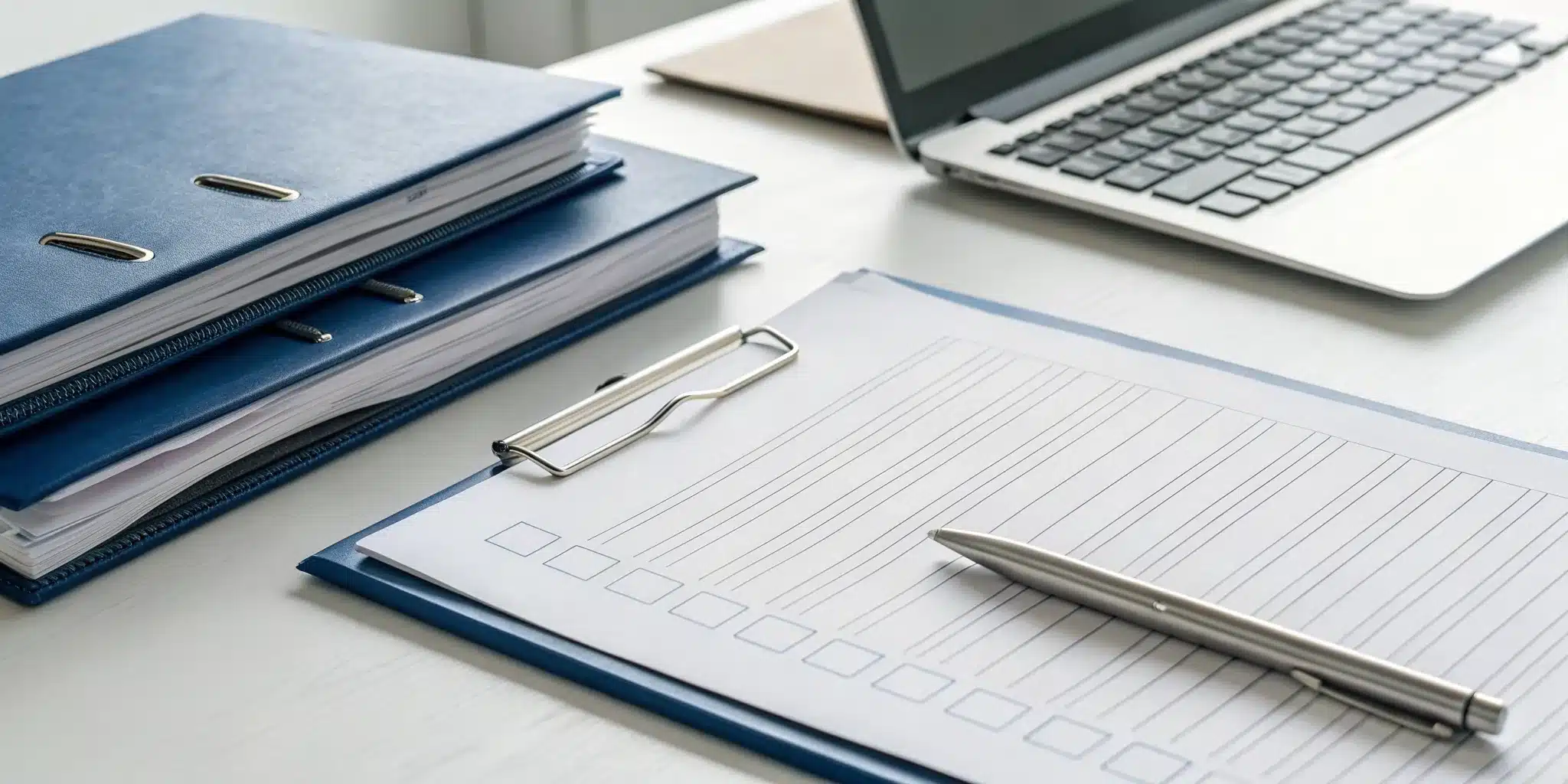
Think of your project as a journey and your building permit as the passport. Without it, you’re not going anywhere. The key to getting that passport stamped is presenting the right set of permit documents. These papers are your official proof to the building department that you’ve done your homework and that your project meets all safety and zoning regulations. Getting this part wrong is the number one reason for delays, leading to wasted time and money. This article breaks down the essential documents you’ll need, explains how requirements change across Florida, and shows you how to avoid the common mistakes that trip up even experienced builders.
Key Takeaways
- Prioritize a Flawless Application: Your permit’s approval speed directly depends on the quality of your initial submission. Prevent instant rejections by double-checking that every document is complete, all signatures are present, and all plans are current.
- Research Local Requirements First: Permitting rules are not the same across Florida; what works in one county can cause delays in another. Always confirm the specific documentation and submission procedures for your project’s municipality before you begin compiling paperwork.
- Use an Expediter to Save Time: A permit expediter acts as your project manager for paperwork, handling the entire process from document review to final submission. This expert oversight helps you avoid common mistakes and ensures your application moves forward efficiently.
What Are Permit Documents (and Why Do They Matter)?
Think of permit documents as your project’s resume. They are the collection of plans, forms, and reports you submit to your local Florida building department to prove your project is well-planned, safe, and compliant with the law. This isn’t just about checking boxes; these documents are the primary way officials verify that your construction, renovation, or repair work meets critical building codes and zoning regulations. Getting this paperwork right from the very beginning is the single most important step to a smooth approval process.
The main reason projects get stuck in review is due to incomplete or incorrect documentation. A missing signature, an outdated survey, or a plan that doesn’t meet local rules can send your application right back to the starting line. That’s why thoroughly researching local regulations before you even think about submitting is so crucial. By presenting a complete and accurate document package, you’re showing the building department that you’re a professional who respects the process, which can make all the difference. Our permit expediting services are designed to handle this entire process, ensuring every detail is correct.
Which Permits Need Documentation?
The short answer is: almost all of them. The complexity and volume of paperwork you’ll need directly relates to the scope of your project. You can’t assume one permit covers everything. For example, a simple permit for a residential fence might only require a basic site plan and the application form. However, a permit for a new commercial building will require a mountain of documents, including complete, sealed, and up-to-date plans from licensed architects and engineers.
Municipalities are strict about these requirements. They need to see detailed architectural drawings, structural engineering reports, land surveys, and sometimes even environmental impact studies. Submitting plans with missing details or using old drawings is one of the fastest ways to get a rejection. Every type of work, from electrical and plumbing to building a new addition, requires its own specific set of documents to prove compliance.
The Importance of Legal and Safety Compliance
All this paperwork might feel like a hassle, but it serves a vital purpose: ensuring your project is legally sound and safe for everyone. These documents are your official proof that the work complies with the Florida Building Code, which exists to protect property and, more importantly, people’s lives. A single mistake during the application stage can cause significant delays, unexpected costs, or even a complete project shutdown.
Investing the time and effort to get your documents in order protects you in the long run. It prevents costly errors during construction and ensures your property is insurable and can be sold without legal issues down the road. When your permit is approved based on accurate and complete documents, you can build with confidence, knowing your project is fully compliant. If you want to guarantee your project meets all legal and safety standards without the stress, you can always request a proposal to have an expert handle it for you.
Your Florida Building Permit Document Checklist
Getting your permit application approved often comes down to one thing: having all your paperwork in order from the start. Think of the following items as your core checklist for most building permits in Florida. While specific requirements can vary by county, gathering these documents will give you a solid foundation for a successful submission and help you avoid common delays.
Proof of Ownership
First, you’ll need to prove you own the property. This is a non-negotiable step that confirms you have the legal right to perform work there. Typically, a recent property tax receipt or a copy of the recorded deed will work perfectly. The most important detail here is ensuring the owner’s name listed on the document is an exact match for the name on the permit application. Any discrepancy, no matter how small, can cause your application to be rejected, so it’s worth double-checking before you submit.
Construction Plans and Specs
This is the heart of your application. You must provide a complete set of construction plans and specifications that clearly outline the entire scope of your project. These blueprints and documents show the building department exactly what you intend to build and how you plan to do it. Your plans must comply with the latest version of the Florida Building Code to ensure everything is safe and up to standard. For more complex projects, you may need to provide additional, more detailed plans to cover all aspects of the construction.
Engineering Reports and Surveys
For projects involving significant structural changes, new foundations, or alterations to the land, you’ll likely need supporting documents from licensed professionals. Engineering reports and land surveys provide the city with critical data, confirming that your project’s design is structurally sound and meets all safety regulations. These documents are prepared by a certified engineer or surveyor and serve as an expert guarantee that your plans are viable. This is a key part of the permitting process for many larger builds and renovations.
Insurance and Bonding Docs
If you’re a contractor, you’ll need to provide proof of your insurance coverage. This almost always includes a certificate of your current Worker’s Compensation insurance, which protects your crew in case of an on-site injury. Depending on the size and value of the project, you might also be asked to submit bonding documents. These documents act as a financial guarantee that the project will be completed according to the terms of your contract. Having these papers ready shows the building department that you are a responsible professional operating in compliance with state law.
Do Permit Requirements Change by County?
Yes, absolutely. Think of Florida as a collection of unique communities, each with its own way of doing things. The same goes for building permits. What works in Jacksonville might not fly in Miami. Each of Florida’s 67 counties has its own set of rules, documentation requirements, and review processes. This patchwork of regulations can be a major source of frustration and delays if you’re not prepared. A document that’s standard in one county might be completely irrelevant in another, while a missing form in a third could bring your project to a screeching halt.
This is why a one-size-fits-all approach to permitting in Florida just doesn’t work. Before you even think about submitting your application, you need to understand the specific local requirements for your project’s location. This means digging into the county’s building codes, zoning laws, and submission guidelines. It’s a lot to keep track of, especially if you work on projects across different regions. Knowing these local nuances is the key to a smooth approval process and is a core part of our statewide permit services. Let’s look at a few examples to see just how different things can be.
A Look at Miami-Dade
In Miami-Dade County, getting a permit is as much about communication as it is about paperwork. The local authorities expect clear and consistent contact throughout the application process. A successful permit application here requires more than just filling out forms; it demands thorough research into local codes and ensuring all your documentation is perfectly accurate. According to experts, a common mistake is not realizing a project may need multiple permits. Failing to understand and meet these specific local demands can lead to significant and costly delays for your project.
What Orange County Asks For
When working in Orange County, it’s critical to remember that different types of construction work require different permits. It’s a common misconception to think that a single building permit will cover every aspect of your project, from plumbing to electrical. This assumption is a frequent cause of delays. Before submitting, you have to identify and apply for every single permit relevant to your scope of work. Taking the time to clarify which permits you need upfront will save you from headaches and keep your project on schedule.
Hillsborough County’s Paperwork
Hillsborough County places a strong emphasis on the quality and completeness of your construction plans. To get an approval, you must submit complete, sealed, and up-to-date plans from licensed engineers and architects. One of the top reasons for permit rejection in this county is submitting documents with missing details or using outdated drawings. It’s essential to double-check that every page is current and contains all the necessary information. As one engineering firm notes, ensuring your submitted documents are flawless is the best way to avoid an immediate rejection.
Understanding Local vs. Statewide Rules
While the Florida Building Code provides a statewide standard, local jurisdictions have the authority to adopt more stringent requirements. This is where many projects get tripped up. You might have a set of plans that are perfectly compliant with state rules, but they could be missing key details required by the specific city or county. Failing to account for these local amendments can lead to permit denials, fines, or demands for expensive modifications to your plans. Understanding the interplay between state and local regulations is crucial for a successful application and is exactly the kind of expertise a permit expediter provides.
Matching Your Documents to Your Permit Type
Not all permits are created equal, and the paperwork you need depends entirely on the scope of your project. A simple fence permit won’t require the same level of detail as a new commercial high-rise. Getting this right from the start saves you from frustrating back-and-forth with the building department. Think of it like a recipe: you need the right ingredients in the right amounts. Let’s break down the specific documents you’ll likely need for some of the most common project types across Florida.
For Residential Projects
Home projects, from a new roof to a full-scale addition, have their own set of paperwork. You’ll always start with a completed building permit application, signed by your licensed contractor. If you’re tackling the project yourself as an owner-builder, you’ll need to file an Owner Builder Disclosure Statement. For any job valued over $5,000, a recorded Notice of Commencement is also required before you start. Of course, you’ll also submit detailed plans and specs showing your project complies with the Florida Building Code, including site plans and energy calculations. Our comprehensive services ensure every detail is covered.
For Commercial Buildings
Commercial projects are a whole different ballgame, with a much higher level of scrutiny. The document list is longer and more complex. You’ll need a licensed general contractor to complete the Uniform Permit Application. Beyond that, expect to provide a building code analysis, detailed foundation plans, and often a geo-technical report to assess the soil. Your plans must clearly state the building’s occupancy classification (like retail or office space), construction type, and include life safety plans for fire exits and accessibility. It’s a lot to manage, which is why many developers rely on expert help to get it right.
For Electrical and Plumbing Work
When you’re dealing with electrical or plumbing systems, the focus is squarely on safety and code compliance. For these trade-specific permits, you’ll need to submit detailed plans for the new systems. This includes schematics for wiring or pipe layouts, along with any calculations related to load, energy efficiency, and safety protocols. It’s also critical that all subcontractors are listed on the permit application from the very beginning. The building department will verify their licenses, so make sure everyone on your team is current and properly certified before you file.
For Zoning and Land Use
Before you can even think about building, you have to make sure your project aligns with local zoning and land use rules. The documents for these permits prove your project fits the neighborhood and manages its environmental impact. You may need to provide a grading plan and stormwater calculations, especially if you’re changing the property’s elevation or drainage. These are typically prepared by a professional engineer. A topographic survey from a licensed surveyor might also be required to confirm your project respects property lines and local land use regulations.
How to Submit Your Permit Documents
You’ve gathered all your paperwork, checked every box on your list, and now you’re ready for the next step: submission. This is where all your careful preparation pays off. How you submit your documents is just as important as what you submit, and getting it right the first time is the key to avoiding frustrating delays. Most jurisdictions in Florida offer two primary methods for submitting your permit package: online through a digital portal or in person at the local building department.
The right choice often depends on the county’s requirements and your project’s complexity. While online submissions are becoming the standard for their convenience and speed, some situations might still call for a face-to-face visit. Whichever path you take, remember that each municipality has its own specific procedures. Following their rules precisely is non-negotiable. This stage can feel like the final sprint in a marathon, and a small misstep here can send you right back to the starting line. That’s why understanding the nuances of each submission method is so crucial. If you’d rather not get bogged down in the details of different submission portals and formatting rules, our team handles the entire process for you. We manage all permit expediting services to ensure your documents are submitted correctly and efficiently, keeping your project on track from start to finish.
Filing Online
Most Florida counties now have online portals designed to make permit submission faster and more transparent. This is usually the preferred method. Typically, the process involves creating an account on your local building department’s website, filling out the digital application forms, and uploading your documents as PDF files. This digital-first approach keeps everything organized and accessible for the plan reviewers. Before you begin, carefully read the instructions on the portal, as each one has its own unique workflow and requirements for file types and sizes. Taking the time to understand the system upfront will prevent simple errors that could delay your review.
Submitting in Person
If you prefer a hands-on approach or if your project has unique complexities, submitting your documents in person is still an option in many cities. Before you go, check the building department’s website for their specific “permit counter” hours, as they are often limited. Be sure to bring all the necessary copies of your documents, as specified by the county. Some cities also have special requirements for projects in designated areas, like historic districts, which might make an in-person visit more practical. Arriving prepared with your complete and organized package will make the process as smooth as possible for both you and the intake clerk.
Formatting and Copy Requirements
This might seem like a minor detail, but incorrect formatting is one of the most common reasons for an initial rejection. Municipalities have very specific rules for how your digital files should be named and how your physical plans should be organized. For instance, many jurisdictions instruct applicants to name files according to a set convention and to leave blank space on documents for the city’s official stamps. These guidelines aren’t arbitrary; they help officials process thousands of applications efficiently. Always look for a submittal guide on the department’s website and follow it exactly. Taking a few extra minutes here can save you weeks of delays.
Tracking Your Application’s Progress
Once your application is submitted, your work isn’t quite done. It’s important to actively monitor its progress. Most jurisdictions that offer online submittals also provide a tracking feature where you can see the status of your application in real time. This allows you to see which department is reviewing your plans and, most importantly, if they have requested additional information. Responding quickly to these requests is critical for keeping your application moving forward. Staying on top of your application’s status can prevent it from sitting idle and help you get your approval faster. If you need help managing this process, you can always request a proposal from our team.
Common Paperwork Mistakes to Avoid
After gathering all your documents, it’s tempting to rush them over to the permit office. But a small mistake on your application can lead to frustrating delays that throw your entire project schedule off track. Taking a little extra time to review your paperwork for a few common errors can make all the difference. Let’s walk through the most frequent slip-ups we see and how you can steer clear of them.
Incomplete or Outdated Documents
Submitting an incomplete application is one of the quickest ways to get a rejection. It’s easy to miss a required form or accidentally include an old version of your site plans. Before you submit, create a master checklist based on your local building department’s specific requirements for your project type. Go through your pile of documents and check off each item one by one. Also, pay close attention to dates on architectural drawings, surveys, and engineering reports. Submitting outdated plans is a common error that will stop your application in its tracks. Our permit services include a thorough review to ensure your package is complete and current.
Missing Signatures or Certifications
A permit application is a collection of legal documents, and a missing signature can render a form invalid. It’s a simple mistake, but it happens all the time. The property owner, contractor, architect, and engineer may all need to sign or apply a professional seal to various documents. Before you submit, flip through every single page of your application with the sole purpose of finding signature lines. Use sticky notes to mark every spot that needs a signature or a seal. Then, confirm that each one has been properly signed by the correct person. This small step prevents the headache of having your entire package sent back for a simple oversight.
Incorrect Formatting
It’s not just about what you submit, but how you submit it. Every municipality has its own specific rules for formatting. For online submissions, you might need to use a certain file type (like a PDF/A), follow a strict file naming convention, or ensure digital plans are set to a specific scale. For in-person submissions, they may require a certain number of copies or a specific paper size. Omitting required documents like drainage or mechanical plans can also cause delays. Always read the submission guidelines carefully on your local building department’s website before you even start compiling your documents. If the rules seem confusing, you can always request a proposal to have an expert handle it for you.
Mismatched Names and Unsigned Forms
Consistency is key. The property owner’s name, project address, and contractor information must be exactly the same across every single document in your application. A small typo or using a slightly different name on one form can create confusion and raise red flags for the plan reviewer, leading to delays while they seek clarification. Before you submit, do a final consistency check. Lay out key documents side-by-side and verify that all the core details match perfectly. And while you’re at it, do one last check for any unsigned forms you might have missed. This final review can save you weeks of waiting.
How a Permit Expediter Simplifies Document Management
Think of a permit expediter as the project manager for your paperwork. Juggling construction plans, engineering reports, and municipal forms is a complex task where one small mistake can cause major setbacks. An expediter takes on this administrative burden, ensuring every document is correct, compliant, and submitted properly so you can focus on the actual project.
Preparing and Reviewing Your Documents
A successful permit application starts with meticulous preparation. An expediter conducts a thorough review of all your documents, acting as a second set of expert eyes to catch common errors like missing signatures or incomplete information. They organize your plans, surveys, and reports into a complete, professional package ready for the city reviewer. This initial step is crucial and helps prevent unnecessary delays from the very beginning.
Verifying Compliance
Meeting local regulations is non-negotiable and often complex. Each Florida county has its own specific codes and standards. A permit expediter verifies that your plans are fully compliant with the latest rules, ensuring drawings are properly sealed and all technical specifications are up to date. They know what reviewers in Miami, Orlando, or Tampa look for and can flag compliance issues before they become a problem, saving you from a costly rejection.
Coordinating the Submission
Submitting your documents correctly is a critical step. Different municipalities have unique online portals, formatting requirements, and submission protocols. A permit expediter handles this entire process for you. They know exactly how each building department wants to receive applications and will manage the submission from start to finish. This coordination ensures your paperwork is accepted for review without any procedural hiccups, saving you time and a major headache.
Handling the Process from Start to Finish
Submitting the application is just the beginning. Afterward, a permit expediter acts as your single point of contact with the permitting office. They proactively follow up on your application’s status, respond to questions from reviewers, and provide any additional information requested. If revisions are needed, they coordinate with your team to address them quickly. This continuous communication is an end-to-end service that keeps your project moving forward efficiently.
Get Your Permit Documents Right the First Time
The secret to a smooth permit process isn’t a secret at all: it’s all in the preparation. Getting your documents in order from day one is the single best way to avoid frustrating delays and get your project moving. By being meticulous and proactive, you can save yourself a lot of headaches down the road.
Create a Master Checklist
Before you fill out a single form, create a master checklist for your project. A successful permit application involves thorough research, accurate documentation, and a clear understanding of timelines. Your checklist should include every required document, from architectural plans to engineering reports, along with deadlines for each. Breaking the process down into smaller, manageable steps makes it feel less overwhelming. Think of it as your project’s roadmap. Having a detailed plan ensures you don’t miss a critical piece of paperwork, which is a common reason for application rejection. Our comprehensive services can help you build this checklist and manage the entire process.
Know When to Ask for Help
It’s completely normal to feel a bit lost in the maze of permit regulations. Instead of guessing, ask for help early. Discussing your project with the local building department or a permit expert before you submit anything can clarify requirements and help you avoid common mistakes. This simple step can save you weeks, or even months, of back-and-forth with the permitting office. Viewing this as a strategic move rather than an admission of defeat is key. A quick consultation can uncover potential issues you hadn’t considered. If you’re ready to talk to an expert, you can request a proposal to see how we can assist.
Strategies for a Faster Approval
Submitting an incomplete application is one of the most frequent missteps that leads to delays. Before you file, double-check that every form is filled out completely and every required signature is in place. It’s also important to remember that different types of work require different permits; assuming one permit covers everything is a recipe for rejection. Confirm exactly which permits your project needs for all its components, including structural, electrical, and plumbing work. Taking the time to be thorough upfront is your best strategy for a faster approval. Professional permit expediting ensures these details are handled correctly from the start.
Related Articles
- Document Preparation in Florida | All Florida Permits
- Florida Building Permit Help: A Step-by-Step Guide
- Building Permit Guide: Why You Need One & How to Get It
- Building Permit Guide: Why You Need One & How to Get It
Frequently Asked Questions
What’s the most common reason a permit application gets delayed or rejected? It almost always comes down to small, preventable errors. The most frequent issues are incomplete applications, missing signatures, and outdated documents. A plan reviewer might see hundreds of applications a week, and an application with a missing form, an old survey, or a contractor’s signature in the wrong place will get sent to the back of the line immediately. Taking the time to double-check every single page for completeness and accuracy is the best way to avoid this common pitfall.
Can I prepare and submit all the permit documents myself? For very simple projects, like a basic fence, you might be able to handle the paperwork on your own. However, for most renovations, additions, or new construction, you will need documents like plans and reports that must be created and sealed by licensed professionals like architects and engineers. While you can physically submit the package yourself, the real challenge is ensuring every document meets the specific and often complex requirements of your local jurisdiction.
Why can’t I just use the same set of documents for projects in different Florida counties? While the Florida Building Code provides a statewide foundation, each county and city has the authority to add its own specific rules and requirements. One county might have stricter regulations for wind load due to its location, while another might have unique zoning ordinances for historic districts. These local amendments mean that a perfect set of plans for a project in Tampa could be instantly rejected in Miami for not meeting local standards.
What happens if the building department requests changes to my plans after I’ve submitted them? This is a very normal part of the process, so don’t panic. The plan reviewer will issue a list of comments or corrections detailing what needs to be changed to meet code. Your design professional, like your architect or engineer, will then need to make those revisions to the plans. The key to keeping your project on track is to address these comments and resubmit the corrected documents as quickly as possible.
Does a permit expediter create the construction plans and engineering reports for me? No, that’s a common misconception. A permit expediter doesn’t replace your architect, engineer, or surveyor. Instead, we work with the documents your design team creates. Our role is to review that entire package for accuracy and compliance, manage the submission process, and communicate with the building department on your behalf. Think of us as the project manager for your paperwork, ensuring everything is handled correctly from submission to approval.