

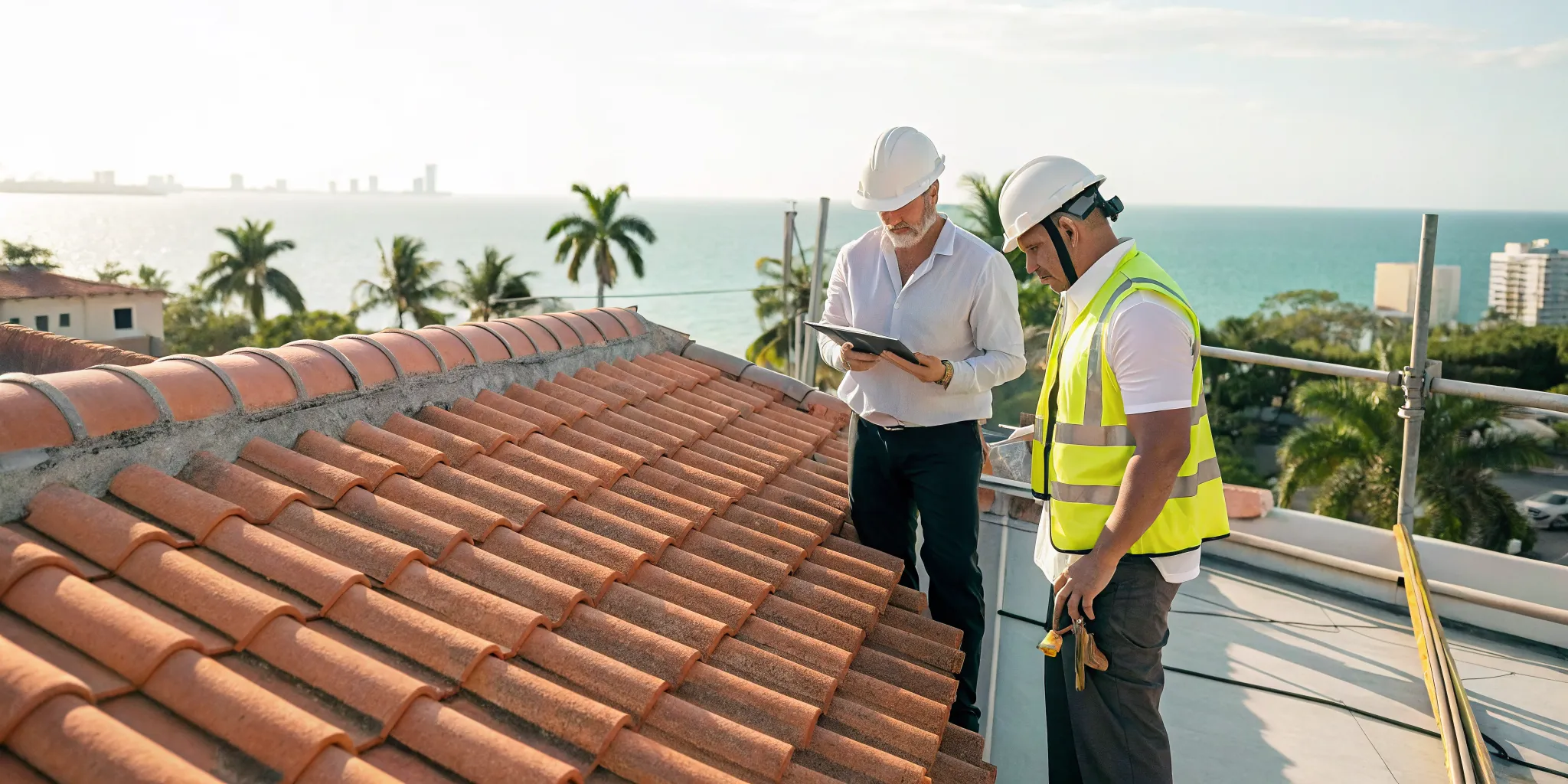
Planning a roofing project in South Florida means dealing with some of the toughest building codes in the country. It’s not just about choosing the right shingles; it’s about ensuring your roof can stand up to hurricane-force winds. This is where getting the right roofing permit in Miami-Dade County becomes absolutely critical. It’s more than just a piece of paper; it’s your official proof that the project meets strict safety and legal standards. This guide will walk you through every step, from gathering the correct documents to scheduling your final inspections, ensuring your project is compliant and secure from start to finish.
Key Takeaways
- Secure a permit to protect your investment: A roofing permit is a legal requirement in Miami-Dade that ensures your project meets strict hurricane safety codes. This protects your property’s value, keeps you compliant with the law, and validates your homeowner’s insurance coverage.
- Prepare your documents before you apply: To prevent common delays, gather all necessary paperwork ahead of time. This includes the Uniform Roofing Permit Application, ridge ventilation calculations, and the Notice of Acceptance (NOA) for your materials.
- Approval is the start, not the finish line: Once your permit is approved, you must schedule required inspections and keep the permit card and approved plans on-site at all times. Starting work too early or failing to prepare for inspections can lead to fines and stop-work orders.
What Is a Roofing Permit and Why Do You Need One in Miami-Dade?
If you’re planning a roofing project in Miami-Dade, you’ve probably heard that you’ll need a permit. But what exactly is a roofing permit? Think of it as official permission from your local building department to start work. It’s a formal document confirming your project plans meet all necessary safety standards, building codes, and local regulations.
Getting a permit isn’t just about checking a box; it’s a critical step that protects you, your property, and your investment. The process ensures that any work done on your roof is performed correctly and safely by a qualified professional. In a place like Miami-Dade, where roofs have to stand up to serious weather, this step is absolutely essential.
Meeting Legal Requirements
First and foremost, getting a permit is a legal requirement. In Miami-Dade, a building permit is required for all roofing work on both residential and commercial properties. This applies to everything from a complete roof replacement to major repairs. Skipping this step means you’re breaking the law, which can lead to fines, stop-work orders, and other headaches. The permit process ensures your project is officially documented and approved by the county, keeping you in full compliance with local ordinances from start to finish.
Ensuring Your Roof Is Safe and Sound
A permit is your best guarantee that your new roof is safe and built to last. The permitting process requires that all work adheres to the strict standards of the Florida Building Code. This ensures your roof is installed correctly, protecting your home’s structural integrity and overall value. Plus, having a properly permitted roof is often a requirement for your homeowner’s insurance. Without it, your provider might not cover future damage, leaving you to pay for repairs out of pocket. The inspections included in the permit process provide a crucial quality check on your contractor’s work.
Complying with High-Velocity Hurricane Zone (HVHZ) Rules
Miami-Dade County has a special designation as a High-Velocity Hurricane Zone (HVHZ). This means our building codes are some of the toughest in the country, especially for roofing. The roofing permit process is specifically designed to make sure your roof can withstand hurricane-force winds and rain. Your application will require proof that your materials and installation methods meet these heightened HVHZ standards. This isn’t just red tape; it’s a vital measure to protect your property and family during a storm. A permit confirms your roof is truly ready for Florida weather.
When Do You Need a Roofing Permit in Miami-Dade?
Figuring out if your roofing project needs a permit can feel confusing, but it’s the first and most important step. In Miami-Dade County, the rules are pretty clear to ensure every roof is safe and up to code, especially with our weather. Getting it right from the start saves you from potential fines and headaches down the road. Let’s break down exactly when you need to file for a permit and when you might be exempt.
Roofing Work That Requires a Permit
In Miami-Dade County, it’s safe to assume you’ll need a permit for most roofing work. A building permit is required for just about any project, whether you’re doing a few repairs or a complete replacement on a residential or commercial property. This isn’t just about paperwork; it’s about making sure your project follows all local building codes and regulations designed to keep your property and everyone in it safe. So, if you’re planning to do anything more than a tiny patch-up, your first step should be preparing to apply for a permit.
Understanding Exemptions for Minor Repairs
While the rule is to permit most work, there are a few exceptions for truly minor repairs. You generally don’t need a permit for small fixes like replacing a few missing shingles or patching a small area of flashing. The key guideline here is that the repair area must cover less than 25% of your total roof area. This exemption is designed to let homeowners handle small, routine maintenance without going through the full permitting process. However, if you’re ever in doubt about whether your project qualifies as a minor repair, it’s always best to check with the local building department first.
Filing a Notice of Commencement
For larger roofing projects, you’ll have an extra step to complete. If your project costs more than $5,000, you are required to file a “Notice of Commencement” with the Clerk of Court. Think of this as a formal, public announcement that a significant construction project is starting at your property. This document must be filed before you can schedule your first inspection, so it’s a critical step you don’t want to miss. For context, this rule also applies to other large projects, like A/C replacements costing over $15,000. Getting this filed correctly ensures your project stays on track and compliant from day one.
What Documents Do You Need for Your Application?
Getting your paperwork in order is one of the most important steps for a smooth permit application. Miami-Dade County has specific requirements, and missing even one document can cause significant delays. Think of it as creating a complete package that gives the building department everything they need to approve your project. Below are the essential documents you’ll need to gather before you submit your application.
The Uniform Roofing Permit Application
This is the official starting line for your project. The Uniform Roofing Permit Application is the core document that details the scope of your work, property information, and contractor details. You must fill this out completely and accurately. It serves as the formal request to the county, initiating the review process for your roofing job. Make sure all information matches your other supporting documents to avoid any inconsistencies that could flag your application for a manual review and slow things down. It’s the foundation of your entire submission package.
Your Ridge Ventilation Calculations Form
Proper ventilation is critical for a roof’s health, especially in Florida’s humid climate. That’s why you’ll also need to submit a Ridge Ventilation Calculations Form. This form demonstrates that your roofing design includes adequate airflow. Good ventilation helps prevent heat and moisture from getting trapped in your attic, which can protect your roof structure from damage and even help with your home’s energy efficiency. This calculation proves to the county that your new roof is built to last and meets local building codes for safety and durability.
Proof of Approved Materials (NOA)
In Miami-Dade, you can’t use just any roofing material. Because the area is a High-Velocity Hurricane Zone (HVHZ), all products must be proven to withstand extreme weather. You’ll need to provide proof that your materials have a Notice of Acceptance (NOA) from the county or a Florida Product Approval. This confirms that everything from your shingles to your underlayment has been tested and approved for use. Submitting the correct NOA documents is non-negotiable and shows your project is compliant with the state’s stringent building codes.
How to Name and Submit Your Files Correctly
When you’re submitting your application online, the details matter. The City of Miami has specific naming conventions for all digital files, and failing to follow them can get your application rejected before anyone even looks at it. This is a simple but common mistake that leads to frustrating delays. Before you upload anything, double-check the required format for naming your plans, forms, and supporting documents. Getting this right from the start ensures your submission moves smoothly through the automated system and into the hands of a plan reviewer.
How to Apply for a Miami-Dade Roofing Permit
Ready to get your application started? Miami-Dade County has a clear process for submitting your roofing permit request. Here’s what you need to know about using their online system, the steps involved, and what to expect along the way. Of course, if you want to skip the hassle entirely, our team at All Florida Permits can manage the entire application for you.
Using the Online e-Permits System
To make things easier, Miami-Dade County has an online e-Permits system designed to handle the entire process digitally. If you’re a qualified roofing contractor, this platform is your go-to resource. You can use it to apply for, pay for, and even print certain roofing permits without ever leaving your office. This digital approach is a huge time-saver, cutting down on paperwork and helping you get the approvals you need much faster. It’s a straightforward way to manage your application from start to finish.
A Step-by-Step Guide for Contractors and Homeowners
Applying for your permit follows a few key steps. First, you’ll need to go to the Miami-Dade County ‘Portal’ to fill out the online permit application. Make sure you enter a valid phone number and email address, as this is how the county will communicate with you. You’ll also need to select the correct application type, whether you’re applying for a new permit, submitting corrections, or requesting an extension. After your application gets the green light, you must print your permit card. This is important: the card has to be posted and visible on the job site at all times. You can find detailed instructions on how to apply for permits on the county’s website.
What to Expect for Fees and Processing Times
It’s helpful to have a realistic timeline in mind when you apply. Set aside about 30 to 45 minutes to complete the online application itself. Once you submit it, the initial review by the city can take up to 14 business days. Here’s a critical detail: your plans won’t even enter the review queue until all the required upfront fees are paid. So, be prepared to handle those payments promptly to avoid unnecessary delays. Planning for these steps and timelines will help keep your project on track. The City of Miami provides a clear overview of what to expect when you get a roofing permit.
What Happens After Your Permit Is Approved?
Getting that permit approval notification is a great feeling, but the work isn’t over just yet. Think of it as the green light to move forward with the next critical phase of your roofing project. Now, your focus shifts to coordinating inspections and making sure your job site is fully compliant. Properly managing this stage is key to keeping your project moving smoothly and avoiding any frustrating delays. It’s all about staying organized and ensuring every step is documented and ready for review. If you need help managing these final steps, our end-to-end services can take the pressure off your team.
Scheduling Your Required Inspections
Once your permit is in hand, your next step is to get your inspections on the calendar. According to Miami-Dade County, you need to schedule these at least one business day before you want the inspector to visit. You have a few options for scheduling: you can do it online, use the county’s automated phone system, or call the Permit Counter directly. Proactive scheduling is essential. Waiting until the last minute can create bottlenecks, especially during busy seasons. By planning ahead, you ensure an inspector is available when you need them, which helps you stick to your project timeline and avoid unnecessary downtime.
Keeping Your Permit and Documents On-Site
After your permit is approved, you must print the permit card and the stamped, approved plans. These documents aren’t just for your records; they must be kept at the work site at all times. When an inspector arrives, they will need to see both the permit card and the official plans to verify that the work being done matches what was approved. The City of Miami notes that you can typically print these plans from the online portal. Having everything readily available makes the inspection process faster and shows the inspector that you’re organized and compliant, setting a professional tone for the visit.
Preparing Your Property for Inspection
From the day your permit is issued, you have 180 days to begin the work and call for your first inspection. It’s crucial to make sure the site is prepared and accessible for the inspector. This means ensuring the area is safe, ladders are secure, and the specific work to be inspected is completely visible. After all your inspections have passed, remember one final, important step. Before making the final payment to your contractor, the county advises that you get proof of approved final inspections or a Certificate of Completion/Occupancy. This document is your official confirmation that the job was completed to code.
The Risks of Working Without a Permit
It can be tempting to skip the permitting process to save time and money upfront. But taking that shortcut can lead to some serious headaches down the road. From hefty fines to legal troubles and even a drop in your property’s value, the consequences of unpermitted work far outweigh the initial convenience. Understanding these risks is the first step in making sure your roofing project goes smoothly and protects your investment for years to come. Let’s break down exactly what you’re up against when you decide to work without a permit in Miami-Dade County.
Facing Fines and Penalties
The most immediate consequence of unpermitted roofing work is the financial hit. If the county discovers your project, you could be looking at daily fines ranging from $100 to $500 until the issue is resolved. On top of that, if you try to get a permit after the work has already started, many counties will charge a penalty that can be two or three times the original permit fee. What started as a way to save a little money can quickly become a significant financial burden. Our permit expediting services are designed to handle all the paperwork correctly from the start, so you can avoid these costly surprises and keep your project on budget.
Dealing with Legal Issues and Code Violations
Beyond the fines, unpermitted work creates a tangled web of legal and compliance problems. While Miami-Dade County does allow for “after-the-fact” permits, the process is far from simple. You’ll likely need to hire an engineer to draw up new plans and undergo multiple inspections to prove the work meets current building codes. If it doesn’t, you’ll be required to make corrections, which could mean tearing out and redoing parts of your new roof. This process is not only stressful and time-consuming but also adds unexpected costs for labor and materials. It’s a complicated situation that can bring your project to a complete halt.
How It Affects Your Property Value and Insurance
The problems with unpermitted work don’t end when the project is finished. When it’s time to sell your home, unpermitted improvements can cause major issues. They can create problems with the property title, lead to a lower appraisal value, and even cause potential buyers to walk away from the deal. Lenders are often hesitant to finance homes with unpermitted work, shrinking your pool of potential buyers. Furthermore, your homeowner’s insurance could deny a claim related to the unpermitted roof, leaving you to cover the full cost of repairs out of pocket. Properly permitting your project with a company like All Florida Permits protects your home’s value and ensures you’re covered when you need it most.
Common Permit Mistakes to Avoid
The permit process can feel like it has a lot of moving parts, and it’s easy for small details to slip through the cracks. Unfortunately, even minor errors can lead to frustrating delays or rejections that throw your project off schedule. Knowing the common pitfalls ahead of time is the best way to keep your roofing project running smoothly from start to finish. From simple filing mistakes to jumping the gun on construction, let’s walk through the most frequent missteps so you can steer clear of them.
Our team at All Florida Permits has seen it all, and we’ve learned that a little preparation goes a long way. By being mindful of these common mistakes, you can save yourself time, money, and a whole lot of stress.
Avoiding Documentation and Filing Errors
One of the most common reasons for a permit delay is a simple documentation error. When you’re uploading your application and supporting files online, Miami-Dade County has very specific naming conventions you must follow. If you don’t name your files exactly as required, the system might automatically reject your submission, sending you back to square one. It’s a small detail that can cause a major headache.
Another critical step is to always have your stamped and approved plans physically present at the job site. Inspectors will ask to see them, and not having them ready can halt work immediately. Taking a few extra minutes to double-check your file names and ensure your approved documents are on-site will help you avoid these preventable setbacks and keep your project on track.
Staying on Top of Inspections and Site Prep
Once your permit is approved, the clock starts ticking. You have 180 days to begin the work and schedule your first inspection. If you let this window pass, your permit could expire, forcing you to reapply. To avoid this, plan your project timeline carefully and be proactive about scheduling. Remember to request your inspections at least one business day in advance to secure your spot.
Keeping your project on schedule requires careful coordination. Juggling contractors, material deliveries, and inspection appointments can be a lot to handle. This is where having an expert handle your permit needs can be a game-changer, ensuring that every deadline is met and every inspection is scheduled right on time.
The Danger of Starting Work Too Soon
It can be tempting to start demolition or construction before you have the approved permit in hand, but this is a risky move that can lead to serious consequences. Working without a permit is a code violation that can result in hefty fines, often ranging from $100 to $500 for every day the violation continues. Beyond the financial penalties, you could be issued a stop-work order, which brings your entire project to a standstill.
Permits aren’t just about following rules; they ensure your roof is installed correctly and safely according to Florida’s strict building codes. Skipping this step can compromise the structural integrity of your roof and create problems with your property insurance or future sales. It’s always best to wait for that official approval.
Where to Find Help with Your Roofing Permit
The permitting process can feel like a maze of paperwork and regulations, but you don’t have to go it alone. Miami-Dade County provides several resources to help you get your questions answered and keep your project on track. Whether you need to talk to an expert, check your application status, or hand the entire process over to a professional, there are options available to make things easier. Let’s walk through the best places to find the support you need for your roofing project.
Getting Expert Guidance with MeetQ
If you have specific questions or hit a roadblock with your application, Miami-Dade County offers a helpful service called MeetQ. This system allows you to schedule a dedicated meeting with county staff to get direct advice on your project. You can choose the format that works best for you, whether it’s an in-person appointment, a phone call, or a virtual meeting. This is a great resource to use if you need clarification on a specific requirement or want to ensure your documents are correct before you submit them. You can find more information on the county’s roofing permits page.
Using Online Tools to Track Your Permit
For those who prefer to manage things digitally, Miami-Dade County’s online portal is an essential tool. It acts as a central hub where you can handle many aspects of your permit from start to finish. You can use the portal to submit your initial application, check on its status, print your permit card, and even schedule or cancel inspections. This self-service system gives you a clear view of where your project stands at all times, helping you stay organized and informed. You can access these features through the county’s main permit portal.
Working with a Professional Permit Expediter
If you’d rather focus on your project instead of paperwork, working with a professional permit expediter is your best bet. A permit expediter handles the entire process for you. They gather the necessary documents, ensure the application is filled out correctly, submit it to the county, and coordinate all required inspections. This service saves you valuable time and helps you avoid common mistakes that can lead to costly delays. For homeowners and contractors alike, partnering with an expert provides peace of mind that your project will move forward smoothly and in full compliance with local regulations. Our team offers end-to-end services to manage every step of the permitting process.
Related Articles
- Florida Roofing Permit: A Homeowner’s Guide
- How to Use the Miami-Dade Building Permit Portal
- Miami-Dade County Permit Services | Miami & Surrounding Cities
Frequently Asked Questions
Do I really need a permit just to replace a few shingles? For very small jobs, you might not. In Miami-Dade, you generally don’t need a permit if the repair area is less than 25% of your total roof. This exception is meant for minor, routine maintenance. However, if you’re doing anything more substantial or are unsure if your project qualifies, it’s always safest to check with the local building department. This prevents a small job from turning into a big problem with fines.
How long should I expect the permit process to take from start to finish? It’s wise to plan for several weeks. After you submit your application and pay the initial fees, the county’s first review can take up to 14 business days. The total time depends on the accuracy of your application and how quickly you can schedule inspections once the permit is approved. Any errors in your paperwork can send you back to the start of that review period, so getting it right the first time is key to a faster timeline.
Can I apply for the permit myself as a homeowner? While homeowners can sometimes apply for permits themselves, the process for roofing in Miami-Dade is complex and requires technical documentation, like ventilation calculations and proof of approved materials. Most often, a licensed and qualified roofing contractor will handle the application. Using a professional service ensures all the specific requirements are met correctly, which saves you from potential delays and headaches.
What is a Notice of Acceptance (NOA) and why does it matter so much? A Notice of Acceptance, or NOA, is a document that proves your roofing materials have been tested and approved to withstand the hurricane-force winds we experience in Miami-Dade. Because we are in a High-Velocity Hurricane Zone (HVHZ), you can’t use just any product. Providing the correct NOA for all your materials is a non-negotiable part of the application that confirms your roof is being built to the highest safety standards.
What’s the most common mistake that delays a roofing permit application? Simple documentation errors are the most frequent cause of delays. This often happens during the online submission process. For example, failing to name your digital files exactly according to the county’s specific format can get your application automatically rejected. Another common misstep is not having the stamped, approved plans physically on the job site for inspectors. These small details are easy to overlook but can bring your project to a halt.