

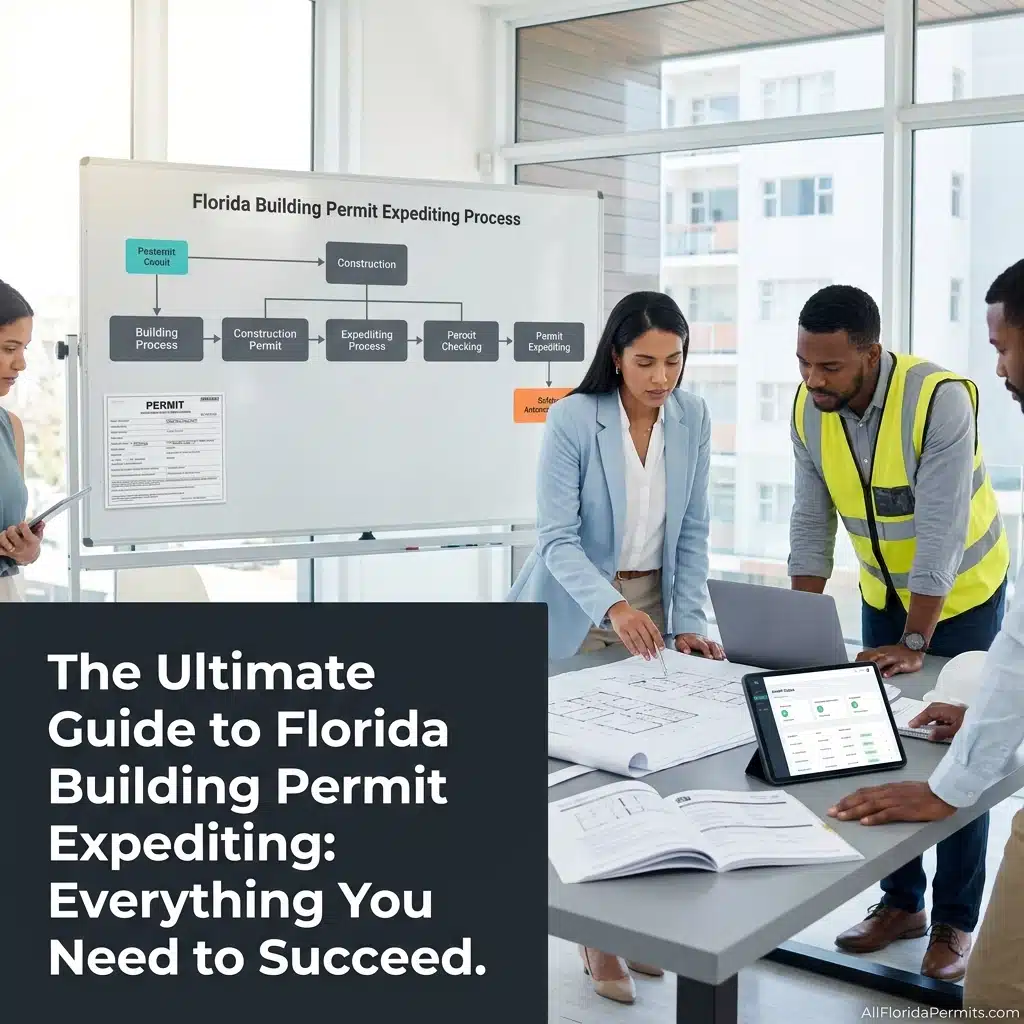
If you’ve ever tried to get a Florida Building Permit, you know it can feel less like a tropical breeze and more like a hurricane of paperwork. The biggest threat to your project’s budget isn’t always materials or labor; it’s lost time. Every day you’re stuck in red tape is a day of mounting costs. Whether you’re a developer in Miami or a homeowner in Orlando, mastering the permit process is crucial. This guide will show you how to cut through the confusion, avoid common delays, and get your project moving forward.
That’s where Florida building permit expediting comes in. In this guide, I’m going to break down everything you need to know about navigating the system, utilizing permit expediting services in Florida, and making sure your project stays on schedule and under budget. At All Florida Permits, we see these challenges every day, and we know exactly how to fix them.
What Makes Florida Construction Permits So Different?
Florida is unique. Between our strict Florida building code requirements (thanks to our hurricane-prone geography) and the sheer volume of new construction, our building departments are some of the busiest in the country.
Each municipality: from Miami-Dade to Orange County: operates with its own set of rules, fees, and timelines. What works in one city might be a total non-starter in the next. This fragmentation is often the hidden factor slowing down Florida construction projects, leading to missed deadlines and ballooning costs.
What Does a Miami Permit Expediter Actually Do?
In high-volume areas, having a local Miami permit expediter isn’t just a luxury; it’s a necessity. These professionals understand the specific quirks of the local iBuild portals, the personalities of the plan reviewers, and the hyper-local zoning laws that can trip up even the most experienced contractors.

What Exactly Is Florida Building Permit Expediting?
Permit expediting is the strategic management of the permit application process. It’s not just “handing in papers.” It involves:
- Project Pre-Screening: Reviewing plans before they ever reach the city’s desk to catch errors.
- Submission Management: Ensuring every signature, seal, and digital file is in the exact format required.
- Active Tracking: Not waiting for an email, but actively calling and meeting with officials to move the file to the next desk.
- Problem Solving: When a “Notice of Correction” comes back, an expediter coordinates with the architects and engineers to fix the issue immediately.
By using Florida permit expediting experts, you essentially hire a guide to navigate the labyrinth of local government for you.
When Do You Need a Building Permit in Florida?
This is the million-dollar question, isn’t it? The line between a simple weekend DIY project and one that requires a trip to the building department can seem blurry. The general rule of thumb is that any work involving structural, electrical, plumbing, or mechanical systems will require a permit. This is all about safety and ensuring that any changes to your property meet the stringent Florida Building Code, which is designed to protect you and your investment from things like, well, hurricanes. It’s less about creating hurdles and more about ensuring every home can stand up to what our unique climate throws at it.
Projects That Typically Require a Permit
If your project involves more than just cosmetic updates, you should plan on securing a permit. Think of it this way: if the work could impact the safety, integrity, or essential systems of the building, the city wants to review it. This isn’t just about bureaucracy; it’s about ensuring the work is done correctly by qualified individuals. Some of the most common projects that will always need a permit include building a new addition, installing a swimming pool, replacing an HVAC system, or any significant electrical and plumbing alterations. Even building a new deck or installing solar panels falls into this category.
- Constructing new rooms or altering your home’s main structure
- Changing or replacing major electrical wiring or plumbing systems
- Adding a swimming pool or spa
- Installing or replacing an HVAC unit
- Building a deck that is attached to your home
- Installing solar panels on your roof
Projects That Often Don’t Require a Permit
Now for the good news! Not every home improvement project will have you sorting through paperwork. Most cosmetic upgrades are exempt from the permitting process. These are typically jobs that don’t alter the structure or core systems of your home. For example, giving your walls a fresh coat of paint, laying down new tile or carpet, or replacing your kitchen cabinets (as long as you aren’t moving plumbing or electrical lines) are usually fair game. These smaller projects are considered maintenance and repair, allowing you to update your space without needing a formal review from the city.
- Painting, wallpapering, and other finish work
- Installing new flooring like carpet, tile, or vinyl
- Replacing kitchen or bathroom countertops
- Minor drywall repairs
- Replacing a faucet or light fixture without altering the system
- Installing new doors within the existing frame
Who Can Pull a Permit in Florida?
Once you’ve determined that your project needs a permit, the next question is who is legally allowed to apply for one. This isn’t as simple as just walking into the building department with your plans. Florida has specific regulations about who can take responsibility for a construction project. The state wants to ensure that the person overseeing the work is qualified and accountable for meeting all code requirements. This typically means a licensed professional, but there is a notable exception for homeowners who are ready to take on the challenge themselves.
Contractors and Licensed Professionals
For the vast majority of projects, a state-licensed contractor is required to pull the permit. This is the standard and most common route. When you hire a general contractor, roofer, electrician, or plumber, part of their job is to handle the entire permitting process for their scope of work. They are licensed, insured, and legally responsible for making sure the construction adheres to the Florida Building Code. This protects you as the property owner and ensures the job is done right. At All Florida Permits, we work directly with contractors every day to manage their submissions and keep their projects moving forward.
The Owner-Builder Exemption for Homeowners
If you’re a homeowner with the skills and confidence to manage your own project, you might be able to use the “owner-builder” exemption. This allows you to act as your own contractor and pull permits for work on your own property. However, this path comes with significant responsibility. You are personally liable for the work, must supervise the construction yourself, and are subject to all the same codes and inspections as a licensed contractor. It’s a great option for savvy homeowners, but it’s crucial to understand the legal obligations you’re taking on before you request a proposal to get your application started.
What to Expect from Florida’s 2025 Permit Timeline Changes
As of January 1, 2025, Florida introduced a new framework designed to make permit timelines more predictable. Under these rules, local governments are held to specific timeframes for reviewing applications. While this is great news, there’s a catch: the clock only starts when an application is “complete.”
If you submit an application with one missing document or an incorrect fee, the city can “reset the clock,” leaving you right back at square one. This makes the accuracy of your initial submission more important than ever.

Your Step-by-Step Guide to a Faster Florida Building Permit
To succeed in the Florida permitting world, you need a disciplined approach. Here is the workflow we use to ensure expedited building permits in Florida.
Step 1: Get Your Project Assessed
Before you spend a dime on fees, you need to know exactly what permits are required. Are you dealing with environmental permits? Do you need a separate tree removal permit? Identifying these early prevents the “cascading delay” where one missing permit stops five others.
Step 2: Prepare and Double-Check Your Documents
The single biggest cause of delay is incomplete documentation. We meticulously review:
- Architectural and engineering drawings.
- Site plans and surveys.
- Proof of ownership and contractor licensing.
- Energy calculations and drainage reports.
Understanding Current Florida Building Codes
One of the most common tripwires we see is a project based on outdated plans. The state updates its building codes regularly, and your project must comply with the version in effect when you submit your application. For instance, any project submitted after December 31, 2023, is required to follow the 2023 Florida Building Code. This means that plans drawn up even a few months prior might need significant revisions to meet new standards for things like wind resistance or energy efficiency. Submitting plans based on old codes is a guaranteed way to get your application rejected, forcing you back to the drawing board and resetting your timeline.
Special Requirements for Unique Florida Zones
Florida’s diverse geography means many areas have special requirements that can easily be missed. If your property is in a designated flood zone, for example, you’ll have to adhere to strict rules from both the National Flood Insurance Program (NFIP) and local ordinances. These regulations dictate everything from foundation height to the types of materials you can use. The same goes for properties near the coast, in conservation areas, or in historic districts. Failing to identify these unique zoning overlays early on can lead to costly redesigns and major delays when a plan reviewer flags the issue halfway through the process.
Filing a Notice of Commencement
Before any physical work begins, you may need to file a Notice of Commencement (NOC). This is a formal document recorded with the county clerk that officially marks the start date of your project. In Florida, an NOC is generally required for any project with a total cost of more than $5,000, or $15,000 for HVAC system replacements, as noted by counties like Levy. This isn’t just a suggestion; it’s a legal requirement that protects the property owner and establishes lien rights for contractors. Forgetting to file this document can create significant legal and financial complications down the road, making it a critical step in your pre-construction checklist.
Step 3: Submit Your Application the Smart Way
Knowing how to submit is just as important as what you submit. Many jurisdictions now use digital portals that are notoriously finicky. A professional residential permit services Florida provider knows the technical “gotchas” that cause digital rejections.
Navigating Hybrid Submission Systems
Most Florida counties and cities now let you apply for building permits online, which sounds convenient. For very straightforward projects, some offices even offer same-day, in-person approvals. However, this mix of digital and physical systems creates a patchwork of requirements across the state. One county’s online portal might require PDFs in a specific file size, while another has a completely different interface. A simple formatting error can get your entire application kicked out of the queue, forcing you to start over. It’s crucial to understand the exact submission protocol for your specific jurisdiction before you even think about hitting “submit.”
Understanding Local Review Schedules
Timing your submission can make a surprising difference. Many building departments don’t review applications as they come in; they process them in batches at set times. For example, some county offices review applications twice a day, once in the morning and again in the afternoon. Submitting your plans just after a review cycle means your project will sit idle until the next one begins. An experienced expediter knows these local schedules by heart and can time your submission to get it in front of a plan reviewer as quickly as possible, shaving valuable hours or even days off your wait time.
A Note on Public Records and Communication
Here’s a critical piece of advice when communicating with any Florida government agency: be mindful of the state’s public records laws. Under Florida’s Sunshine Law, any email you send to a county or city official can become a public record, accessible to anyone who requests it. If you’re concerned about your email address or the content of your messages being shared, it’s often better to communicate by phone or traditional mail. This is especially important when discussing sensitive project details or financial information. Protecting your privacy is just as important as getting your paperwork right.
Step 4: Stay on Top of Your Application
In the world of government bureaucracy, the squeaky wheel gets the grease. We maintain regular contact with plan reviewers to ensure your project doesn’t sit at the bottom of a digital pile.

Commercial vs. Residential: What’s the Difference for Florida Permits?
The requirements for commercial building permits in Florida are significantly more complex than residential ones. Commercial projects often involve fire marshal reviews, health department approvals, and complex ADA (Americans with Disabilities Act) compliance.
For developers, time is literally money. A one-month delay on a commercial build can cost tens of thousands in interest and lost revenue. This is why many developers view the building permit cost in Florida as a small investment compared to the cost of project stagnation. Florida’s construction boom is back, but only for those who can get their permits cleared quickly.
How Much Does a Florida Building Permit Cost?
How much does a permit cost? It depends on the “valuation” of your project. Most Florida counties charge a percentage of the total construction cost, plus flat fees for specific reviews (like zoning or plumbing).
- Standard Fees: These cover the basic review and inspections.
- Expedited Review Fees: Some jurisdictions allow you to pay an extra “surcharge” to have your plans reviewed outside of normal business hours.
- Re-review Fees: If your plans are rejected and you have to resubmit, expect to pay a penalty fee.
Using an expediter helps you avoid those costly re-review fees by getting it right the first time.

Getting Your Florida Certificate of Occupancy
The job isn’t done when the permit is issued. You still have to clear inspections and obtain your Certificate of Occupancy (CO) in Florida. The CO is the legal document that proves the building is safe to inhabit.
Without a CO, you can’t move in, you can’t open your business, and you often can’t close on your financing. We help coordinate final inspections and ensure all “open” permits are closed out so your CO is issued without a hitch.
Common Florida Permit Mistakes (and How to Avoid Them)
Even with the best intentions, projects often get stuck. Watch out for these common errors:
- Jurisdiction Confusion: Submitting to the County when you should have submitted to the City (or vice versa).
- Outdated Codes: Florida updates its building codes regularly. Ensure your architect is using the most current version.
- Contractor Registration: Ensure your contractor is registered in the specific municipality where the work is being done.
- Niche Requirements: Some projects require special permits for niche projects, such as historic preservation or coastal construction.

FAQs About Florida Permitting
Q: How long does it take to get a permit in Florida? A: It varies wildly. A simple residential permit might take 2–4 weeks, while a complex commercial project in a busy area like Miami-Dade can take 3–6 months without expediting.
Q: Can I expedite a permit myself? A: You can certainly try! However, without the established relationships and technical knowledge of the portals, most owners find themselves frustrated by the “black hole” of the building department.
Q: Do I need a permit for minor renovations? A: In Florida, almost anything structural, electrical, or plumbing-related requires a permit. When in doubt, check with a professional to avoid “Stop Work” orders.
The Consequences of Building Without a Permit
It can be tempting to skip the permitting process, especially for what seems like a small project. You might think you’re saving time and money, but taking that shortcut can lead to some serious headaches down the road. Florida’s enforcement is strict for a reason—primarily safety—and the penalties for unpermitted work can quickly turn a simple renovation into a costly nightmare. Before you decide to bypass the building department, it’s crucial to understand the potential fallout, which can affect your finances, your safety, and your property’s future value.
Stop Work Orders and Financial Penalties
Imagine your project is halfway done when a code enforcement officer shows up and slaps a bright red “Stop Work Order” on your property. This order does exactly what it says: it legally halts all construction immediately. According to legal experts, failure to obtain a permit can lead to these orders, plus significant penalties and fines. You may be required to pay double or even triple the original permit fee. In some cases, you might even have to tear down the work that was already completed so an inspector can see what’s behind the walls, costing you both time and materials.
Safety Hazards and Insurance Issues
Permits aren’t just about bureaucracy; they are a critical safety check. Inspectors ensure that electrical, plumbing, and structural work meets the Florida Building Code, which is designed to protect you and your property. Unpermitted work carries very real risks, from fires caused by faulty wiring to flooding from improper plumbing. Furthermore, if a fire or other disaster occurs and the damage is traced back to unpermitted construction, your homeowner’s insurance company could deny your claim, leaving you to cover the entire loss out of pocket.
Complications When Selling Your Property
Unpermitted work is a ticking time bomb that often explodes when you try to sell your home. During the sales process, a title search or a savvy buyer’s inspection will likely uncover any work done without a permit. Even if a permit was pulled but never officially closed out with a final inspection, it can create a major roadblock. These issues can force you to either legalize the work retroactively—a process that is often more expensive and complicated than doing it right the first time—or slash your asking price to attract a buyer willing to take on the problem.
Beyond Building: Other Permits You Might Need in Florida
When people think of permits, they usually picture new construction or major renovations. But in Florida, the world of permitting extends far beyond a standard building permit. The state’s unique environment and dense population mean that many other activities are regulated to protect natural resources and public safety. Depending on your project’s location and scope, you may need to secure approvals from various local and state agencies. Understanding this broader landscape is key to planning a project that proceeds without unexpected regulatory hurdles.
State-Level Environmental and Activity Permits
Florida’s government oversees a wide range of activities that could impact the environment or public land. For example, if your project is near the coast, you might need separate permits for docks, coastal construction, or work near wetlands. The state also issues permits related to air quality, drinking water, hazardous waste disposal, and solid waste management. These specialized permits often involve different agencies and have their own unique application processes. At All Florida Permits, our comprehensive services cover these outside government agency permits, ensuring all your bases are covered from the start.
Helpful State Resources for Permitting
While the system can feel complex, the state does provide resources to help you get started. For most construction-related permits, your first stop should always be your local city or county building department. Their websites often contain checklists, fee schedules, and contact information for plan reviewers. The State of Florida’s official website also offers a general guide to various permits and licenses. If you review these resources and feel overwhelmed by the requirements, that’s a good sign it’s time to request a proposal from a professional expediter who can manage the process for you.
Ready to Streamline Your Florida Permit Process?
Navigating Florida construction permits doesn’t have to be a nightmare. By understanding the process, staying ahead of the Florida building code requirements, and leveraging professional permit expediting services in Florida, you can keep your project moving forward.
At All Florida Permits, we specialize in cutting through the red tape so you can focus on building. Whether you’re dealing with permit delays or just starting a new project, we have the expertise to get you to the finish line.
Ready to get your project started? Don’t let the paperwork hold you back. Contact All Florida Permits today and let’s get your build on the fast track.
Disclaimer: Permit requirements and procedures may vary by jurisdiction. Always verify with local building departments or consult a licensed permitting professional. All Florida Permits provides expediting services and is not a law firm or a government agency.
Meta Title: Ultimate Guide to Florida Building Permit Expediting (2026) Meta Description: Master Florida building permit expediting. Learn how to navigate Miami permit expediters, 2025 timeline rules, costs, and the path to a Certificate of Occupancy.
Key Takeaways
- Leverage Local Expertise: Florida’s permitting process varies significantly by city and county. Working with an expert who knows the local systems and personnel is the most effective way to avoid common pitfalls and keep your project on track.
- Submit a Flawless Application: The single biggest cause of delays is an incomplete or incorrect application package. Double-check every document, from site plans to contractor licenses, to ensure your submission is perfect the first time.
- Understand the Risks of Unpermitted Work: Building without a permit can lead to severe consequences, including costly stop-work orders, hefty fines, and major issues when you try to sell your property. The short-term savings are never worth the long-term financial and legal trouble.