

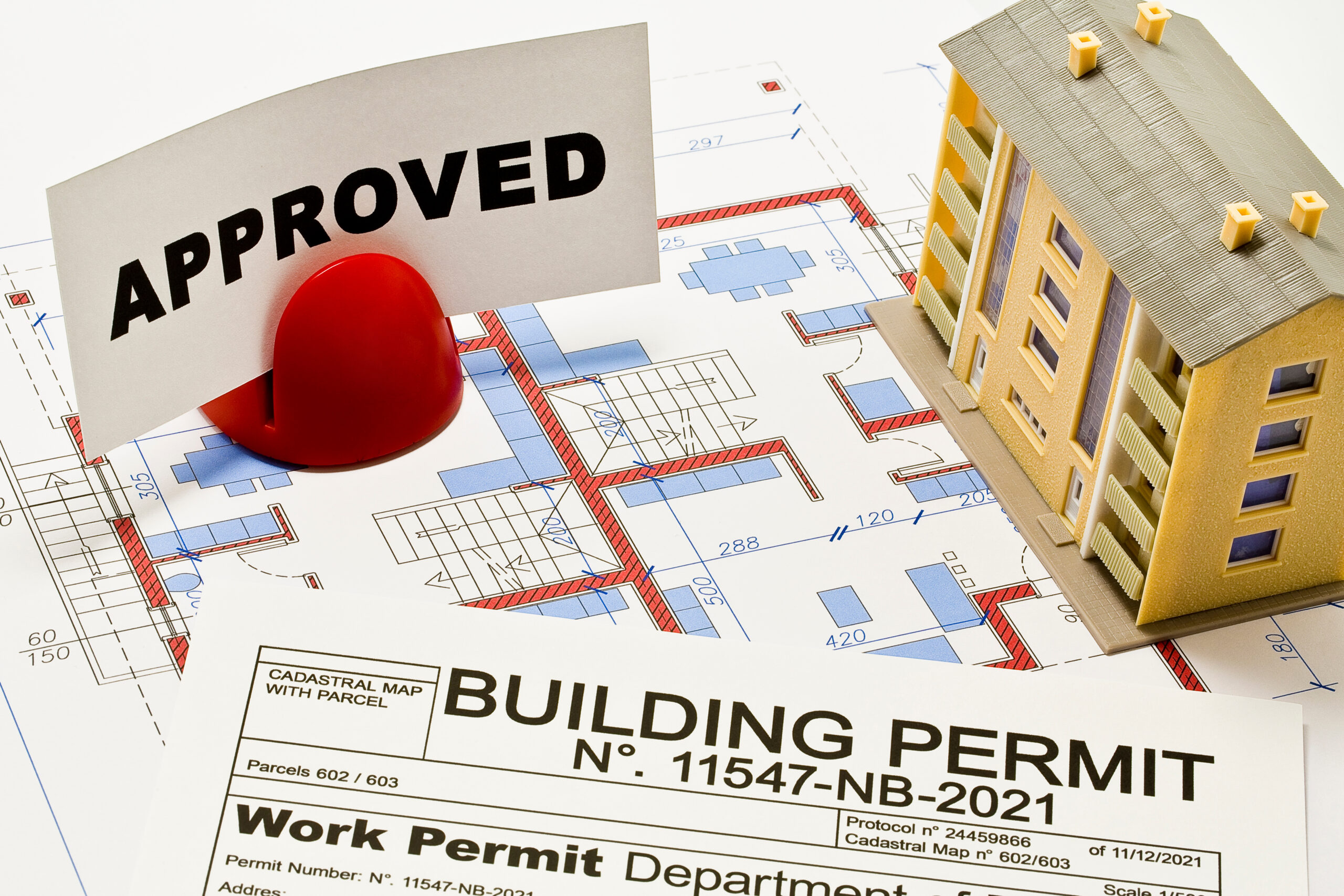
Nothing stops a project faster than a bright red notice slapped on your site. A stop work order construction notice can halt everything, turning your progress into a standstill. Often, this happens because of a simple mistake, like a stop work order no permit issue. This isn’t just a minor hiccup. A cease work order leads to serious delays and hefty fines. The penalty for not pulling a permit in Florida can cost you thousands in fees and wasted labor. Let’s break down how to keep your project compliant and moving forward.
The good news is that most fines and stop-work orders are completely preventable, if you understand the rules and prepare properly.
What is a Stop Work Order in Construction?
A stop work order is an official notice from a government authority, like your local building department, that legally requires you to stop all work on a project immediately. This isn’t a suggestion; it’s a formal command to halt everything until a specific issue is resolved. These orders are typically issued for significant reasons, such as major safety violations, working without the proper permits, or deviating from the approved plans. For example, if an inspector discovers unpermitted electrical work or a structural issue that poses a danger to workers, they will issue a stop work order to prevent further risk. The goal is to pause the project to correct a problem before it escalates into a bigger, more costly, or even dangerous situation.
The impact of a stop work order extends far beyond a simple pause. It can create a domino effect of delays, throwing your entire project schedule off track. Subcontractors may need to be rescheduled, materials might sit unused, and financing costs can accumulate while the site is idle. The financial sting comes not just from potential fines but also from the cost of rectifying the violation and the lost productivity. This is why proactively managing your project’s compliance is so important. Ensuring all your permits are in order from the start and adhering strictly to building codes are the best ways to keep your project moving forward without interruption.
Understanding the Official Document
When you receive a stop work order, it will be a formal, written document. This isn’t a casual conversation with an inspector; it’s a legal command to cease operations. The document itself is crucial because it should clearly state why the order was issued and what specific corrections are needed to get it lifted. It’s your roadmap to getting back on track. Ignoring this document is the worst thing you can do, as it can lead to significant daily fines, legal action, and make it much harder to get the order removed. The first step is to read it carefully and understand the exact nature of the violation. Sometimes the language can be technical, but it’s essential to pinpoint the root cause before you can develop a plan to fix it.
Full vs. Partial Stop Work Orders
It’s also important to know that not all stop work orders are created equal. They generally fall into two categories: full and partial. A full stop work order is exactly what it sounds like—it shuts down the entire job site. All activity must stop, from framing to plumbing, until the order is lifted. This is usually reserved for serious violations that affect the overall safety or integrity of the project. A partial stop work order, on the other hand, is more targeted. It halts work on a specific part of the project while allowing other, unrelated tasks to continue. For example, an inspector might issue a partial order for the electrical work on the second floor due to a code violation, but your crew can continue with foundation work or landscaping outside. Understanding the scope of the order is key to minimizing delays and keeping the project moving forward where possible.
What Triggers a Stop-Work Order in Construction?
- Working Without a Permit
- One of the most common violations is starting construction before permits are approved. Florida building departments are strict such as roof repairs, remodeling, additions, and even some minor jobs often require permits.
- Incomplete or Incorrect Applications
- Missing documents, wrong plans, or improper forms can lead to delays and penalties.
- Unlicensed or Unpermitted Work
- Using contractors without proper licensing or performing work outside of approved permit scope can trigger stop-work orders.
- Failure to Meet Code Requirements
- Florida has stringent building codes, especially for hurricane safety, flood zones, and coastal construction. Non-compliance is a red flag for inspectors.
- Missed Inspections
- Every stage of construction usually requires an inspection. Skipping one is a fast track to a stop-work order.
The Financial and Legal Consequences of an Order
A stop-work order isn’t just a piece of paper; it’s a major roadblock with serious financial and legal implications. The immediate costs are often just the beginning. Understanding the full scope of the consequences can highlight just how important it is to get your permits right from the start. From direct fines to long-term reputational damage, the effects can ripple through your entire project and business, making a proactive approach to compliance the smartest investment you can make.
Direct Penalties and Fines
The most immediate consequence of a stop-work order is the financial penalty. If you continue working after an order is posted, you can expect hefty fines. While amounts vary by municipality, it’s not uncommon for initial fines to be thousands of dollars, with penalties increasing for repeat offenses. According to one report, fines can start at $5,000 and climb from there. Beyond the fines, ignoring an order can lead to more severe legal trouble. Authorities can pursue criminal charges in some cases, turning a compliance issue into a much more serious legal battle. These direct penalties are designed to be strict to ensure that safety and building codes are followed without exception.
Indirect Costs and Project Delays
The costs of a stop-work order go far beyond the initial fines. Every day your project is on hold, you’re losing money. Your timeline gets pushed back, but expenses like equipment rentals, labor costs, and loan interest keep accumulating. These delays can also cause contractual problems with your clients and subcontractors, potentially leading to breach of contract claims. Furthermore, a stop-work order can damage your company’s reputation. Word travels fast in the construction industry, and having a project shut down can make future clients and partners hesitant to work with you, impacting your business long after the issue is resolved.
What to Do After Receiving a Stop Work Order
Seeing that red tag on your job site can be alarming, but how you respond makes all the difference. Taking immediate, deliberate action is the key to resolving the issue efficiently and getting your project back on track. Don’t panic—instead, follow a clear set of steps to address the problem head-on and work toward a resolution with the local building department.
Step 1: Stop Work and Assess the Situation
The moment a stop-work order is issued, you must do exactly what it says: stop all work. This is non-negotiable. Immediately inform all workers, contractors, and subcontractors on the site that all activity must cease until the order is lifted. Once the site is secured, carefully read the order. It will state the specific violations that need to be addressed. Understanding the exact reason for the shutdown—whether it’s a permit issue, a code violation, or a safety concern—is the critical first step toward fixing it.
Step 2: Document Everything Thoroughly
Once work has stopped, your next priority is to document everything. Create a detailed record of the situation as it currently stands. Take clear photos and videos of the job site, especially the areas related to the violation. Make copies of the stop-work order, all existing permits, and the project plans. It’s also wise to start a communication log. Write down the date, time, and summary of every conversation you have with inspectors or building department officials. This paper trail will be invaluable as you work to resolve the issue and will help protect you from potential disputes.
Step 3: Create a Plan to Resolve the Issue
With a clear understanding of the violation, it’s time to create a corrective action plan. This plan should outline the specific steps you will take to fix the problem and bring the project into compliance. It’s essential to work with the agency that issued the order to ensure your plan meets their requirements. This is often where bringing in an expert can make a huge difference. A professional permit expediter can help you develop a plan that satisfies the inspector, gather the necessary documents, and communicate effectively with the building department to ensure a smooth process.
Step 4: Formally Lift the Order
After you’ve executed your corrective action plan, you can’t just start working again. The stop-work order must be formally lifted by the issuing authority. This typically requires scheduling a re-inspection so an official can verify that all violations have been corrected. Once the inspector is satisfied, you must obtain official written approval before resuming any construction activity. Managing the paperwork and scheduling for this final sign-off can be tedious. An experienced permit expediting service can handle this final step for you, ensuring all requirements are met so you can get back to work without further delay.
How to Avoid a Costly Stop-Work Order
- Research Local Rules Before Starting
Every Florida county and city has different permitting requirements. Always verify before beginning work. - Submit Complete & Accurate Applications
Double-check all forms, drawings, and supporting documents to avoid rejections. - Work with Licensed Professionals
Hire contractors who are licensed and experienced in Florida’s building codes. - Schedule Inspections on Time
Don’t wait until the last minute so book required inspections early. - Partner with a Permit Expediter
Professionals like us can navigate the entire process for you, ensuring compliance and avoiding costly mistakes.
Proactive Planning and Communication
The best way to handle a stop-work order is to prevent it from ever being posted on your site. Proactive planning is your strongest defense, because as one industry guide notes, “Stop work orders can cause big delays, cost a lot of money, and make customers unhappy.” This ripple effect can jeopardize an entire project. Before any work begins, ensure your team—from the architect to the subcontractors—is aligned on the project scope and that all necessary permits are secured. Clear, consistent communication is key. Keeping an open dialogue with your team and the local building department can help you address potential issues before they become official violations that shut you down.
Implementing a Stop Work Authority Policy
Creating a culture of safety and compliance on-site is another powerful preventative measure. A Stop Work Authority (SWA) policy empowers every worker to halt a task if they identify an unsafe condition or a deviation from the approved plans. This internal check-and-balance system is about giving your team “the right to stop work themselves if they see something unsafe,” which helps prevent accidents and major compliance breaches. An SWA policy demonstrates a commitment to safety that building inspectors notice. It turns your entire crew into a proactive compliance team, reducing the likelihood of violations that could trigger an official stop-work order from an outside authority like OSHA.
Understanding Your Legal Rights
Receiving a stop-work order can be jarring, but it’s important to remember that it’s a formal legal action, not just a friendly warning. These are “legal commands from building departments or state agencies,” and they carry significant weight. Because it is a legal document, you have specific rights and avenues for response. However, the first and most critical step is to comply by immediately ceasing all work outlined in the order. Understanding your rights is the first step toward resolving the issue efficiently and getting your project back on track, but ignoring the order can lead to much more severe penalties.
Appealing a Stop Work Order
If you believe a stop-work order was issued in error, you generally have the right to challenge it. The appeals process allows you to present your case to the issuing authority. However, it’s crucial to understand the rules of engagement. As legal experts point out, “You have the right to appeal the order if you disagree, but you still can’t work during the appeal process.” This is a non-negotiable point. Furthermore, appeals have strict deadlines, so you must act quickly. A successful appeal requires clear evidence, thorough documentation, and a well-reasoned argument demonstrating that the violation did not occur or has been rectified.
When to Consult Professionals
Trying to resolve a stop-work order on your own can be a complex and frustrating process, especially when the rules are unclear. This is the time to call in experts. For issues related to incorrect paperwork, code interpretations, or communicating with the building department to lift the order, a permit expediter is your most valuable asset. At All Florida Permits, we specialize in resolving these exact problems, acting as your liaison to ensure all requirements are met swiftly. If the situation involves contractual disputes or you’re facing significant fines, you should also “consider getting legal help.” A construction attorney can protect your legal interests while we handle the permitting logistics. If you’re facing a stop-work order, request a proposal and let us help you get back to work.
Need Help With Your Permit or Stop-Work Order?
At All Florida Permits, we specialize in helping contractors, homeowners, and developers secure permits quickly and correctly. Here’s how we keep your projects moving:
✅ Expert Navigation of County & City Requirements – We know the rules across Florida and help you stay compliant.
✅ Error-Free Applications – Our team prepares and submits all paperwork to avoid rejections.
✅ Time & Cost Savings – By preventing delays and fines, we keep your project on schedule and within budget.
✅ Peace of Mind – We handle the legwork so you can focus on construction.
Fines and stop-work orders are more than just an inconvenience they can cripple a project. By understanding Florida’s permitting rules and working with professionals, you can keep your construction moving forward without costly interruptions.
If you’re planning a project and want to avoid these risks, let All Florida Permits take the stress off your shoulders.
👉 Visit us today at allfloridapermits.com to learn how we can help your next project run smoothly.
📞 Talk to us at (786) 883‑1883.
Frequently Asked Questions
What is the absolute first thing I should do if I get a stop work order? The very first thing you must do is stop all work on the site immediately. Don’t finish one last task or clean up for the day. The order is a legal command to cease all activity. Once everything has stopped, read the notice carefully to understand the specific reason it was issued. This is your starting point for creating a plan to fix the problem.
Can I just fix the problem myself and then restart work? No, you cannot. Even after you have fully corrected the violation, the stop work order remains legally in effect. You must have the work re-inspected by the official who issued the order. Only after they have verified the correction and formally lifted the order in writing can you safely and legally resume construction.
How much does a stop work order really cost? The total cost is much more than just the initial fine. While the penalties themselves can be thousands of dollars, you also have to factor in the indirect costs. Every day your project is shut down, you’re losing money on labor for an idle crew, equipment rentals, and project financing. These daily losses can add up quickly, making the true financial impact significant.
Is a stop work order different from a simple violation notice? Yes, they are very different. A violation notice is typically a warning about a minor issue that needs to be corrected within a specific timeframe, but work can often continue. A stop work order is a much more serious action that legally requires you to halt the project immediately due to a significant safety, permit, or code violation.
How can a permit expediter help once a stop work order is already issued? A permit expediter becomes your professional representative to resolve the issue. We communicate directly with the building department on your behalf, develop a corrective action plan that meets their requirements, and manage all the necessary paperwork and follow-up. Our job is to handle the administrative complexities efficiently so the order can be lifted and you can get your project back on track with minimal delay.
Key Takeaways
- Secure all permits before breaking ground: The easiest way to avoid a costly shutdown is to do the prep work first. This means confirming all local requirements, submitting complete and accurate applications, and having approved permits in hand before any work starts.
- Understand the true cost of a shutdown: A stop work order goes beyond the initial fine. It creates a domino effect of project delays, wasted labor costs, and potential legal issues, which can damage your budget and your professional reputation.
- Respond immediately and methodically if you get an order: Don’t panic or ignore the notice. Your first move is to stop all work, then carefully read the order to understand the violation. From there, create a clear plan to fix the issue and communicate with the building department to get the order officially lifted.