

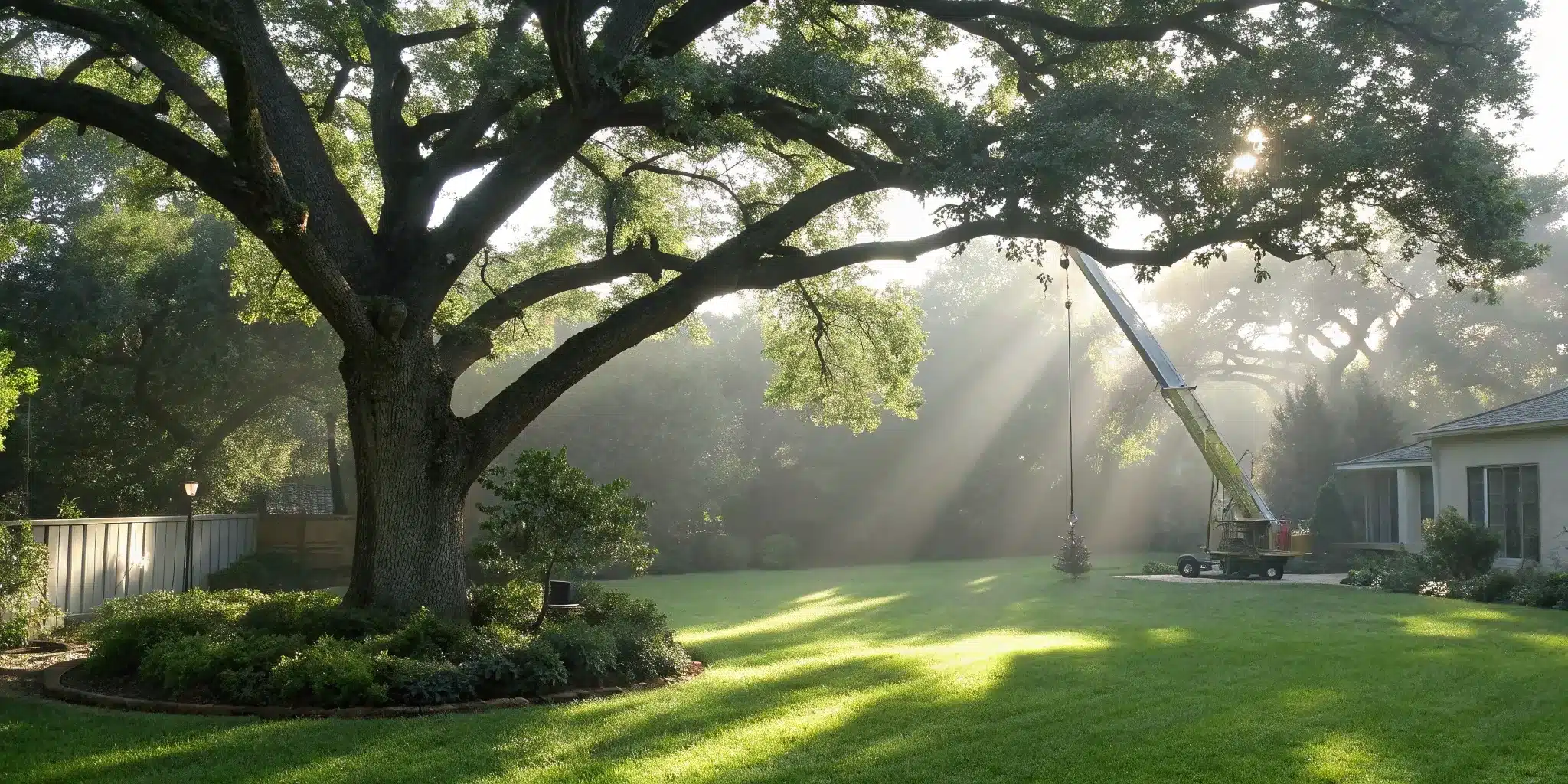
That old oak in your backyard has seen better days, and you’ve decided it’s time for it to go. It seems like a straightforward task—after all, it’s on your property. But in Florida, removing a tree is rarely that simple. Before you hire a crew, you need to understand the web of local rules that govern tree removal. The regulations can change completely from one county to the next, and what’s allowed in Tampa might get you a hefty fine in Miami. Getting a tree removal permit is often a required first step, and this guide is here to walk you through it.
Key Takeaways
- Confirm Local Requirements Before Acting: Tree removal rules are hyper-local in Florida. Your first step is always to check your specific city or county’s ordinances to understand which trees are protected and what the application process involves.
- A Complete Application Prevents Delays: Your permit application is only as strong as its supporting documents. Having a certified arborist’s report, a property survey, and a clear tree replacement plan ready will streamline the approval process and help you avoid common setbacks.
- Follow the Process to Protect Your Project: Skipping the permit can result in expensive fines, stop-work orders, and legal issues that affect your property’s value. Adhering to the official steps ensures your project stays compliant, on schedule, and within budget.
Do I Need a Permit to Remove a Tree in Florida?
The short answer is: probably. While it might seem like a simple task, removing a tree from your property in Florida often requires official permission. The state has laws in place to protect its beautiful and vital tree canopy, but the specific rules you need to follow will almost always come down to your local city or county government.
Navigating these regulations can feel like a maze of paperwork and local ordinances. One city might have a protected species list, while the neighboring county has different rules about tree size. Before you hire a tree service or fire up a chainsaw, it’s essential to understand the laws that apply to your property to avoid hefty fines and legal headaches.
Understanding Florida’s Tree Protection Laws
Florida law generally requires a permit to remove a tree, but there are important exceptions. A key piece of legislation allows property owners to remove a tree without a permit if a certified arborist or licensed landscape architect has documented that the tree poses a danger to people or property. However, this doesn’t mean you can remove any tree you don’t like. You must have that professional assessment in hand. Most routine tree removals still fall under local jurisdiction, and you’ll need to check your city or county’s specific tree removal permit requirements to ensure you’re in compliance.
Why Florida Protects Its Trees
These rules aren’t just about red tape; they exist to preserve Florida’s unique environment. Many counties protect specific “heritage” or “specimen” trees, which are often old, large, or part of a native species that defines the local landscape. These trees provide shade that lowers energy costs, offer habitats for wildlife, and help manage stormwater runoff. By regulating tree removal, local governments work to maintain the ecological balance and the natural beauty that makes Florida communities so desirable. The goal is to ensure that development happens thoughtfully, without sacrificing the green canopy that benefits everyone.
How Trees Fit into Urban Planning
For contractors and developers, trees are a critical component of urban planning. Responsible tree management is essential for creating sustainable and resilient communities. It helps cities adapt to changing climates, improves air quality, and ensures public safety by preventing hazards from overgrown or unstable trees. When you submit a permit application, officials are looking at how your project impacts the larger urban ecosystem. Preserving healthy trees and planning for new ones is a crucial part of developing properties that are not only compliant with codes but are also healthy, attractive, and sustainable for the long term.
Which Trees Require a Permit?
Figuring out if you need a permit to remove a tree isn’t always straightforward. The answer depends on a few key factors: the tree’s species, its size, and exactly where it’s located on your property. Florida’s cities and counties have specific rules to protect the local environment and maintain the character of their communities. Some trees are considered valuable assets, and removing them requires careful consideration and official approval.
Before you hire a tree service or pick up a chainsaw, it’s essential to understand which trees fall under these regulations. A “protected” tree in Miami might be different from one in Jacksonville, and the rules can change depending on whether your property is in a special conservation zone or a standard residential neighborhood. Getting this right from the start saves you from potential fines and headaches. Our team handles these local variations every day, ensuring your project complies with all the specific permitting services required in your area.
Protected and Heritage Trees
Many Florida communities designate certain trees as “protected” or “heritage” specimens. These are often large, old, or native trees like Live Oaks or Bald Cypresses that contribute significantly to the local canopy and ecosystem. Removing one isn’t as simple as just deciding it needs to go. As Orange County regulations state, “A permit is required to remove a tree or multiple trees from private property, unless a property meets an exception.” These exceptions are rare for protected trees. If your property is home to one of these special trees, you’ll need a very good reason for removal, such as disease or a direct threat to your home, and the permit process will likely be more involved.
Does the Size of Your Tree Matter?
Yes, size definitely matters. Most local ordinances set a size threshold, usually measured by the tree’s diameter at a standard height (about 4.5 feet from the ground). If a tree is larger than this specified diameter—say, 12 inches or more—you’ll typically need a permit to remove it. For trees that are close to the threshold or in a gray area, you can’t just make the call yourself. According to rules in cities like DeBary, “Tree removal without a permit is only allowed if you obtain written documentation from an ISA-certified arborist or a Florida licensed landscape architect.” This expert assessment confirms the tree’s condition and whether it poses a risk, which is a key part of the permit application.
Trees in Special Conservation Zones
If your property is located in or near a special conservation zone, wetland, or coastal area, the rules for tree removal become much stricter. These zones are protected for their environmental value, and every tree plays a role in the local ecosystem. Removing a tree here often requires a mitigation plan, which means you’ll have to plant new trees to replace the ones you take down. For example, Gainesville’s regulations specify that “Mitigation trees must be nursery-grown, 2” ±0.5” in diameter, and Florida Nursery Grade #1.” This ensures that the environmental impact is balanced, but it also adds another layer of complexity and cost to your project.
Removing Trees on Public Property
This is a big one: you cannot remove trees on public property, even if they are right in front of your house. This includes trees in the right-of-way, which is typically the strip of land between the sidewalk and the street. These trees are owned and managed by the city or county. If a public tree is dead, damaged, or interfering with power lines, you need to report it to your local public works department. As Hillsborough County notes, “Generally, a permit is required to remove a tree.” Attempting to remove it yourself can lead to serious penalties. If you need help coordinating with local agencies for a public tree issue, you can request a proposal and let us handle the official channels for you.
How to Get a Tree Removal Permit: A Step-by-Step Guide
Figuring out how to get a tree removal permit can feel like a lot, but it really boils down to a few key steps. Think of it as a simple roadmap: you check the rules, apply, provide your proof, and then finalize everything. This process exists to help protect Florida’s beautiful and vital tree canopy, ensuring that removals are done responsibly. The main thing to remember is that while this four-step process is pretty standard across the state, the specific details—like which trees are protected, what documents you need, or how much the fees are—can change a lot from one county or city to the next. It’s those local details that often trip people up and can cause frustrating delays. But don’t worry, we’ll walk through each step so you know exactly what to expect. Following the correct procedure from the start saves you time, money, and potential headaches down the road. And if you ever feel like you’re getting lost in the weeds of local ordinances, remember that our team is here to manage the entire permitting process for you. We handle the paperwork and the back-and-forth with the local offices so you can focus on your project.
Step 1: Check Your Local Rules
Before you even think about hiring someone to take down a tree, your first move is to check your local rules. This is non-negotiable. Just because a tree is on your property doesn’t automatically give you the right to remove it. Many Florida communities have specific ordinances to protect their urban forests. For instance, Orange County makes it clear that a permit is required for most tree removals on private property unless you qualify for a specific exception. The best way to get accurate information is to visit your city or county’s official government website. Look for their planning, zoning, or public works department pages, as that’s usually where you’ll find tree removal guidelines.
Step 2: Fill Out the Application
After you’ve confirmed that a permit is required, the next step is to tackle the application itself. Thankfully, most municipalities have moved this process online, which makes things much more convenient. Hillsborough County, for example, directs residents to submit applications through its HillsGovHub online portal and even provides a helpful Residential Tree Removal Guide to help you through it. When you fill out the form, be ready to provide specific details about your property, the tree you want to remove (including its species, size, and condition), and a clear reason for the removal. Having all this information gathered ahead of time will make the application process go much more smoothly.
Step 3: Submit Your Documents
Your application is rarely a stand-alone item; you’ll almost always need to submit supporting documents to back it up. The exact paperwork depends on your local rules and why you’re removing the tree. If the tree isn’t obviously dead or a safety risk, you’ll likely need a professional assessment to justify the removal. For example, the city of DeBary requires written documentation from an ISA-certified arborist or a Florida-licensed landscape architect. Other common requirements include a property survey or site plan showing the tree’s exact location, recent photos of the tree from different angles, and sometimes even a plan for planting a replacement tree.
Step 4: Pay Fees and Schedule an Inspection
The last leg of the journey involves paying any required fees and, often, scheduling an on-site inspection. Application fees can vary quite a bit between municipalities, so be sure to check your local government’s fee schedule to know what to expect. An inspector may need to visit your property to personally verify the tree’s condition, size, and location before they sign off on the permit. They will also ensure that any required replacement trees, known as mitigation trees, meet local standards. The City of Gainesville, for instance, has very specific criteria for tree removal and mitigation outlined in its city ordinances. Once your fees are paid and the inspection is complete, your permit should be issued.
Your Tree Permit Application Checklist
Getting a tree removal permit is more than just filling out a form. Your local municipality needs a complete picture of the situation to make an informed decision. This means gathering a specific set of documents that detail the tree’s condition, its location on your property, and your plan for what comes next. Think of it as building a case for why the removal is necessary. Having all your paperwork in order from the start is the single best way to avoid delays and get a quick approval.
Arborist Reports and Assessments
Before you can remove certain trees, you’ll likely need a professional opinion. Many Florida cities and counties require a report from an ISA-certified arborist to even consider your application. This isn’t just red tape; it’s an official assessment of the tree’s health, structural integrity, and any potential risks it poses. The arborist will document signs of disease, damage, or decay and provide a written recommendation. This report is the cornerstone of your application, giving the permitting office expert validation that the tree needs to be removed for a legitimate reason, such as safety or poor health.
Property Surveys and Site Plans
Officials need to know exactly where the tree is located. A property survey or a detailed site plan shows your property lines, the location of your home and other structures, and the precise position of the tree you want to remove. This helps the city verify that the tree is actually on your property and assess the impact of its removal on your neighbors, public right-of-ways, and nearby utility lines. Forgetting this document is a common reason for application rejection, so make sure you have an accurate and up-to-date survey or plan ready to submit with your application.
Photos and Measurements of the Tree
A picture is worth a thousand words, especially in a permit application. You’ll need to provide clear, recent photos of the tree from multiple angles. Be sure to include wide shots that show the tree in relation to your house or other buildings, as well as close-ups of any specific problems like cracks, dead limbs, or signs of disease. Along with photos, you’ll typically need to provide the tree’s measurements, most importantly its Diameter at Breast Height (DBH), which is the trunk’s diameter measured about 4.5 feet from the ground. This data helps officials confirm the tree’s size and determine if it falls under special protection rules.
Your Tree Replacement Plan
Removing a tree often comes with a condition: you have to plant a new one. This is called mitigation, and it’s how municipalities maintain their urban canopy. Your application will likely need to include a tree replacement plan that outlines how you’ll compensate for the loss. This plan usually specifies the number of new trees you’ll plant, their species (often requiring native Florida trees), their minimum size, and where you intend to plant them on your property. Cities can be very specific, sometimes requiring nursery-grown trees of a certain grade, so be sure your plan meets all local requirements. It’s a key part of showing you’re a responsible property owner.
When Can You Remove a Tree Without a Permit?
While it’s always safest to assume you need a permit, Florida law does outline a few specific scenarios where you can remove a tree without one. These exceptions are designed for clear-cut situations involving safety, tree health, or environmental protection. However, even when a permit isn’t required, you still have to follow certain rules. Before you fire up a chainsaw, make sure your situation fits one of these specific categories.
Emergencies and Safety Hazards
If a tree poses an immediate threat to people or property, you generally don’t need to wait for a permit to act. State law allows property owners to remove a tree that is a recognized danger. This typically applies to trees damaged in a storm that are leaning precariously over your home, have a split trunk, or are otherwise at immediate risk of falling. It’s a good idea to take photos and videos of the tree before removal to document the hazard. This creates a record you can use to prove the emergency if your local code enforcement office has questions later.
Dead or Diseased Trees
You can often remove a dead or dying tree without a permit, but there’s a catch: you need proof. The state requires you to get written documentation from an ISA-certified arborist or a Florida-licensed landscape architect confirming the tree’s condition. This report serves as your official justification for the removal. This rule prevents homeowners from simply claiming a healthy tree is sick to get around the permitting process. Think of this expert assessment as your pre-approval. Once you have that letter in hand, you can proceed with the removal, knowing you have the necessary verification.
Exceptions for Smaller Trees
Many local ordinances include exceptions for smaller trees that fall below a certain size threshold. There isn’t a single statewide standard, so the definition of a “small tree” changes from one county or city to the next. For example, a municipality might not require a permit for trees with a trunk diameter of less than four inches when measured at a specific height. It is absolutely essential to check your local government’s tree protection ordinance to find the exact rules for your area. If you’re unsure how to interpret the local code, our team can help you understand the specific services needed to stay compliant.
Removing Invasive Species
Florida actively encourages the removal of non-native, invasive tree species that threaten the state’s natural ecosystems. Trees like the Brazilian Pepper or Melaleuca are common targets. In most cases, you won’t need a permit to remove a tree that is officially listed as an invasive species in your area. However, the law still requires that you work with trained professionals to ensure the removal is done safely. You should also confirm the tree’s species with an expert and check for any local rules regarding proper disposal, as some invasive plants can regrow if not handled correctly.
How Much Does a Tree Permit Cost and How Long Does It Take?
Figuring out the cost and timeline for a tree removal permit can feel like a moving target. The truth is, there’s no single answer for Florida. Prices and wait times vary significantly from one county or city to the next. Factors like the tree’s size, species, and location, as well as your local government’s current workload, all play a role. However, you can get a solid idea of what to expect by breaking down the process into three main parts: the initial application fee, the waiting period, and any additional costs that might pop up along the way. Planning for these variables will help you budget your project accurately and avoid unexpected delays.
Typical Application Fees
The initial application fee for a tree removal permit can range from as little as $50 to several hundred dollars. This cost typically covers the administrative work of processing your request. For example, in Orange County, a permit is required to remove a tree from private property unless you meet specific exceptions, and the fee is part of that process. The final amount often depends on the number of trees you plan to remove, their size, and whether your property is residential or commercial. Some municipalities might have a flat fee, while others calculate it based on the specifics of your project, so always check your local government’s website for their current fee schedule.
How Long You Can Expect to Wait
Patience is key when it comes to permit processing. The timeline can stretch from a few business days to several weeks, or even longer for more complex projects. The first step is simply to determine if you need a permit at all, which can take some research on its own. Once you apply, the wait time is influenced by the completeness of your application, the local building department’s backlog, and whether a site inspection is required. Submitting a thorough and accurate application is the best way to keep the process moving as quickly as possible and avoid unnecessary setbacks.
Potential Added Costs (Like Inspections)
The application fee is rarely the only expense. You may need to budget for several other costs to get your permit approved. For instance, many jurisdictions require a report from an expert. Some cities note that you may need written documentation from an ISA-certified arborist or a Florida licensed landscape architect, which can cost several hundred dollars. Other potential expenses include fees for site inspections, the cost of a property survey if one is required, and the price of replacement trees if your permit includes a replanting condition. Factoring these potential expenses into your budget from the start can prevent financial surprises down the road.
What Happens If You Remove a Tree Without a Permit?
Thinking about taking down a tree on your property? It might seem like a simple weekend project, but in Florida, it often involves more than just a chainsaw. Many cities and counties have specific rules to protect the local environment and community character, which means you might need a permit first. Skipping this step can lead to a surprising amount of trouble.
Ignoring local ordinances isn’t just a minor oversight; it can result in hefty fines, stop-work orders that derail your entire project, and even legal action. You could also be required to replace the tree you removed, which is often more expensive than the original removal. These consequences can create long-term headaches, affecting your property’s value and causing issues if you ever decide to sell. Understanding the risks is the first step in making sure your project goes smoothly and stays on the right side of the law. Our team handles these permitting services every day, so we know exactly what it takes to stay compliant.
Fines and Penalties
One of the most immediate consequences of removing a tree without a permit is a financial one. Local governments don’t take kindly to unpermitted work, and the fines can be substantial, sometimes running into thousands of dollars. The exact amount often depends on the type, size, and significance of the tree. For contractors and developers, the city can also issue a stop-work order, which halts all activity on your site until the violation is resolved. This not only costs you money in fines but also leads to project delays, throwing your timeline and budget completely off track.
Legal Trouble and Code Violations
Beyond the initial fines, removing a protected tree can lead to more serious legal repercussions. Some trees are specifically protected by local or state regulations, and cutting them down without approval is a direct code violation. This violation gets attached to your property’s record, creating a red flag that can complicate future sales or refinancing efforts. Potential buyers will see it during their due diligence, and you’ll be required to resolve it before closing. In rare cases involving heritage trees or repeat offenses, the legal consequences can become even more severe. Getting expert help ensures you avoid these legal entanglements from the start.
Forced Replanting and Restoration
If you’re caught removing a tree illegally, don’t be surprised if the city orders you to plant a new one. And they won’t let you get away with just a small sapling. Municipalities often have “tree replacement” policies that require you to plant one or more trees of a comparable size or value to the one you removed. This process, known as mitigation or restoration, can be incredibly expensive. You’ll have to cover the cost of purchasing mature trees, having them professionally installed, and potentially maintaining them for a set period. This expense comes on top of any fines you’ve already paid.
How It Affects Your Property Value
Mature, healthy trees are a huge asset to any property. They provide shade, improve air quality, and add significant curb appeal, all of which contribute to higher property value. When you remove a tree without a permit, you risk not only losing that value but also creating a legal issue that can scare away potential buyers. An unresolved code violation is a major deterrent in a real estate transaction. Responsible tree management shows that a property has been well-maintained, while an illegal removal can signal to buyers that there might be other hidden problems, ultimately making your property harder to sell.
Common Permit Challenges and How to Handle Them
Getting a tree removal permit can feel like a project in itself. From confusing paperwork to unexpected costs, a few common hurdles can slow you down. The good news is that knowing what to expect is half the battle. Let’s walk through some of the most frequent challenges and talk about how you can handle them smoothly.
Dealing with Public Objections
When we talk about “public objections,” it’s often the local government you need to satisfy. Trying to remove a tree without the proper approvals is a risky move. Ignoring permit requirements can lead to serious consequences, including “monetary fines, mandatory replanting or remediation, and stop-work orders.” The best way to handle this is to be proactive and follow the process from the start. Securing the right permit is your official green light, ensuring your project is fully compliant and free from costly violations that could derail your plans and your budget.
Gathering All the Right Paperwork
This is where many projects hit a snag. A permit application isn’t just one form; it often requires a whole package of supporting documents. For example, some counties specify that you may need “written documentation from an ISA-certified arborist or a Florida licensed landscape architect.” You might also be asked for property surveys, detailed site plans, and clear photos of the tree. Keeping track of every single requirement can feel overwhelming. Our permit expediting services are designed to take this burden off your shoulders, ensuring every document is correct and submitted on time.
Why Local Rules Can Be Tricky
Florida’s regulations are anything but one-size-fits-all. As local experts often point out, “which trees are protected will vary by county.” This patchwork of rules can be incredibly confusing, especially if you’re a contractor or developer working on projects in different areas. What’s required in Miami might be completely different from the rules in Tampa or Jacksonville. You have to become an expert on each municipality’s specific codes and application portals. This is why having statewide knowledge is so important for keeping your project on track, no matter where it’s located.
Budgeting for the Full Cost
The application fee is just one piece of the financial puzzle. To get a clear picture of the total cost, you need to account for all the potential extras. This can include fees for professional assessments from a certified arborist, the cost of a new property survey if yours is outdated, or charges for required inspections. Factoring these associated costs in from the beginning helps prevent surprises down the road. To get a better handle on what your project might require, you can request a proposal to understand the full scope of the permitting process and its expenses.
How Tree Removal Rules Vary Across Florida
When it comes to tree removal, Florida is anything but a one-size-fits-all state. The rules can change dramatically not just from county to county, but even from one city to the next. A project in Orlando might face completely different requirements than one in Tampa. Understanding these local differences is the first step to getting your permit without hitting frustrating roadblocks. This patchwork of regulations is why it’s so important to know exactly which rules apply to your specific property before you even think about starting work.
City vs. County: What’s the Difference?
The first thing you need to figure out is whether your property is inside an incorporated city or in an unincorporated part of the county. This distinction is crucial because cities often have their own set of tree ordinances that are stricter than the county’s general rules. If you live within city limits, you’ll follow the city’s process, not the county’s. Think of it as an extra layer of local oversight. Before you do anything else, confirm your jurisdiction. A quick check on your city or county’s official website can usually clear this up and ensure you’re starting in the right place.
Protected Tree Lists by County
Not all trees are treated equally. Most Florida counties have a list of “protected” or “heritage” trees that require a permit for removal, regardless of their condition. While some species, like certain types of oak, are commonly protected, the exact list varies. Your county might protect trees over a certain diameter, while a neighboring county has different standards. To stay compliant, you’ll need to find your specific county’s protected tree list. For example, the tree removal permit process in Orange County clearly defines which trees are regulated. Removing a protected tree without permission can result in significant fines, so this is a step you can’t afford to skip.
Different Cities, Different Application Portals
Once you know which rules to follow, you have to figure out how to apply. The application process itself can look very different depending on where you are. Some municipalities, like Hillsborough County, require you to submit everything through a dedicated online portal. Others might still use paper forms or have a different digital system. Each portal has its own quirks and required documents. This is where the details can really slow you down. Keeping track of these varying submission requirements is exactly what our permit expediting services are designed to handle, ensuring your application is submitted correctly the first time, no matter the local process.
How an Expediter Simplifies the Process
Navigating the tree removal permit process can feel like a full-time job, especially with rules that change from one county to the next. This is where a permit expediter comes in. Think of us as your project manager for the permitting process. We handle the research, paperwork, and communication with local agencies so you can focus on your project. By managing the details and anticipating potential roadblocks, we make the entire experience smoother and faster. Our goal is to get that approved permit in your hands without the usual headaches and delays.
Expert Guidance on Complex Rules
Florida’s tree removal laws are a patchwork of state statutes and local ordinances. For example, some counties require a permit to remove any tree unless a specific exception is met, while state law allows property owners to remove a tree deemed dangerous by a certified arborist. An expediter provides expert guidance on these regulations, clarifying which rules apply to your specific property and project. We stay current on every change, so you don’t have to worry about misinterpreting a complex ordinance or missing a critical requirement that could derail your application.
We Handle the Paperwork for You
The application process itself can be a major hurdle. Many counties, like Hillsborough, now require all permit applications to be submitted through specific online portals. This means creating accounts, correctly filling out digital forms, and uploading multiple documents in the right format. A permit expediter takes this entire administrative burden off your shoulders. We prepare and submit all the necessary paperwork on your behalf, ensuring every detail is accurate and complete. This prevents the common back-and-forth with the permit office that happens when forms are filled out incorrectly.
Get Your Permit Faster
Delays in permitting can bring your entire project to a standstill. The most common cause for a delay is an incomplete or incorrect application. An expediter’s familiarity with the process helps you get your permit faster by ensuring everything is right the first time. We know exactly what supporting documents are needed, from arborist reports to detailed site plans, and we make sure they are included with your initial submission. Our experience allows us to anticipate what reviewers are looking for, which helps your application move smoothly through the system without unnecessary hold-ups.
Local Know-How, Statewide Reach
Whether your project is in Miami, Tampa, or a small town in between, local knowledge is key. Tree ordinances can vary significantly from one jurisdiction to another. We combine deep local expertise with a statewide presence, offering a unique advantage. Our team understands the specific nuances of city and county codes across Florida. This means we can provide tailored solutions for your project, no matter where it’s located. We act as your single point of contact, saving you the trouble of finding a new expert for every location.
Related Articles
- Plantation Permit Expediting & Compliance Experts
- Building Permits Florida Archives – All Florida Permits
- Specialty Permits in Florida | All Florida Permits
Frequently Asked Questions
Do I really need a permit for a tree on my own property? In most cases, yes. While it feels like your property is your own little kingdom, local tree ordinances are in place to protect the entire community’s environment. Your city or county sets these rules to preserve the local tree canopy, which benefits everyone by providing shade, managing stormwater, and maintaining property values. Think of it less as a restriction and more as a part of a shared responsibility to keep Florida green.
What’s the fastest way to find out my local tree removal rules? The most direct route is to visit the official website for your city or county government. Search for the planning, public works, or building department, as one of them usually manages tree regulations. This will give you the most accurate and up-to-date information on ordinances, protected species lists, and application forms for your specific address.
Can I skip the permit if a tree is clearly dead or dangerous? Not entirely. While Florida law provides an exception for trees that pose a clear safety risk, you can’t just make that call on your own. To stay compliant, you almost always need written documentation from an ISA-certified arborist or a licensed landscape architect. This professional report serves as your proof that the removal was justified, protecting you from potential fines if questions arise later.
What are the most common reasons a tree permit application gets delayed? The number one reason for delays is an incomplete application package. This often means missing a required document, like a professional arborist’s report, an up-to-date property survey showing the tree’s location, or clear photos of the tree’s condition. When the permitting office has to ask for more information, your application gets pushed to the back of the line.
Besides the application fee, what other costs should I expect? The application fee is just the starting point. You should also plan for the cost of hiring a certified arborist to assess the tree, which can be several hundred dollars. If your permit is approved with a condition for replanting, you’ll also have to pay for the new replacement tree and its installation. Factoring these potential expenses into your budget from the beginning will help you avoid any financial surprises.