

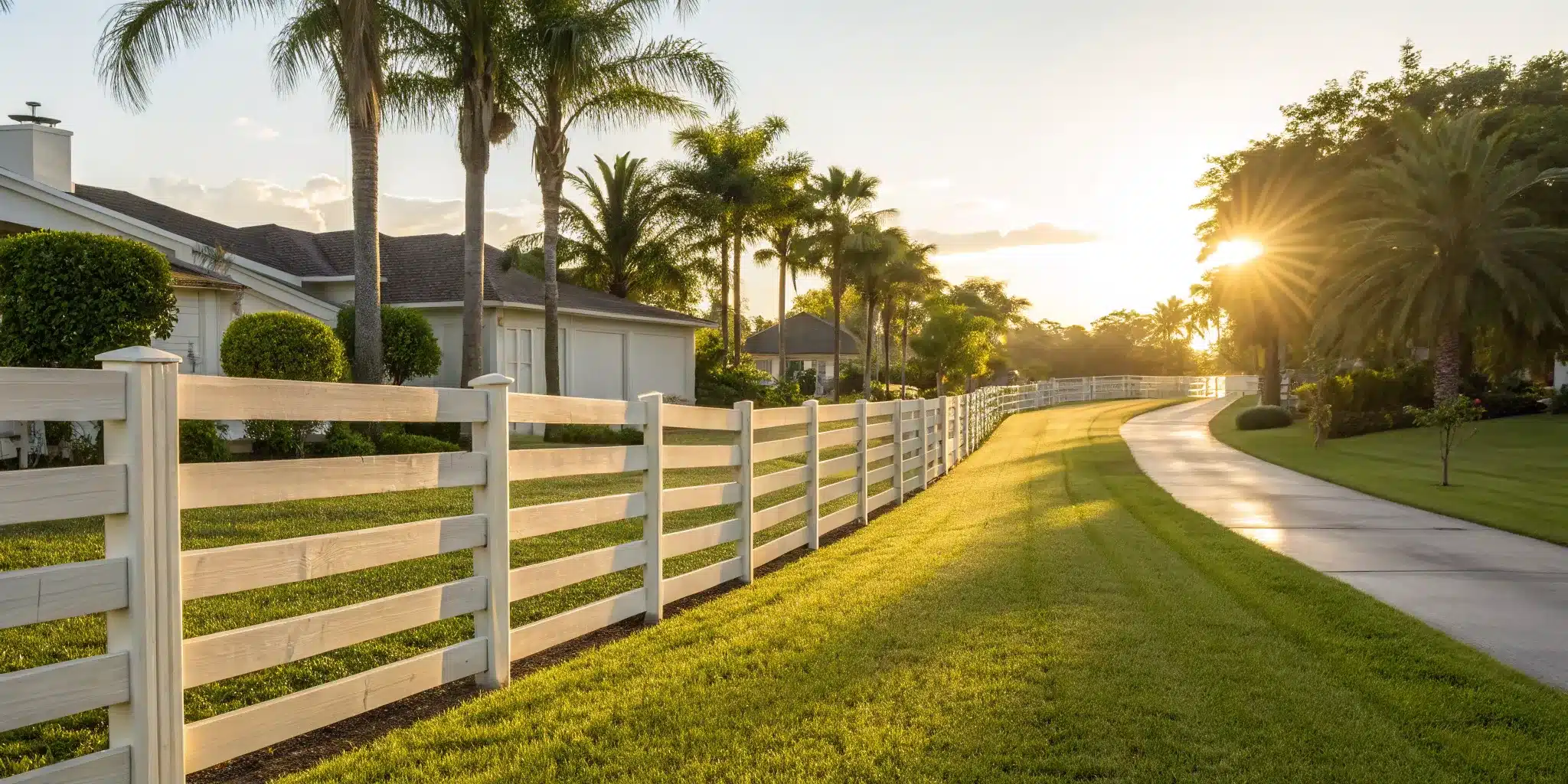
You’re ready to build your fence. You have a budget, a timeline, and a vision. It’s tempting to just get started and skip the paperwork, right? But building without the proper fence permit can backfire, big time. We’re talking hefty fines that dwarf the original application fee, or even a legal order to tear your brand-new fence down. It can also create serious roadblocks when you try to sell your home or file an insurance claim. Instead of a hassle, think of your permit as an insurance policy. It protects your investment and gives you peace of mind. Here’s your clear, step-by-step guide to doing it right.
Key Takeaways
- Prioritize the Permit to Protect Your Investment: Skipping the permit process can lead to fines, forced removal of your fence, and major complications when selling your home. Securing a permit ensures your project is a safe, legal, and valuable addition to your property.
- Know Your Local Code and Property Lines: Fence regulations on height, materials, and placement vary significantly across Florida cities and counties. Always confirm the specific rules with your local building department and get a professional property survey to avoid costly boundary disputes.
- Submit a Complete Application to Avoid Delays: The most common reason for a rejected permit is incomplete or inaccurate information. Double-check that your site plan is detailed, all forms are filled out correctly, and you’ve accounted for underground utilities by calling 811 before submitting.
Do I Need a Permit to Build a Fence in Florida?
The short answer is almost always yes. While rules change from Miami-Dade to Duval County, building a fence in Florida typically requires a permit. It’s easy to see a fence as a simple project, but local governments view it as a structural addition. A permit isn’t just about following rules; it’s about protecting your investment, safety, and property value. Before you break ground, let’s cover why this step is so critical and what common misconceptions could lead you into trouble.
Why a Permit is More Than Just Paperwork
Think of a permit as a professional seal of approval. Its main purpose is to ensure your fence is built safely and meets local building codes designed for Florida’s weather. When you get a permit, you’re confirming that your plans comply with local regulations, covering everything from height and materials to its distance from property lines and utilities. This process protects you from building over an underground power line or creating a structure that could collapse in a storm. It’s a crucial step that keeps your family, neighbors, and property safe.
How a Permit Protects Your Property Value
An unpermitted fence can become a serious liability. If you sell your home, an inspection will likely uncover the lack of a permit, which can delay or kill the sale. You might even be forced to tear the fence down. On the other hand, a properly permitted fence is a legitimate asset that adds value to your property. It shows the work was done correctly and meets all legal standards, giving future buyers peace of mind. It can also be a factor in insurance claims; if a storm damages your fence, your provider will want to see it was built to code.
Common Fence Permit Myths, Busted
Many homeowners get tripped up by misinformation. A common myth is that you only need a permit for tall fences. The truth is, most municipalities require a permit for nearly any new fence installation. Another mistake is assuming your contractor handles everything. While a good contractor should guide you, the ultimate legal responsibility often falls on you, the property owner. Ignoring zoning requirements or hoping no one notices is a risky gamble that can lead to fines and legal headaches. The best way to avoid these mistakes is to check with your local building department first.
When Is a Fence Permit Required in Florida?
Figuring out if you need a permit for your new fence in Florida isn’t always a straightforward “yes” or “no.” The answer depends on a mix of factors specific to your property and your local jurisdiction. While it might seem like an extra step, these regulations are in place to ensure safety, protect property values, and prevent disputes with your neighbors. A fence built too high could block a driver’s view, and one placed over a utility line could cause major problems down the road.
Think of the permit process as a blueprint for success. It forces you to confirm your property lines, consider your neighbors, and choose materials that are safe and appropriate for your area. Getting it right from the start saves you from the potential headaches of fines, legal issues, or even having to tear down your brand-new fence. The requirements can change quite a bit from one county to the next—what’s fine in Orlando might not be in Miami-Dade. Let’s break down the key things that determine whether you’ll need to file for a permit before you start digging.
Does Your Fence Height Require a Permit?
The most common reason a fence requires a permit is its height. As a general rule, most Florida municipalities require a permit for any fence taller than six feet. This is especially true for fences in your backyard, which are typically allowed to be taller for privacy. Just as important are the setback requirements. A “setback” is simply the minimum distance your fence must be from property lines, sidewalks, and streets. These rules ensure there’s enough space for utility access and that your fence doesn’t obstruct visibility for drivers and pedestrians. Before you plan your fence, you need a clear understanding of your property lines to get the setbacks right.
Do Front and Backyard Fences Have Different Rules?
Where you plan to build your fence has a big impact on the rules you need to follow. Municipalities often have different height restrictions for front yards compared to backyards. Front yard fences are usually limited to a shorter height—often around four feet—to maintain the aesthetic character of the neighborhood and ensure clear sightlines at intersections and driveways. In contrast, backyard fences are typically allowed to be taller, usually up to six feet, to provide privacy and security for your home. Always check your local city or county code to confirm the specific height limits for your property’s different yard areas before finalizing your design.
Understanding Visibility Rules at Intersections
When you’re planning a fence on a corner lot or near a driveway, safety becomes a top priority. Local governments have specific rules about visibility to prevent accidents. Imagine a driver trying to pull out onto a busy street; a tall fence on the corner can create a dangerous blind spot. This is why many Florida cities, like Orlando, have what’s called a “sight visibility triangle” at intersections—an area that must be kept clear of obstructions. Failing to follow these rules isn’t just a minor mistake; it can lead to serious fines or even an order to tear down your new fence. Before you finalize your plans, it’s essential to understand the specific local regulations for your property to ensure your project is both safe and compliant.
How Fence Materials and Design Impact Your Permit
You might assume that if your fence is under the height limit, you’re in the clear. However, the materials you use can also trigger a permit requirement. A heavy, solid fence made of brick, stone, or concrete will almost always require a permit, regardless of its height, because it requires a substantial foundation and poses different structural and safety considerations. Lighter materials like wood, vinyl, or chain-link may not need a permit if they stay under the height threshold. The design itself matters, too. If your fence is part of a retaining wall or includes complex structural elements, you’ll likely need to submit plans for approval.
Commonly Prohibited Fence Materials
Before you get too attached to a specific fence style, it’s smart to know which materials are often off-limits. Florida municipalities have these rules for good reasons—primarily to ensure safety and maintain a consistent look across the neighborhood. The last thing you want is to invest time and money into a design, only to have your permit application denied because of your material choice. Understanding these common restrictions from the start can save you a major headache and keep your project on track. Here are some of the materials that are frequently prohibited or restricted in communities across the state.
- Barbed Wire and Electric Fencing: It might seem obvious, but materials like barbed wire and electric fencing are almost universally banned in residential areas. They pose a clear safety risk to children, pets, and neighbors, so they are typically reserved for agricultural or high-security industrial properties.
- Chain-Link in Front Yards: While chain-link is a practical and affordable option for backyards, many communities restrict its use in front yards. This rule is all about curb appeal and maintaining a consistent, welcoming look throughout the neighborhood.
- Unconventional Materials: You’ll also want to steer clear of unconventional or salvaged materials. Things like scrap metal, tires, plastic sheets, or hubcaps are generally prohibited. Fences must be built from durable, standard materials that are proven to be safe and weather-resistant.
- Heavy Masonry (With a Catch): Materials like brick, stone, or concrete aren’t usually prohibited, but they come with their own set of rules. Because these heavy materials require a proper foundation, they almost always need a building permit, regardless of the fence’s height. Your local building department will need to review the structural plans to ensure it’s built to last.
Beyond the Permit: HOA and Zoning Rules to Know
Getting approval from your local building department is only part of the process. If you live in a community with a Homeowners Association (HOA), you have a whole other set of rules to follow. HOAs often have strict guidelines on fence height, materials, colors, and styles to maintain a uniform look throughout the neighborhood. Failing to get HOA approval first can lead to fines or force you to remove the fence, even if you have a city permit. Navigating these overlapping local and community regulations can be tricky, which is why many homeowners and contractors rely on expert permit services to ensure all requirements are met.
Special Rules for Pool Safety Fences
When your fence project involves a swimming pool, the rules become much stricter, and for a very good reason: safety. Fences around swimming pools almost always require a permit, no matter their height or material. This isn’t about neighborhood aesthetics; it’s about preventing tragic accidents. Florida law has specific requirements for pool barriers, which typically must be at least four feet high with no gaps large enough for a small child to squeeze through. Furthermore, any gates must be self-closing and self-latching to ensure they can’t be left open accidentally. These regulations are non-negotiable, so it’s critical to get the plans right and ensure your project is fully compliant before you begin construction.
The “Finished Side” Rule: Facing Your Neighbor
One of the most common fence rules that catches homeowners by surprise is the “finished side” requirement. Many Florida communities have what’s often called a “good neighbor” ordinance, which dictates that the nicer, finished side of the fence—the one without the visible posts and rails—must face outward toward your neighbors and the street. The idea is to maintain a pleasant and uniform appearance for the entire neighborhood. If you have a specific reason for wanting the unfinished side to face out, some jurisdictions, like Miami-Dade County, may allow you to proceed if you get your neighbor’s written consent on an official waiver. Always check your local code to see if this rule applies to you.
Understanding Laws for Fences on a Shared Property Line
Building a fence becomes a bit more complex when it sits on a boundary you share with a neighbor. This is where clear communication and a solid understanding of your responsibilities are essential. A property line fence, often called a “division fence,” isn’t just your project—it’s a shared structure that impacts both properties. Before you pick out materials or hire a contractor, you need to talk to your neighbor. A simple conversation can prevent misunderstandings and legal issues down the road. It’s also a great idea to get a professional property survey to confirm the exact location of the boundary line. This small investment upfront can save you from a costly dispute if the fence is accidentally built on your neighbor’s land.
Your Legal Obligations to Your Neighbor
When a fence is on a shared property line, both you and your neighbor are generally responsible for it. This means you’re expected to split the reasonable costs of building, maintaining, and repairing the fence. The key to a smooth process is communication. Most areas require you to give your neighbor advance written notice—often at least 30 days—before you start any construction or major repairs. This notice should outline the proposed work, the estimated cost, and the timeline. Putting everything in writing creates a clear record and ensures both parties are on the same page. This simple step protects your relationship with your neighbor and provides a legal foundation for the shared project.
What is a “Good Neighbor Fence” Law?
Some states, like California, have a “Good Neighbor Fence Law” that formally outlines the shared responsibilities between property owners. While Florida doesn’t have a single statewide statute with that name, the core principles are still a great guide for preventing disputes. These principles emphasize mutual agreement and shared costs. The best practice is to treat any shared fence as a joint venture. Discuss materials, height, and style with your neighbor and come to an agreement before any work begins. A written agreement detailing cost-sharing and maintenance responsibilities is the best way to ensure compliance and keep things friendly, protecting your investment and your peace of mind.
What Happens If You Build a Fence Without a Permit?
Thinking about skipping the permit for your new fence? It’s tempting to want to save time and money, but going ahead without official approval can create major problems that are far more costly and stressful than the initial application process. From hefty fines to legal orders to tear down your work, the consequences of unpermitted construction can ripple out, affecting your finances, your property, and even your future plans to sell your home. Before you start digging post holes, it’s crucial to understand what you’re risking when you build without a permit. Let’s walk through exactly what can happen if you decide to bypass the proper channels.
The Real Cost of Building Without a Permit
First and foremost, building a fence without a permit can hit your wallet hard. If a code enforcement officer discovers the unpermitted work, you can expect to face fines. These aren’t just small slaps on the wrist; penalties can range from hundreds to thousands of dollars depending on your local municipality. In many Florida counties, the fine can be double the cost of the permit you were supposed to get in the first place. Suddenly, that shortcut you took becomes a much more expensive detour. These financial penalties can quickly turn your budget-friendly project into a significant financial burden, all for avoiding a straightforward application.
How Fines Are Calculated
You might be wondering how officials land on a specific dollar amount for a fine. It’s not just a number pulled out of a hat. The calculation often starts with the original permit fee you were trying to avoid. In many parts of Florida, a common penalty is to charge double the cost of the permit you should have obtained. On top of that, you’ll still have to pay for an “after-the-fact” permit, which can sometimes be more expensive than a standard one. The final amount can also be influenced by the scope of the project or if you have a history of code violations. This is why getting expert guidance on local regulations is so important—it helps you avoid these unpredictable and costly penalties from the get-go.
Could You Be Forced to Tear Your Fence Down?
Beyond the fines, local authorities have the power to issue a stop-work order and can even require you to completely remove the fence. Imagine all the time, money, and effort you invested in materials and labor, all for nothing. You’ll have to pay to tear it down and may even have to restore the property to its original condition. This process often comes with more legal paperwork and potential liens on your property if you don’t comply. The basics of fence building law make it clear that ignoring regulations can lead to a frustrating and expensive outcome where you end up right back where you started, minus your investment.
How an Illegal Fence Complicates a Home Sale or Insurance Claim
The problems with an unpermitted fence don’t just disappear over time—they can resurface years later. When you decide to sell your home, unpermitted work can become a major roadblock. It has to be disclosed, and it often spooks potential buyers or complicates the closing process. Furthermore, if your fence is damaged in a storm, your homeowner’s insurance provider may deny your claim if the structure was built without a proper permit. This could leave you responsible for the full cost of repairs, a particularly risky situation in Florida’s hurricane-prone climate. It’s a long-term gamble that can seriously affect your future real estate transactions.
The Risk of Future Code Changes
Building codes in Florida are constantly evolving, often becoming stricter in response to major weather events. If you build a fence without a permit, you have no official record that it met the standards in place at the time of construction. This means if a code changes and an issue with your fence is discovered later—perhaps during a home sale or after a storm—it will be judged against the new, more stringent requirements. This is a risk that doesn’t fade over time. A future inspection could suddenly put your fence under scrutiny, forcing you to make expensive upgrades or tear it down to meet the current Florida Building Code. Securing a permit creates a time-stamped record, protecting your project under the regulations it was originally built to.
How Unpermitted Work Gets Discovered
You might be thinking, “It’s just a fence in my backyard, who’s going to know?” In reality, unpermitted work comes to light in several ways, and often sooner than you’d expect. The most common trigger is a simple phone call from a neighbor. Whether they’re concerned about property lines, the fence’s appearance, or just want rules followed, a complaint from a neighbor can lead to an immediate inspection from code enforcement. Officials also discover unpermitted projects during routine patrols or when they visit your property for another permitted job, like a pool or shed installation. Even if it goes unnoticed for years, the issue will almost certainly be flagged during a home inspection when you try to sell, creating a last-minute crisis that can jeopardize the entire deal. It’s a risk that stays with the property.
How to Apply for a Florida Fence Permit
Navigating the permit process can feel like a major hurdle, but it doesn’t have to stop your project in its tracks. When you break it down into clear, manageable steps, you can approach your application with confidence. Think of it as a checklist: gather your information, confirm your boundaries, and submit your paperwork. Each step gets you closer to building the fence you want, the right way.
The key is to be thorough. A complete and accurate application is the fastest way to get an approval. Missing documents or incorrect site plans are the most common reasons for delays, forcing you to go back and forth with the building department. By following these steps, you can avoid common pitfalls and keep your project moving forward. If you’d rather leave the paperwork to an expert, our team handles these permitting services every day, ensuring a smooth process from start to finish.
Step 1: Gather Your Documents and Site Plans
Before you fill out any forms, your first call should be to your local city or county planning department. They will give you the specific rules for your area, including regulations on fence height, location, and approved materials. Once you have that information, you can start gathering your documents. You will typically need a completed permit application and a detailed site plan. This plan is a drawing of your property that clearly shows where the new fence will be installed, its height, and the materials you plan to use. Be as specific as possible to give the reviewer all the information they need.
Step 2: Complete an Accurate Property Survey
Knowing exactly where your property lines are is non-negotiable. Building a fence even a few inches onto your neighbor’s property can lead to serious legal disputes and might even force you to tear the fence down. To avoid this, get a copy of your property survey or plat map from your county office. If you can’t find one or aren’t sure it’s accurate, hiring a licensed land surveyor is a worthwhile investment. While you’re at it, it’s always a good idea to give your neighbors a friendly heads-up about your plans. This simple courtesy can prevent misunderstandings and keep the peace.
Step 3: Submit Your Application for Approval
With your documents in hand and your property lines confirmed, you’re ready to submit your application to the local building department. This final package should include your completed form, the site plan, and any required application fees. After you submit everything, the waiting period begins. Approval times can vary from a few days to several weeks, depending on how busy your local office is. That’s why it’s so important to apply well before you plan to start construction. If you’re on a tight schedule or want to ensure your application is right the first time, you can request a proposal to have an expert manage the submission for you.
Understanding Different Permit Types (Zoning vs. Building)
When you hear the word ‘permit,’ it’s easy to think it’s a single document, but that’s not always the case. For a project like a fence, you might encounter two main types: a zoning permit and a building permit. Think of a zoning permit as the ‘where’ permit. It’s focused on your fence’s location and making sure it complies with local land use regulations—confirming it respects property lines and meets setback requirements. On the other hand, a building permit is the ‘how’ permit. This one is all about structural integrity and safety, ensuring your materials and construction methods meet the Florida Building Code. For example, a heavy concrete fence or a fence that acts as a pool safety barrier will almost certainly require a building permit because of the specific safety standards involved. Getting the right permit is crucial, and our team at All Florida Permits helps clients sort through these details every day to make sure they have the correct approvals for their project.
How Much Does a Fence Permit Cost and How Long Does It Take?
Once you know you need a permit, two big questions pop up: “How much will this cost?” and “How long will I have to wait?” The answers vary across Florida, but understanding the key components helps you set a realistic budget and timeline. The total cost isn’t just one flat fee; it’s a mix of application charges and potential inspection fees. The timeline can range from a few days to several weeks, depending on your local building department and the quality of your application. Planning ahead is the best way to keep your project on track.
A Look at Fence Permit Fees Across Florida
Fence permit application fees are not standardized across Florida; each county sets its own schedule. For example, Brevard County charges a flat processing fee of around $25, while Seminole County’s fee is a base of $35 plus an amount tied to your project’s value. Because these costs differ so much, it’s crucial to check your local requirements. Many counties, like Orange County, have an online permitting system where you can find the exact fees before you submit.
Budgeting for Inspections and Other Hidden Costs
The application fee is just the starting point. You also need to budget for inspection costs. Most projects require at least one inspection, and if your fence doesn’t pass, you’ll pay for a re-inspection. In Seminole County, a first re-inspection costs $40, and that fee increases for subsequent visits. These costs can add up, turning a small mistake into a bigger expense. This is where professional permit services can save you money by ensuring everything is done right the first time.
What Can Speed Up (or Slow Down) Your Approval
The biggest factor in your permit timeline is the quality of your application. A complete, accurate application with all required documents—like your site plan and property survey—will move through the system much faster. Incomplete applications are the most common cause of delays. Compliance with local regulations is also key. If your fence design doesn’t meet height or setback requirements, your application will be rejected. While you can’t control the building department’s workload, submitting a flawless application is your best bet for a quick approval.
Are Fence Permit Rules the Same Everywhere in Florida?
If there’s one thing to know about building a fence in Florida, it’s that local rules are king. While some state-level guidelines exist, the specific requirements that will make or break your project live at the city and county level. What’s perfectly acceptable in Tampa might get you a violation notice in Jacksonville. This is why you can’t rely on advice from a friend in another county or a generic online guide. Each municipality has its own take on fence height, materials, and placement, making it essential to check with your local building department before you even think about digging a post hole. Our team handles permit applications across the state and sees these variations firsthand every day.
Comparing Fence Rules: Miami-Dade vs. Orange County
To see just how different local rules can be, let’s compare two of Florida’s major hubs: Miami-Dade and Orange County. In Miami-Dade County, if you want to build a fence between 3.5 and 6 feet tall in your front yard, you’ll need a Zoning Permit. On top of that, the fence must be at least 60% transparent, or see-through, to comply with local codes. Head north to Orange County, and you’ll find a completely different set of regulations. The rules around height, setbacks, and even materials can vary significantly, proving that you have to treat each project as a unique case.
Why You Must Check City-Specific Ordinances
It gets even more granular. Sometimes, the rules can change from one city to another within the same county. It’s a common mistake to assume that county-level regulations are the only ones you need to follow. Cities often have their own specific ordinances that add another layer of requirements to your project. For example, a historic district within a city might have strict rules about fence design and materials that don’t apply to the rest of the area. This patchwork of regulations is why it’s so important to get expert guidance tailored to your exact address.
How to Find Your Local Zoning Laws
So, where do you start? Your first and most important stop should be your local city or county’s planning and building department. This is the official source for all local building codes. Before you buy materials or hire a contractor, give them a call or visit their website. Be prepared to ask specific questions about your project, including rules for fence height, required setbacks from property lines, approved materials, and, of course, whether you need a permit. Getting this information directly from the source is the best way to ensure your project starts on the right foot and stays compliant.
How to Pass Your Fence Inspection the First Time
You’ve submitted the application, your permit is approved, and the fence is finally up. The last step before you can officially check this project off your list is the final inspection. This might sound intimidating, but with a little preparation, it’s a straightforward process. The inspector’s job is simply to verify that the fence was built according to the approved plans and meets all local safety and zoning codes. Think of it as a final quality check to ensure your investment is safe, compliant, and built to last.
Getting ready for this final step is all about being organized and double-checking your work against the rules. A smooth inspection means you can start enjoying your new fence without any lingering worries or unexpected issues down the road. Let’s walk through how to prepare, what common pitfalls to avoid, and what to do if you hit a snag.
Your Simple Pre-Inspection Checklist
Before the inspector arrives, run through this simple checklist to make sure you’re ready. First, confirm your fence is built entirely within your property lines. A common and costly mistake is accidentally building on a neighbor’s land, so having a property survey on hand is a smart move. Next, have all your documents ready, including the approved permit and your site plans. The inspector will need to reference these to ensure the final build matches what was approved. Finally, do a quick walk-through to make sure the gates latch properly and the fence meets the specific height and material requirements for your area.
Why Inspections Fail (and How to Avoid It)
Inspections usually fail for a few common reasons, but they’re all avoidable. One of the biggest culprits is incorrect installation, especially when it comes to the foundation. Fence posts that aren’t set deep enough or properly secured with concrete can compromise the entire structure, which is a major red flag for inspectors. Another issue is failing to account for Florida’s climate. Your fence needs to be built to withstand high winds and humidity. Inspectors will also look for uneven panels or fences that don’t properly follow the slope of your yard, as this can create structural weaknesses and gaps. Ensuring your fence installation is done correctly from the start is the best way to sail through your inspection.
Preparing for Different Inspection Stages
Depending on your project’s complexity and local rules, you might have more than just one final inspection. Many Florida municipalities require a “post-hole” or “footing” inspection before you pour any concrete. This first check ensures your fence posts are set at the correct depth and spacing to provide a strong foundation—something that’s absolutely critical for standing up to Florida’s high winds. You’ll need to schedule this inspection after the holes are dug but before you mix the concrete. The final inspection happens once the fence is completely built, where the inspector verifies everything from height and materials to gate operation, ensuring the finished product matches your approved plans. Knowing which inspections are required and when to schedule them is a huge part of keeping your project on schedule, and it’s a detail that expert permit handlers never overlook.
What to Do If You Get a Violation Notice
If your inspection doesn’t pass, don’t panic. It’s a common hurdle, and there’s a clear path to fixing it. The first step is to get a clear explanation from the inspector about what needs to be corrected. They will provide a report detailing the specific violations. Once you understand the issues, you can create a plan to address them. This might involve adjusting a gate, reinforcing a post, or correcting a setback issue. After you’ve made the necessary fixes, you’ll schedule a re-inspection. If you’re feeling overwhelmed, this is a perfect time to get expert help. Our team at All Florida Permits can help you understand the violation and ensure everything is corrected to code.
Avoid These Common Mistakes That Delay Your Permit
Navigating the fence permit process can feel like a maze, and a few common missteps can send you right back to the beginning. Even with the best intentions, simple errors can lead to frustrating delays and unexpected costs. The good news is that these mistakes are entirely avoidable once you know what to look for.
Think of your permit application as the foundation of your project—if it’s not solid, everything that follows will be shaky. From incomplete paperwork to misjudging your property lines, we’ll walk through the most frequent hurdles homeowners and contractors face. Getting these details right from the start will save you time, money, and a whole lot of headaches down the road.
Mistake #1: Submitting an Incomplete Application
One of the quickest ways to get your permit application rejected is by submitting incomplete or inaccurate paperwork. Your local building department reviews dozens of applications a day, and they won’t have time to chase you down for missing details. Many people skip the crucial research step, not realizing that every single field and required document is essential. A missing signature, an incorrect parcel number, or a poorly drawn site plan can be enough to halt the entire process.
Before you submit anything, carefully review your municipality’s checklist. Ensure your plans are clear, all measurements are accurate, and you’ve included specifications for all materials. A single missing piece of information can send your application to the bottom of the pile. If you’re feeling unsure, having an expert review your paperwork can make all the difference. Our team handles these comprehensive services every day, ensuring every detail is correct the first time.
Mistake #2: Getting Your Property Lines Wrong
A fence that’s even a few inches over your property line can create a major legal and financial nightmare. A common mistake is assuming you know where your property ends and your neighbor’s begins. Relying on old landmarks or existing structures is a gamble you don’t want to take. If you accidentally build on your neighbor’s land, it can lead to costly disputes, and you may be forced to tear the entire fence down.
To avoid this, you need a recent property survey. A professional survey provides an official map of your property boundaries, leaving no room for error. This document is often a required part of the permit application anyway, as it shows the exact placement of your proposed fence in relation to your property lines and any easements. Don’t guess—get the official survey and build with confidence.
Mistake #3: Forgetting Utilities and Easements
Your property isn’t just a plot of land; it’s a complex grid of underground utilities and is subject to local environmental regulations. Before you dig any post holes, you are required to check for underground utility lines. Hitting a water, gas, or electrical line is dangerous and can lead to expensive repairs and service outages. In Florida, you can do this for free by contacting Sunshine 811 before you start your project.
Beyond utilities, you also need to consider easements, drainage routes, and local environmental rules. Are there protected trees on your property? Is your lot near a wetland or conservation area? These factors can significantly impact where you can build your fence and what materials you can use. Navigating these overlapping regulations can be complex, which is why getting a customized plan from an expert can ensure your project complies with every rule.
Failing to Get Written Permission for Easements
An easement is a legal right for someone else—often a utility company or the city—to access a specific part of your property. It’s a common mistake to assume that if you’ve called 811 and marked the utility lines, you’re clear to build anywhere on your side of the property line. However, an easement gives those entities the right to access that land, and a fence can be a major obstruction. If you build over an easement without getting written permission, you could be forced to tear down that section of your fence at your own expense if they ever need to perform maintenance or repairs. This is why a thorough review of your property survey is so critical; it will clearly mark any easements, ensuring your fence plan doesn’t create a future conflict. Getting expert guidance on your site plan can prevent this costly oversight.
Mistake #4: Letting Your Application Expire
A permit application isn’t open-ended; it comes with a deadline. It’s a common scenario for a building department to request additional information or corrections, and if you don’t respond in time, your application will be considered abandoned. This means all the time and money you invested in the initial submission is lost. You’ll have to start the entire process from scratch, including paying the application fees all over again. If you proceed with construction assuming your expired application is still valid, you are technically building without a permit. This puts you at risk of receiving a stop-work order and facing the same steep fines as someone who never applied at all. To avoid this, it’s crucial to stay on top of all communications and deadlines from the permitting office or hire an expert to manage the process for you.
Should You Hire a Pro for Your Fence Permit?
While tackling a fence project yourself can be rewarding, the permit process can quickly turn a weekend project into a month-long headache. Knowing when to hand off the paperwork to a professional isn’t a sign of defeat—it’s a smart, strategic move that saves you time, money, and stress. If you find yourself lost in a maze of codes and regulations, a permit expediter can be your most valuable tool. They handle the complexities of the permitting process so you can focus on the actual construction.
3 Signs You Might Need a Permit Expediter
If you’ve spent hours on your local building department’s website and feel more confused than when you started, that’s a major sign. The truth is, many homeowners make the mistake of ignoring permit and zoning requirements simply because they don’t understand them. You might need an expediter if your project involves complexities like a corner lot, unusual property lines, proximity to wetlands, or if you’re in a historic district with strict aesthetic rules. An expert can decipher the jargon, ensure your application is flawless, and manage the entire submission process for you, preventing common errors that lead to delays.
How a Local Pro Can Simplify the Process
Every county and city in Florida has its own set of rules, and sometimes, even specific neighborhoods have their own unique requirements. A professional permit partner brings invaluable local knowledge to the table. They understand the specific nuances of your municipality’s codes and often have established relationships with the staff at the local permit office. This insider perspective helps ensure your fence not only meets legal standards but also aligns with community safety practices. An expert with statewide coverage can provide this level of detailed guidance whether you’re in Miami or Jacksonville, making sure your project goes smoothly from the start.
How to Choose the Right Permit Partner in Florida
When you’re ready to hire help, look for a partner with a proven track record in your specific area. Many homeowners make the mistake of hiring someone who doesn’t do the necessary research, leading to denied permits. Ask for references, read online reviews, and choose a company that communicates clearly and transparently about their process and fees. A reliable partner will conduct a thorough review of your project to anticipate any potential issues. When you’re ready to move forward, you can request a proposal to get a detailed plan and ensure you’ve found the right fit for your project.
Related Articles
- Miami-Dade County Permit Services | Miami & Surrounding Cities
- Building Permits Florida Archives – All Florida Permits
- Press | All Florida Permits
Frequently Asked Questions
What’s the absolute first step I should take before planning my fence? Before you fall in love with a specific fence style or buy any materials, your very first move should be to contact your local city or county building department. Regulations can change drastically from one town to the next, so you need to get the official rules for your specific address. Ask them about height restrictions, setback requirements from property lines, and any material limitations. Getting this information directly from the source is the best way to prevent having to redesign your entire project later.
My contractor said they’ll handle the permit. Is that enough? While a great contractor will certainly guide you through the permitting process, and may even file the application on your behalf, the ultimate legal responsibility for the permit often rests with you as the property owner. It’s smart to stay involved and confirm that the application has been submitted correctly and approved before any work begins. Think of it as a partnership—you should have a copy of the approved permit and plans before the first post hole is dug.
What are the most common reasons a fence permit application gets delayed or denied? The most frequent roadblocks are simple but frustrating mistakes. Incomplete applications are a major one; leaving a field blank or forgetting a signature can send you to the back of the line. The second biggest issue is an inaccurate or poorly detailed site plan. Your plan must clearly show your property lines and the exact placement of the fence. If the reviewer can’t confirm you’re building on your own property and meeting all setback rules, they will reject it.
Do I still need a permit if I’m just replacing an old fence? This is a common point of confusion, and the answer is usually yes. Most municipalities consider replacing a fence to be the same as building a new one, especially if you are changing the height, location, or materials. Even if you’re doing a like-for-like replacement, many jurisdictions still require a permit to ensure the new structure meets current building codes, which may have changed since your old fence was installed. It’s always safest to check with your local permit office before you start.
What happens if I get a violation notice after my fence is already built? First, don’t panic. A violation notice isn’t the end of the world, but it does require immediate action. The notice will specify exactly what part of your fence is not in compliance with local code. Your job is to understand the issue, make the required corrections, and then schedule a re-inspection. This might mean lowering a section of the fence or adjusting a gate. This is also a point where getting professional help can save you a lot of stress by ensuring the problem is fixed correctly the first time.