

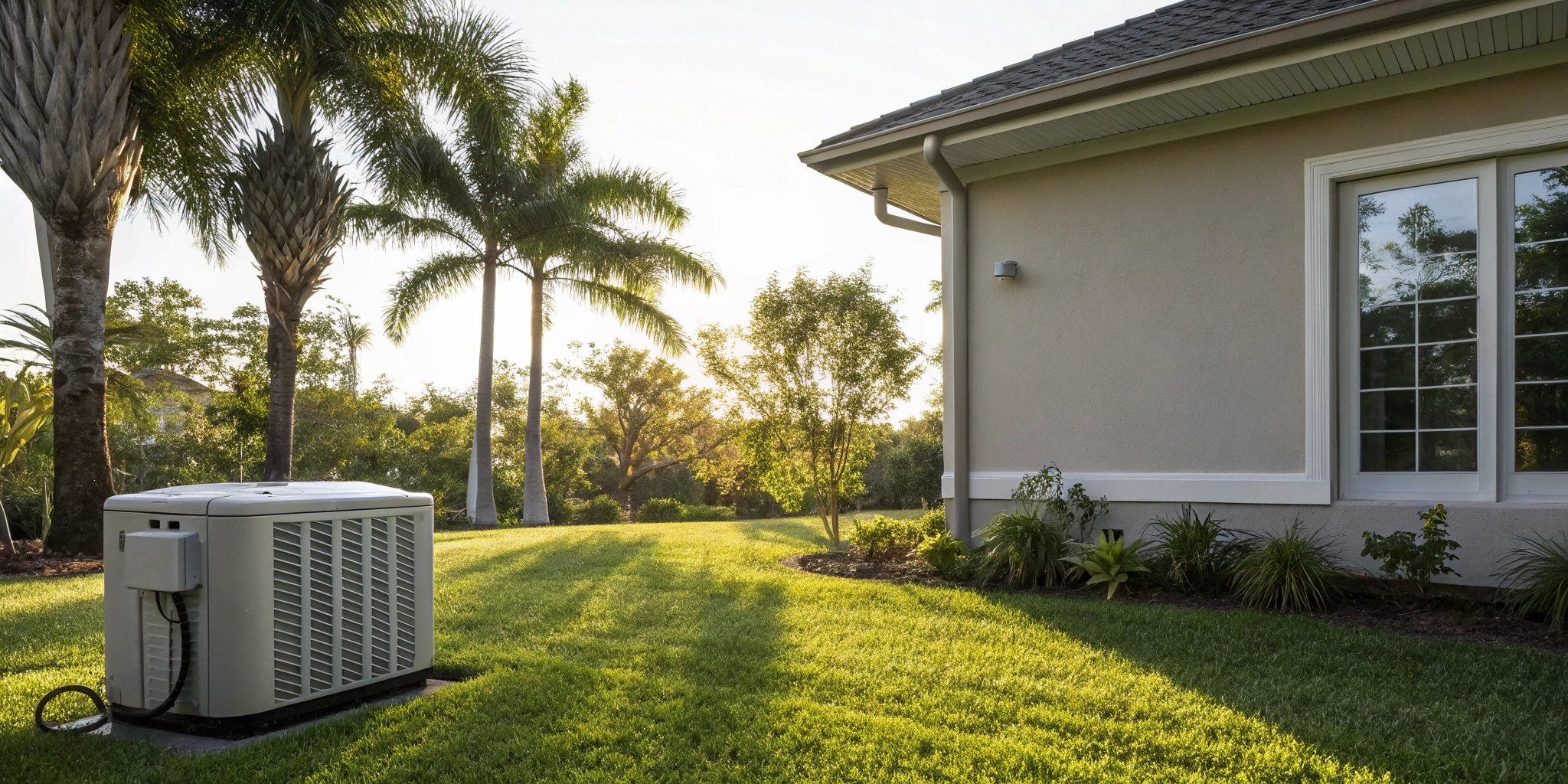
Nothing stops a construction project faster than a failed inspection or a rejected permit application. When it comes to installing a generator, a small error in your paperwork can lead to weeks of delays, unexpected costs, and major frustration. The requirements for a generator permit Florida can be surprisingly complex, with rules that change from one county to the next. This guide is your roadmap to a smooth approval. We will walk you through the most common mistakes homeowners and contractors make, from incomplete site plans to overlooking local codes, and give you the actionable steps needed to prepare a flawless application from the very beginning.
Key Takeaways
- A Permit is Required for Standby Generators: If your generator connects directly to your home’s electrical panel, a permit is mandatory to ensure the installation is safe, up to code, and won’t endanger utility workers.
- Prepare Your Documents Before Applying: A successful application requires a complete package, including a property survey, detailed site plans showing proper placement, and the generator’s technical specifications.
- Avoid Delays by Following Local Rules: Every Florida county has unique codes for generator placement, noise, and installation. Working with licensed professionals ensures your project meets these specific requirements and passes inspection the first time.
What Is a Generator Permit and Do I Really Need One?
When you think about installing a generator, you’re probably focused on the peace of mind it brings during a power outage. But before you can enjoy that security, there’s a critical step you can’t skip: getting a permit. A generator permit is official permission from your local building department to install a permanent standby generator. It’s not just another piece of paperwork; it’s a process designed to ensure your generator is installed safely, legally, and correctly.
Think of it as a safety check for your home and family. In Florida, where generators are a lifeline during hurricane season, making sure your unit is up to code is non-negotiable. The permit process confirms that your installation plan meets all local and state regulations, preventing potential hazards down the road.
Understanding the Legal Side of Generator Installation
So, why is a permit legally required? The answer is simple: standby generators are not like your average home appliance. As one expert puts it, “Permits are required for both installation and repair work because generators are considered significant electrical appliances that can impact the safety of your home.” When you hardwire a generator into your home’s electrical system and connect it to a fuel source like natural gas or propane, you’re making major modifications that need to be reviewed and approved.
This requirement specifically applies to standby generators—the permanent units that sit outside your home and kick on automatically. Portable generators that you simply plug appliances into using their built-in outlets typically don’t require a permit. Because every Florida county and city can have slightly different rules, understanding the specific permit services required in your area is the first step.
How Permits Keep Your Home Safe and Compliant
The main goal of the permitting process is to protect you. A proper installation, verified by a permit and subsequent inspections, is crucial for safety. It helps reduce serious risks like electrical fires from faulty wiring, gas leaks, and even carbon monoxide poisoning. When an inspector signs off on your generator, they’re confirming it meets the strict standards of the Florida Building Code.
This process also protects utility workers. A key part of a permitted installation is a transfer switch, which prevents your generator from sending electricity back into the power grid. This dangerous situation, known as back-feeding, can injure or kill utility workers trying to restore power. The permit ensures every component is installed correctly for everyone’s safety.
Common Generator Permit Myths (and the Real Truth)
There’s a lot of misinformation out there about generators, so let’s clear a few things up. One common myth is that you only need a generator if you’re “prepping for ‘the big one,'” like a major hurricane. While they are essential for storms, a generator provides power during any outage, planned or unplanned, keeping your lights on and your family comfortable.
Another major misconception is that all generators need a permit. As we mentioned, the rules are different for portable units. If your generator only powers equipment through its own built-in outlets, you likely won’t need a permit. The requirement kicks in when you permanently connect the generator to your home’s electrical panel. If the process seems overwhelming, remember you don’t have to do it alone. Getting a custom proposal can help you understand exactly what you need to get your project approved without the headache.
When You Might Not Need a Permit
While a permit is almost always necessary for a standby generator, there are a couple of key exceptions to know. The biggest one is for portable generators. Since these units aren’t permanently wired into your home’s electrical panel—you just plug appliances directly into them—they typically don’t require a permit. The other potential exception is if you’re replacing an old generator with a new one of the exact same type and capacity in the same spot. Some local offices might not require a new permit for a simple swap-out. However, this is a big ‘might.’ Rules can change from one Florida county to the next, so you should never assume. Verifying the specific permit requirements for your area is the only way to be sure you’re compliant and avoid any headaches.
Choosing the Right Generator for Your Florida Home
Once you’ve decided to install a standby generator, the next big question is: which one? Picking the right generator is about more than just brand names; it’s about matching the unit’s power output to your home’s specific needs. This is especially true in Florida, where our power demands are unique. A generator that’s perfect for a home up north might struggle to keep up with a Florida household during a sweltering August power outage. Getting this choice right from the start is the foundation of a smooth installation and permitting process, ensuring you have reliable power when you need it most.
Generator Sizing and Selection
Finding the right size generator is a critical first step. While an average home might be served by a 14–22 kilowatt (kW) unit, experts note that “homes in Florida often need bigger generators because of how much power is used for air conditioning, pool equipment, and heat pumps.” Your air conditioner alone is one of the most power-hungry appliances in your home, and you don’t want to be forced to choose between running the AC and keeping the refrigerator cold. The goal is to select a generator that can handle your essential loads without straining, ensuring it operates efficiently and safely for years to come.
Calculating Your Power Needs
To get a clear picture of your power requirements, you’ll need to do a little homework. The best approach is to create a list of every appliance and system you want to power during an outage. Think beyond the obvious—consider lights, ceiling fans, medical equipment, and your home office setup. Once you have your list, you can calculate your total power need by adding up the “running watts” of each item. Pay special attention to appliances with motors, like your AC unit or well pump, as they require an extra surge of power, known as “starting watts,” to get going. While this exercise gives you a great estimate, a licensed electrician should perform a professional load calculation to confirm the exact size you need.
Common Sizing Mistakes to Avoid
Two common missteps can derail your generator project: choosing a unit that’s too small or one that’s incompatible with your electrical panel. A generator that’s too small will constantly be at risk of overloading, especially during our hot summers when the AC is running nonstop. This can cause the unit to shut down, leaving you in the dark. On the other hand, an oversized generator costs more upfront and burns more fuel than necessary. It’s also crucial to ensure the generator matches your home’s electrical panel. An incompatible setup is a serious safety risk and a guaranteed way to fail an inspection. These are the kinds of details that our end-to-end permit services help you get right from the very beginning.
Getting a Generator Permit in Florida: What You Need to Know
Getting a generator permit in Florida isn’t just about checking a box; it’s about ensuring your installation is safe, reliable, and up to code. While specific requirements can vary slightly from Miami-Dade to Duval County, they all center on the same core principles. Your local building department needs to see a complete picture of your project, from the exact equipment you’re using to where it will sit on your property and how it will connect to your home’s systems. Think of the application as the official blueprint for your project—getting it right from the start saves you from headaches, delays, and costly revisions down the road.
Your Application Document Checklist
Before you can even fill out the application, you’ll need to gather a few key documents. Your local building department will want to see the generator’s official instruction and installation manual from the manufacturer. You will also need to provide a recent, official survey of your property. This survey is critical because it must clearly show where the generator will be placed, its dimensions, and its distance from your property lines, windows, and other equipment like your gas meter. These documents prove that your plan adheres to local zoning and safety regulations, forming the foundation of a successful application.
How to Prepare Your Site Plans and Technical Specs
Beyond the basic paperwork, your permit application must include detailed technical plans. This typically involves an electrical plan with clear drawings, an assessment of your home’s power needs (often called a load calculation), and specific information about the generator and the automatic transfer switch. These site plans give inspectors a complete technical overview of the installation, showing them exactly how the system will integrate with your home’s existing electrical grid. Getting these details right is essential, as it demonstrates that the project has been properly designed to meet all necessary electrical codes and safety standards.
Required Technical Details for Plans
Okay, let’s get into the technical details your plans need to cover. Think of this as the part where you show the building department you’ve done your homework. Your application needs a clear electrical plan that illustrates exactly how the new generator will connect to your home’s electrical panel. You’ll also need to include a load calculation—which is just a fancy term for an assessment of your home’s power needs—to prove the generator is the right size for the job. Finally, be sure to list the specific make and model of both the generator and the automatic transfer switch. Providing these specifics gives the inspector a complete picture, showing that your project is safe, compliant, and well-planned. Nailing these details is one of the most important building permit basics and will help your application move forward without a hitch.
Following Electrical and Gas Connection Rules
For your generator to operate safely, it must comply with strict electrical and gas connection rules. Inspectors will verify every detail to prevent potential hazards. For example, any buried gas pipes must be at least 12 inches deep, while buried electrical conduits need to be at least 18 inches deep and marked with warning tape. Gas lines also need to be properly coated or painted to prevent rust. Following these rules is non-negotiable for passing inspection. If you need help with the technical side of your application, you can always request a proposal to ensure every detail is correct before you submit.
How Much Does a Generator Permit Cost?
Figuring out the cost of a generator permit isn’t as simple as looking up a single number. The total price is a combination of several fees that can vary quite a bit depending on where you live in Florida. Each city and county has its own fee schedule, so what a homeowner pays in Miami could be different from what a contractor budgets for in Tampa.
Generally, you can expect the total cost to be broken down into three main categories: the initial application and plan review fees, the costs for mandatory inspections, and other related expenses you might not have thought about. Understanding these different components will help you create a realistic budget for your project and avoid any surprise charges along the way. Think of it less as a single price tag and more as a series of small, predictable costs that add up to your final investment in a safe, compliant generator installation.
A Breakdown of Application Fees
When you submit your permit application, you’ll encounter a few different administrative fees. These charges cover the cost for the local building department to review your plans and process the paperwork. A typical application might include a base generator and tech fee, which could be around $70. You’ll also likely see separate tech fees for the electrical and plumbing portions of the project, often running about $60 each. If your installation requires a more significant electrical upgrade, like a service rebuild, you may need a second electrical permit, adding another fee to the total. These figures are just estimates, so it’s always best to check your local municipality’s website for their current fee schedule.
Typical Permit Cost Ranges in Florida
While the final cost depends entirely on your local municipality, most homeowners in Florida can expect to pay somewhere between $250 and $600 for a generator permit. This total isn’t a single charge but a combination of different fees for each stage of the process, from the initial application and plan review to each required inspection. Because every county and city sets its own fee schedule, the amount can change significantly from one jurisdiction to another. The complexity of your installation also plays a role; a simple setup will naturally cost less in fees than one requiring major electrical or gas line modifications, so it’s important to budget accordingly.
After the initial application fees, you’ll also need to budget for inspections. Most generator installations require at least three separate inspections: one for the electrical work, one for the gas or fuel connection, and a final inspection once everything is complete. Each of these visits from a county inspector comes with its own fee, which can add up quickly, especially if re-inspections are needed. For homeowners and contractors managing projects, keeping track of these costs and requirements can be a challenge. This is where professional permit expediting services can be incredibly helpful, ensuring your budget stays on track and all fees are handled correctly from the start.
Don’t Forget About Inspection Costs
Beyond the initial application, you’ll also need to budget for inspections. These are non-negotiable steps in the process, as they ensure your generator is installed safely and up to code. An inspector will need to verify several key aspects of the job, including the electrical and plumbing connections and any underground lines. They will also confirm the generator’s placement meets local setback rules—the required distance from your property lines, windows, and doors. These inspections are essential for everyone’s safety and are a standard part of the overall generator permit guide. The fees for these inspections are separate from your application fees and are critical for getting final approval.
Are There Other Hidden Costs?
Finally, there are a few other costs to keep in mind. For example, many homeowner’s insurance policies require proof that any major electrical work, including a generator installation, was properly permitted. Skipping the permit could put your coverage at risk, which is a financial gamble you don’t want to take. You should also factor in the cost of any professionals you hire, such as the electrician and the plumber. If you want to ensure the permitting process itself is handled correctly and efficiently, working with a permit expediter can save you time and headaches. You can request a proposal to get a clear idea of how these services fit into your project’s budget.
Your Step-by-Step Generator Permit Application Guide
Once you have your documents in order, it’s time to move forward with the application. While the exact process can differ slightly from one Florida county to the next, the core steps are generally the same. Think of it as a clear path from submission to approval, not a maze of red tape. The key is to be thorough and patient, as a well-prepared application is the fastest route to getting your generator installed and ready to go.
Navigating the paperwork and digital portals can feel like a job in itself. Each municipality has its own online system and specific requirements, and a single missing signature or incorrect file format can send you back to square one. This is why many homeowners and contractors choose to work with a permit expediter. An expert can manage the entire submission and follow-up process, translating the technical jargon and ensuring every detail is correct. They act as your representative, communicating with the building department so you don’t have to. Whether you handle it yourself or bring in a pro, understanding the journey ahead is the first step to a successful installation. This guide breaks down exactly what to expect, so you can feel confident at every stage.
Step 1: Submitting Your Application
Most municipalities in Florida have moved their permit processes online. You’ll likely submit your application and all supporting documents through a digital portal. Before you start, make sure you have digital copies of everything, including your site plan, generator specs, and contractor information. Carefully fill out every field in the online form, as even small omissions can get your application flagged for review. Double-check that you’ve uploaded the correct version of each document. This simple step can save you from weeks of back-and-forth with the building department.
Step 2: The Review and Approval Process
After you submit your application, a plans examiner from the local building department will review it. They are checking to ensure your proposed installation meets all state and local building codes, from electrical standards to zoning setbacks. The review timeline can vary widely depending on your jurisdiction’s workload, but some municipalities can issue a permit within a few business days for a straightforward application. If the examiner finds any issues, they will send you comments or a request for more information. Once everything is approved, the permit is issued, and your contractor can officially begin the installation.
Working with Different Government Agencies
Getting your generator permit often means dealing with more than just the building department. Depending on your project’s specifics, your application might need approval from several other county or city agencies. As Miami-Dade County notes, the process can involve multiple departments to ensure safety and environmental compliance. For instance, the zoning department will check that the generator’s placement meets setback requirements, while the public works department might review plans for utility connections. Coordinating with all these different offices, each with its own set of rules and timelines, can be the most challenging part of the process. This is where comprehensive permit services become a huge asset, as an expert can handle these communications for you, making sure nothing falls through the cracks.
Step 3: Working with a Licensed Professional
Unless you’re a licensed electrician yourself, this is not a DIY project. In fact, most Florida municipalities require a certified electrician to handle the installation and often the permit process itself. This requirement is in place for a good reason: it ensures the generator is installed safely and correctly, preventing electrical hazards and compliance issues down the road. Working with licensed professionals from the start makes the entire project smoother, from application to final inspection. If you need help coordinating these moving parts, our team offers end-to-end service to manage your project seamlessly.
Generator Safety Rules You Can’t Ignore
Getting a generator permit isn’t just about checking a box on your project to-do list; it’s about ensuring your home and family are safe. Generators are powerful machines, and when installed incorrectly, they can create serious hazards like electrical fires and carbon monoxide poisoning. The entire permitting process is designed to verify that your installation follows strict safety codes that protect you, your property, and even utility workers. This isn’t just red tape—it’s a critical step that confirms your generator will be a reliable asset during an emergency, not a liability.
Think of the permit as a blueprint for a safe installation. It forces a thorough review of your plans by experts who can catch potential issues before they become dangerous problems. By following the rules, you can be confident that your generator is set up correctly for both performance and safety. Proper installation and operation are what stand between you and preventable risks. At All Florida Permits, we handle the complexities of these regulations, ensuring your project meets every safety standard from start to finish. Our permit expediting services are designed to confirm your installation is fully compliant, giving you peace of mind when you need it most.
How to Prevent Carbon Monoxide Risks
One of the most critical safety concerns with any generator is the risk of carbon monoxide (CO) poisoning. Generators produce this colorless, odorless gas in their exhaust, and it can be deadly if it accumulates indoors. This is why building codes are so strict about where and how generators are installed. A key part of the permit review process is confirming that your setup eliminates any chance of CO entering your home or building. This means absolutely no installations inside a garage, shed, or any enclosed space, even with doors and windows open. The only way to prevent this silent threat is to ensure the generator is placed outside, where fumes can safely dissipate.
Getting Ventilation and Placement Right
Proper placement is directly tied to preventing CO risks and ensuring your generator runs efficiently. Your local municipality has specific rules, known as setbacks, that dictate how far the unit must be from windows, doors, vents, and property lines. These regulations are not arbitrary; they are designed to keep exhaust fumes from entering your home and to provide enough clearance for air to circulate freely around the generator. Without adequate ventilation, a generator can overheat, which can damage the unit and create a fire hazard. A professional installer will know the exact requirements for your area and ensure your site plan meets every code before you even submit your application.
Why a Compliant Transfer Switch is Non-Negotiable
If you’re installing a standby generator, a transfer switch isn’t just a good idea—it’s required by law. This device safely connects the generator to your home’s electrical panel and is the only approved way to power your circuits during an outage. More importantly, it prevents a dangerous situation called “backfeeding,” where electricity from your generator travels back through the utility lines. This can injure or kill utility workers trying to restore power. Because of the high stakes, most municipalities require a licensed electrician to install the transfer switch. This is not a DIY project. To avoid compliance issues and ensure your system is safe, it’s best to get a proposal from qualified professionals who can manage the installation and permitting for you.
Where Can You Place Your Generator?
Deciding where to install your generator is one of the most important steps in the permitting process. It’s not just about finding an out-of-the-way spot; placement is dictated by strict safety codes and local regulations designed to protect your home, your family, and your neighbors. Getting this wrong can lead to a failed inspection and costly delays. Before you even think about pouring a concrete pad, you need a clear understanding of the rules.
The three main factors that will determine the right location for your generator are setbacks from property lines, clearance from your home’s windows and doors, and local noise ordinances. Each of these comes with specific measurements and requirements that must be detailed on your site plan when you apply for a permit. Because these rules can vary between counties and even cities in Florida, it’s always best to confirm the exact requirements for your area. Our team handles these local code verifications as part of our permit expediting services, ensuring your plan is compliant from the start.
Following Setback Rules for Property Lines and Buildings
A “setback” is the minimum distance your generator must be from your property lines and your home’s structure. Think of it as a mandatory buffer zone. While the exact distance can vary, a common rule of thumb in many Florida jurisdictions is a five-foot setback from your property lines. This regulation exists for a few key reasons: it prevents potential fire hazards from affecting your neighbor’s property, ensures adequate airflow for the unit, and provides enough space for technicians to perform maintenance and repairs safely. This setback information is a critical component of the site plan you’ll submit with your permit application.
Why You Must Keep It Clear of Windows and Doors
This rule is a non-negotiable safety measure. Generators produce carbon monoxide (CO), a colorless, odorless, and deadly gas. To prevent these dangerous fumes from entering your home, you must install your generator a safe distance away from any openings. Most codes require at least five feet of clearance from all windows, doors, and vents (like those for your dryer or HVAC system). Following this guideline is essential for protecting the health of everyone inside. For more information on generator hazards, you can review FEMA’s safety guidelines, which highlight the risks of CO poisoning.
Understanding Exhaust Setback Rules
Beyond the general placement of the unit, you need to pay special attention to where the exhaust will be pointing. This is a detail inspectors look at very closely. The hot exhaust can easily melt vinyl siding, damage landscaping, or even create a fire hazard if it’s aimed at combustible materials. As a result, most codes require the exhaust to be at least five feet away from any flammable surfaces, including your home’s exterior walls, wooden fences, and even dense shrubbery. Your site plan must clearly indicate the exhaust direction to prove it won’t be blowing directly onto your property or your neighbor’s. This is one of those small details that can easily be overlooked, but getting it wrong can cause a failed inspection. Ensuring your plans meet all safety standards from the start is the best way to keep your project moving forward.
Staying on the Right Side of Noise Ordinances
Let’s be honest: generators can be loud. To maintain neighborhood peace, nearly every municipality in Florida has noise ordinances that regulate how much noise is acceptable, especially during evening and overnight hours. Before you purchase a generator, you should check your local city or county code to understand the decibel limits and any time-of-day restrictions. Some modern generators are built with quieter operation in mind, and special enclosures can help dampen the sound, but your installation must still comply with the law. If you’re unsure about your local rules, we can help you find the information when you request a proposal.
What Happens During the Generator Inspection?
Once your permit application is approved and the generator is installed, the final step is the inspection. This part of the process can feel a bit intimidating, but it’s really just a final quality check to ensure everything is safe and up to code. Think of it as a second pair of expert eyes making sure your investment will work correctly and safely when you need it most. The inspector’s job is to verify that the installation matches the approved plans and complies with all local and state regulations.
The inspection process typically involves a few key stages, from checking the initial setup to the final electrical and fuel connections. Because generators are significant electrical appliances, these inspections are non-negotiable for protecting your property and family. A successful inspection is the last step to closing out your permit and giving you peace of mind. With a little preparation and the right team on your side, you can get through it without any issues. If you’re feeling unsure about coordinating these steps, our team handles the entire end-to-end service, including scheduling and managing inspections.
What to Expect from the Pre-Installation Check
Before the generator is even fully connected, an inspector might visit the site to perform a pre-installation or “rough-in” inspection. This initial check focuses on the groundwork you’ve laid for the unit. The inspector will verify that the generator’s location matches your approved site plan, ensuring it meets all setback requirements from property lines, windows, doors, and air conditioning units.
They will also examine the concrete pad or foundation it sits on to confirm it’s stable and built to specification. This step is crucial because proper placement is your first line of defense against risks like carbon monoxide buildup and fire hazards. Getting the foundation and location right from the start prevents major headaches and costly changes down the road.
Passing the Final Post-Installation Inspection
After your licensed electrician and plumber have completed their work, it’s time for the final inspection. This is the most detailed part of the process and is a vital step to ensure everything is safe and functional. The inspector will arrive to perform a thorough review of the entire system. They will check all the electrical connections, from the generator to the transfer switch and your home’s main electrical panel.
They’ll also inspect the fuel lines to ensure they are correctly installed and leak-free. The goal is to confirm that the generator will operate safely and automatically switch on during an outage without back-feeding electricity into the grid, which is a major safety risk. Passing this inspection is the final green light, confirming your installation is officially complete and compliant.
How to Pass Your Inspection with Ease
A little preparation can make your final inspection go smoothly and help you avoid a failing grade. Before the inspector arrives, run through a quick checklist. First, make sure the area around the generator is clean and easily accessible. Clear away any tools, boxes, or yard debris that might be in the way. It’s also a good idea to have your approved permit, plans, and the generator’s technical specifications on hand.
Next, do a quick visual check of the unit itself. Ensure there are no leaves, debris, or pests inside the housing. While your contractor is responsible for the technical work, showing that you’ve maintained the area makes a good impression. Following these simple steps helps the inspector do their job efficiently and reduces the chance of needing a follow-up visit. If you want to ensure every detail is covered, you can always request a proposal for professional help.
Common Permit Application Mistakes (and How to Avoid Them)
Getting your generator permit application right the first time can save you from frustrating delays and unexpected costs. While the process can seem complicated, most rejections or hold-ups happen because of a few common, and completely avoidable, mistakes. Knowing what these pitfalls are ahead of time is the best way to ensure your application sails smoothly through the review process. Let’s walk through the top three errors we see so you can sidestep them entirely.
Mistake #1: Incomplete or Incorrect Paperwork
One of the fastest ways to get your application delayed is by submitting incomplete or inaccurate paperwork. Before you even fill out a form, you need to have a clear understanding of your local municipality’s specific requirements. This includes detailed site plans showing exactly where the generator will be installed, ensuring it’s on stable ground and not in a flood-prone area. Every detail, from the technical specs of the generator to the electrical diagrams, must be precise. A small omission can send your application right back to the beginning of the queue. Taking the time to double-check every document is crucial for a timely approval. Our permit expediting services can help ensure your package is complete and correct from the start.
Mistake #2: Assuming DIY Installations Don’t Need a Permit
There’s a common myth that you don’t need a permit for a generator, especially if you plan to install it yourself. While it’s true that a small, portable generator that only powers equipment through its own outlets typically doesn’t require a permit, the rules change the moment you connect a generator to your home’s electrical system. Any standby generator with a transfer switch requires a permit—no exceptions. Beyond the legal requirements, many homeowners insurance policies require proof that all electrical work was properly permitted and inspected. Skipping the permit could not only lead to fines but might also jeopardize your insurance coverage in an emergency.
Mistake #3: Overlooking Specific Local Codes
While the Florida Building Code provides a statewide standard, your local city or county will have its own set of rules you must follow. Ignoring local codes is a frequent and costly mistake. These regulations often cover specific requirements for generator placement, such as setbacks from property lines, windows, and doors. They also include noise ordinances that dictate how loud your generator can be and when it can run. These rules aren’t just red tape; they exist to ensure the safety of your home and your neighbors. A generator is a major electrical appliance, and the permit process confirms your installation is safe and compliant. If you’re unsure about your local codes, it’s always best to request professional guidance.
Forgetting Homeowners Association (HOA) Rules
It’s easy to get so focused on city and county permit requirements that you forget about another important set of rules: your Homeowners Association (HOA). Just because your installation plan meets the Florida Building Code doesn’t mean it will get a green light from your HOA. Many associations have their own strict guidelines that can significantly impact your project. These rules often cover things like the generator’s visibility from the street, specific noise limits that might be stricter than local ordinances, and even the type of screening or landscaping required to conceal the unit. These regulations are designed to maintain neighborhood aesthetics and ensure your new equipment doesn’t become a nuisance to your neighbors.
Ignoring these rules can be just as problematic as skipping the official permit process. Your HOA can levy fines, demand that you move the unit, or even require you to remove it entirely at your own expense. As experts note, failing to follow the rules can lead to serious consequences, as “permits are required to make sure your generator is installed safely and follows all local building rules. Without them, you could face fines, delays, or even have to remove the generator” (SWFL Generator). While this often refers to municipal permits, the same costly outcomes can apply when you violate HOA covenants. Before you spend thousands on a generator and installation, take the time to thoroughly review your HOA’s architectural guidelines.
Remember, compliance is a two-part equation: you need approval from both your local building department and your HOA. Because “every Florida county has unique codes for generator placement, noise, and installation,” it’s vital to understand all the regulations that apply to your specific property (All Florida Permits). The best approach is to get a copy of your HOA’s rules and submit your plans for their approval *before* you apply for your building permit. This ensures you won’t have to make costly changes to a plan that the city has already approved, saving you from a major headache down the road.
Which Type of Generator Permit Do You Need?
Figuring out which permit you need starts with the type of generator you plan to install. The requirements for a small, portable unit are very different from those for a large, permanent standby generator. It’s not a one-size-fits-all process, and your project’s scope—whether it’s for your home or a commercial building—also plays a big role in what the building department will ask for. Let’s break down the common scenarios so you know exactly what your project requires before you get started.
Permit Rules for Standby Generators
If you’re installing a standby generator, you will need a permit. These units are permanently installed and hardwired directly into your property’s electrical system, ready to kick on automatically during an outage. Because they are a significant electrical and sometimes gas line modification, local authorities require a generator permit to ensure the installation is safe and up to code. This isn’t just for the initial setup; major repairs often require a permit too. The goal is to verify that the connection is safe, preventing risks like back-feeding the grid, which can endanger utility workers.
What About Permits for Portable Generators?
Portable generators can be tricky. If you’re using a small unit with extension cords to power a few appliances, you typically won’t need a permit. However, the game changes the moment you connect it to your building’s electrical system. Installing a transfer switch or an interlock kit to power your home’s circuits with a portable generator is a modification that almost always requires an electrical permit. This ensures it’s installed correctly and safely. Never wire a portable generator directly into your breaker panel without a proper transfer switch—it’s incredibly dangerous and against code.
Key Safety Rules for Portable Units
Even if your portable generator doesn’t need a permit, operating it safely is non-negotiable. The most important rule is to never, ever run it inside your home, garage, or any enclosed area. Generators produce deadly carbon monoxide (CO), so they must be placed outside, at least 20 feet away from all windows, doors, and vents. You also need to protect it from rain and standing water to prevent electrocution—a generator tent or canopy is a smart investment. Always use a heavy-duty, outdoor-rated extension cord that can handle the power load, and let the engine cool completely before refueling to avoid a fire. Remember, if you decide you want to connect your portable unit to your home’s breaker panel, you’ll need a professionally installed transfer switch and an electrical permit. Understanding these building permit basics is key to keeping your family safe during an outage.
How Commercial and Residential Permits Differ
While the safety goals are the same, permit requirements for commercial properties are often more complex than for residential ones. Commercial generators are typically larger, support critical systems, and may be subject to stricter zoning laws and noise ordinances. The application might require more detailed site plans and electrical schematics to account for higher power demands and public safety. Whether you’re ensuring your home stays lit or your business remains operational, our team handles the specific permit services needed for both residential and commercial projects, making sure all local codes are met.
When Should You Hire a Permit Professional?
Tackling the permit process on your own can feel empowering, but for a project as important as a generator installation, it’s often wiser to bring in an expert. A permit professional isn’t just an extra expense; they’re an investment in getting the job done right and on time. They understand the specific requirements of different Florida municipalities and can manage the entire process, saving you from potential headaches and costly mistakes. Think of them as your project’s advocate, ensuring every detail is handled correctly from start to finish.
If You Have a Complex or Custom Installation
A generator isn’t just another appliance; it’s a complex piece of equipment that integrates directly with your property’s electrical system. Because generators are “significant electrical appliances that can impact the safety of your home,” permits are required for both installation and repairs. If your project involves a large standby generator, unique placement challenges, or custom wiring, the complexity multiplies. A professional ensures that all technical specifications, load calculations, and site plans are accurate and compliant, giving you peace of mind that the installation is both safe and up to code. Our team offers comprehensive permit services to handle these intricate projects.
If You’re Facing a Tight Deadline
Few things are more frustrating than a project getting stalled by paperwork. Local building departments often face “high application volume and limited staffing,” which can slow down approvals, especially during peak seasons. If you’re trying to get your generator installed before hurricane season or need to meet a strict construction deadline, waiting weeks for a permit isn’t an option. A permit expediter knows the system inside and out. We understand the common bottlenecks and have established relationships with local agencies, allowing us to keep your application moving forward. If your timeline is tight, request a proposal to see how we can help.
If You Want to Avoid Approval Delays
The fastest way to get a permit is to submit a flawless application on the first try. Even small errors or omissions can send your application to the back of the line, causing significant delays. Permit professionals specialize in preparing and submitting applications that meet every local requirement. This is why many municipalities prefer working with them—it helps avoid the common compliance issues and delays that come with DIY submissions. By ensuring every document is correct and complete, an expert from All Florida Permits can help you avoid the frustrating back-and-forth with the permit office and get your approval much faster.
Related Articles
- Florida Permits Archives – All Florida Permits
- Building Permits Florida Archives – All Florida Permits
- Press | All Florida Permits – Florida Gazette
- Press | All Florida Permits – Florida News Guide
Contact Us
Frequently Asked Questions
Do I really need a permit for a portable generator? This is a common point of confusion, so let’s clear it up. If you’re just using a portable generator with extension cords to power a few appliances, you typically don’t need a permit. The requirement kicks in the moment you connect any generator—portable or standby—to your home’s electrical panel. Installing a transfer switch or an interlock kit to do this is a significant electrical modification that absolutely requires a permit to ensure it’s done safely.
What happens if I just install a generator without getting a permit? Skipping the permit might seem like a way to save time and money, but it can lead to serious problems. Your local building department can issue a stop-work order and require you to remove the installation, often with fines. More importantly, if an unpermitted generator causes a fire or other damage, your homeowner’s insurance could deny your claim, leaving you with a massive financial burden. It’s a risk that simply isn’t worth taking.
How long does the generator permit process usually take? The timeline can vary quite a bit depending on your local municipality and how busy they are. If your application is complete and accurate, some Florida counties can issue a permit in just a few business days. However, if there are errors or missing documents, the process can stretch out for weeks. The fastest way to get approval is to submit a perfect application the first time, which is why working with a professional can be a huge advantage.
Can I apply for the permit myself, or does my contractor have to do it? While some jurisdictions may allow a homeowner to pull a permit, it’s almost always better to have your licensed electrician or a permit professional handle it. They are familiar with the technical details, site plan requirements, and online submission portals. Most Florida municipalities require a licensed professional to perform the installation anyway, and having them manage the paperwork ensures the entire project is seamless and compliant from start to finish.
Why is the exact placement of the generator so important for the permit? The placement rules, or “setbacks,” are all about safety. Your permit application needs a detailed site plan to prove the generator is a safe distance from windows, doors, and property lines. This prevents deadly carbon monoxide fumes from entering your home and reduces fire risk to your property and your neighbors. It also ensures there’s enough space for proper ventilation, which keeps the unit from overheating.