

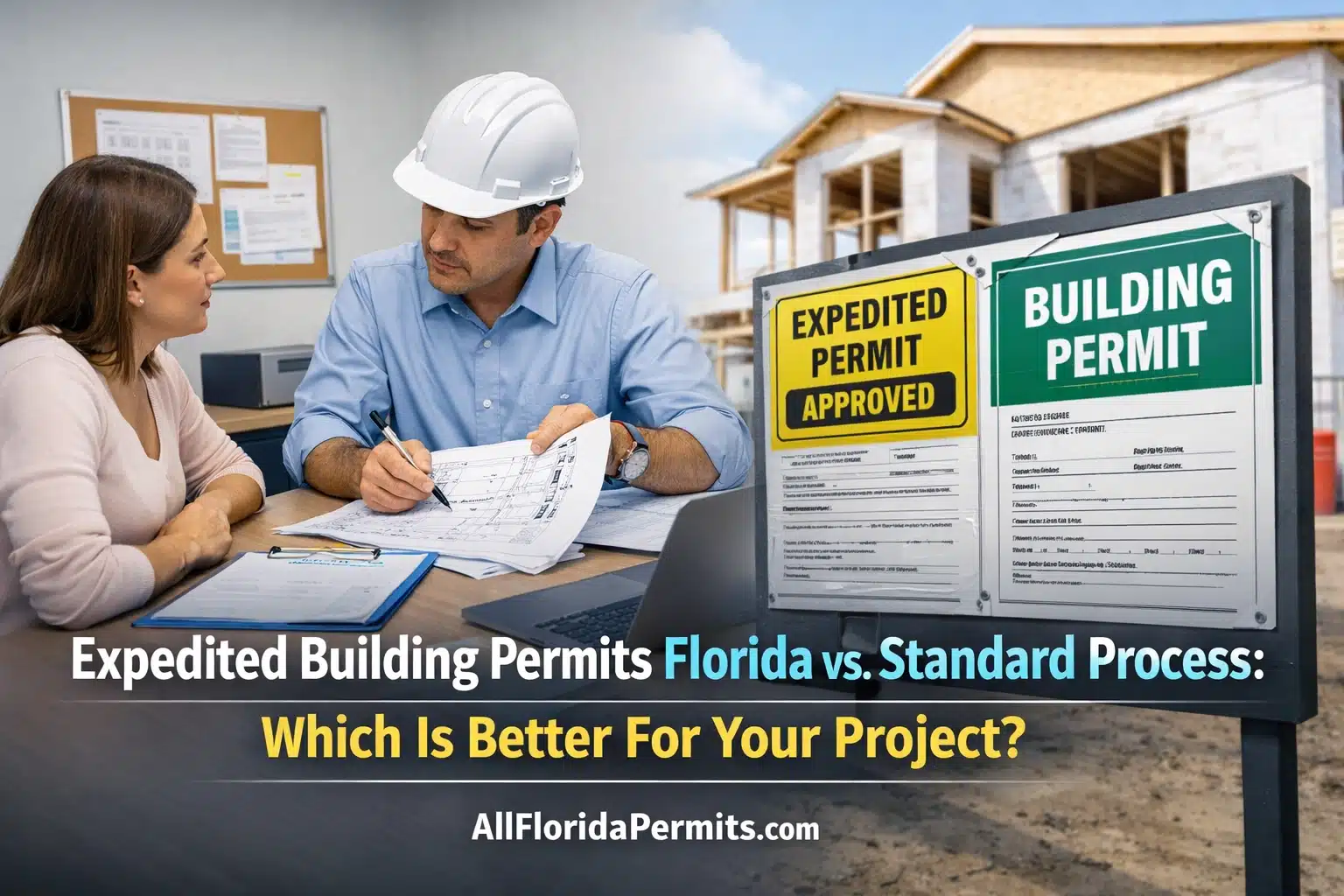
Breaking ground on your Florida project is exciting, but the wrong permitting choice can stop you in your tracks. Before you even finalize your blueprints, you need to decide: standard approval or an Expedited Building Permit? It might seem like a small detail, but this decision has huge consequences. We’re talking about the difference between a smooth timeline and months, or even years, of costly delays. Understanding your options upfront is the smartest move you can make for your budget and your schedule.
Florida’s expedited permitting programs were designed to speed up approvals for specific types of projects, but they’re not available to everyone. Understanding which option fits your situation can help you plan more accurately and avoid costly surprises during the approval process.
How Much Time Can an Expedited Permit Really Save?
The most obvious difference between expedited and standard permitting is the approval timeline.
Expedited Permit Timelines:
- Single-family residential projects: 30 business days
- Multifamily or non-residential buildings under 25,000 square feet: 60 business days
- Economic development projects: approximately 90 days after initial certification
Standard Permit Timelines:
- Simple residential projects: 3-6 months
- Complex commercial projects: 6-12 months
- Large-scale developments: up to 2 years

The difference is substantial. For a commercial project that might take 18 months through standard channels, an expedited review could reduce that timeline to just 60-90 days. That’s the difference between opening your business before or after peak season, or whether your construction financing remains viable.
However, these expedited timelines come with strict requirements. Local governments face penalties: a 10% daily fee reduction on permit costs: if they miss these deadlines, which creates real accountability in the review process.
Understanding Permit Timelines in Florida
In Florida, opting for an expedited permit can dramatically shorten your project’s waiting period. A single-family home might get the green light in just 30 business days, while a smaller commercial building could be approved in 60. When you compare that to standard timelines that can stretch from three months to two years, the advantage is clear. This difference is especially critical for businesses. A commercial project that might take 18 months through standard channels could be approved in as little as 60-90 days with an expedited review. This accelerated timeline is often the key to opening on schedule and keeping your financing on track, which is why our permit expediting services focus on finding the most efficient path for every client.
The Difference Between First Review and Final Approval
It’s also important to know that “approval” isn’t a single step. The process starts with a “first review,” where officials check your plans against zoning laws and building codes. This is often where you’ll get comments or requests for more information, which can cause delays if your submission isn’t perfect. Once you’ve addressed all the comments from this initial review, your application moves toward final approval. While local governments are motivated to meet deadlines—they can face a 10% daily fee reduction for missing them—a clean, complete submission is always the fastest way to get your permit. If you want to ensure your plans are ready for that first review, you can always request a proposal to get an expert set of eyes on your application.
Do You Qualify for an Expedited Building Permit in Florida?
Here’s where many project owners hit a roadblock: expedited permitting isn’t universally available. Your project must fall into specific categories established by Florida statutes.
Eligible Project Types:
- Affordable housing developments meeting the criteria outlined in Florida Statute 420.9076
- Economic development projects that demonstrate substantial job creation and competitive wage requirements
- Residential subdivisions where you’re requesting up to 50% of the total building permits for the development
- Projects in jurisdictions that have implemented Senate Bill 812 and related legislation
Important Exemption:
Counties with fewer than 75,000 residents and municipalities with fewer than 10,000 residents are generally not required to offer expedited permitting programs. If you’re building in a smaller Florida community, you may not have access to expedited options regardless of your project type.
Before planning around an expedited timeline, verify with your local building department that they offer the program and that your project qualifies.
How Does the Expedited Permit Process Work?
Understanding why expedited permits move faster helps you decide if the process is worth pursuing for eligible projects.
Pre-Application Coordination:
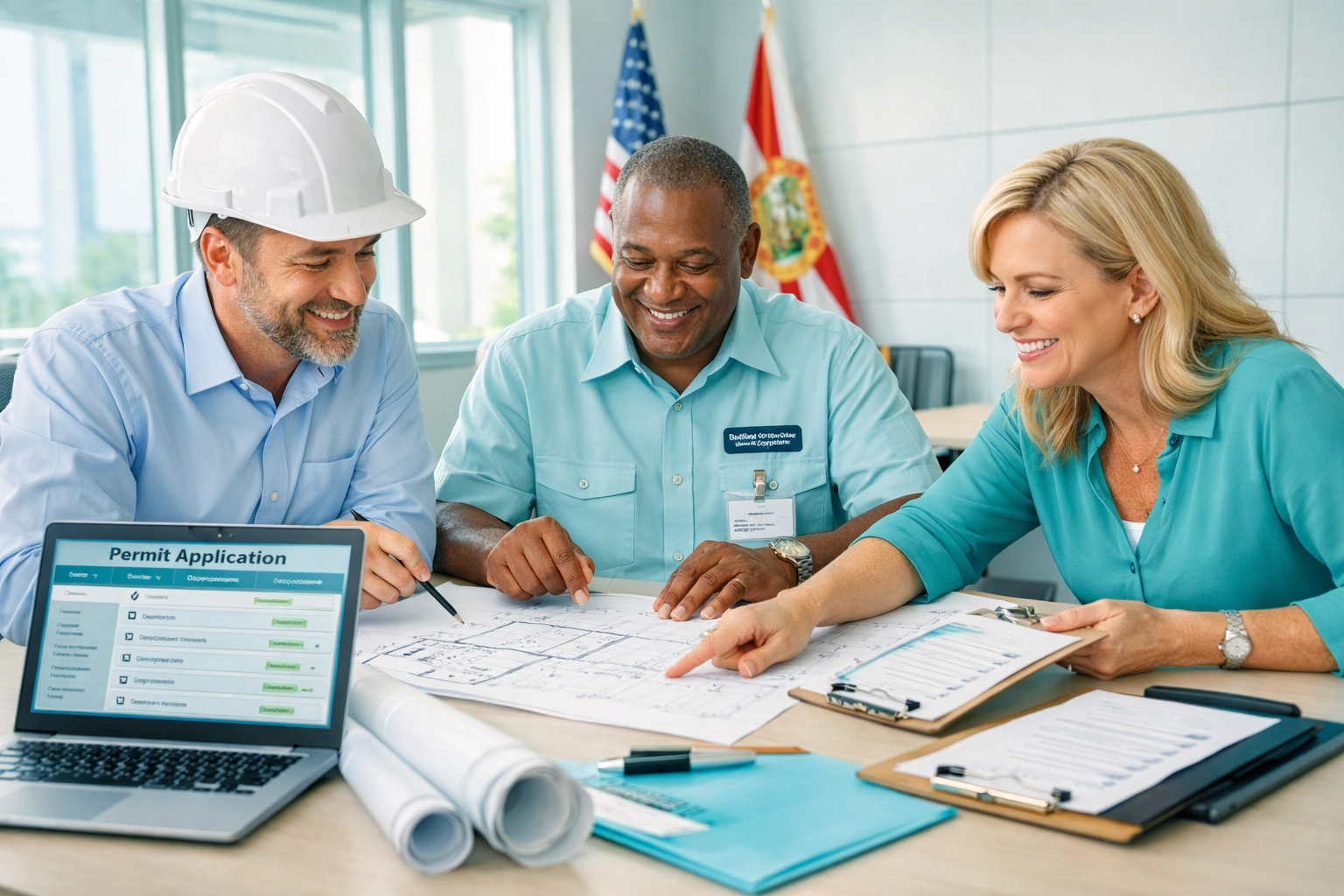
Rather than scheduling separate meetings with planning, zoning, building, fire, and environmental departments, expedited processes require a single coordinated pre-application conference. All relevant agencies participate simultaneously, giving you a complete picture of requirements upfront.
Regional Permit Action Teams:
For economic development projects, Florida coordinates regional permit action teams that review applications in parallel rather than sequentially. This eliminates the common bottleneck where one department’s approval must be complete before another can begin review.
Mandatory Guidance:
Local governments must provide clear guidance on all required permits, site planning standards, design requirements, and compliance steps during the pre-application phase. This reduces the back-and-forth that typically extends standard review timelines.
Accountability Mechanisms:
The 10% daily fee reduction penalty creates real motivation for jurisdictions to meet deadlines. While standard permits often drift past initial estimates, expedited permits have built-in consequences for delays.
Types of Expedited Services
The term “expedited” can mean different things depending on your local jurisdiction and the type of project you’re undertaking. It’s not a one-size-fits-all solution. Instead, think of it as a menu of faster options designed for specific situations. Some services are geared toward very small, simple repairs that can be approved almost instantly, while others are designed to streamline complex commercial projects through intensive, collaborative reviews. Understanding which type of service aligns with your project is the first step in getting your plans approved more quickly and efficiently, saving you from unnecessary delays and holding costs.
Express Permits for Small-Scale Repairs
For minor projects, many Florida counties offer express permits designed for a quick turnaround. These are perfect for small-scale residential repairs like fixing a leaky roof, replacing a water heater, or mending a section of fence. Because the scope of work is limited and follows standard building codes, these applications can often be reviewed and approved in just a business day or two. This process bypasses the longer queue for major renovations and new construction, allowing homeowners and contractors to complete necessary repairs without significant delays. It’s a straightforward way to stay compliant on smaller jobs that need immediate attention.
Single-Meeting Collaborative Reviews
Imagine getting all the key decision-makers from every municipal department in one room, at one time, to review your project. That’s the idea behind single-meeting collaborative reviews. Instead of your plans moving sequentially from zoning to planning to the fire marshal over several weeks or months, this approach consolidates the entire review into a single, intensive session. During the meeting, you or your representative can address questions and make minor revisions on the spot. If all requirements are met, you can often walk out with an approval, condensing a lengthy back-and-forth process into a single productive day.
Preliminary Plan Reviews
A preliminary plan review is a proactive step you can take before formally submitting your permit application. It’s essentially a pre-check with the building department to identify any potential red flags or major issues with your design. This meeting gives you invaluable feedback directly from the plan reviewers, so you can correct any problems before the official review clock starts ticking. Catching a significant zoning issue or a code misinterpretation at this stage can save you from a costly rejection and the weeks of rework that would follow. It’s a smart move for any project of moderate to high complexity.
How Technology is Changing the Game
The permitting world is finally catching up with the digital age. Gone are the days of rolling up physical blueprints and waiting in long lines at the county office. Municipalities across Florida are adopting new technologies to make the entire process faster, more transparent, and more accessible for everyone involved. From artificial intelligence that can scan plans for basic errors to online portals that let you track your application’s progress from your computer, these advancements are removing some of the biggest bottlenecks that have historically slowed down construction projects and created frustrating delays.
AI-Powered Plan Review
One of the most exciting developments in permitting is the use of artificial intelligence to automate initial plan reviews. While still an emerging technology, some cities are using AI-powered software to perform a first-pass check on new residential building plans. The software can scan drawings in minutes to verify compliance with basic zoning regulations, such as setbacks, height limits, and lot coverage. This doesn’t replace a human reviewer, but it quickly flags simple errors, allowing architects and designers to make corrections almost immediately instead of waiting weeks for that initial feedback from the city.
Online Permitting Portals
Nearly every jurisdiction in Florida now uses an online portal for permit applications. These digital platforms allow you to submit your plans, pay fees, and communicate with the building department from anywhere, at any time. The biggest advantage is transparency; you can log in and see the real-time status of your application, including which department is currently reviewing it and any comments or requests for more information. While these portals are a huge improvement, each one has its own quirks. Working with a team that uses these systems every day can help you prepare a submission that moves smoothly through the digital process.
Common Reasons Your Building Permit Gets Delayed
Even if you don’t qualify for an expedited permit, the standard process doesn’t always go smoothly. Delays are frustratingly common, turning what should be a straightforward step into a major project bottleneck. Understanding the most frequent hold-ups is the first step toward avoiding them. Most delays aren’t random; they stem from a few key issues that can be anticipated and managed with the right preparation. From simple paperwork mistakes to the complex web of zoning laws, these hurdles can add weeks or even months to your timeline if you’re not careful. Let’s break down the most common reasons your building permit might get stuck in the system.
Incorrect or Incomplete Paperwork
This is, without a doubt, the number one reason for permit delays. A single missing signature, an outdated form, or a drawing that doesn’t meet the specific submission criteria can get your entire application rejected. The building department won’t just fix it for you; they’ll send it back to the end of the line, forcing you to correct the error and resubmit, effectively restarting the clock on your review period. It’s crucial to treat the application like a final exam—every detail matters, and there’s no partial credit for a mostly complete submission. This is where professional oversight becomes invaluable, ensuring every ‘i’ is dotted and every ‘t’ is crossed before it ever reaches the reviewer’s desk.
Departmental Backlogs and Staffing
Florida’s building departments, especially in major metropolitan areas like Miami, Tampa, and Orlando, are incredibly busy. They handle a massive volume of applications every day, and often, they don’t have enough staff to keep up with the demand. This creates a natural backlog where your application is simply waiting in a long queue to be reviewed. When a department is understaffed, a single reviewer might be responsible for hundreds of projects, meaning they have limited time to spend on each one. This can lead to longer wait times and a higher likelihood of rejection for minor issues, as they don’t have the bandwidth to go back and forth on corrections.
Special Zoning or District Requirements
If your project is located in a special zoning area, such as a historic preservation district, a coastal construction control zone, or an area requiring a variance, you can expect a longer, more complex review process. These projects often require additional approvals from different agencies or even public hearings before the building permit can be issued. For example, a plan to renovate a historic home in St. Augustine will need clearance from the historic architectural review board. These extra layers of oversight are designed to protect community standards and the environment, but they add significant time and complexity to the permitting timeline.
Errors in MEP Plans
Mistakes in your Mechanical, Electrical, and Plumbing (MEP) plans are a frequent source of delays. These technical drawings are scrutinized by specialized plan reviewers to ensure they comply with all safety and building codes. A forgotten fire sprinkler detail, an improperly sized HVAC unit, or an incorrect wiring diagram will bring the review process to a halt. These aren’t minor suggestions; they are required fixes. Because MEP systems are critical to a building’s safety and function, reviewers are meticulous. Any error, no matter how small it seems, will trigger a request for correction, sending your plans back to your engineer and delaying approval.
Strategies to Speed Up the Permit Process
While some factors like departmental backlogs are out of your control, you can take proactive steps to make the permitting process faster and more predictable. It’s about shifting from a reactive mindset—waiting for the city to tell you what’s wrong—to a proactive one where you anticipate requirements and prepare a flawless submission. By implementing a few key strategies, you can significantly reduce the risk of costly delays and keep your project moving forward. These approaches focus on preparation, communication, and smart planning to give your application the best possible chance of a swift approval.
Submit a Perfect Application the First Time
The single most effective way to speed up your permit approval is to submit a complete and accurate application from the very beginning. Many people make the mistake of sending in incomplete plans just to “get in the system,” thinking they can fix the details later. This strategy always backfires. Reviewers will simply kick the application back, and you’ll lose your place in line. Before you submit, double- and triple-check that every required document is included, all forms are filled out correctly, and all plans meet the jurisdiction’s specific guidelines. Investing time in a thorough quality check upfront can save you months of delays. This is the core of what our permit expediting services do—we ensure your package is perfect before it’s submitted.
Use Phased Permitting for Large Projects
For larger construction projects, phased permitting can be a game-changer. Instead of waiting for the entire set of architectural and engineering plans to be complete, you can apply for separate permits for different stages of the project. For example, you could obtain a permit for site work and the foundation first. This allows your contractors to begin clearing the land and pouring the concrete while your architects finalize the plans for the main structure. This parallel approach gets work started much sooner, which can be critical for projects with tight deadlines or financing constraints.
Respond to City Comments Immediately
When a plan reviewer has questions or requires changes, they will issue comments, often called “redlines.” How quickly you respond to these comments directly impacts your timeline. If you let them sit for a week, your project may get pushed to the bottom of the reviewer’s pile. Aim to address and resubmit corrections within 48 hours. A swift and accurate response shows the reviewer that you are serious and prepared, which can keep your project top-of-mind and moving through the system. A dedicated permit expediter can monitor your application status daily and manage these communications instantly, ensuring no time is wasted.
Integrate Permitting into Your Initial Design
Don’t treat permitting as the final step after your designs are complete. Instead, make it an integral part of the planning process from day one. When your architect or engineer begins designing the project, they should already be considering the specific codes and requirements of the local jurisdiction. This proactive approach helps avoid the need for major redesigns late in the game, which are both costly and time-consuming. Bringing a permit expert in during the design phase can identify potential red flags early, ensuring the plans are compliant from the start. If you’re ready to plan your next project, you can request a proposal to see how we can help.
Is the Standard Permit Process Ever the Better Choice?
Despite the speed advantages of expedited permitting, the standard process remains the right choice for many projects.
Universal Availability:
Standard permitting is available to all projects, regardless of size, economic impact, or project type. You don’t need to demonstrate job creation, affordable housing compliance, or other special qualifications.
Greater Flexibility:
While expedited permits have rigid timelines and requirements, standard processes may allow more room for design modifications, phased approvals, or adjustments as your project evolves. Some complex projects benefit from a more deliberate review approach.
Lower Initial Requirements:
Expedited applications typically require more complete documentation upfront, including detailed economic impact analyses, job creation projections, or affordable housing compliance documentation. Standard applications can sometimes proceed with less comprehensive initial submissions.
No Jurisdiction Size Limits:
If you’re building in a smaller Florida county or municipality, standard permitting may be your only option.
What’s the Real Cost of an Expedited Permit?
While permit fees themselves don’t typically differ significantly between expedited and standard processes, the financial impact extends far beyond the application cost.
Holding Costs:
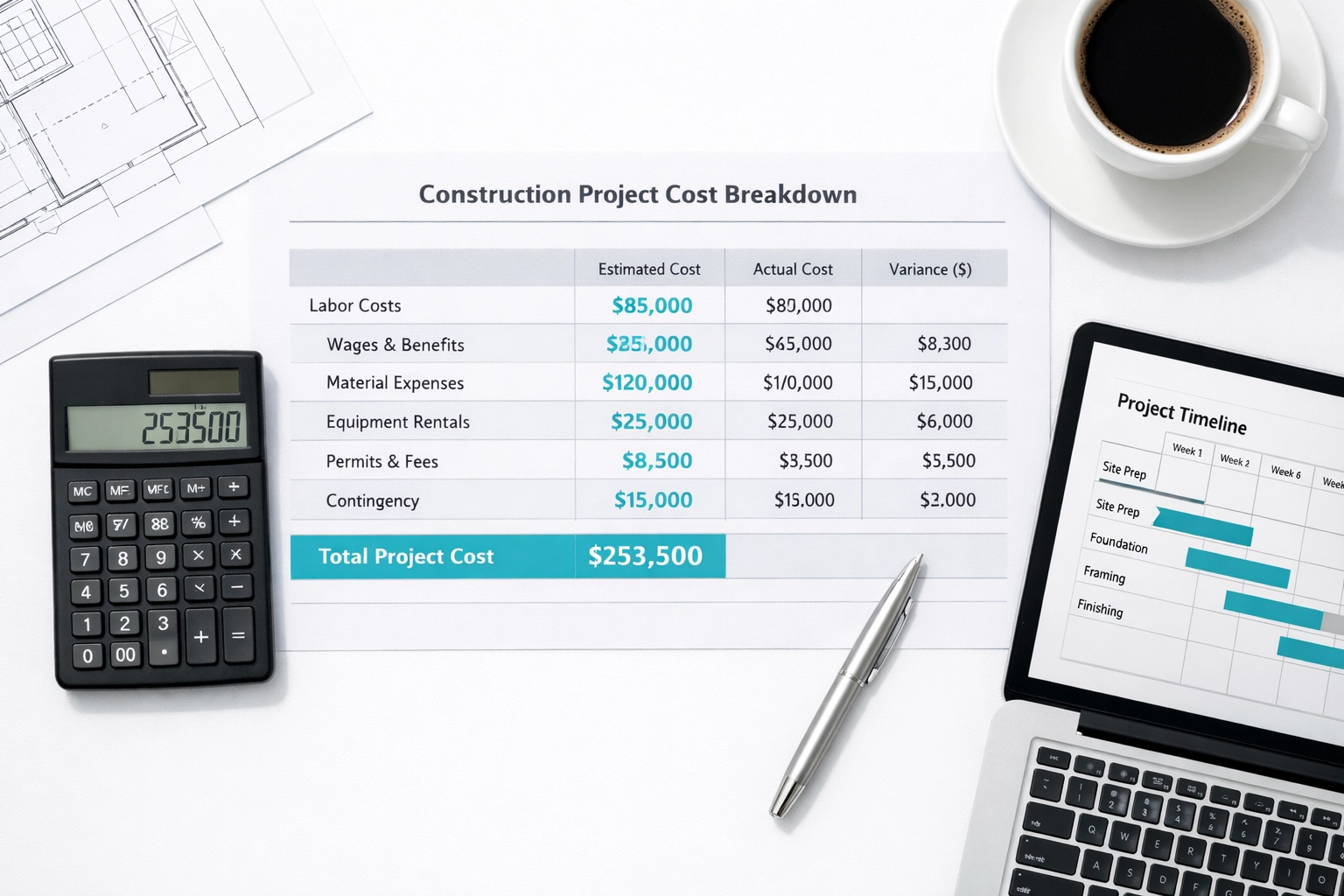
For commercial projects, carrying costs on land, construction financing interest, and pre-leasing expenses can run $10,000 to $50,000+ monthly. Reducing your approval timeline from 12 months to 60 days saves 10 months of these expenses.
Market Timing:
Opening a retail business before the holiday season versus after can determine first-year profitability. Completing a residential development during peak buying season versus a market slowdown affects your entire return on investment.
Opportunity Costs:
Contractors and development teams tied up waiting for approvals can’t take on other projects. The faster you move through permitting, the sooner your team is available for the next opportunity.
Expedited or Standard: Which Permit Is Right for You?
Use this decision framework to determine which path makes sense:
Choose Expedited Permitting If:
- Your project clearly qualifies under Florida’s eligibility categories
- You’re building in a jurisdiction that offers expedited programs
- Your project timeline is critical to financial viability
- You can invest in comprehensive upfront documentation
- You need certainty around approval timelines
Choose Standard Permitting If:
- Your project doesn’t meet expedited eligibility requirements
- You’re in a smaller jurisdiction without expedited programs
- Your project design may evolve during the approval process
- Timeline flexibility is acceptable for your financial model
- You prefer incremental submission of documentation
When to Call in a Permit Expediter
The choice between expedited and standard permitting involves complex eligibility requirements, jurisdiction-specific procedures, and strategic timing considerations. Many developers and contractors benefit from working with permit expediting professionals who understand the nuances of both processes and can help you navigate requirements efficiently.
Professional permit assistance often includes:
- Eligibility determination and qualification documentation
- Complete application preparation meeting expedited requirements
- Coordination with multiple agencies and departments
- Compliance verification before submission
- Response management during the review process
Whether you pursue expedited or standard permitting, the key is matching your approach to your project’s specific circumstances and timeline requirements.
How a Permit Expediter Manages the Process
Think of a permit expediter as your project’s quarterback. Instead of you having to chase down answers from separate planning, zoning, and building departments, we manage the entire conversation. Our process involves coordinating a single, upfront review with all necessary agencies, ensuring everyone is on the same page from day one. This eliminates the sequential review process where one department’s approval holds up the next. We handle the meticulous work of preparing and submitting a flawless application, addressing potential red flags before a reviewer ever sees them. This proactive approach is central to our comprehensive services, as it minimizes the back-and-forth that causes most delays and keeps your project moving forward on schedule.
Important Considerations in the Permitting Process
Whether you choose an expedited or standard route, the permitting process involves more than just submitting an application. Understanding the full scope of your responsibilities—from potential penalties to post-approval inspections—is essential for keeping your project on track and in compliance. Getting this part wrong can derail even the most carefully planned timeline, turning a straightforward project into a costly headache. Let’s break down a few key considerations every project owner in Florida should keep in mind.
Penalties for Working Without a Permit
The temptation to start demolition or construction while waiting for a permit can be strong, but the consequences are severe. Florida law takes unpermitted work very seriously. If you’re caught, you can expect a stop-work order, which halts all activity on site immediately. Beyond the delays, you’ll face substantial fines that can easily double the original permit fee. For unlicensed contracting, the state can impose fines of up to $10,000. Working with an expert from the start ensures your project is properly permitted, helping you avoid these entirely preventable and expensive setbacks.
The Role of Post-Permit Inspections
Receiving your building permit isn’t the finish line; it’s the starting gun. Throughout your construction process, a series of inspections are required to verify that the work meets Florida Building Code standards. These inspections happen at critical milestones, such as foundation, framing, electrical, and plumbing. Failing an inspection means you’ll receive a correction notice and won’t be able to proceed with that phase of work until the issues are fixed and re-inspected. This is why having accurate, code-compliant plans from the beginning is so important—it smooths the path for successful inspections and prevents costly rework and delays.
Identifying Work That Is Exempt from Permits
Not every home improvement project requires a building permit. Many smaller, cosmetic jobs are often exempt, which can save you time and money. Generally, projects like interior or exterior painting, replacing cabinets, or installing new flooring don’t require a permit. However, the rules can vary significantly between counties and even cities. What’s exempt in Miami might require a permit in Orlando. Before you start any work, it’s always best to confirm with your local building department. A quick call can prevent the major hassle of getting a stop-work order for a project you thought didn’t need approval.
Your Next Step to a Faster Build
The question isn’t whether expedited permitting is universally “better” than standard processes: it’s which option aligns with your project’s eligibility, timeline needs, and strategic objectives.
For qualifying projects with time-sensitive financial considerations, Florida’s expedited programs offer significant advantages. For projects that don’t qualify or benefit from a more flexible timeline, the standard process remains a reliable path to approval.
Understanding the differences, planning accordingly, and ensuring your application meets all requirements: regardless of which path you choose: gives you the best chance of a smooth approval process.
Permit requirements and procedures may vary by jurisdiction. Always verify current regulations with local building departments or consult a licensed permitting professional for your specific project.
Frequently Asked Questions
Are the fees for an expedited permit higher than for a standard one? While the direct application fees charged by the city are usually the same, the true cost of a permit is tied to your project’s timeline. An expedited permit can save you a significant amount of money by reducing holding costs, such as construction loan interest and property taxes, which can add up quickly. The investment in preparing a perfect application for an expedited process often pays for itself by getting your project started and finished months sooner.
What’s the most common mistake that causes permit delays, and how can I avoid it? The single biggest reason for delays is submitting an incomplete or incorrect application. Even a small error, like a missing signature or an outdated form, can send your plans to the back of the line, forcing you to start the review process all over again. The best way to avoid this is to double-check every detail against your local building department’s checklist before you submit anything. A thorough quality check upfront is the most effective strategy for a faster approval.
My project is in a small town. Does that affect my ability to get an expedited permit? Yes, it very well could. Florida law exempts counties with fewer than 75,000 residents and municipalities with under 10,000 residents from being required to offer expedited permitting programs. If you’re building in a smaller community, the standard permit process might be your only option. It’s always a good idea to check directly with your local building department to see what programs they have available.
If my project doesn’t qualify for an expedited permit, are there still ways to speed up the standard process? Absolutely. Even with a standard permit, you can still influence the timeline. Submitting a flawless application is the most important step. You should also respond to any comments or requests from the city plan reviewer immediately, ideally within 48 hours. Integrating permitting requirements into your initial design phase also helps, as it prevents the need for major, time-consuming revisions later on.
What exactly does a permit expediter do that I can’t do myself? A permit expediter acts as your project manager and advocate within the building department. While you can certainly manage the process yourself, an expediter brings deep knowledge of local codes, procedures, and relationships with plan reviewers. We ensure your application is perfect before submission, coordinate with all necessary departments simultaneously, and manage the communication to resolve issues quickly. This expertise helps you avoid common pitfalls and keeps your project moving forward without costly delays.
Key Takeaways
- Look beyond the timeline to see the financial benefits: The main advantage of an expedited permit isn’t just speed; it’s the significant savings you gain by avoiding months of holding costs on land, financing, and labor while waiting for standard approval.
- Confirm your eligibility before you plan: Expedited permits are not available for every project or in every Florida county. Before building your schedule around a faster timeline, verify that your project type qualifies and that your local building department offers an expedited program.
- A perfect application is your fastest path forward: Whether you choose an expedited or standard route, the most common delays come from simple mistakes. Submitting a complete and accurate application the first time is the single most effective strategy to get your permit approved without unnecessary setbacks.