

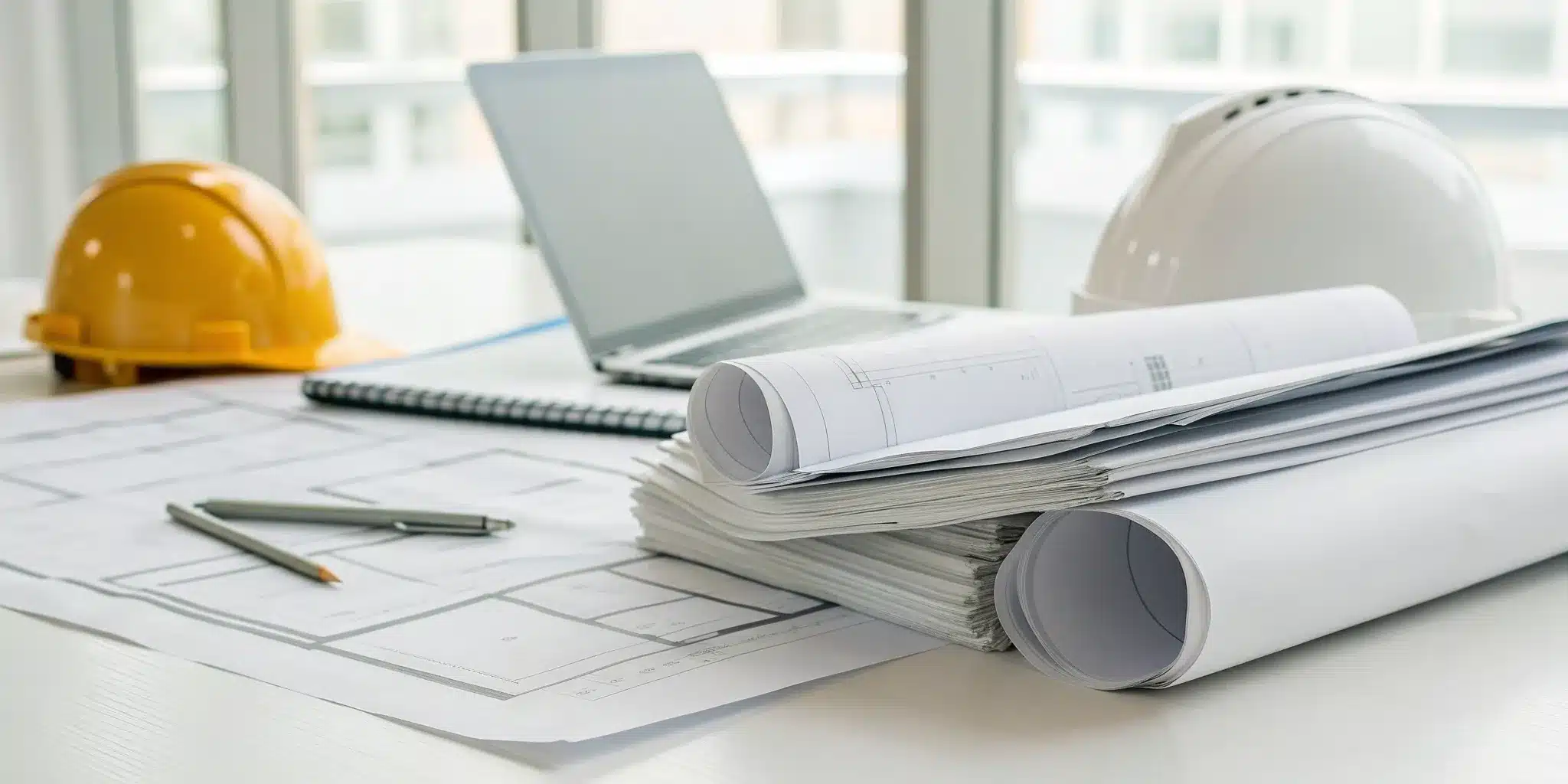
Your permit set is the official story you tell your local building department. It’s a carefully crafted narrative, told through drawings and documents, that proves your project is well-planned, safe, and ready for construction. If your story is unclear, inconsistent, or missing key details, your project will be put on hold. A strong, complete permit set, on the other hand, makes it easy for reviewers to give their approval, saving you from the stress of revisions and resubmissions. This guide will show you how to craft that perfect story, covering everything from essential components to pro tips for a faster, smoother approval process.
Key Takeaways
- Know the Difference Between Plan Sets: Your permit set gets you city approval, but your construction set is the detailed guide your builder actually needs. Building with only a permit set leads to guesswork, costly errors, and project delays.
- Prioritize Accuracy to Avoid Rejection: Small mistakes, like mismatched dimensions or missing code details, are the top reasons for permit rejection. Double-checking every document for consistency is the best way to prevent a cycle of revisions that can stall your project for months.
- Work with Experts to Speed Up the Process: Professionals understand Florida’s complex and varied local codes, helping you submit a complete and correct package the first time. This is the most reliable way to get your permit approved faster and avoid common pitfalls.
So, What Exactly Is a Permit Set?
Think of a permit set as the official application for your construction project. It’s a collection of drawings, plans, and documents that you submit to your local building department to get their approval. In simple terms, it’s the bare minimum required to show officials what you plan to build and how you plan to build it safely and legally. While it’s called the “minimum,” this package can be quite extensive, detailing everything from your project’s location on the property to its structural framework.
This set of documents is your first major step in turning a vision into a reality. It serves as the primary communication tool between you, your architect or contractor, and the city or county reviewers. Before any ground is broken, this package must prove that your project complies with all local building codes, zoning laws, and safety regulations. Getting this set right is essential for a smooth start, as any errors or omissions can lead to significant delays. That’s why many builders and homeowners rely on expert permit expediting services to ensure everything is correct from the beginning.
Your Project’s Official Blueprint for Approval
The permit set is essentially your project’s blueprint for approval. It’s the official story you present to the government, demonstrating that your plans are well-thought-out and adhere to all the necessary rules. This isn’t just about showing a floor plan; it’s about proving your project respects local laws, safety standards, and even environmental guidelines.
Each document in the set provides a piece of the puzzle for the plan reviewer. From site plans showing property lines to structural drawings detailing the building’s foundation, the goal is to leave no question unanswered. A complete and accurate permit set shows the building department that you’ve done your homework and are ready to build a structure that is safe, compliant, and built to last.
Why You Can’t Skip This Critical First Step
Skipping or rushing the permit set is a recipe for disaster. This step is critical because it’s designed to protect you, future occupants, and the community. The permitting process verifies that your project meets established safety standards, ensuring the building’s structural integrity and the well-being of anyone who uses it. It’s the system that prevents unsafe construction and ensures all buildings are up to code.
Beyond safety, obtaining an approved permit is a matter of legal compliance. Building without one can result in steep fines, stop-work orders, and in some cases, you may even be forced to tear down the work you’ve already done. Taking the time to prepare a thorough permit set is a non-negotiable first step that protects your investment and ensures your project proceeds without costly interruptions.
What’s Inside a Standard Permit Set?
Think of a permit set as the official instruction manual for your construction project. It’s a collection of detailed drawings and documents that tells the city or county exactly what you plan to build and how you plan to build it. Each piece of the set has a specific job, and together, they create a complete picture for the permitting authorities to review. Getting these documents right is the key to a smooth approval process, which is where our end-to-end services can make all the difference. Let’s walk through the five main components you’ll find in a standard permit set.
Site Plans: A Bird’s-Eye View of Your Property
Every project starts with a site plan. This is the bird’s-eye view of your property that shows how your project fits into its surroundings. A permit set typically includes a site plan, which outlines the layout of the property, including the location of the building, parking areas, and landscaping. It details property lines, setbacks from the street, and the location of existing structures and utilities. This plan is foundational because it demonstrates that your project complies with local zoning laws and land use regulations before the reviewer even looks at the building itself. It’s the first chapter in your project’s story, setting the stage for everything to come.
Architectural Plans: How Your Project Will Look
If the site plan is the “where,” the architectural plans are the “what.” These drawings bring your vision to life on paper. Architectural plans are part of the permit set and provide the visual representation of the building, including floor plans, elevations, and sections that show the design and aesthetics of the project. Floor plans show the layout of each room, elevations illustrate what the building will look like from the outside, and section drawings cut through the structure to show how it’s put together. These plans are essential for communicating the style, dimensions, and overall function of your building to the permitting office, ensuring everyone is on the same page about the final look.
Structural Plans: The Bones of Your Build
While architectural plans show what your project looks like, structural plans show how it stands up. This is where an engineer details the building’s skeleton. Structural plans detail the framework of the building, including the materials and methods used to ensure the structure’s integrity and safety. This includes specifications for the foundation, framing, beams, and columns. In a state like Florida, these plans are especially critical as they must prove the building can withstand high winds and other environmental factors specific to our region. They are the technical proof that your project will be safe and sound for years to come.
Including Essential Structural Calculations
This is where the math comes in. Structural calculations are the technical proof behind your structural plans, showing that the building’s framework—its foundation, beams, and columns—is strong enough to handle real-world forces. In Florida, this is non-negotiable. Your calculations must demonstrate that the structure can withstand high winds and other environmental stresses specific to our region. Think of it as the engineering backbone that supports the architectural vision, ensuring your project isn’t just beautiful but also safe and built to last. Submitting a permit set with thorough and accurate calculations shows the reviewer you’ve done your due diligence, making the path to approval much smoother.
MEP Plans: Powering Your Home’s Essential Systems
A building is more than just walls and a roof; it needs power, water, and air to be functional. That’s where MEP plans come in. MEP (Mechanical, Electrical, and Plumbing) plans are included in the permit set and outline the systems that will be installed in the building, ensuring they meet local codes and regulations. The mechanical drawings show heating, ventilation, and air conditioning (HVAC) systems. Electrical plans map out all the wiring, outlets, and fixtures. Plumbing plans detail the water supply and drainage systems. These complex documents ensure your project is comfortable, safe, and habitable from day one.
Energy Documents: Meeting Efficiency Standards
Modern construction isn’t just about building something strong—it’s also about building something smart and sustainable. Energy documents are part of the permit set and demonstrate how the project complies with energy efficiency standards, often including calculations and specifications for insulation, HVAC systems, and renewable energy sources. These documents prove that your project meets the requirements of the Florida Building Code for energy conservation. This might include details on window ratings, insulation thickness, and the efficiency of your water heater. It’s a crucial step that shows your project is not only compliant but also built for long-term efficiency.
Why Do I Really Need a Permit Set?
Think of your permit set as the official language you use to speak with your local building department. It’s more than just a stack of papers; it’s the comprehensive proposal that proves your project is well-planned, safe, and ready to build. Without it, your project can’t legally move forward. Submitting a thorough and accurate permit set is the single most important step in getting your project off the ground smoothly, saving you from potential fines, frustrating delays, and costly rework. It’s your key to demonstrating professionalism and ensuring your vision aligns with your community’s standards for safety and quality.
Securing Approval from the City
Before you can even think about breaking ground, you need official approval from your local government. A permit set is how you get that green light. It’s a detailed package that shows officials your building plans follow all local laws, safety rules, and environmental guidelines. When you submit your permit set, you’re essentially telling the city, “I’ve done my homework, and this project is designed correctly.” This process ensures your project fits within your area’s zoning requirements and respects community planning standards. Handling this step correctly is fundamental to any successful build, which is why many people rely on expert permit expediting services to manage the process.
Ensuring Your Project Meets Safety Codes
Building codes aren’t just bureaucratic red tape—they exist to protect you, your family, and future occupants. Your permit set is the primary tool for demonstrating compliance with these critical standards. It provides detailed proof that your project’s design considers structural integrity, fire safety, electrical systems, plumbing, and accessibility. Permitting ensures the future occupants’ health and safety by confirming that every aspect of the build meets rigorous, time-tested regulations. This review process is essential for preventing structural failures or other hazards down the line, making it a non-negotiable part of responsible construction and a key component of processes like building recertification.
Protecting Your Investment and Community
Ultimately, a permit set is a powerful tool for risk management. Securing approval before construction begins helps you avoid incredibly costly changes once work is already underway. It confirms that your project is legally sound, protecting you from stop-work orders, hefty fines, and the kind of delays that can derail a budget. This legal compliance also protects your community by ensuring your project won’t negatively impact your neighbors or local infrastructure. By following the process, you contribute to safe and orderly development. Getting it right from the start is the best way to safeguard your investment, and a clear project proposal is the first step.
Permit Set vs. Construction Set: What’s the Difference?
When you’re gearing up for a construction project, you’ll hear a lot about “plans” and “drawings.” But not all plans are created equal. Two of the most important types are the permit set and the construction set, and while they might look similar at a glance, they have completely different jobs. Think of it as the difference between an outline for a book and the final, published novel. One gives the general idea for approval, while the other contains every last detail needed to bring the story to life.
Understanding this distinction is one of the most important steps in planning your project. Confusing the two can lead to frustrating delays, unexpected costs, and major headaches with your contractor and the local building department. Getting it right from the start ensures a smoother process from the initial application to the final build. Let’s break down what each set does and why you absolutely need both for a successful project.
One Is for Approval, the Other Is for Building
The easiest way to understand the difference is to think about who each set of plans is for. A permit set is created for one audience: the government officials at your local building department. Its sole purpose is to demonstrate that your project’s design follows all relevant Florida building codes, zoning laws, and safety regulations. It’s your official request for permission to build, showing the city that your plans are safe and compliant.
A construction set, on the other hand, is the detailed instruction manual for your contractor and their team. It’s a comprehensive guide that tells the builders exactly what to do, what materials to use, and how everything should fit together. It’s less about proving compliance and all about providing clear, actionable directions for the actual build.
How Much Detail Does Each Set Include?
This is where the two sets really diverge. A permit set includes just enough information to get an approval stamp. It will show floor plans, elevations, and basic structural and systems information, but it often lacks the specifics. For example, it might show where a sink goes, but not the make, model, or exact faucet fixtures.
A construction set is packed with every detail needed to execute the project. It includes everything from the permit set and adds layers of specific information, like precise measurements, material types, finish schedules, and installation notes. This level of detail eliminates guesswork for the construction crew, ensuring the project is built exactly as designed and preventing costly on-site decisions and mistakes. You simply can’t build properly from a permit set alone.
The Added Detail in a Construction Set
So, what exactly are these extra layers of information? A construction set dives deep into the specifics that a permit set only glances at. It includes things like a finish schedule, which is a detailed chart specifying the exact paint colors, flooring types, tile patterns, and even the model numbers for light fixtures in every single room. It will call out the specific brand of windows to be installed, the type of grout for the bathroom tile, and the precise hardware for the kitchen cabinets. These are the decisions that define the final look and feel of your project, and they are almost always missing from a permit set, which is only concerned with compliance.
This level of detail is what empowers your builder to execute your vision perfectly. It removes ambiguity and prevents costly on-the-fly decisions that can lead to misunderstandings or budget overruns. Think of it this way: without these specifics, your contractor is left to guess what you wanted, which can lead to rework or a final product that doesn’t match your expectations. A comprehensive construction set is the ultimate communication tool, ensuring everyone from the framer to the electrician is working from the same playbook. While our team at All Florida Permits focuses on getting your permit set approved efficiently, ensuring you have a detailed construction set is just as vital for the success of your build.
Knowing When You Need Each Type of Plan
You need both sets of plans, but they play their roles at different stages of your project. The permit set comes first. You can’t break ground without an approved permit, so submitting these plans to the city is a critical early step. This is the legal green light that allows your project to move forward. Our permit expediting services are designed to manage this entire submission and approval process for you.
Once the permit is secured, the construction set takes center stage. Your contractor will use these highly detailed plans every single day on the job site. They are essential for getting accurate bids from subcontractors, ordering the correct materials, and ensuring everyone involved in the build is working from the same playbook.
Factors for Choosing the Right Plan Set
Deciding which plan set to use boils down to two simple factors: your project’s current stage and who needs the information. If you’re in the approval phase, your audience is the city building department, and your tool is the permit set. Its job is to clearly demonstrate that your design complies with all relevant Florida building codes, getting you that essential green light to proceed. This is the critical first step where our permit expediting services can prevent common submission errors. Once you have your permit, the audience changes to your contractor. Now, you need the construction set. This is the highly detailed guide for the actual build, packed with specifics on materials and measurements to prevent guesswork and costly on-site mistakes.
How They Impact Your Budget and Timeline
It might seem like you can save money by creating a less-detailed permit set and skipping the full construction set, but that’s a risky gamble. A permit set is cheaper and faster to produce upfront. However, its lack of detail often leads to questions and confusion on-site, resulting in change orders, mistakes, and delays—all of which drive up your final cost.
A construction set requires a larger investment of time and money to create. But that initial investment pays for itself by preventing expensive errors and keeping the project on schedule. Clear instructions mean fewer mistakes, less wasted material, and a much smoother building process, ultimately protecting your budget and your timeline.
Understanding the Cost of Construction
The choice between moving forward with just a permit set versus a full construction set comes down to a simple financial principle: invest a little more now to save a lot more later. While a basic permit set gets you in the door with the city for less upfront cost, it leaves your budget exposed to the most common project killers: on-site guesswork and change orders. When builders have to fill in the blanks, it leads to mistakes, wasted materials, and delays that add up quickly. A detailed construction set, however, acts as a financial safeguard. By clearly defining every aspect of the build, it minimizes surprises and protects your investment from the unexpected costs that can derail a project. A clear project proposal is the first step in getting this right from the start.
Who Uses Each Type of Plan?
The simplest way to keep these plans straight is to remember who they’re for. A permit set is created for a very specific audience: the government officials at your local building department. Its only job is to prove that your project’s design is safe and follows all relevant Florida building codes and zoning laws. It’s a formal document designed to earn an approval stamp, not to guide a construction crew through their day-to-day work. Think of it as the official application you submit to get permission to start.
A construction set, however, is the detailed instruction manual for your contractor and their entire team. This is the document they will use on-site every single day. It’s made for the builders, electricians, plumbers, and every other subcontractor who needs to know exactly what to build, what materials to use, and how all the pieces fit together. It translates the approved design into a clear, actionable guide for execution, leaving no room for guesswork.
Making Changes: Permit vs. Construction Plans
Changes are a normal part of any construction project, but how you handle them depends entirely on which set of plans is affected. If you need to alter something in a permit set that has already been approved by the city, you can’t just mark it up with a red pen. This requires a formal revision process. You’ll have to submit the updated drawings for another review, which can pause your project and lead to significant delays. This is why getting the permit set right the first time is so important for keeping your project on schedule.
Making changes to a construction set is often simpler, as long as the change doesn’t conflict with the approved permit plans. For instance, changing a tile selection or a paint color can be documented with a change order between you and your contractor. However, if you decide to move a structural wall or add a window, that alters the approved permit set. In that case, you’ll have to go back to the city for approval before your builder can make the change on-site.
Keeping Track: The Role of a Drawing Log
With so many different plans and potential revisions, how does everyone stay on the same page? That’s where a drawing log comes in. A drawing log is a master spreadsheet that construction managers use to keep track of every single drawing in a project. It acts as a table of contents, listing each plan, its title, its version number, and the date it was issued. It creates a clear history of what happened and when, showing which set was submitted for permit and which is the most current version for construction.
This simple organizational tool is incredibly important for preventing costly mistakes. It ensures that the entire team—from the architect to the subcontractors—is working from the latest and greatest set of plans. On a complex project, a well-maintained drawing log is the single source of truth that keeps everything organized and moving forward smoothly. It’s a key part of the documentation management that our end-to-end services help streamline.
Beyond the Basics: Other Drawing Sets You Might Encounter
While the permit set and construction set are the two main players, you may come across a few other types of drawings during your project. These specialized sets serve very specific purposes at different stages of the process, from initial pricing to final fabrication.
Bid Sets: Getting Your Project Priced
Before you hire a contractor, you need to know how much your project is going to cost. A bid set is a package of drawings you send out to multiple contractors to get their price quotes, or “bids.” This set is typically more detailed than a permit set but might not be the fully complete construction set yet. It contains enough information—like dimensions, basic materials, and scope of work—for a builder to develop an accurate estimate for the job. This allows you to compare apples to apples when choosing your team.
Shop Drawings: The Manufacturer’s Blueprint
Shop drawings are ultra-detailed plans for specific, custom-fabricated components of your project. Think custom staircases, kitchen cabinets, structural steel beams, or specialized window systems. These drawings aren’t created by your architect; they’re made by the manufacturer or subcontractor who will actually build the item. They take the architect’s design from the construction set, add precise field measurements, and create a detailed blueprint showing exactly how they will fabricate and install their piece of the puzzle. These drawings are then reviewed by the architect and contractor to ensure they fit perfectly into the overall project.
Why You Shouldn’t Build with Just a Permit Set
It’s a common misconception that once you have an approved permit set, you have everything you need to start construction. While the permit set is essential for getting legal approval, it’s not a detailed instruction manual for your builder. Trying to build with only these plans can lead to a host of problems that cost you time, money, and a lot of stress. Think of it as a map that shows you the destination but not the turn-by-turn directions to get there. For a smooth construction process, your team needs those specific directions.
How Vague Plans Lead to Big Problems
A permit set is designed to do one thing: show the local building department that your project complies with zoning laws, building codes, and safety regulations. To achieve this, it includes just enough detail to get that official stamp of approval. It intentionally leaves out specifics like material finishes, exact fixture placements, and precise installation methods.
This lack of detail becomes a major issue on the job site. When plans are vague, contractors are forced to make assumptions. Your idea of a specific tile layout or window trim might be completely different from what they envision. This ambiguity leads to guesswork, which is the last thing you want when you’re investing thousands of dollars into a project.
Avoiding Costly On-Site Mistakes and Delays
When you build with just a permit set, you or your project manager will have to be heavily involved on-site, making constant decisions on the fly. Every time your contractor has a question about a detail not included in the plans, work can grind to a halt. This process of clarifying ideas and making snap judgments often leads to miscommunication and mistakes.
These on-site errors are expensive. Ripping out a newly installed wall because the outlet placement was wrong or re-ordering materials because of a misunderstanding can blow your budget and push back your timeline. A detailed construction set minimizes these risks by providing clear instructions from the start. Proper planning is the best way to avoid these costly delays and ensure your project runs smoothly.
Giving Your Contractor the Details They Need
Your contractor’s job is to bring your vision to life, but they can’t read your mind. A permit set gives them the basic structure, but a construction set provides the critical details they need to execute the project correctly. This detailed guide specifies everything from the type of insulation to the brand of windows and the exact dimensions for custom cabinetry.
Without this information, builders are left guessing, which can compromise the quality of the work. They need a complete blueprint to coordinate with subcontractors, order the right materials, and build according to your exact specifications. Providing them with comprehensive plans is essential for a high-quality result and is a core part of our end-to-end service.
The Real Risk of Violating Building Codes
Making changes during construction is common, but when you’re working from a vague permit set, those on-the-fly decisions can accidentally deviate from the approved plans. If these changes are significant, you could find yourself in violation of local building codes. An inspector might notice that the plumbing or electrical work no longer matches what the city approved.
This is a serious problem that can result in a stop-work order until you submit revised plans and get them approved. This process can add weeks or even months to your project, not to mention the extra costs for new plans and permits. Sticking to a detailed, pre-approved construction set helps you stay in compliance and avoid the nightmare of a project shutdown.
Common Permit Set Problems (and How to Avoid Them)
Getting your permit set approved can feel like the biggest hurdle standing between you and your dream project. It’s a detailed, technical process where small oversights can lead to major delays. For homeowners, who may be going through this for the first time, a few common challenges pop up again and again. From deciphering complex local codes to ensuring every single line on your plans is perfect, the path to approval is filled with potential pitfalls. Understanding these common hurdles is the first step to creating a smoother, faster permitting experience and getting your project off the ground without unnecessary stress.
Understanding Florida’s Local Building Codes
Let’s be honest: Florida’s building codes can be a maze. On top of the statewide regulations, every county and city has its own set of rules, zoning laws, and specific requirements. A project in Miami might have completely different environmental or hurricane-related codes than one in Orlando. Trying to piece together all these layers of regulation is a huge task for anyone who doesn’t do it every day. Most projects require multiple permits from different agencies, and knowing which ones you need—and what each one demands—is a full-time job in itself. This is often where the first delays happen, as homeowners find themselves sent back to the drawing board for missing a local-specific detail.
Why Consistency Across Your Documents Matters
A permit set is a collection of documents that must all tell the exact same story. A common reason for rejection is inconsistency across different pages. For example, if the dimensions on your architectural plans don’t perfectly match the ones on your structural plans, an examiner will flag it immediately. Even small details, like mismatched annotations or unclear safety information, can stop your application in its tracks. The reviewing department needs to see that every single element is accounted for and consistent, ensuring the final build will be safe and compliant. This level of precision is critical, and it’s where many DIY permit sets fall short.
How Long Does It Really Take to Prepare?
It’s easy to underestimate how long it takes to get a permit. The process isn’t just about submitting paperwork; it’s about careful preparation, review periods, and potential revisions. Rushing to submit an incomplete or inaccurate permit set almost always backfires, leading to rejections that create even longer delays. A single rejection can set your project back weeks or even months, creating a domino effect on your construction schedule and budget. It’s important to build a realistic timeline that accounts for thorough document preparation and the city’s review period from the very beginning.
The Myth of Cutting Corners to Save Money
Trying to save a few dollars by preparing the permit set yourself or hiring inexperienced help can be one of the most expensive mistakes you make. A poorly prepared set often results in multiple rounds of revisions, additional fees, and costly construction delays. Think of professional permit expediting as an investment. By leaning on experts who understand Florida’s codes and have relationships with local building departments, you avoid the common pitfalls that derail projects. Getting it done right the first time not only saves you from headaches but also keeps your timeline and budget on track, which is the real way to save money.
How to Get Your Permit Set Approved Faster
Waiting for permit approval can feel like one of the most frustrating parts of any construction project. While you can’t control the reviewer’s schedule, you can control the quality of what you submit. Getting your permit set approved faster often comes down to preparation and strategy. A clean, accurate, and complete application is far less likely to get stuck in a cycle of revisions and resubmissions. Think of it this way: your goal is to make it as easy as possible for the plan reviewer to say “yes.”
By avoiding common mistakes and being proactive, you can significantly shorten your wait time. This means leaning on the right people, understanding the specific rules for your area, and double-checking every detail before you submit. A little extra effort upfront can prevent weeks or even months of delays down the road. Our permit expediting services are designed to handle this entire process, ensuring your project keeps moving forward without unnecessary hold-ups. The following steps will help you put together a permit set that sails through the approval process.
Work With an Experienced Professional
While it might be tempting to handle the permit set yourself to save money, this approach can backfire with costly delays and rejections. It’s always a good idea to work with experts to create these drawings. Professionals like architects, engineers, and permit expediters speak the language of the building department. They know exactly what plan reviewers are looking for, from the correct formatting to the specific notes required by local code.
Hiring an expert isn’t just about getting the drawings right; it’s about getting the strategy right. They can anticipate potential issues, ensure all documents are coordinated, and present your project in the clearest possible way. This expertise helps you avoid the common pitfalls that send applications to the bottom of the pile. If you’re ready to get professional help, you can request a proposal to see how we can streamline your project.
The Role of a Permit Expediter
While architects and engineers design the project, a permit expediter manages the approval process. Think of them as your project’s advocate at the building department. They take your completed permit set and handle the entire submission, follow-up, and approval journey. Because they work with local Florida municipalities every day, they understand the specific requirements and common sticking points that can derail an application. Their job is to ensure your package is complete and correct the first time, which is the most reliable way to avoid a long cycle of revisions. They speak the language of the plan reviewers and can quickly address any questions that come up, keeping your project moving forward without unnecessary delays.
Do Your Homework on Florida’s Rules
Florida has its own unique set of building codes and regulations, and they can change from one county to the next. What works in Miami-Dade might not fly in Hillsborough. While you can sometimes build with just a permit set in Florida, this often means you’ll need to be heavily involved in the day-to-day construction process to fill in the gaps. This can be a risky path if you’re not prepared for that level of oversight.
To avoid issues, you need a deep understanding of the Florida Building Code as well as local zoning ordinances and amendments. Researching these specific requirements is a critical step. Does your municipality require special flood zone considerations or specific wind load calculations? Knowing the answers beforehand ensures your permit set is tailored to your exact location, which is key for a smooth review.
Double-Check Everything for Accuracy
A single inconsistency in your permit set can bring the entire review process to a halt. Before you submit, you or your team must review every page with a fine-tooth comb. The most common reasons for permit set rejection are often simple mistakes: mismatched plans, inconsistent dimensions across different sheets, or missing code information. For example, an elevation drawing that doesn’t match the floor plan is an immediate red flag for a reviewer.
Treat this final review as a critical quality control step. Check that all annotations are clear, every dimension adds up, and all required life safety information is present and correct. A clean, error-free submission shows professionalism and makes the reviewer’s job easier, which can only work in your favor. Taking an extra day to verify everything is much better than waiting another month for a second review.
Be Prepared for Revisions and Feedback
Even the most perfect permit set can receive comments from the plan reviewer. It’s important to see this not as a failure, but as a normal part of the process. Reviewers may ask for clarification on a specific detail or require an additional calculation. The key is to be prepared for this feedback and to respond quickly and thoroughly. Delays in obtaining permits can have a cascading effect on your project, so a swift response is essential.
Stay organized and keep communication lines open with your architect or contractor. When you receive comments, address each one clearly and resubmit the corrected documents as soon as possible. Building this flexibility into your project timeline from the start helps manage expectations and reduces stress. A proactive and cooperative attitude will help you work with the building department to get your permit approved and your project underway.
Related Articles
- Permit Plans 101: A Guide to Fast Approval
- Florida Building Permit Help: A Step-by-Step Guide
- Florida Construction Permit Expediting Services for Professionals
- Expediting Building Permits: 5 FAQs Answered
Contact Us
Frequently Asked Questions
My permit set was approved. Can my contractor start building with it now? Not quite. While an approved permit set is your legal green light to begin, it’s not the instruction manual your builder needs. The permit set contains just enough information to satisfy the city’s code and safety requirements. A separate, more detailed “construction set” is what your contractor will use on-site. This second set includes all the specifics—from material types to exact measurements—that prevent guesswork and ensure the project is built exactly as you envisioned.
Why can’t I just create the permit set myself to save money? I completely understand the temptation to cut costs, but this is one area where trying to save money upfront can cost you much more in the long run. Preparing a permit set requires deep knowledge of Florida’s state and local building codes, which are complex and vary by county. A small mistake or omission can lead to rejection, forcing you into a cycle of revisions and resubmission fees that quickly add up. Investing in a professional to prepare your plans is the best way to ensure it’s done right the first time, saving you from expensive delays.
What’s the most common reason a permit set gets rejected in Florida? The single most common reason for rejection is inconsistency. A plan reviewer is looking at your entire package to make sure it tells one cohesive story. If the window dimensions on your architectural drawings don’t perfectly match the openings shown on the structural plans, for example, it raises an immediate red flag. These small discrepancies signal a lack of coordination and can stop an application in its tracks until every detail is corrected and aligned.
Does a small project, like a new deck, need the same detailed permit set as a new home? The scale of the permit set will match the scale of your project, but the need for accuracy and compliance remains the same. A new home will require a comprehensive set with architectural, structural, MEP, and energy documents. A smaller project like a deck will have a much simpler set of plans. However, those plans must still clearly demonstrate that the deck meets all safety codes, property line setbacks, and any other local requirements.
If my plans get rejected, does that mean I have to start the whole process over? No, a rejection is rarely a dead end. It’s a normal part of the process. Typically, the building department will provide you with a list of comments or corrections that need to be addressed. Your job is to work with your architect or designer to make those specific changes and then resubmit the updated plans. While it does cause a delay, it’s much faster than starting from scratch. Responding to the feedback quickly and accurately is the key to getting back on track.