

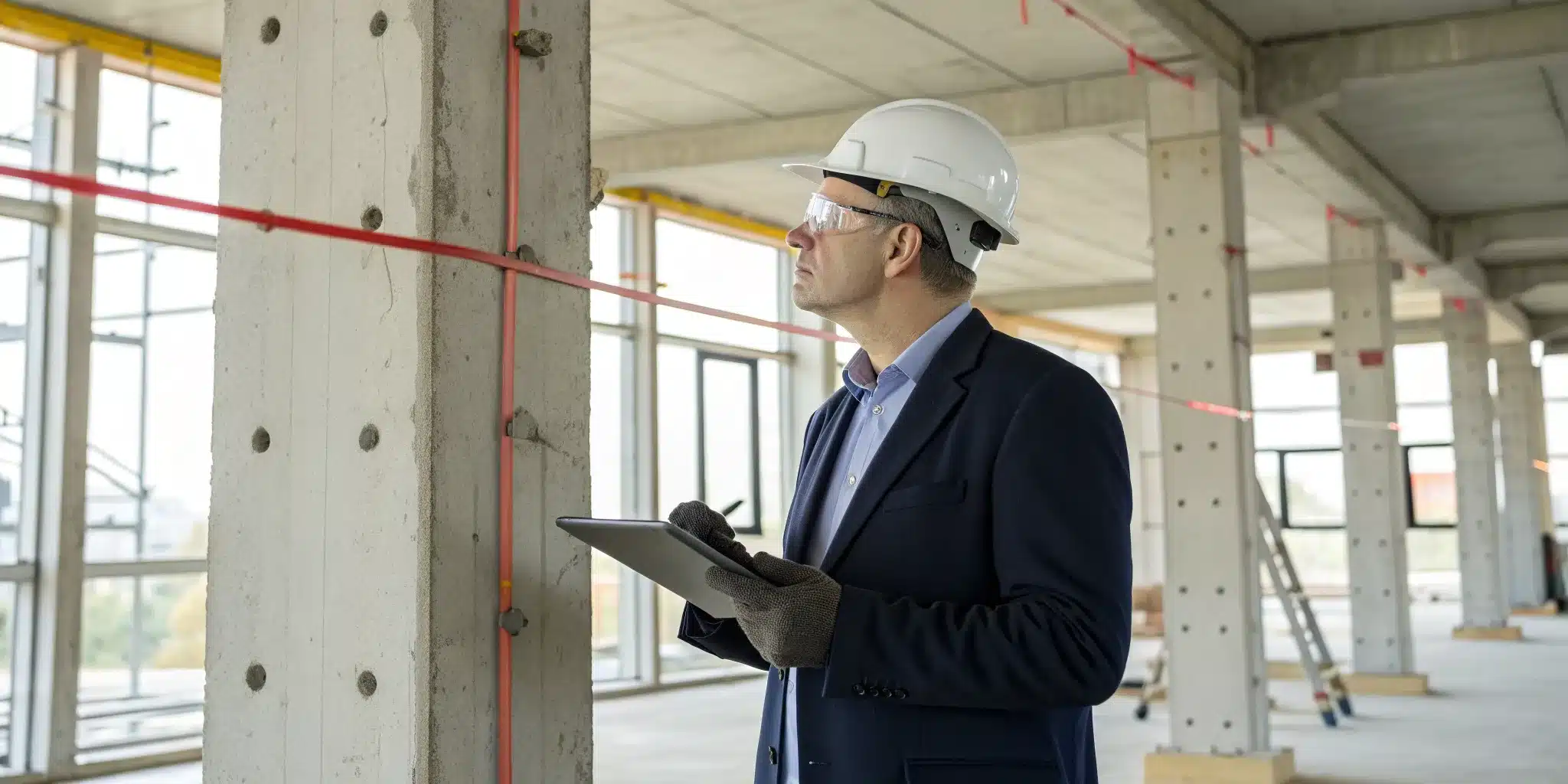
That hairline crack above the doorway seems to get a little bigger every month. A floor in the back room slopes just enough to be noticeable, and a window that used to open smoothly now sticks every time. Are these just simple quirks or signs of a much bigger problem? It’s enough to keep you up at night. A structural inspection is how you get real answers. It’s a specialized assessment where a licensed engineer evaluates your property’s foundation, framing, and load-bearing walls. This gives you a clear picture of your home’s health so you can make smart decisions about safety and repairs.
Key Takeaways
- Understand the difference: A structural inspection is not a general home inspection; it’s a specialized assessment by a licensed engineer focused on the core safety of your property’s foundation, load-bearing walls, and framing.
- Know when to schedule one: The most critical times to get an inspection are before buying a property, after a major storm or event, and when complying with Florida’s mandatory milestone recertification laws for buildings over three stories.
- Use the report to your advantage: The final report provides expert findings you can use to negotiate repairs with a seller, plan for necessary maintenance, and protect the long-term value and safety of your investment.
What Is a Structural Inspection?
Think of a structural inspection as a specialized health check-up for your property’s skeleton. While a general home inspector gives you a broad overview of the property’s condition, a structural inspection is a deep dive into the elements that hold the building up. This focused assessment is performed by a licensed structural engineer who examines the foundation, load-bearing walls, beams, columns, and roof framing.
The key difference is in the expertise. A home inspector might point out a large crack in the foundation and recommend further evaluation. A structural engineer is the expert you call to determine the cause of that crack, assess its severity, and design a solution. They have the specialized training to analyze the forces acting on a building and confirm whether it is safe, sound, and stable. This inspection gives you a clear picture of the building’s structural integrity, moving beyond surface-level issues to evaluate the core strength of your property.
Why Your Property Needs a Closer Look
A structural inspection provides critical information that empowers you to make smart decisions about your property. For buyers, an inspection report can be a powerful tool. If significant issues are found, you can negotiate with the seller for repairs or a price reduction. If the inspection comes back clean, you gain valuable peace of mind knowing your investment is on solid ground. For current owners, it’s about protecting your asset. Catching a small foundation issue before it becomes a major problem can save you thousands in repair costs and preserve your property’s value.
When Is the Right Time to Call an Inspector?
You don’t need a structural inspection for every property transaction, but there are specific times when it’s a wise move. The most common trigger is when a general home inspector flags a potential structural problem, like uneven floors or significant cracks in the walls. You should also schedule one if you, as the current owner, notice any warning signs of structural distress. Additionally, Florida law mandates a milestone building recertification for most buildings over three stories high once they reach 30 years of age, and every 10 years after that, which includes a thorough structural inspection.
What Does a Structural Inspector Look For?
A structural inspection isn’t just a quick walkthrough. It’s a detailed examination of the essential components that keep a building standing strong and safe. Think of it as a health checkup for your property’s skeleton. A qualified inspector follows a systematic process to evaluate the integrity of the entire load-bearing system, from the ground up. They are trained to spot subtle signs of stress or failure that an untrained eye would easily miss.
Their goal is to identify existing problems and find areas that could become issues down the road. This involves looking at how the building handles the constant forces of gravity, weather, and daily use. They check the key elements responsible for transferring weight from the roof all the way down to the foundation. By understanding what an inspector focuses on, you can get a much clearer picture of your property’s condition and what might be needed to keep it secure. Let’s break down the four main areas they will examine during their assessment.
Checking the Foundation and Basement
Everything starts with a solid base. An inspector will pay close attention to the foundation, as its stability affects the entire structure. They will meticulously search for cracks in the concrete or masonry, noting their size, pattern, and location to determine if they are normal settlement cracks or signs of a serious problem. In homes with basements or crawl spaces, they’ll look for evidence of water intrusion, like stains, mold, or efflorescence (a white, powdery deposit), which can weaken the foundation over time. A sound foundation is critical, especially for older properties undergoing a building recertification.
Specific Red Flags: Cracks, Soil Issues, and Old Materials
An inspector knows that not all cracks are created equal. While tiny hairline cracks are often due to normal settling, larger, horizontal, or stair-step cracks in foundation walls can signal serious trouble. They’ll also look for other signs of structural distress, such as bowing walls or sloping floors, which could indicate that the foundation is shifting. This is especially important given Florida’s unique soil conditions, which can cause foundations to move over time. Any evidence of water intrusion, like stains or mold, is another major red flag, as moisture can degrade concrete and compromise the entire structure. Finally, the age of the materials matters, as older construction may not hold up to current building codes, requiring a more critical eye during the inspection.
Inspecting Walls, Beams, and Columns
Next, the inspector will examine the elements that carry the weight of the floors and roof down to the foundation. These are the load-bearing walls and columns. They will look for telltale signs of stress, such as vertical or diagonal cracks, bulging or leaning walls, and sagging headers above doors and windows. They’ll also check to see if any previous renovations improperly removed or altered these critical supports. Any issues here can compromise the building’s safety, and fixing them often requires professional engineering and proper permits to ensure the work is done correctly and to code.
Looking for Bowing, Bulging, and Other Deformities
When an inspector examines walls and columns, they’re looking for more than just cracks. They are searching for subtle changes in shape, like bowing, bulging, or leaning, which are often red flags for significant structural stress. These deformities suggest that a load-bearing element is struggling to handle the weight it’s supposed to support. This could be caused by foundation movement, water damage that has weakened the materials, or even an original design flaw. An inspector’s trained eye can spot a wall that is out of plumb by just a fraction of an inch—a detail that could signal a developing problem. Addressing these issues isn’t a simple DIY fix; it typically requires an engineered solution and the proper building permits to ensure the repair is safe and compliant.
Examining the Roof and Framing
The inspector will evaluate the roof’s framing from the attic or crawl space, looking at the wood trusses, rafters, and joists. They are searching for any signs of damage, like cracked or broken framing members, wood rot from moisture, or damage from termites and other pests. They will also assess the roof’s surface for sagging, which could indicate that the structure is failing under the weight. A compromised roof structure not only poses a safety risk but can also lead to leaks that cause extensive damage to the rest of the home, from the ceilings to the foundation.
Assessing Floors and Ceilings
The condition of your floors and ceilings can reveal a lot about the home’s structural health. An inspector will check for sloping or uneven floors, which can be a symptom of foundation settling or problems with the floor joists and support beams below. They will also look for significant cracks in ceilings or walls, especially those that run from the corners of doors and windows. Even something as simple as a door that sticks or a window that won’t close properly can be a clue that the building has shifted, pointing to a deeper issue that needs to be addressed.
Beyond the Building: Retaining Walls and Site Grading
A thorough structural inspection also considers the land around the building. Retaining walls, for example, are crucial for preventing soil erosion and supporting sloped terrain, a common feature in many Florida landscapes. An inspector will check these walls for signs of failure, such as leaning, cracking, or bulging, which could indicate they are struggling to hold back the pressure of soil and water. Similarly, they will assess the site’s grading—the slope of the ground surrounding your foundation. Proper grading is essential to manage water flow away from the property, protecting the foundation from moisture damage and instability. Both of these elements are fundamental to the long-term health of your property.
How to Choose a Qualified Structural Inspector
Finding the right structural inspector is just as important as getting the inspection itself. You need someone with the right expertise to give you a clear and accurate picture of your property’s condition. A thorough inspector can save you from costly surprises down the road, so it pays to do a little research upfront. Here’s what to focus on to find a professional you can trust with your residential or commercial project.
Confirm Their Credentials and Licenses
First things first, make sure any inspector you consider is properly licensed and certified. These credentials aren’t just pieces of paper; they prove the inspector has the specialized knowledge needed to evaluate your property’s structural integrity. Look for professionals who hold certifications such as the Certified Structure & Foundation Inspector from reputable organizations like InterNACHI. These programs require inspectors to complete specific training on everything from foundations to framing. Asking for proof of their qualifications is a standard and necessary step in vetting a potential inspector.
Understanding “Inspection” vs. “Observation”
It’s easy to use the terms “inspection” and “observation” interchangeably, but in the world of structural engineering, they mean different things. A structural inspection is the deep-dive assessment we’ve been discussing—a thorough evaluation of a building’s core components by a licensed engineer. It’s designed to give you a definitive report on the safety and integrity of the property. A structural observation, on the other hand, is typically a less formal process. According to the American Society of Civil Engineers, it’s often performed during construction to confirm the project is being built according to the approved plans. Knowing the difference helps you ask for the right service and understand exactly what kind of report you’ll receive.
Beyond the Professional Engineer (PE) License
Just because someone is a licensed Professional Engineer (PE) doesn’t automatically mean they are the right person for every type of structural inspection. While a PE license is a critical qualification, many building codes require additional, specific certifications for certain inspection roles. These certifications ensure the inspector has up-to-date, specialized training in areas like concrete, steel, or masonry. For example, the engineer inspecting a high-rise building’s post-tensioned concrete slabs needs different expertise than one evaluating a historic wood-frame home. When you’re hiring, you can verify an engineer’s license through the Florida Board of Professional Engineers and ask about their specific experience relevant to your property type. This ensures you get an expert who truly understands the nuances of your building’s construction.
Ask About Their Experience and Insurance
Beyond certifications, look for an inspector with a strong background in construction. Someone with hands-on experience is more likely to understand the complexities of how buildings are put together and where problems typically hide. It’s also wise to ask about their familiarity with Florida’s unique structural inspection requirements, as our state has specific codes to address things like hurricane resistance. Finally, always confirm that the inspector carries both liability and errors and omissions insurance. This protects you and your property in the unlikely event that something is damaged or missed during the inspection.
The Structural Inspection Process: What to Expect
Knowing what happens during a structural inspection can help you feel prepared and make the most of the process. It generally unfolds in three key phases: the preparation before the visit, the on-site assessment, and the final report that outlines the findings. Each step is designed to give you a clear and accurate understanding of your property’s structural condition, so you can move forward with confidence.
What to Do Before Your Inspector Arrives
A smooth inspection starts before the engineer even arrives. Your main job is to clear the way for a thorough assessment. First, give a heads-up to anyone on the property, like tenants or employees, about the scheduled inspection to avoid any surprises or disruptions. Next, ensure the inspector has easy access to all the key areas they need to see. This includes the foundation, attic, crawl spaces, and any other structural components. Take some time to move storage boxes, furniture, or equipment that might be in the way. Finally, it’s helpful to gather any relevant paperwork you have, such as building plans, previous repair records, or permits.
What Happens During the Inspection?
This isn’t your average home inspection. A structural inspection is a deep dive into the bones of your building, conducted by a licensed engineer. They will systematically examine the property’s main support systems, looking for any signs of stress or failure. This includes checking the foundation for cracks or settling, inspecting load-bearing walls for bowing or bulging, and assessing the roof structure for sagging or damage. The engineer is trained to spot subtle clues that might indicate a larger problem, from uneven floors to signs of water intrusion. Their goal isn’t just to find issues but to understand their cause and severity.
How to Read Your Inspection Report
After the fieldwork is done, you’ll receive a detailed written report. This document is your roadmap. It will clearly outline any problems the engineer discovered, explain their potential causes, and rate their severity. Most importantly, it will provide specific, actionable recommendations for repairs or further monitoring. For property buyers, this report can be a crucial tool for negotiating repairs or price adjustments. For current owners, it provides the expert guidance needed to plan for maintenance and secure the right building permits for the work ahead. Think of it as a professional diagnosis and treatment plan for your property.
After the Inspection: The Engineer’s Role in Repairs
Receiving a structural inspection report with recommended repairs can feel overwhelming, but it’s actually the first step toward a solution. This is where the structural engineer transitions from a diagnostician to a designer. Their role doesn’t end with delivering the report; for any significant issue, their expertise is essential in creating a safe, effective, and code-compliant repair plan. They are responsible for translating their findings into a concrete set of instructions that a contractor can follow to fix the problem correctly. This phase is critical because a proper repair isn’t just about patching a crack or leveling a floor—it’s about addressing the root cause to ensure the long-term stability and safety of your property.
The engineer becomes your most important partner in this process. They will develop the technical blueprints for the repair, specify the right materials, and outline the precise methods for construction. This detailed plan is not only for the contractor; it’s also a mandatory requirement for the local building department. Without an engineer’s official design, you can’t get the necessary permits to begin the work. Their involvement ensures that every step, from design to execution, meets Florida’s stringent building codes and safety standards, protecting both your investment and the people who use the property.
Designing the Fix: Stamped Repair Drawings
Once the engineer has a solution in mind, they create what are known as PE-stamped structural drawings. Think of these as the official, professional blueprints for the repair. The “PE” stands for Professional Engineer, and the stamp is their official seal, acting as a professional guarantee that the design has been reviewed and confirms it meets all safety standards and building code requirements. These detailed plans are absolutely crucial for the permitting phase. Your local building department in Miami, Orlando, or anywhere else in Florida will not approve a structural repair permit without them. Officials rely on the engineer’s stamp to verify that a licensed professional has taken responsibility for the design’s safety. This is where a permit expediter can be a huge help. At All Florida Permits, we take these engineer-stamped plans and manage the entire submission process, ensuring all paperwork is filed correctly so you can get your permit without unnecessary delays and start the repair work sooner.
Overseeing Construction and Providing Legal Support
An engineer’s job often continues even after the permits are issued and construction begins. Many property owners choose to retain the engineer to oversee the repair work. During this phase, the engineer makes site visits to ensure the contractor is following the stamped plans exactly as specified. This provides an essential layer of quality control and helps catch any potential issues before they become bigger problems. This continued involvement also provides critical legal and administrative support. The stamped documents and inspection records create an official paper trail proving the work was done to code, which is vital for passing final inspections, closing out the permit, and for future needs like insurance claims or selling the property. It’s the final step in turning a structural problem into a secure, fully documented solution.
How Much Does a Structural Inspection Cost?
When you’re considering a structural inspection, one of the first questions that comes to mind is about the cost. Understanding the price range and what you get for your money helps you see it not as an expense, but as a crucial investment in your property. The cost can vary based on several factors, but the value it provides in security and potential savings is consistent.
What Determines the Final Price?
Let’s talk numbers. A structural inspection in Florida typically costs between $350 and $1,500, with most homeowners paying around $550. The reason for this range is that every property is different. Key factors that affect the price include the size, age, and complexity of the building. For example, inspecting a large, historic commercial property will require more time and expertise than a small, modern home. Some engineers charge a flat fee for the inspection, while others bill hourly, usually between $300 and $500 per hour. The best approach is to get a detailed quote based on your specific property and any particular concerns you have.
Is a Structural Inspection Worth the Cost?
While it’s easy to view an inspection as just another line item on a long list of expenses, it’s truly one of the smartest investments you can make. Spending a few hundred dollars now can save you from discovering a problem that costs tens of thousands to fix later. An inspection report provides peace of mind if everything is sound, or it gives you powerful leverage if issues are found. You can use the findings to negotiate repairs or a lower price with the seller. Ultimately, it ensures you make an informed decision, protecting your investment and ensuring the safety of your property. If repairs are needed, our team can help you handle the complex permitting services required to get the job done correctly.
Who Pays for the Inspection?
So, who foots the bill for this critical assessment? In nearly all real estate transactions, the buyer is responsible for paying for their own pre-purchase inspections. Think of it as part of your due diligence—an investment you make to fully understand the condition of the property before you commit. You should expect to pay between $500 and $2,000 for a structural inspection, though the final cost will depend on the size and complexity of the property. While it might seem like another expense, this upfront cost gives you the information you need to either proceed with confidence or negotiate from a position of strength.
The Value of an Unbiased Opinion
Getting an unbiased engineer’s opinion first can save you a lot of money and stress in the long run. A structural engineer works for you, not the seller or the real estate agent. Their only job is to provide a factual, expert assessment of the property’s condition. This report gives you a clear, objective picture of any issues, their severity, and the recommended solutions. If significant problems are found, you can use the report as leverage to negotiate with the seller for repairs or a price reduction, ensuring you don’t inherit costly problems. It’s about making smart, informed decisions backed by professional expertise.
What Problems Can a Structural Inspection Find?
Think of a structural inspection as your property’s health check-up. It goes beyond surface-level issues to find problems that could compromise the building’s safety and stability. While the thought of uncovering a major issue can be stressful, identifying it early is the best way to protect your investment and prevent small problems from turning into costly disasters. An inspector’s trained eye can spot red flags that are easy for the average person to miss, giving you a clear picture of the building’s condition.
These inspections are especially important in Florida, where buildings face unique challenges from the climate. For older buildings, these checks are a key part of the mandatory building recertification process designed to ensure long-term safety. Knowing what an inspector looks for can help you understand the significance of their findings and what steps to take next.
Spotting Foundation Cracks and Settling
It’s normal to see a few small cracks in a foundation as a building settles over time. The real question is which ones are harmless and which ones signal a serious problem. A structural inspector can tell the difference. They’ll assess whether cracks are simple cosmetic flaws or indicators of significant structural movement that requires repair.
You can often spot the warning signs yourself. Look for doors that stick or won’t close properly, uneven floors, or cracks in the walls, especially around door and window frames. An inspector will investigate these symptoms to find the root cause. If they find serious foundation issues, they can recommend solutions, which might involve strengthening the foundation or injecting specialized materials to stabilize it.
Identifying Sagging Roofs and Framing Issues
The frame is your property’s skeleton, and any weakness here can affect the entire structure. Inspectors pay close attention to the roof and framing for signs of distress. A sagging roofline, for example, is a major red flag that could point to broken rafters, inadequate supports, or wood that has deteriorated over time.
Other common framing problems include cracked beams, missing support posts, and sagging floors. These issues are often the result of long-term water exposure or the structure bearing too much weight. Depending on the severity, an inspector might recommend repairs that involve reinforcing weak beams with new wood or steel plates, or completely replacing the damaged sections to restore the building’s integrity.
Finding Hidden Water Damage and Moisture
Water is one of the biggest threats to a building’s structural health. Persistent moisture can rot wood, corrode steel, and weaken concrete over time. During an inspection, an expert will search for evidence of water intrusion, such as stains on ceilings and walls, peeling paint, musty odors, and visible mold or mildew.
They don’t just look for the damage; they look for the source. The problem could be leaky pipes, a damaged roof, clogged gutters, or poor drainage around the foundation. A key part of any structural repair is to first find and fix the leak. Once the source of the water is controlled, you can move forward with repairing the structural components that were compromised.
Good News: Most Issues Are Repairable
Getting a structural report that lists a few problems can feel overwhelming, but it’s actually the first step toward a solution. An inspector’s findings give you power. If you’re buying a property, the report is a powerful tool you can use to negotiate repairs or a price reduction with the seller. If you already own the property, you now have a clear roadmap for what needs to be addressed to protect your investment. From stabilizing a foundation to reinforcing damaged framing, engineers have proven methods for fixing most structural defects. The key is to address the root cause, like a water leak, and then move forward with a professional repair plan. These fixes often require securing the right permits to ensure the work is done safely and up to code.
How Structural Issues Affect Property Value
Unaddressed structural problems can significantly lower your property’s value and make it difficult to sell. Even issues that seem minor can deter potential buyers, who often worry that small problems are symptoms of larger, hidden issues. A thorough inspection report provides a clear and objective assessment of the building’s condition.
If you’re buying a property, this report is a powerful negotiation tool. It gives you the leverage to ask the seller to make repairs or to lower the asking price to cover future costs. In some cases, it might even be the reason you decide to walk away from a purchase, saving you from a financial nightmare. For owners, it provides a roadmap for necessary permits and repairs to maintain the property’s value and safety.
Myths About Structural Inspections, Debunked
When it comes to property inspections, a lot of confusing information gets passed around. It’s easy to mix up different types of inspections or underestimate their importance. Let’s clear up some of the most common myths so you can make informed decisions about protecting your property. Understanding the facts can save you from costly surprises and give you genuine peace of mind.
Myth: It’s the Same as a Home Inspection
This is one of the biggest misconceptions out there. While both inspections are crucial, they serve very different purposes. A general home inspection is a broad overview of a property’s condition, checking things like plumbing, electrical systems, appliances, and the roof’s surface. Think of it as a general health check-up. A structural inspection, on the other hand, is a specialized exam performed by a licensed engineer. It focuses exclusively on the building’s skeleton: the foundation, load-bearing walls, beams, columns, and roof framing. A home inspector might spot a symptom, like a crack in the wall, but a structural engineer diagnoses the underlying cause and its severity.
Myth: New Construction Doesn’t Need an Inspection
It’s tempting to assume a brand-new building is flawless, but that isn’t always the case. Construction errors, issues with soil settlement, or even design oversights can create structural problems from day one. An inspection on a new build acts as a quality control check, catching potential issues before they evolve into major headaches. This is especially important in Florida, where specific building recertification laws require older buildings to prove their structural integrity. Getting an inspection early establishes a baseline and ensures your new investment is truly on solid ground, helping you avoid future compliance issues.
What an Inspection Can (and Can’t) Tell You
A structural inspection provides a focused, expert opinion on the stability and safety of your building’s core components. It can tell you if foundation cracks are cosmetic or critical, why a floor is sagging, or if water damage has compromised wooden frames. What it can’t tell you is whether the dishwasher works or if the windows are energy-efficient; those details fall under a general home inspection. While an inspection comes with a fee, it’s a small price for the kind of invaluable information needed for complex permitting processes. Uncovering a serious structural issue early can save you tens of thousands of dollars in repairs, making it a wise investment in your property’s future.
When Is a Structural Inspection Necessary?
Knowing when to call in a structural engineer can feel like a mystery, but it doesn’t have to be. While you don’t need an inspection for every little creak and groan your house makes, there are specific times when it’s not just a good idea, but a critical step to protect your safety and your investment. Think of it as a health check-up for your property’s bones. Certain events and milestones act as clear signals that it’s time to schedule a professional assessment. Here are three key moments when a structural inspection is absolutely necessary.
A Must-Do Before Buying a Property
You’ve found a property you love, and you’ve scheduled a standard home inspection. That’s a great first step, but it might not be enough. A general home inspector is trained to spot surface-level issues, but a structural inspection goes deeper. If the home inspector flags potential foundation problems or you notice significant wall cracks yourself, it’s time to call an engineer. They can determine the root cause and severity of the issue, giving you a clear picture of what you’re getting into. This expert opinion is crucial for negotiating repairs or deciding if the purchase is a wise financial investment. It’s much better to spend a few hundred dollars on an inspection now than to face thousands in repairs later.
After a Major Storm or Natural Disaster
Florida weather is no joke. After a hurricane, tropical storm, or even a severe flood, your property can take a serious hit that isn’t always visible at first glance. If you notice new warning signs, it’s time for an inspection. Look for large cracks developing in your foundation or walls, floors that have started to slope or feel uneven, or doors and windows that suddenly stick or won’t close properly. Water intrusion in your basement or crawl space is another major red flag. A structural inspection can assess the damage and give you a clear path forward for repairs, ensuring your home remains a safe place for your family.
Meeting Milestone Inspection Laws
For owners of larger buildings, a structural inspection isn’t just a recommendation, it’s the law. Florida’s milestone inspection requirements are designed to ensure the long-term safety of multi-story buildings. If your condominium or co-op building is three stories or taller, it must undergo a structural inspection once it reaches 30 years of age, and then every 10 years after that. This isn’t something you can put off. Staying on top of these deadlines is essential for compliance and for the safety of everyone in the building. Handling the permits and process for a building recertification can be complex, so working with experts helps ensure everything is done correctly and on time.
Special Considerations for Florida Properties
Owning property in Florida comes with a unique set of challenges that you won’t find in most other states. The combination of intense sun, high humidity, salt air, and the constant threat of hurricanes puts relentless stress on a building’s structure. Water is a particularly persistent enemy here, capable of causing wood rot, corroding steel reinforcements, and weakening concrete over time. Because of these heightened risks, Florida has specific regulations in place to protect property owners and residents. These inspections are a key part of the state’s mandatory building recertification process for older, multi-story buildings, ensuring they remain safe as they age in our demanding climate. Being proactive with inspections isn’t just good practice; it’s an essential part of responsible property ownership in the Sunshine State.
How to Prepare Your Property for an Inspection
A little prep work can make a huge difference in how smoothly your structural inspection goes. Taking a few simple steps beforehand helps your inspector do their job thoroughly and efficiently, giving you the most accurate results possible. When an inspector can move freely and has all the necessary information, they can focus on what matters most: the structural health of your property.
Think of it as setting the stage for a successful assessment. By clearing pathways, gathering paperwork, and planning for the visit, you remove potential obstacles and delays. This preparation not only respects the inspector’s time but also ensures you get a comprehensive report that you can act on with confidence. Whether you’re a homeowner, contractor, or property manager, these steps will help you get the most value out of your inspection.
Clear the Way for Your Inspector
For an inspector to do a complete job, they need to see everything. Make sure all areas of the property are easy to reach. This means clearing clutter away from foundation walls, crawl spaces, attics, and mechanical rooms. If there are locked gates, utility closets, or access panels, have the keys ready. It’s also a good idea to give any tenants or building occupants a heads-up about the inspection schedule to avoid any surprises. A clear and accessible property allows the inspector to move efficiently and conduct a thorough review without any holdups.
Get Your Paperwork in Order
Having the right paperwork on hand gives your inspector valuable context about your property’s history. Before they arrive, pull together any relevant documents you have. This includes original blueprints, previous inspection reports, and records of any major repairs or renovations. For condo associations or commercial properties, this might also involve maintenance logs or reports related to Florida’s building recertification requirements. Providing this information upfront helps the inspector understand the building’s story and focus on key areas, leading to a more insightful and accurate assessment of its structural integrity.
Think About Safety and Logistics
A safe environment is essential for a productive inspection. If you have pets, make sure they are secured in a separate area where they won’t interfere with the inspector. For larger commercial properties or high-rises, you’ll need to coordinate with building management to plan the logistics. This is especially important for Threshold Buildings (those over three stories or 50 feet high), which have specific oversight requirements. Addressing any known safety issues, like loose railings or exposed wiring, before the visit is also a smart move. If you need help coordinating a complex inspection, you can always request a proposal to get expert assistance.
Why Regular Structural Inspections Pay Off
Think of a structural inspection as a proactive health checkup for your property. It’s not just something you do when you suspect a problem; scheduling them regularly is one of the smartest ways to protect your building for years to come. Catching small issues before they spiral into costly, complex repairs saves you money, stress, and time. More importantly, it provides invaluable peace of mind, knowing that your home or commercial building is standing on solid ground.
Regular inspections are a cornerstone of responsible property ownership. They help you create a maintenance roadmap, budget for future repairs, and ensure your building remains compliant with Florida’s safety regulations. Whether you’re a homeowner wanting to protect your family or a developer safeguarding a multi-million dollar project, understanding the long-term advantages of these checkups is key. It’s an investment that pays dividends in safety, value, and confidence.
Safeguard Your Investment and Your Family
Your property is one of your most significant investments, and a structural inspection is your first line of defense in protecting it. While a general home inspector might spot a potential issue, a structural engineer digs deeper to uncover the root cause and determine its severity. They can tell you if a crack in the wall is a simple cosmetic issue or a sign of a serious foundation problem.
This detailed insight is crucial for safety. It ensures the building’s core components, like the foundation, walls, and roof frame, are sound and can withstand the test of time and Florida’s weather. Identifying and addressing structural weaknesses early on prevents catastrophic failures that could endanger occupants. This proactive approach is essential for any property owner, and our team can help you manage any necessary permitting services for repairs.
The High Cost of Procrastination
Putting off a structural assessment might seem like a way to save money in the short term, but it’s a gamble that rarely pays off. Small warning signs, like a hairline crack or a slightly sloping floor, are often the first symptoms of a much larger issue developing out of sight. Ignoring them allows minor problems to escalate into major, expensive repairs that can drain your finances and compromise your property’s safety. A structural inspection report provides the clarity you need to act decisively. For buyers, it’s a powerful negotiation tool, and for owners, it’s a crucial part of protecting your asset’s long-term value and ensuring it remains a safe, secure place.
From Minor Cracks to Catastrophic Failure
That tiny crack in your foundation might seem harmless today, but it can be an open invitation for serious trouble. Over time, water can seep in, and the constant pressure from the surrounding soil can turn that hairline fracture into a significant structural breach. What starts as a small issue can lead to uneven floors, sticking doors, and eventually, a compromised foundation that threatens the entire building. An engineer can tell you if a crack is just cosmetic or the beginning of a catastrophic failure, highlighting the importance of a structural report. Spending a few hundred dollars on an inspection now can prevent a future where you’re facing tens of thousands in repairs, giving you the power to fix the problem while it’s still manageable.
Protect Your Property’s Value and Insurability
A clean bill of structural health is a major asset. Regular inspections help you catch and fix problems when they are small and manageable, preventing them from becoming major red flags that could devalue your property. Issues like foundation problems can be incredibly expensive to fix and can scare off potential buyers in an instant. A history of professional inspections shows you’ve been a diligent owner, which can be a powerful selling point.
Furthermore, maintaining a structurally sound building is often essential for securing and keeping property insurance. Insurers may be hesitant to cover a property with known structural defects or may charge significantly higher premiums. In Florida, certain buildings are required to undergo periodic inspections as part of the building recertification process to remain compliant and insurable. Staying ahead of this process keeps your property valuable, safe, and marketable.
Related Articles
- Structural Report 101: A Complete Homeowner’s Guide
- How to Pass a 40-Year Building Inspection: A Guide
- Got Your Inspection Results? Here’s What’s Next
- Inspection Report 101: Your Complete Guide
Contact Us
Frequently Asked Questions
Do I need a structural inspection if I’m already getting a home inspection? Think of it this way: a home inspection is a great all-around checkup, but a structural inspection is a specialist’s opinion. You typically only need a structural inspection if your general home inspector flags a potential issue, like a significant foundation crack or uneven floors. The structural engineer is the expert who can diagnose the cause of that symptom and tell you exactly how serious it is.
How long does a typical structural inspection take? The time it takes can vary quite a bit depending on the property. For an average-sized single-family home, you can expect the engineer to be on-site for about one to three hours. Larger or more complex properties, like commercial buildings or homes with known issues, will naturally take longer as the engineer needs more time for a thorough assessment.
What happens if the inspector finds a serious problem? First, don’t panic. The inspection report is your roadmap. It will detail the issue, explain its severity, and provide clear recommendations for repairs. If you’re buying the property, this report gives you powerful information to negotiate with the seller for repairs or a price reduction. If you already own the property, you now have an expert plan to fix the issue correctly, and we can help you secure the necessary permits to get the work started.
Can I just hire a general contractor instead of a structural engineer for the inspection? While a good contractor has valuable experience, they aren’t a substitute for a licensed structural engineer in this case. An engineer has specialized training in how forces and loads affect a building, allowing them to accurately diagnose the root cause of a problem, not just spot the symptoms. For a true assessment of your property’s structural integrity, you need the specific expertise that only a licensed engineer can provide.
Is a structural inspection legally required for all Florida properties? No, it’s not required for every property transaction. However, Florida does have specific laws for certain buildings. For example, condominium and co-op buildings that are three stories or taller must undergo a milestone structural inspection when they reach 30 years of age, and then every 10 years after that. For most other properties, an inspection is a highly recommended but optional step to protect your investment.