

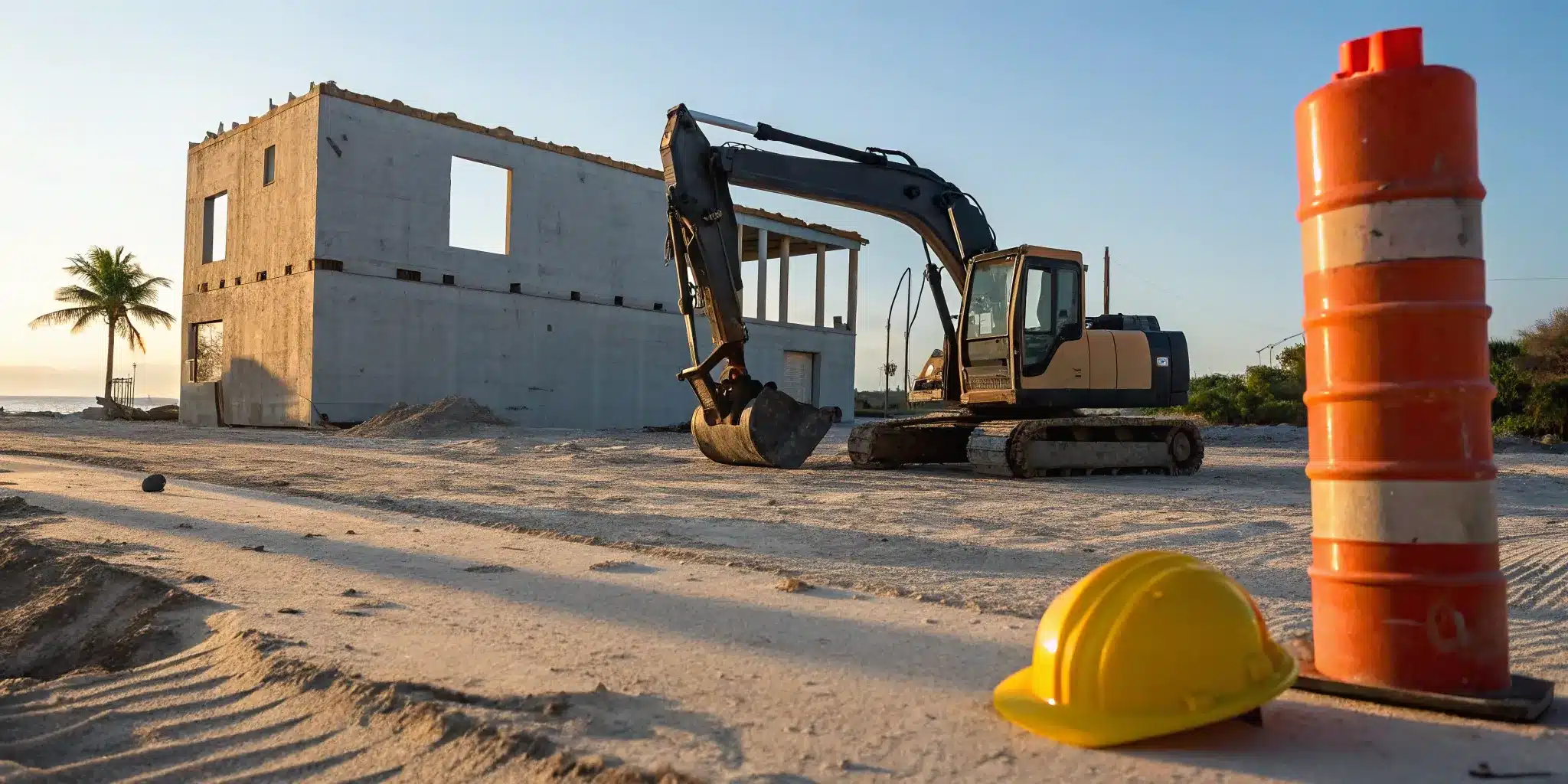
Starting demolition without the right approvals is one of the costliest mistakes you can make. A single missing permit can trigger a stop-work order, bringing your project to a halt and racking up fines. The process can be confusing, with rules that change from Miami to Jacksonville. Even simple errors on your application for demolition permit—like a missed signature or an incorrect site plan—can send you right back to the beginning. This guide is your clear roadmap to getting it right the first time, so you can avoid the common pitfalls and get your approval without the headache.
Key Takeaways
- Prioritize the Permit to Stay Legal and Safe: A demolition permit is a non-negotiable legal requirement that ensures your project complies with local codes and protects your crew and the public. Starting work without one is a surefire way to face stop-work orders and hefty fines.
- Prepare for a Detailed Application and Inspection Process: Getting your permit involves more than just one form; you’ll need complete site plans, proof of ownership, and a plan for debris. Be ready for multiple on-site inspections, from pre-demolition safety checks to final site clearance.
- Avoid Common Pitfalls to Keep Your Project on Track: Simple errors like incomplete paperwork or overlooking specific local regulations are the biggest causes of delays. Consider working with a permit expediter to manage the complexities and ensure your application is correct from the start.
What Is a Demolition Permit and Why Do You Need One?
Thinking about tearing down a structure to make way for something new? Before you swing the first sledgehammer, there’s a critical first step: securing a demolition permit. This official document is your green light from the local building department, confirming that your plans to tear down a building—or even just a part of it—are approved. It’s not just a suggestion; it’s a legal requirement for almost any demolition project, from taking down an old shed in your backyard to clearing a lot for a new commercial building.
Getting a permit ensures your project is on the books and meets all local regulations. It’s the government’s way of making sure demolition is done correctly, protecting both the public and the property owner. The process involves submitting detailed plans, undergoing inspections, and proving that you’ll handle the teardown safely and responsibly. Skipping this step can lead to serious headaches, including stop-work orders, fines, and legal trouble. Think of it as the foundation for a successful and hassle-free demolition.
Is Demolition Your Only Option?
Before you map out a full-scale demolition, it’s worth asking if a complete teardown is truly necessary. An increasingly popular alternative is deconstruction, a more thoughtful and sustainable approach. Instead of reducing a building to a pile of rubble, deconstruction involves carefully dismantling it piece by piece to salvage valuable materials like hardwood flooring, vintage fixtures, and structural lumber. This method not only keeps a massive amount of waste out of landfills but can also provide tax benefits if you donate the salvaged materials. It’s a smart way to reduce your environmental impact while potentially recovering some costs.
Beyond deconstruction, other creative solutions might fit your project better than a traditional wrecking ball. In some situations, it’s possible to relocate an entire structure to a new site, preserving its history and character. For renovations or additions, more precise methods using advanced, remote-controlled machinery can remove specific sections of a building without disturbing the rest. Exploring these alternatives early in the planning process can open up new possibilities for your project and will definitely influence the type of permits you’ll ultimately need to secure.
Keep Your Project Legal and Compliant
First and foremost, a demolition permit keeps your project legal. Every city and county in Florida has specific rules about how structures can be torn down, and the permit is your proof that you’re following them. It shows you’ve done your due diligence and have a plan that complies with local building codes, zoning ordinances, and public safety standards.
Attempting to demolish a structure without the proper authorization is a risky move. Local authorities can issue a stop-work order immediately, bringing your project to a screeching halt. This is often followed by significant fines that can blow your budget. By securing the right permit expediting services, you ensure every box is checked, preventing costly delays and legal issues down the road. It’s about starting your project on the right foot and maintaining a good relationship with your local building department.
Protect Your Crew, Neighbors, and Property
Beyond the legal requirements, a demolition permit is a crucial part of keeping everyone safe. The application process often requires a pre-demolition inspection to identify potential hazards. This includes checking for dangerous materials like asbestos or lead paint, which require special handling and disposal to protect workers and the surrounding community from exposure. It also ensures you have a solid plan for managing debris and controlling dust.
The permit process also forces you to coordinate with utility companies to safely disconnect gas, water, and electricity before work begins. This simple step prevents dangerous accidents like explosions or flooding. Ultimately, the permit isn’t just bureaucratic red tape; it’s a structured safety check that protects your crew, your neighbors, and your property from harm. If you need help making sure your project meets all safety standards, you can always request a proposal to get expert guidance.
Special Considerations for Certain Buildings
Not all demolition projects are created equal. Depending on the building’s age, location, or historical significance, you might face an extra layer of rules. For example, tearing down a structure in a designated historic district often requires approval from a separate preservation board in addition to the standard building department. The same goes for buildings in coastal zones or environmentally sensitive areas. As the Planning Portal notes, whether you need special permission often depends on “what kind of building it is, how big it is, and where it’s located.” These unique cases require careful research to ensure you’re meeting all local and state requirements, as overlooking a single agency’s approval can stop your project cold.
Understanding Permit Limitations
Here’s a critical point that often trips people up: securing a permit to demolish a building does not automatically grant you permission to build a new one. Think of them as two completely separate processes. The demolition permit closes one chapter, while a building permit for new construction starts another. Your plans for what comes next will be scrutinized under a different set of zoning laws, building codes, and land use regulations. This is why it’s so important to have a long-term vision for your property. Getting the green light for demolition is just the first step in a much larger journey of redevelopment.
Common Demolition Methods
Once you have a handle on the permitting process, it’s helpful to understand how the actual demolition will happen. The method your contractor chooses will depend heavily on the building’s size, materials, and proximity to other structures. Generally, there are two main approaches to bringing a building down. According to SafetyCulture, the primary techniques are the “Non-explosive method, which uses hand tools and big machines, and Implosive method, which uses explosives to make a building collapse.” Each approach has its own set of safety protocols, equipment needs, and, you guessed it, permitting requirements. The non-explosive method is far more common for residential and small commercial projects, while implosion is a spectacular but rare event reserved for massive structures.
The demolition plan you submit with your permit application will need to detail the chosen method, including how your team will manage safety, dust control, and debris removal. For complex projects, especially those in dense urban areas like Miami or Tampa, the city will want to see a comprehensive strategy that protects public safety and minimizes disruption. This is where having an experienced team to manage your permits can be invaluable, ensuring your plan is thorough and meets the high standards of the local building department. A well-documented plan not only smooths the approval process but also sets the stage for a safe and efficient demolition.
Non-Explosive Demolition
This is the workhorse of the demolition world and the method you’ll see on most job sites. Non-explosive demolition involves the systematic deconstruction of a building using machinery and manual labor. It’s the go-to choice for smaller to medium-sized buildings, like single-family homes or low-rise commercial properties. The process is methodical, often starting from the top down, and uses equipment ranging from hand tools like sledgehammers to heavy machinery like bulldozers, excavators, and the classic wrecking ball. This approach offers a high degree of control, allowing crews to carefully dismantle a structure while minimizing impact on adjacent properties.
Implosive Demolition
Implosive demolition is what most people picture when they think of a dramatic, large-scale teardown. This highly specialized technique uses strategically placed explosives to weaken a building’s primary supports, causing it to collapse in on itself in a controlled manner. It’s the preferred method for very tall structures like skyscrapers, stadiums, or old industrial chimneys where conventional methods would be too slow, dangerous, or impractical. The goal is to have the building fall “straight down into their own space,” which requires incredible precision and engineering. Due to the inherent risks, the permitting and planning process for an implosion is exceptionally rigorous, involving multiple agencies and extensive public safety measures.
Your Demolition Permit Document Checklist
Getting your paperwork in order is the most critical part of the demolition permit process. While the exact requirements can differ slightly from Miami-Dade to Duval County, most Florida building departments ask for a similar set of core documents. Think of your application as a complete package that gives officials a clear picture of what you plan to do, how you’ll do it safely, and that you have the legal right to do it.
Before you start filling out forms, it’s always a smart move to check the website of your local building department or give them a call. They’ll provide a specific checklist for your area. Generally, your documentation will fall into three main categories: the application itself, detailed plans for the site, and proof that you’re authorized to do the work. Getting these documents right the first time is the best way to avoid frustrating delays and keep your project on schedule.
The Essential Forms and Applications
First things first, you’ll need to complete the main demolition permit application from your local municipality. This form is the foundation of your request and asks for key details about the project, property, and the contractors involved. Alongside the main application, you’ll likely need to submit a few supporting documents.
One of the most common requirements is a waste management or debris disposal plan. This document outlines how you will handle the removal of materials from the site, ensuring it’s done in an environmentally responsible way. The goal is to show officials you have a clear plan for every stage of the process. Our team can help you identify and complete all the necessary local government forms to ensure your package is complete.
Drafting Your Site Plans and Surveys
Next, you’ll need to provide a clear and professional site plan. This isn’t just a rough sketch; it’s a detailed drawing that shows the structure slated for demolition, its exact location on the property, property lines, and any adjacent buildings or public utilities. This plan helps the building department understand the scope of the project and assess any potential risks to neighboring properties.
You will also likely need to include a recent plat of survey, which must be signed and sealed by a Florida-registered surveyor. This survey officially verifies your property’s boundaries and is a non-negotiable part of the process. Depending on the project, you may also need to show proof of notifying environmental protection agencies, especially if there are concerns about hazardous materials.
Conducting a Pre-Demolition Building Survey
Before you can draft a solid plan, you need to know exactly what you’re dealing with. A pre-demolition building survey is a thorough inspection that identifies any potential hazards hiding within the structure. This isn’t just a quick walkthrough; it’s a critical safety assessment. The survey focuses on finding dangerous materials like asbestos or lead paint, which require specialized handling and disposal to protect your crew and the surrounding community from exposure. It also assesses the building’s structural stability and identifies the location of all utility lines that need to be disconnected. This report becomes a key part of your permit application, proving you’ve done your homework to ensure a safe demolition.
Creating a Comprehensive Demolition Plan
Your demolition plan is the playbook for the entire project. It details the specific methods you’ll use to bring the structure down, the equipment involved, and a timeline for the work. A major component that officials will look for is a waste management or debris disposal plan. This document outlines how you will handle the removal of all materials from the site, ensuring it’s done in an environmentally responsible way. The goal is to show the building department you have a clear, professional strategy for every stage of the process. Having a detailed plan not only speeds up your permit approval but also helps your project run smoothly, safely, and on schedule. If you need help putting together a plan that meets all local requirements, our team has the statewide expertise to assist.
Showing Proof of Ownership and Insurance
Finally, the city needs to confirm you have the legal authority to tear down the building. To do this, you’ll have to provide proof of ownership, which is typically a copy of the property deed or a recent title report. This is a straightforward but essential step to prevent unauthorized demolition.
You’ll also need to show proof of liability insurance for the contractor performing the work. This protects you, the city, and the public in case of an accident during the demolition process. Don’t forget that you’ll need to pay the required permit fees when you submit your application. If gathering all this documentation feels overwhelming, you can always request a proposal to have an expert handle it for you.
How Much Does a Demolition Permit Cost?
Figuring out the cost of a demolition permit isn’t always straightforward because there’s no single, statewide price tag. The final amount you’ll pay depends heavily on your project’s location, size, and complexity. Each city and county in Florida has its own fee schedule, so what you pay in Miami could be very different from the cost in Jacksonville.
The total cost is more than just one line item. It’s a combination of the initial application fee, charges for plan reviews, multiple inspection fees, and other potential administrative costs. Understanding these different components is the first step to creating an accurate budget and avoiding any financial surprises down the road. Let’s break down what you can expect to pay for.
A Look at Standard Permit Fees
The standard permit fee is the base charge from your local building department for processing your application and issuing the permit. Think of it as the starting point. For many smaller projects, this might be a simple flat rate. For example, some municipalities charge a set amount for a residential demolition and a higher fee for a commercial one. For larger or more complex projects, the fee might be calculated based on the estimated value or square footage of the demolition work. You can usually find these fee schedules on your local government’s website, but they can be tricky to decipher. Our team handles these kinds of permit services every day and can quickly clarify the exact base fees for your specific project.
Planning for Additional Inspection Costs
Beyond the initial application fee, you’ll need to budget for additional costs, especially for inspections. Your project will likely require several site visits from a building inspector to ensure everything is being done safely and according to code. These can include a pre-demolition inspection, checks during the process, and a final inspection to confirm the site is clear and safe. Each of these visits often comes with its own fee. Additionally, some departments add on other charges, such as a “technology fee” to cover their digital processing systems or a “plan review fee,” which can be a significant percentage of the permit cost itself. These extra costs can add up, so it’s important to account for them from the very beginning.
What Affects the Final Cost?
Several key factors will determine the final cost of your demolition permit. The size and type of the building are the most obvious—demolishing a small shed is far less expensive than taking down a multi-story commercial structure. Your location within Florida also plays a huge role, as fees vary widely between counties and even neighboring cities. Another major factor is the presence of hazardous materials like asbestos or lead paint, which require special handling, additional permits, and more intensive inspections. To get a clear and accurate picture of what your project will cost, it’s best to get a detailed quote that covers all potential fees. You can request a proposal to get a comprehensive breakdown tailored to your specific demolition needs.
Your Step-by-Step Guide to Applying for a Demolition Permit
Getting your demolition permit doesn’t have to be a headache. By breaking it down into clear, manageable steps, you can approach the process with confidence and keep your project on track. Here’s how to get started.
Step 1: Prepare Your Application Package
Your first task is to assemble a complete application package. This starts with filling out the demolition permit application from your local Florida municipality. You’ll also need to include several supporting documents. These typically include a detailed site plan showing the structure to be demolished, proof of ownership (like a deed), and a plan for how you’ll manage debris removal. Each county has slightly different rules, so it’s smart to check the specific demolition requirements for your project’s location. Making sure every form is filled out correctly and all necessary documents are included from the start is the best way to prevent initial rejections.
Step 2: Submit Your Paperwork
Once your application package is complete and you’ve double-checked everything, it’s time to submit it. Most building departments in Florida now have an online permitting portal where you can upload your documents and pay the fees. This is usually the fastest and most efficient method, as it allows you to track your application’s status in real-time. If you prefer, or if it’s required for certain documents, you can also submit your paperwork in person at the local building department office. Whichever method you choose, keep a copy of everything you submit for your own records. This simple habit can save you a lot of trouble later on.
Step 3: What to Expect During the Review Process
After you submit your application, it enters the review process. A plans examiner from the local building department will review your documents to ensure they meet all state and local codes. The timeline for this can vary significantly, from a few days to several weeks, depending on the complexity of your project and how busy the department is. You can typically check your permit status online through the same portal you used to apply. If the examiner has questions or requires corrections, they will notify you. Responding to these requests promptly is key to keeping the process moving forward without unnecessary delays.
Pre-Demolition Safety Rules You Can’t Ignore
Before the first wall comes down, you have to follow a strict set of safety protocols. These aren’t just suggestions; they are legal requirements designed to protect your crew, the public, and the environment from serious harm. Skipping these steps can lead to dangerous accidents, hefty fines, and major project delays. Think of this phase as the essential groundwork that ensures your demolition project runs smoothly and safely from start to finish.
The main areas of focus are identifying and properly handling hazardous materials, adhering to specific rules for common substances like asbestos and lead paint, and ensuring all utilities are safely disconnected. Each regulation plays a critical role in preventing workplace injuries, avoiding environmental contamination, and keeping your project in good standing with Florida’s regulatory agencies. Taking the time to address these safety measures upfront will save you from significant headaches down the road and demonstrates a commitment to professional, responsible demolition practices. It’s about more than just tearing something down; it’s about doing it the right way.
Recognizing Demolition as a High-Risk Activity
It’s no exaggeration to say that demolition is one of the most hazardous jobs in the construction industry. The risks go far beyond the obvious danger of falling debris. Workers face potential exposure to harmful substances like asbestos and lead, the threat of unexpected structural collapses, and the dangers of working with heavy machinery. This is precisely why local and federal regulations are so stringent. Every rule, from securing the site to managing dust, is designed to manage these risks and prevent accidents. Acknowledging the inherent dangers is the first step toward creating a safe work environment and ensuring your project proceeds without any injuries or incidents.
Following OSHA Guidelines and Ensuring Worker Training
Adhering to the Occupational Safety and Health Administration (OSHA) guidelines is non-negotiable. These federal standards provide a clear framework for keeping workers safe on a demolition site. A critical component of this is comprehensive worker training. Your crew must be educated on the specific hazards of the job, including how to identify and handle dangerous materials. For instance, before any work begins, you must have the site inspected for asbestos. If it’s found, only certified professionals are permitted to manage its removal. Proper training ensures everyone on site understands the risks and knows the correct procedures to follow, which is the best defense against accidents.
Securing the Work Area
Before any demolition begins, you must establish a secure and controlled work area. This involves more than just putting up some caution tape. The site should be completely fenced off to prevent unauthorized entry from the public, and clear warning signs should be posted at all access points. It’s also essential to conduct thorough pre-demolition surveys to identify any hidden dangers. These surveys check for things like the presence of hazardous materials, assess the structural integrity of the building, and locate any underground utilities. Properly securing the site protects not only your workers but also pedestrians and neighboring properties from potential harm.
Removing Non-Structural Items First
A professional demolition project is methodical, not chaotic. The process should always begin with the careful removal of all non-structural components from the interior and exterior of the building. This step, often called “soft stripping,” includes taking out windows, doors, interior walls, insulation, and fixtures before the main structure is touched. This approach makes the demolition of the primary structure safer and more predictable. It also simplifies the process of sorting materials for disposal and recycling, which is often a requirement of the debris management plan you submitted with your permit application. This careful, step-by-step process is especially important when working close to other buildings.
Checking for and Removing Hazardous Materials
Before you begin demolition, you must have the structure thoroughly inspected for hazardous materials. Older buildings, in particular, can contain substances like asbestos, lead-based paint, mercury, and other chemicals that become dangerous when disturbed. A professional environmental assessment is the only way to know for sure what you’re dealing with. If hazardous materials are found, they must be removed and disposed of by certified professionals according to state and federal guidelines. This is not a DIY job. Attempting to handle hazardous waste regulation on your own can expose your team and the community to serious health risks and result in severe legal penalties.
How to Comply with Asbestos and Lead Paint Rules
Asbestos and lead paint are two of the most common hazards found in older structures, and they come with their own specific set of rules. Florida has strict regulations for how these materials are managed. For example, you are required to notify the Florida Department of Environmental Protection (FDEP) before starting any asbestos abatement. The state’s asbestos program outlines the exact procedures for notification, removal, and disposal to prevent harmful fibers from becoming airborne. Similarly, lead paint removal requires specialized containment and disposal methods to avoid contaminating the soil and water. Always verify the specific requirements in your county, as local rules can sometimes be even more stringent.
Disconnecting Utilities and Notifying Neighbors
One of the most critical pre-demolition steps is to ensure all utilities are completely disconnected from the structure. This includes electricity, gas, water, and sewer lines. A live electrical wire or an active gas line can create a catastrophic situation during demolition. You must coordinate with each utility provider to have the services shut off and capped at the source. It’s also the law to call 811 before any digging begins to locate and mark underground utility lines. While you’re at it, it’s a smart move to notify adjacent property owners about the demolition schedule. This simple courtesy can prevent misunderstandings and keep community relations positive throughout your project.
Planning for Debris and Waste Management
Once the structure is down, your job is far from over. A huge part of any demolition project is figuring out what to do with all the leftover materials. This isn’t just about hauling junk to the dump; it’s a regulated process that requires a clear and compliant plan. Your local building department will want to see your strategy for debris and waste management before they even consider approving your permit. This plan demonstrates that you’re committed to a safe and environmentally responsible cleanup.
Failing to plan for waste disposal can lead to more than just a messy site—it can result in fines and project delays. You need to account for everything from concrete and wood to potentially hazardous materials that require special handling. A well-thought-out waste management plan is a non-negotiable part of your demolition application and a key component of a professionally managed project. It shows officials you’ve considered the entire lifecycle of the demolition, from the first swing to the final cleanup.
Meeting Legal Disposal Requirements
Your demolition permit application must include a detailed plan for how you will dispose of all debris. This isn’t just a suggestion; it’s a legal requirement. Florida’s environmental regulations are in place to ensure that waste from demolition sites doesn’t end up polluting local landfills or waterways. Your plan needs to specify the types of materials you expect to generate, where they will be taken, and how they will be transported. This often involves identifying licensed disposal facilities that are equipped to handle construction and demolition (C&D) debris. The state provides resources to help you find approved disposal sites, ensuring you stay compliant.
Sorting Hazardous vs. Non-Hazardous Materials
A critical part of your waste management plan is distinguishing between hazardous and non-hazardous materials. As we covered, a pre-demolition inspection is required to identify substances like asbestos, lead paint, and other chemicals that can be harmful if not handled correctly. These materials cannot be mixed with general demolition debris. They require specialized removal by certified professionals and must be taken to specific facilities designed for hazardous waste. Properly sorting these materials on-site is essential for protecting your crew, the community, and the environment. It’s a step that requires careful planning and is heavily scrutinized by inspectors before and during the demolition process.
What Inspections to Expect During Demolition
Getting a demolition permit isn’t just about submitting the right forms; it’s also about passing a series of on-site inspections. These checks are designed to protect workers, the public, and the environment from potential hazards. Think of them as critical safety milestones that ensure your project proceeds smoothly and responsibly. From identifying hazardous materials before you start to confirming the site is clear when you’re done, each inspection plays a vital role. Knowing what to expect will help you prepare your site and your team, preventing unnecessary delays and ensuring you stay on the right side of regulations.
Passing the Pre-Demolition Safety Check
Before you can even think about swinging a wrecking ball, most municipalities in Florida will require a pre-demolition inspection. The primary goal here is to identify any hazardous materials lurking within the structure. An inspector will look for things like asbestos, lead-based paint, and other substances that could become airborne and dangerous during demolition. This step is non-negotiable. If any hazardous materials are found, they must be professionally removed and disposed of according to state and federal guidelines before your demolition permit is issued. This initial check is your first line of defense against major safety violations and environmental contamination.
Passing the Environmental Compliance Check
Once hazardous materials like asbestos have been identified, you’ll need to follow a strict removal process, and you can bet there will be an inspection to verify it. This check ensures that you’ve hired certified professionals for abatement and that all materials were handled and disposed of correctly. You’ll need to provide documentation and show that you’ve notified the Florida Department of Environmental Protection (FDEP) as required. An inspector will confirm that the site is free of contaminants before giving you the green light to proceed with the main demolition. This isn’t just about ticking a box; it’s about proving your commitment to a safe and environmentally sound project.
Getting the Final Site Clearance
After the structure is down and the debris has been hauled away, you’ll have one last hurdle: the final site clearance inspection. A building official will visit your property to confirm that the demolition is complete and the site is safe, clean, and secure. They will verify that the lot has been graded correctly, all debris has been removed, and any required safety measures, like fencing, are in place. This inspection officially closes out your demolition permit, freeing you up to move on to the next phase of your project. Passing this final check is the last step in a long process, and our team can help you manage all the necessary end-to-end services to get it done right.
Avoid These Common Permit Application Mistakes
Even with the best intentions, it’s easy to make a mistake that brings your demolition project to a screeching halt. The permitting process can be tricky, but knowing the common pitfalls is the best way to avoid them. From simple paperwork errors to bigger oversights, these are the issues that most often trip people up. By planning ahead and paying close attention to detail, you can keep your project on track and avoid unnecessary headaches. Let’s walk through the most frequent mistakes so you can sidestep them entirely.
Submitting an Incomplete Application
One of the most common and frustrating reasons for a permit delay is simply turning in an incomplete application. As one expert notes, “Submitting an incomplete permit application is a common mistake that can lead to delays or rejections.” This could be anything from a missed signature or an unchecked box to forgetting to include a required survey or site plan. Every blank field and missing document is a red flag for the permitting office, forcing them to send it back to you for corrections. The best way to prevent this is to create a checklist and review every single page of your application before you submit it. Better yet, have a second pair of eyes look it over.
Overlooking Specific Local Rules
Florida is a big state, and demolition rules aren’t the same everywhere. What works in Miami might not fly in Jacksonville. Failing to understand and follow local requirements can lead to significant delays, fines, or even force you to change your demolition plans. Each municipality has its own specific codes, zoning laws, and notification requirements. For example, some cities may have stricter rules about noise control, dust mitigation, or working hours. It’s your responsibility to know the specific regulations for your project’s location. This is where having local expertise becomes invaluable, as it ensures your plans are compliant from the start.
Failing to Communicate with Officials
The back-and-forth with the local building department can feel intimidating, but poor communication can create major roadblocks. As permitting specialists often see, “Inefficient communication with local building officials can lead to misunderstandings and delays in the permit process.” Being unclear, unresponsive, or not providing the information officials ask for can stall your application indefinitely. It’s important to be professional, prompt, and precise in all your interactions. Keep a record of your conversations, ask clarifying questions when you’re unsure about something, and always follow up in writing. Clear communication builds trust and helps officials see you as a responsible partner in the process.
Skipping a Professional Site Assessment
Before you can tear something down, you need to know exactly what you’re dealing with. Skipping a professional site assessment is a critical error that can have serious consequences for safety and your timeline. A thorough evaluation identifies potential hazards like asbestos, lead paint, structural weaknesses, and the location of underground utilities. Overlooking these hazardous materials isn’t just a paperwork problem—it’s a safety risk that can lead to accidents, environmental contamination, and costly work stoppages. Investing in a professional assessment upfront ensures you have a safe, compliant, and realistic demolition plan that won’t get derailed by surprises.
What Happens If You Demolish Without a Permit?
It’s tempting to grab a sledgehammer and get right to work, especially when you’re trying to keep a project moving. You might think skipping the permit process for a demolition will save you time and money, but it almost always does the opposite. Demolition permits aren’t just red tape; they are a critical checkpoint to ensure the work is done safely, legally, and without causing problems for you or your neighbors down the line.
Ignoring this step can turn your straightforward project into a complex and expensive ordeal. Local authorities don’t take unpermitted work lightly, and the consequences can range from frustrating delays to serious financial penalties. Before you start any demolition, it’s essential to understand what’s at stake. The risks of proceeding without the proper approvals are significant and can impact your project’s timeline, budget, and even its legality. Our team provides a full range of permit services to help you avoid these exact headaches and ensure your project starts on the right foot.
The Risk of Steep Fines and Legal Action
One of the most immediate consequences of demolishing without a permit is financial. Florida municipalities can issue a stop-work order the moment they discover unpermitted activity, bringing your entire project to a halt. From there, you can expect hefty fines that quickly add up. Non-compliance can lead to serious legal issues, especially if the demolition causes property damage or, worse, injury. Beyond the initial fines, you may be required to apply for a retroactive permit, which often comes with penalty fees that are double or even triple the standard cost. The city can also place a lien on your property until all fines are paid, creating a major obstacle if you ever plan to sell or refinance.
How It Can Halt Your Project Indefinitely
Skipping the permit process is one of the most common and expensive mistakes a property owner or contractor can make. When a stop-work order is issued, your project is frozen. This isn’t just a few days of delay; you’ll have to go through the entire permit application process from scratch, often with extra scrutiny from the building department. This can stall your project for weeks or even months, disrupting schedules for your entire crew. Worse yet, if the work that was done doesn’t meet local codes, you may be ordered to perform costly rework. This could involve anything from correcting site grading to dealing with improperly handled materials, all at your own expense. To avoid these setbacks, you can request a proposal and let our experts handle the paperwork from the start.
Should You Hire a Permit Expediter?
Getting a demolition permit can feel like a full-time job. Between the complex paperwork and the back-and-forth with local officials, it’s easy for your project timeline to get derailed. This is where a permit expediter comes in. Think of them as your project’s advocate, handling the administrative heavy lifting so you can focus on the actual demolition. They specialize in making the process faster and more efficient, ensuring you can start your project on time and without unnecessary headaches. An expediter’s main goal is to get your permit approved correctly and quickly, saving you from the common pitfalls that can stall a project before it even begins.
Let an Expert Handle the Details
A permit expediter lives and breathes building codes and municipal regulations. They know exactly what forms are needed, what site plans must include, and which specific environmental or safety reports your local Florida jurisdiction requires. This insider knowledge is invaluable. Instead of you spending hours trying to decipher confusing rules, an expediter provides expert guidance to ensure your application is complete and correct the first time. They understand the nuances of the system and can anticipate potential issues before they become problems, making the entire process smoother from start to finish. This level of professional oversight is key to a successful and compliant demolition.
How They Save You Time and Headaches
The biggest benefit of hiring an expediter is the time you’ll save. A single missing signature or an incorrectly formatted document can send your application to the bottom of the pile, leading to weeks or even months of delays. A permit expediter acts as your quality control, meticulously reviewing every piece of paperwork before it’s submitted. They also manage the follow-up, constantly checking on your application’s status and communicating with officials to resolve any questions quickly. This proactive approach keeps your project moving forward and helps you avoid the costly delays that can halt a demolition in its tracks. You can request a proposal to see how we can streamline your specific project.
Related Articles
Frequently Asked Questions
How long does it usually take to get a demolition permit in Florida? The timeline can vary quite a bit depending on your project’s location and complexity. In some municipalities, a straightforward permit might take a few weeks, while a more complex commercial demolition could take a couple of months. The two biggest factors are the local building department’s current workload and the quality of your application. A complete and accurate submission will always move through the system much faster.
Do I really need a permit to tear down something small, like an old shed? In most cases, yes. Nearly every city and county in Florida requires a permit for the demolition of any permanent structure, regardless of its size. This ensures the teardown is done safely, that no utility lines are disturbed, and that the debris is disposed of properly. It’s always best to confirm the specific rules with your local building department before you start any work.
What’s the most common reason a demolition permit application gets delayed? By far, the most frequent cause for delay is incomplete or incorrect paperwork. Something as simple as a missing signature, an unclear site plan, or forgetting to include proof of insurance can stop your application in its tracks. The permitting office will send it back for corrections, and you’ll have to start the review process all over again.
What happens if an inspector finds asbestos during the pre-demolition check? If an inspector identifies asbestos or another hazardous material, all demolition plans must stop immediately. You will be required to hire a state-certified abatement contractor to safely remove and dispose of the material according to very strict environmental regulations. The demolition permit will only be issued after you can provide official documentation that the site is clean and safe to proceed.
Can I apply for the permit myself, or should I hire a professional? You absolutely can manage the permit process on your own, especially if you have the time and patience to learn your local requirements. However, the process can be complex and frustrating. A permit expediter handles all the paperwork, communicates with officials on your behalf, and uses their expertise to avoid common mistakes. It’s a valuable service if your main goal is to get your project started quickly and without any administrative headaches.