

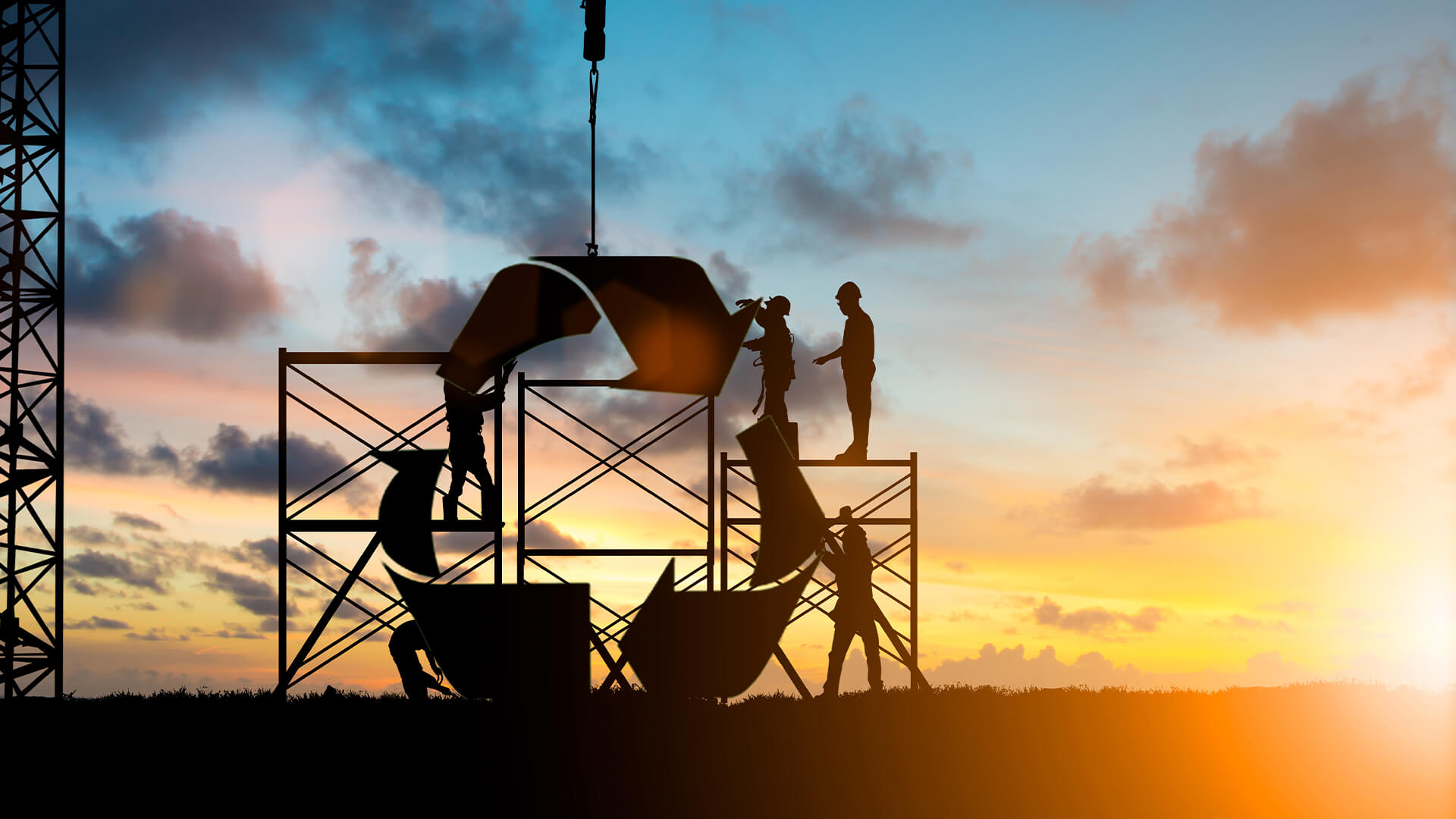
In Florida, a simple permit application can make or break your project. The rules of the game have changed. With sea levels projected to rise and storms growing stronger, local governments are demanding more from builders and developers. A plan that would have sailed through a few years ago might get rejected today for not being durable enough. This isn’t just a headache; it’s a direct hit to your timeline and budget. Mastering Climate Resilient Permitting is no longer optional. It’s the key to protecting your investment and keeping your project on track.
Defining Climate Resilience in Florida Construction
The term “climate resilience” gets thrown around a lot, but what does it actually mean for your construction project here in Florida? It’s more than just a buzzword; it’s a fundamental shift in how we approach building. It means designing and constructing buildings and infrastructure that can not only withstand the immediate impacts of extreme weather but also adapt to long-term environmental changes. This isn’t just about surviving the next storm; it’s about creating communities that can thrive for decades, protecting both our investments and our way of life. This proactive approach is quickly becoming the new standard across the state.
For contractors, developers, and homeowners, this means the game has changed. Your project plans now need to show how you’re addressing these climate realities, impacting everything from your choice of materials and site elevation to your landscaping and water management systems. As a result, the permitting process has become more detailed, with local municipalities looking closely at resilience measures. Understanding these new requirements from the very beginning is key to keeping your project on schedule and on budget, avoiding the kind of setbacks that can derail even the best-laid plans.
What Does “Climate Resilience” Actually Mean?
At its core, climate resilience is the ability to anticipate, prepare for, and respond to the effects of climate change. Think of it as a building’s capacity to absorb the shock of a hurricane or a flood and bounce back quickly. But it goes deeper than that. True resilience isn’t just about recovery; it’s about proactive preparation. It involves a strategic approach that acknowledges the realities of our changing climate—from rising sea levels to more intense heatwaves—and integrates solutions directly into the project’s DNA. This forward-thinking mindset is increasingly critical in Florida, where building codes and regulations are constantly evolving to meet these new environmental demands.
Mitigation and Adaptation: Two Sides of the Same Coin
When we talk about resilience, two key strategies come into play: mitigation and adaptation. According to climate experts, mitigation focuses on reducing the root causes of climate change, like cutting down on greenhouse gas emissions by using clean energy or designing energy-efficient buildings. Adaptation, on the other hand, means adjusting to the climate changes that are already happening or are expected to happen. This could look like elevating a building’s foundation in a flood-prone area or using roofing materials that can withstand higher wind speeds. A truly resilient project doesn’t choose one or the other; it thoughtfully combines both approaches for a comprehensive strategy.
What is Climate-Resilient Construction?
Climate-resilient construction is the practical application of these ideas. It means creating structures that can handle extreme weather events while also being good for the environment. This involves using durable, sustainable materials, incorporating green infrastructure like permeable pavements to manage stormwater, and designing for energy efficiency to reduce the building’s carbon footprint. As Florida’s building codes become more stringent to reflect these priorities, the permitting process can become more complex. Ensuring your plans meet all the latest resilience standards is crucial, and working with experts who understand these specific permitting requirements can help you get your project approved without costly delays or redesigns.
The Three Pillars of a Resilient Project
To build a truly resilient project, you need to think beyond just the physical structure. The concept is supported by three interconnected pillars: environmental, social, and economic. The environmental pillar is what we often think of first—protecting natural resources and reducing climate impact. The social pillar focuses on the well-being of people and the community, ensuring safety and equity. Finally, the economic pillar ensures the project is financially viable and supports sustainable growth over the long term. A project that successfully balances all three is not only better for the planet and its people but is also a more secure and valuable investment.
Environmental, Social, and Economic Foundations
These three pillars form the foundation of a project that can truly thrive in Florida’s unique environment. The environmental aspect might involve using locally sourced pine, preserving coastal mangroves that act as natural storm barriers, or installing a rainwater harvesting system. The social pillar could mean designing public spaces that offer shade and cooling or ensuring new developments don’t displace long-term residents. The economic pillar ensures the building is affordable to maintain and can secure flood insurance, contributing positively to the local economy. When you integrate all three, you create a project that is not only compliant with regulations but is also a genuine asset to the community.
The New Reality: Climate Impacts on Permitting
Permitting offices across Florida are facing mounting pressure to incorporate resilience into the approval process. In Miami-Dade, for example, new stormwater management rules now require developers to plan for heavier rainfall and increased tidal flooding. Similarly, in Broward County, coastal construction permits require elevation studies that account for sea-level rise projections.
Just last year, multiple projects in Fort Lauderdale were delayed because plans failed to meet updated floodplain requirements. Meanwhile, in Tampa Bay, developers had to resubmit permit applications after stormwater retention designs didn’t meet new standards for extreme rain events. These aren’t isolated cases, they’re signs of a statewide shift.
Why This Matters to Builders and Owners
The stakes are high. An overlooked resilience standard could mean months of delays, costly redesigns, or even fines. Imagine breaking ground on a multi-family development only to discover mid-project that the stormwater system no longer complies with updated codes. Or picture a commercial build sitting idle for weeks after inspectors deny approval because elevation plans don’t account for the latest FEMA flood maps.
In short: resilience isn’t optional, it’s a permit requirement.
The Financial Case for Building Stronger
While building to higher resilience standards might seem like a bigger upfront investment, it’s actually one of the smartest financial moves you can make. Think of it less as an expense and more as a down payment on your project’s future. Building resilient infrastructure means making better financial decisions from day one, which protects your assets down the road. When you factor in the rising costs of storm repairs, flood damage, and potential insurance premium hikes, the initial investment in stronger materials and smarter design pays for itself. It’s about shifting from a reactive mindset—fixing things after they break—to a proactive one that saves you money, time, and headaches in the long run.
Long-Term Savings and Investor Appeal
The benefits extend far beyond just surviving the next storm. Stronger, more efficient buildings simply cost less to maintain and operate over their lifespan. This means lower utility bills, fewer surprise repairs, and a more predictable budget for property owners. For developers, the appeal is even greater. Financial markets are changing, and investors are actively seeking out projects that account for climate realities. A resilient development is a lower-risk asset, making it more attractive to lenders and partners who plan for the future. Demonstrating that your project is built to last isn’t just good practice; it’s a powerful selling point that can secure funding and increase property value.
The Shifting Landscape of Building Regulations
Keeping up with evolving building codes can feel like trying to hit a moving target. Just when you think you have a handle on local requirements, a new ordinance is passed or a federal guideline is updated. This constant change isn’t meant to make your life harder; it’s a direct response to Florida’s changing climate. As state and local governments work to protect communities, they’re creating a new regulatory framework that prioritizes resilience. For builders and property owners, this means staying informed is no longer just good practice—it’s essential for getting your project approved without costly delays.
State and Federal Resources You Can Use
You don’t have to figure this all out on your own. Several government resources are available to help you understand and plan for climate-related risks. These tools provide data-driven insights that can inform your designs and strengthen your permit applications. By showing that you’ve done your homework and are using the best available information, you can demonstrate to permitting offices that your project is designed to be durable and safe for the long haul. This proactive approach can make the approval process much smoother and show that you’re a step ahead of the curve.
Tapping into Federal Tools like CMRA
One of the most powerful resources is the federal government’s Climate Mapping for Resilience and Adaptation (CMRA) portal. This tool “integrates information from across the federal government to help people consider their local exposure to climate-related hazards.” Think of it as a one-stop shop for understanding potential risks like flooding, extreme heat, and wildfire on a hyper-local level. You can use the CMRA to assess a property’s specific vulnerabilities and incorporate appropriate resilience measures into your plans from day one, giving you a solid foundation for your permit application.
The Need to Update Outdated Local Codes
Many of Florida’s local building codes were written for a climate that no longer exists. As a result, municipalities are scrambling to update their regulations to reflect new realities. As one source notes, “Permitting offices across Florida are facing mounting pressure to incorporate resilience into the approval process.” We’re seeing this in places like Miami-Dade, where new stormwater rules now require developers to account for heavier rainfall. These updates are critical for community safety, but they also create a complex web of requirements that can vary significantly from one county to the next.
Practical Strategies for Building a Resilient Future
Adapting to these new standards isn’t just about compliance; it’s about building better, smarter, and stronger. Resilient construction is an investment that pays off in the long run by reducing repair costs, lowering insurance premiums, and protecting property values. It involves a shift in mindset—from building to simply meet code to building to withstand future challenges. By embracing innovative land use strategies, working with natural systems, and using durable construction techniques, you can create projects that are not only permittable today but also valuable for decades to come.
Beyond the Flood Zone: Smart Land Use Strategies
True resilience starts before you even break ground. It begins with how we decide to use land. According to the Metropolitan Area Planning Council, “Land use rules are a strong way for communities to become more ready for climate change.” This means thinking critically about where and how we build. Strategies like preserving open space to absorb stormwater, discouraging development in high-risk coastal areas, and promoting denser construction in safer, inland locations are all part of this approach. By aligning your project with these smart land use principles, you’re not just building a structure; you’re contributing to a more resilient community.
Working with Nature, Not Against It
The most effective resilience strategies often mimic nature’s own defenses. As one expert explains, “Climate-resilient construction means building structures that can handle extreme weather… It also focuses on being good for the environment.” Instead of conventional gray infrastructure like concrete seawalls and drainage pipes, consider incorporating green infrastructure. This includes things like permeable pavements that allow rainwater to soak into the ground, green roofs that absorb heat and manage runoff, and living shorelines that use native plants to prevent erosion. These solutions are often more effective, less expensive, and more beautiful than their traditional counterparts.
Construction Techniques That Stand the Test of Time
The materials and methods you use are the final piece of the resilience puzzle. This goes beyond basic code requirements to include features specifically designed for durability in Florida’s climate. Think elevated foundations to protect against storm surge, impact-resistant windows and doors that can withstand hurricane-force winds, and fortified roofing systems that prevent water intrusion. Using sustainable materials with a lower carbon footprint also contributes to long-term resilience. Building this way ensures your project can endure extreme weather, protecting both the structure and the people inside it.
Navigating the Hurdles of Resilient Construction
While the goal of building a more resilient Florida is clear, the path to get there can be filled with obstacles. From inconsistent regulations across different municipalities to the upfront costs of using advanced materials, builders and developers face real challenges. The key is to anticipate these hurdles and prepare for them. Understanding the common pitfalls and having a solid plan to address them can be the difference between a project that sails through permitting and one that gets stuck in bureaucratic limbo for months.
Common Challenges and How to Prepare for Them
One of the biggest frustrations is the patchwork of local regulations. As research points out, “Local rules about how land is used (like zoning) often don’t help protect against climate hazards.” A project that’s compliant in one county might be rejected in another. This inconsistency creates uncertainty and risk. Furthermore, the stakes are incredibly high, as an overlooked standard could lead to “months of delays, costly redesigns, or even fines.” This is where having an expert on your side can be invaluable. At All Florida Permits, we handle the complexities of local codes across the state, ensuring your plans meet the specific requirements of your jurisdiction from the start.
Ensuring Fairness and Equity in Resilience Efforts
As we strengthen our building standards, it’s crucial to ensure that safety isn’t a luxury. Resilience efforts must be fair and equitable, protecting all communities, not just the wealthiest ones. This means finding ways to make resilient construction affordable and accessible for everyone, from single-family homeowners to developers of affordable housing. It involves community-wide conversations about who bears the costs and who benefits from these improvements. By prioritizing equity, we can build a Florida where everyone, regardless of their zip code, is better protected from the impacts of a changing climate.
How All Florida Permits Can Help You Stay Ahead
At All Florida Permits, we help contractors, developers, and property owners navigate this evolving regulatory landscape with confidence. Our expertise ensures your project is not only compliant but also protected against the costly disruptions climate-driven rules can create.
We provide hands-on support with:
- Floodplain & FEMA compliance – Ensuring your designs meet elevation and floodproofing standards.
- Stormwater management approvals – Coordinating drainage, retention, and green infrastructure requirements.
- Resilience reports – Preparing the documentation cities now demand for coastal and flood-prone areas.
- Inspection scheduling & resubmissions – Keeping your project moving when storms or delays hit.
For example, we recently assisted a developer in Miami Beach whose project was stalled after new resilience requirements were announced mid-review. By coordinating directly with city officials, revising documentation, and resubmitting permits quickly, we got the project back on track without long-term delays.
Building for the Future
Florida’s permitting environment will only grow more complex as resilience standards tighten. But with preparation, these changes don’t have to derail your timeline. By partnering with experts who understand both the technical side of construction and the regulatory side of permitting, you can turn compliance into a competitive advantage.
At All Florida Permits, our mission is simple: to keep your projects moving, no matter how the climate and the rules change.
Ready to Future-Proof Your Projects?
Don’t let climate resilience requirements slow your work or stall your permits. Visit All Florida Permits or call us today at 786.883.1883 to learn how we can help you secure approvals, reschedule inspections, and stay compliant in Florida’s changing climate.
Frequently Asked Questions
My project already meets the current Florida Building Code. Isn’t that enough? Meeting the current code is the absolute minimum, but it often isn’t enough to guarantee a smooth permitting process anymore. Many local municipalities are now adding their own, stricter resilience requirements on top of the state code to address specific risks like local flooding or storm surge. Think of the state code as the starting line, not the finish line. A truly resilient project is designed to handle future conditions, which is what city and county reviewers are increasingly looking for.
Will building for climate resilience significantly increase my project costs? It’s true that using stronger materials or elevating a foundation can mean a higher upfront cost. However, it’s better to view it as a long-term investment that protects your asset. The cost of one major repair after a storm can easily wipe out any initial savings. Resilient buildings also have lower operational costs, better insurance rates, and higher property values, making them more attractive to investors and buyers who are planning for the future.
How can I find out the specific climate resilience requirements for my project’s location? This is one of the biggest challenges because the rules can change dramatically from one county to the next, and sometimes even between neighboring cities. There isn’t one central place to find everything. Your best approach is to go directly to the local building department’s website or office. Because these regulations are constantly being updated, working with a permit specialist who deals with these different jurisdictions every day is the most reliable way to ensure your plans are based on the most current information.
Does this apply to smaller residential projects, or is it just for large commercial developments? These new standards apply to projects of all sizes. While a large commercial development will face more complex stormwater and elevation reviews, a homeowner planning an addition or a new build is also expected to meet updated floodplain maps and wind-load requirements. The goal is to make the entire community safer, which means every structure, big or small, plays a part.
What’s the biggest mistake people make when trying to permit a climate-resilient project? The most common mistake is underestimating the complexity and assuming that a good design is all that matters. Many builders and owners get bogged down by the specific documentation and paperwork that local governments now require to prove resilience. They might have a great plan but fail to submit the correct reports or studies, leading to long delays. Getting the paperwork right is just as important as the construction itself.
Key Takeaways
- Resilience Is Now a Permit Requirement: In Florida, climate resilience has shifted from a forward-thinking concept to a mandatory part of the permitting process. Your project plans must now actively address factors like rising sea levels and stronger storms to avoid significant delays and budget overruns.
- Think of It as an Investment, Not an Expense: While building to higher resilience standards may require more capital upfront, it’s a smart financial strategy. This approach protects your asset, lowers long-term operational and repair costs, and makes your project more attractive to investors.
- An Expert Partner Simplifies Complex Regulations: Building codes are constantly changing and differ from one city to the next. Working with a permit specialist ensures your project meets the specific, up-to-date requirements for your location, helping you avoid costly redesigns and get approvals faster.