

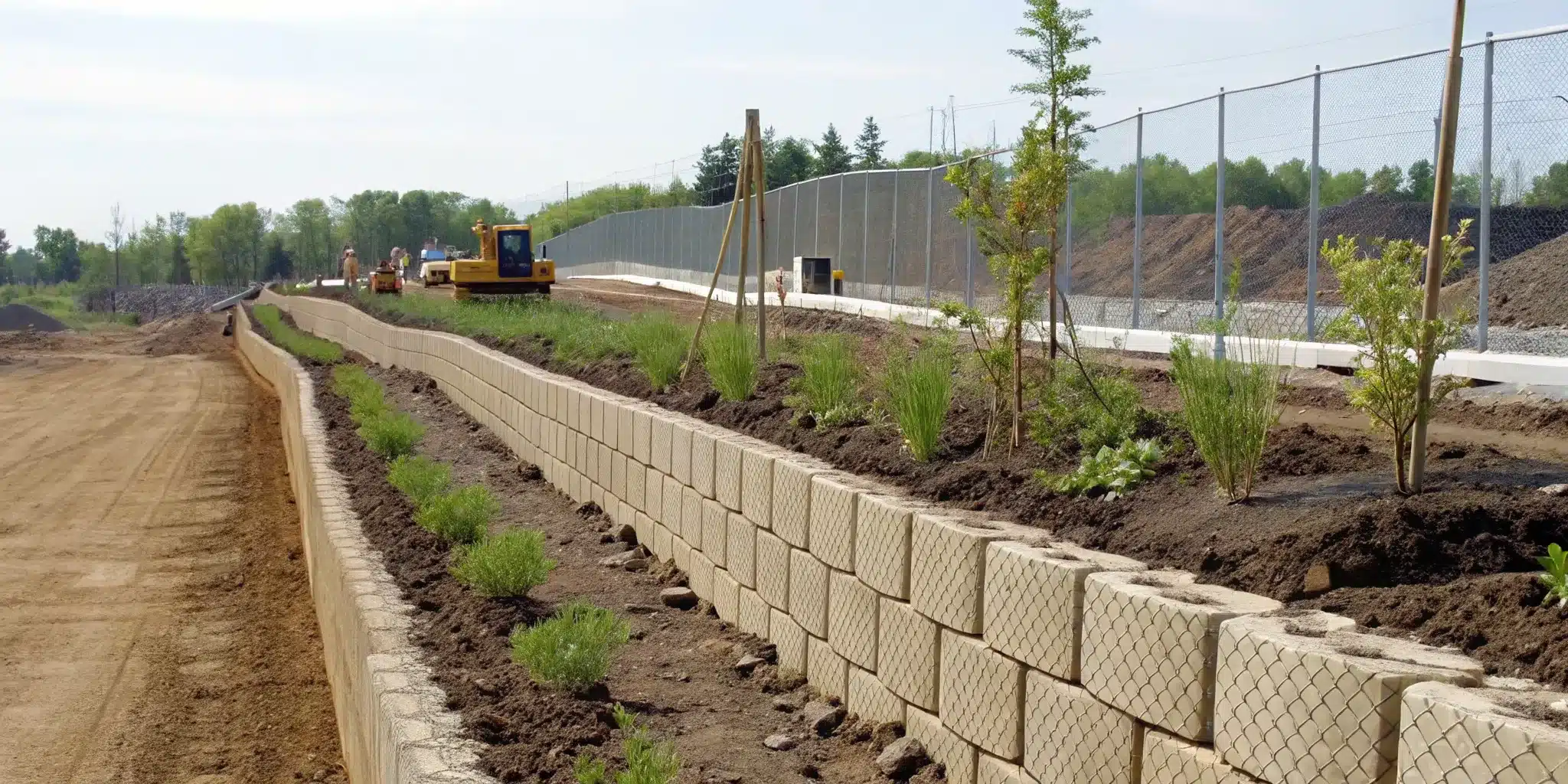
Florida’s weather is no joke. One minute it’s sunny, and the next, a torrential downpour is turning your construction site into a muddy river. All that loose soil, sand, and debris has to go somewhere, and too often, it ends up in our storm drains, lakes, and coastal waters. This is where an erosion control permit comes into play. It’s not just another piece of paperwork to file; it’s your project’s official game plan for managing runoff and keeping your soil on your property. Think of it as a required strategy to prevent pollution, protect Florida’s sensitive ecosystems, and keep your project on the right side of the law.
Key Takeaways
- Identify Your Permit Triggers Early: Your project will likely need an erosion control permit if it disturbs one or more acres of land or is located near a body of water. Determining this requirement at the beginning saves you from costly stop-work orders later.
- A Permit Doesn’t Eliminate Liability: An approved permit confirms your plan meets minimum standards, but it won’t protect you from legal responsibility if runoff damages neighboring properties. Your true protection comes from implementing and maintaining an effective erosion control system.
- Compliance is an Ongoing Process: Your responsibility doesn’t end once the permit is approved. Regular inspections, consistent maintenance of control measures, and proper record-keeping are required to stay compliant and avoid fines throughout your project.
Your Guide to Florida’s Erosion Control Permits
What This Permit Protects
An erosion control permit is your project’s plan for managing soil and sediment during construction. Think of it as a required strategy to prevent dirt, sand, and construction debris from washing away from your site and into Florida’s sensitive waterways. When land is cleared, graded, or excavated, the exposed soil is vulnerable to being carried away by rain. This permit ensures you have measures in place, like silt fences or sediment basins, to keep soil on your property. These rules are part of Florida’s broader effort to manage stormwater discharge from construction sites, which can carry pollutants into our lakes, rivers, and coastal waters. Ultimately, this permit protects water quality for everyone and preserves the natural habitats that make Florida unique.
Why It’s Legally Required
Securing an erosion control permit isn’t just good practice; it’s a legal requirement for many projects in Florida. State and federal regulations, including the Clean Water Act, mandate that construction activities must have controls in place to prevent pollution. Skipping this step can lead to serious consequences. Florida’s environmental laws are clear, and non-compliance can result in steep fines and stop-work orders that bring your entire project to a halt. These regulations create a level playing field, ensuring all developers and contractors are held accountable for protecting the environment. Getting the right permit from the start is the best way to keep your project on schedule, on budget, and in line with the law.
Do You Need an Erosion Control Permit?
Figuring out if you need an erosion control permit can feel like one more hurdle in your project, but it’s a critical step. Not every project requires one, but the rules are quite specific, and it’s much better to know upfront than to face stop-work orders later. These permits are designed to prevent soil, sand, and other pollutants from washing off your construction site and into Florida’s beautiful waterways.
So, how do you know if your project falls into this category? It usually comes down to two key factors: the size of your project and its location. Let’s break down the common triggers so you can get a clear idea of where your project stands.
Projects That Trigger the Permit Requirement
Generally, you’ll need an erosion control permit for any construction activity that disturbs one or more acres of land. Think of activities like clearing vegetation, grading the ground, or excavating for a foundation. The goal is to manage the loose soil you create.
Location is the other major factor. If your project is located within a few hundred feet of a body of water, like a lake, river, stream, or wetland, you will almost certainly need a permit, regardless of its size. This is because the risk of runoff directly impacting water quality is much higher. Our team handles these types of specialized permitting services every day and can help you determine exactly what your site requires.
Land Grading and Excavation Rules
Any time you plan to significantly change the landscape through grading or excavation, you should be thinking about erosion control. These activities are the primary reason soil becomes loose and vulnerable to being washed away by Florida’s heavy rains. The rules are especially strict when these earth changes happen near a waterway.
Even if your total property is large, what matters most is the actual area of land you plan to disturb. Florida’s environmental regulations, like the state’s Construction Generic Permit program, focus on the potential for pollution. If you’re moving a lot of dirt, digging trenches, or stockpiling soil, you are responsible for keeping it contained on your site.
Understanding Project Size Thresholds
The one-acre threshold is the most common benchmark for requiring an erosion control permit. To put that in perspective, one acre is just a bit smaller than a football field. If your planned disturbance area meets or exceeds this size, you’ll need to prepare and submit an erosion control plan.
It’s also important to know that smaller projects can sometimes get looped in. If your project is part of a larger development plan, like building a home on a half-acre lot within a new 10-acre subdivision, your work is considered part of the whole. In that case, the entire development needs a permit, and your project must comply with it. If you’re unsure whether your project meets these thresholds, it’s always best to ask for a professional assessment. You can request a proposal to get a clear answer.
How Erosion Control Fits with Other Land Regulations
Getting an erosion control permit isn’t a standalone task. It’s a key piece of a much larger puzzle involving various land and environmental regulations. Think of it as one chapter in your project’s compliance story. Understanding how it connects with other permits and assessments is crucial for keeping your project on track and avoiding unexpected hurdles. These regulations work together to ensure your project is not only built to code but also environmentally responsible from start to finish.
Connecting with Stormwater and NPDES Permits
Erosion control and stormwater management are practically inseparable. This connection is formalized through the National Pollutant Discharge Elimination System (NPDES), which regulates what can be discharged into public waters. A common mistake is thinking a simple silt fence will satisfy the requirements. In reality, your erosion control strategy must follow the detailed stormwater pollution prevention plan developed for your NPDES permit. This plan outlines specific measures to manage erosion and sediment effectively on your construction site, ensuring you’re protecting local waterways.
Working Alongside Local Building Permits
It’s important to know that your local building permit and your erosion control permit serve different functions. Complying with a county erosion control ordinance doesn’t automatically shield you from liability if your project causes damage to a neighboring property. For example, if runoff from your site floods the property next door, you could still face legal issues. This is why having a robust and effective erosion control plan is so important. It goes beyond just checking a box for the county; it’s about protecting your project and mitigating risk. Our end-to-end service can help you create a plan that satisfies regulations and protects your interests.
The Role of Environmental Impact Assessments
Erosion control is a fundamental part of any Environmental Impact Assessment (EIA). An EIA evaluates the potential environmental effects of your project, and your plan to prevent soil loss and protect water quality is a major component. Effective erosion control measures demonstrate that you’re minimizing your project’s footprint on the surrounding ecosystem. This isn’t a “set it and forget it” task. Your plan must include regular inspections and maintenance to ensure your control measures, like silt fences or retention ponds, remain effective throughout the entire construction process.
Does Your Project Qualify for a Permit?
Figuring out if your project needs an erosion control permit can feel a bit like detective work. It’s not just about the type of construction you’re doing; it’s also about where you’re doing it and how big the project is. The rules are in place to protect Florida’s beautiful and delicate ecosystems from the sediment and pollutants that construction can stir up. So, before you break ground, it’s crucial to determine if your project crosses the threshold that requires a permit.
The answer usually comes down to a few key factors: the size of your site, how much land you plan to disturb, and the environmental sensitivity of the surrounding area. A small residential landscaping project might not need a permit, but a larger development, a project near a wetland, or significant land grading almost certainly will. Getting this right from the start saves you from potential fines, stop-work orders, and environmental damage down the line. Think of it as the first step in a successful, compliant, and responsible construction project. We can help you sort through the specifics and ensure all your permitting needs are covered, so you can focus on the build itself without worrying about compliance headaches.
Defining Your Project’s Scope and Site
The first question to ask is: how much earth are you moving? In Florida, a permit is often required for any activity that disturbs one or more acres of land. This includes clearing, grading, and excavation. However, the threshold can be even lower if your project is near a body of water. A general rule of thumb is that if your work is within a few hundred feet of a lake, river, stream, or wetland, you’ll likely need a permit regardless of the project’s size. Carefully map out your project’s footprint and its relationship to nearby water sources to get a clear picture of your requirements.
Assessing Environmental Sensitivity
Florida’s environment is unique, and certain areas have extra layers of protection. If your project is located in or near an environmentally sensitive area, the rules for erosion control become much stricter. These areas include coastal zones, wetlands, conservation lands, and habitats for protected wildlife. Any disturbance in these locations, even a small one, will probably trigger the need for a permit. The goal is to prevent any harm to these fragile ecosystems. You can find more information on protected areas through the Florida Department of Environmental Protection, which oversees the state’s natural resources and sets many of these guidelines.
Understanding Alternative Assessment Rules
Here’s something many people don’t realize: having an erosion control permit doesn’t automatically shield you from all liability. The permit is your license to proceed with a state-approved plan, but you are still responsible for any damage your project causes. If sediment from your site pollutes a nearby stream or damages a neighbor’s property, you could still be held legally and financially responsible. Think of the permit as proof that you have a solid plan, not as an insurance policy. Following that plan and adapting it as needed is key to protecting both the environment and your business. Getting expert guidance can help you create a plan that minimizes these risks from the start.
How to Apply for an Erosion Control Permit
The permit application process can feel like a maze of paperwork and technical details, but it’s entirely manageable when you break it down into clear steps. Think of it as telling the story of your project: what you plan to do, where you’ll do it, and how you’ll protect the surrounding environment. Each document and plan you submit is a chapter in that story, helping regulators understand your vision and ensure it aligns with Florida’s environmental standards. Getting these details right from the start is the key to a smooth approval process.
Gather Your Required Documents
Before you can submit your application, you’ll need to pull together a specific set of documents. This packet is your formal introduction to the permitting agency. While requirements can vary slightly by county, you can generally expect to need a completed application form, a map showing your project’s exact location, current photos of the site, and detailed project drawings. These drawings should include both a top-down (plan) view and a side (profile) view to give a complete picture of the proposed changes. Each piece of paper plays a role in demonstrating that you’ve thought through your project’s impact. The Florida Department of Environmental Protection provides a list of Environmental Resource Permit (ERP) forms that can help you get started.
Develop Your Site and Erosion Control Plans
This is the heart of your application. Your erosion control plan is a detailed strategy outlining exactly how you’ll manage soil and sediment on your property. For any project that disturbs one or more acres of land or is within 500 feet of a body of water, a formal Soil Erosion and Sedimentation Control (SESC) plan is typically required. This plan isn’t just a sketch; it identifies potential erosion hotspots and specifies the control measures you’ll use, like silt fences or sediment basins. It’s a proactive plan that shows you’re committed to preventing runoff and protecting Florida’s waterways. Developing a thorough plan is crucial for both compliance and the success of your project.
What to Expect During the Review Process
Once you submit your application, it goes to a team of reviewers who will check it for completeness and compliance. They’ll assess whether your project is necessary and if you’ve considered less impactful alternatives. Their main goal is to ensure your planned activities won’t cause new erosion problems on your site or for your neighbors. It’s common for reviewers to have questions or request additional information, so don’t be discouraged if they reach out. This is a normal part of the permit application process. Responding promptly and clearly will help keep your project moving forward without unnecessary delays.
Working with Multiple Government Agencies
In Florida, your project might fall under the jurisdiction of several different agencies. You could be dealing with your local city or county building department, a regional water management district, and the state’s Department of Environmental Protection all at once. Each may have its own set of rules and requirements for erosion control. The first step is usually to contact your local building or zoning department to understand their specific process. Coordinating between these different offices can be one of the most challenging parts of permitting, which is why many builders and developers rely on our end-to-end services to handle the communication and ensure all requirements are met.
What to Include in Your Erosion Control Plan
Your erosion control plan is the heart of your permit application. It’s a detailed strategy showing regulators you have a solid game plan for managing soil and water on your site. A strong plan isn’t just about checking a box; it’s about preventing costly environmental issues and project delays. It should clearly outline the specific measures you’ll take before, during, and after construction. Think of it as your project’s playbook for protecting the land and nearby waterways. A well-developed plan demonstrates foresight, making the review process much smoother.
Best Practices for Sediment Control
The main goal of sediment control is to keep soil on your property and out of storm drains and local water bodies. Your plan should detail the specific Best Management Practices (BMPs) you’ll use. This starts with a thoughtful site assessment to identify potential problem areas. From there, you can specify measures like installing silt fences, fiber rolls, or sediment basins to trap loose soil. Effective erosion control strategies also require efficient runoff management and consistent inspection. Our permit expediting services can help you outline these practices clearly in your application to meet local requirements.
Designing Your Stormwater Management System
Managing stormwater is about controlling the flow of rainwater across your site to prevent it from carrying away soil. Your plan needs a clear design for a system that can handle Florida’s heavy rainfall. This might include creating grass-lined swales, installing culverts, or building retention ponds. It’s important to remember that simply meeting the minimum requirements of a local ordinance may not be enough. Compliance doesn’t always protect you from liability if runoff from your property damages a neighboring site. Designing a robust system is a smart investment that protects both the environment and your bottom line.
Using Vegetation to Stabilize Your Site
Plants are one of the most effective and natural tools for long-term erosion control. Your plan should include a strategy for using vegetation to stabilize the soil. In many cases, the best approach is a combination of vegetation and engineered products. For immediate stabilization, you might use hydroseeding with fast-growing grasses. For a permanent solution, your plan could specify planting native trees and shrubs whose root systems will anchor the soil for years to come. This “green” infrastructure not only prevents erosion but also helps restore the site’s natural landscape once construction is complete.
Common Myths About Erosion Control Permits
When it comes to erosion control, what you don’t know can hurt you. Misconceptions about the permitting process are common, and they can lead to fines, project delays, and serious environmental damage. Let’s clear up a few of the most persistent myths so you can approach your project with confidence and keep everything on track.
Myth: Small Projects Are Exempt
It’s easy to assume that erosion control permits are only for massive construction sites, but that’s a dangerous misconception. In Florida, the rules often apply to any project that disturbs the soil, regardless of its size. Even a small-scale landscaping job or a minor grading adjustment can cause significant soil runoff into local waterways if not managed properly. Regulators are concerned with the potential for environmental impact, not just the square footage of your project. Before you break ground, it’s essential to verify the local requirements for your specific scope of work. Our team handles permit applications for projects of all sizes, ensuring you stay compliant from start to finish.
Myth: A Permit Protects You From All Liability
Holding an approved erosion control permit is a critical step, but it isn’t a free pass from all responsibility. The permit confirms that your plan meets the government’s minimum standards for compliance. However, if your erosion control measures fail and cause sediment to damage a neighboring property or a public waterway, you can still be held liable for the damages. Most local ordinances are clear that a permit does not shield you from civil lawsuits. Think of the permit as your license to operate, not an insurance policy. The real protection comes from implementing and maintaining an effective erosion control plan that works as designed.
Myth: Your Control Measures Don’t Need Maintenance
Installing silt fences and sediment basins is just the beginning. Many people believe that once these measures are in place, the job is done. In reality, erosion control systems require regular attention to function correctly. A heavy storm can knock down a fence, a filter sock can get clogged with debris, and retention ponds can fill with sediment. Your permit actually requires you to conduct routine inspections and perform maintenance to keep everything in working order. Neglecting this responsibility can lead to a notice of violation, fines, and even a stop-work order. A good plan always includes a schedule for ongoing upkeep.
Myth: All Erosion Control Products Are the Same
It’s a common mistake to think that any erosion control product will do the job. The truth is that these materials are highly specialized, and choosing the right one depends entirely on your site’s specific conditions. Factors like soil type, the steepness of the slope, and the amount of expected rainfall all influence which solution will be most effective. For example, a simple silt fence might be fine for a flat area, but a steep slope may require a more robust erosion control blanket or a turf reinforcement mat. Using the wrong product is not only a waste of money but can also fail to prevent erosion, putting your project and your permit at risk.
The Risks of Skipping an Erosion Control Permit
Thinking about moving forward without an erosion control permit? It might seem like a way to save time and money upfront, but it’s a gamble that can backfire in a big way. Skipping this crucial step exposes your project to a range of serious risks that can cost you far more in the long run.
From hefty fines that drain your budget to stop-work orders that bring your entire operation to a halt, the consequences of non-compliance are severe. Beyond the immediate financial and logistical headaches, you could also find yourself legally responsible for environmental damage to neighboring properties and local ecosystems. Getting the right permit isn’t just about following the rules; it’s about protecting your investment, your reputation, and the community you’re building in. Let’s break down exactly what’s at stake.
Facing Fines and Legal Penalties
One of the most immediate consequences of ignoring permit requirements is the financial hit. Florida’s state and local agencies have the authority to issue significant fines for unpermitted land-disturbing activities. While the exact amounts vary, it’s not uncommon for a first offense to cost hundreds or even thousands of dollars. For example, some counties have ordinances where initial fines can be as high as $750, with additional fees piling on if the violation isn’t corrected immediately.
These penalties aren’t just a one-time slap on the wrist. They can accumulate daily until you bring your site into compliance. When you compare the relatively small cost of securing a permit with the potential for escalating fines, the choice is clear. Investing in proper permitting services from the start is the smartest way to protect your project’s budget.
Liability for Environmental Damage
Many people assume that if they follow a few basic erosion control measures, they’re in the clear. However, you can be held liable for any damage your project causes, whether you have a permit or not. If sediment-laden runoff from your site pollutes a nearby stream, clogs a municipal storm drain, or damages a neighboring property, you could be responsible for the cleanup costs and any resulting damages.
Operating without a permit makes you an easy target for legal action. Most local ordinances explicitly state that compliance doesn’t shield you from claims if your project harms others. Without an approved erosion control plan, you have little defense. Properly planning and documenting your control measures is your best protection against liability claims that could otherwise jeopardize your entire project.
Dealing with Project Delays and Stop-Work Orders
Nothing stalls a project faster than a stop-work order. If a city or county inspector visits your site and finds that you’re performing an “earth change” without the required permit, they have the authority to shut down all activity immediately. This can happen without warning, leaving your crew idle and your schedule in disarray.
Once a stop-work order is issued, you’ll likely be given a very short window, sometimes just a day or two, to submit a compliant erosion control plan and get it approved. This unexpected delay creates a domino effect, pushing back timelines for subcontractors, inspections, and material deliveries. The financial losses from downtime and rescheduling can quickly dwarf the initial cost of the permit. Securing your permit beforehand ensures your project can move forward without costly interruptions.
How to Stay Compliant After Your Permit Is Approved
Getting your erosion control permit approved is a huge milestone, but the work doesn’t stop there. To keep your project running smoothly and avoid fines or stop-work orders, you need to stay compliant throughout the entire construction process. Think of your permit as a living document. It comes with ongoing responsibilities that protect your site, the surrounding environment, and your bottom line. Staying on top of these requirements is much easier than dealing with the consequences of falling out of compliance. Here’s how you can make sure your project follows the rules from start to finish.
Set Up Regular Site Inspections
Your erosion control measures are only effective if they are working correctly. That’s why regular site inspections are not just a good idea; they’re essential. Plan to walk your site frequently, especially after a heavy rainstorm, to check on your installations. Are your silt fences still standing strong? Is your temporary vegetation covering the soil as intended? Are sediment traps and basins clear of excess buildup? Consistent checks help you catch small issues before they become major violations. As experts in construction management note, regular inspections and timely maintenance are integral to any effective erosion control strategy. Documenting these inspections shows regulators you’re serious about compliance.
Keep Your Team Trained and Your Records Straight
Everyone on your job site, from equipment operators to general laborers, should understand the basics of your erosion control plan. A well-informed team is your first line of defense against accidental compliance breaches. Hold brief meetings to review the locations of protected areas, silt fences, and designated entry/exit points. Alongside training, meticulous record-keeping is your best friend. Keep a dedicated logbook on-site to record inspection dates, findings, maintenance activities, and any repairs made. This documentation provides a clear history of your compliance efforts, which is invaluable if an inspector visits. Having a clear, professional plan from the start makes it easier to manage all your permitting services and keep your team aligned.
Create a Maintenance and Repair Schedule
Don’t wait for something to break before you fix it. A proactive maintenance and repair schedule is key to keeping your erosion control measures in good working order. Your plan should include routine tasks like clearing sediment from behind silt fences, repairing any tears or damage, and reseeding any bare patches of soil that appear. This consistent upkeep ensures your site is always protected and compliant. Remember, erosion control measures require regular inspection and maintenance to remain effective. By scheduling these tasks, you turn compliance into a manageable routine instead of a series of emergencies. It’s a simple step that saves you time, money, and stress down the road.
Know When to Modify or Renew Your Permit
Projects evolve. If your construction plans change significantly, your erosion control permit may need to be updated to reflect the new scope of work. It’s crucial to communicate these changes to the permitting agency to avoid falling out of compliance. Additionally, be aware of your permit’s expiration date. Start the renewal process well in advance to prevent any lapses that could halt your project. Remember that a permit doesn’t shield you from all responsibility. As legal experts point out, compliance with a local ordinance won’t necessarily protect you from liability to another person or property. If you need help handling the details, you can always request a proposal to see how our team can assist.
Related Articles
- Why Hire an Environmental Permit Consultant in Florida?
- Application for Demolition Permit: The Ultimate Guide
Frequently Asked Questions
What’s the difference between an erosion control permit and my general building permit? Think of it this way: your building permit focuses on the safety and integrity of the structure you are building, ensuring it meets all the required codes. An erosion control permit, on the other hand, focuses on how the construction process itself impacts the surrounding land and water. It’s your plan for managing soil, sand, and runoff to prevent pollution while you work.
Do I really need a permit for a small project like landscaping my backyard? It depends less on the type of project and more on its location and the amount of soil you disturb. While a simple garden project likely won’t need a permit, any significant grading or work near a lake, stream, or wetland almost certainly will, regardless of the project’s overall size. The key factor is the potential for soil to wash into Florida’s waterways, so it’s always best to check local regulations if you’re unsure.
What happens if my erosion control measures fail during a big storm? This is a great question because it highlights a key responsibility. If your silt fences or other controls fail, you are responsible for cleaning up any sediment that has left your property and for repairing the measures immediately. Your permit is an approved plan, not an insurance policy against damages. This is why regular maintenance and building a robust system from the start are so important for protecting both the environment and your project from liability.
How long does the permit review process usually take? The timeline can vary quite a bit depending on your local jurisdiction and the complexity of your project. A straightforward application in a less sensitive area might be reviewed in a few weeks. However, a larger project or one located near a protected waterway could take several months as it may require review from multiple agencies. The best approach is to submit your application as early as possible to avoid delays.
Can I apply for this permit myself, or should I hire a professional? You can certainly manage the application process on your own, especially for a very simple project. However, preparing the required technical drawings and erosion control plans can be complex. Professionals who handle permits every day understand the specific requirements of different agencies and can help you avoid common mistakes that lead to rejections or delays, ensuring your application is complete and correct the first time.