

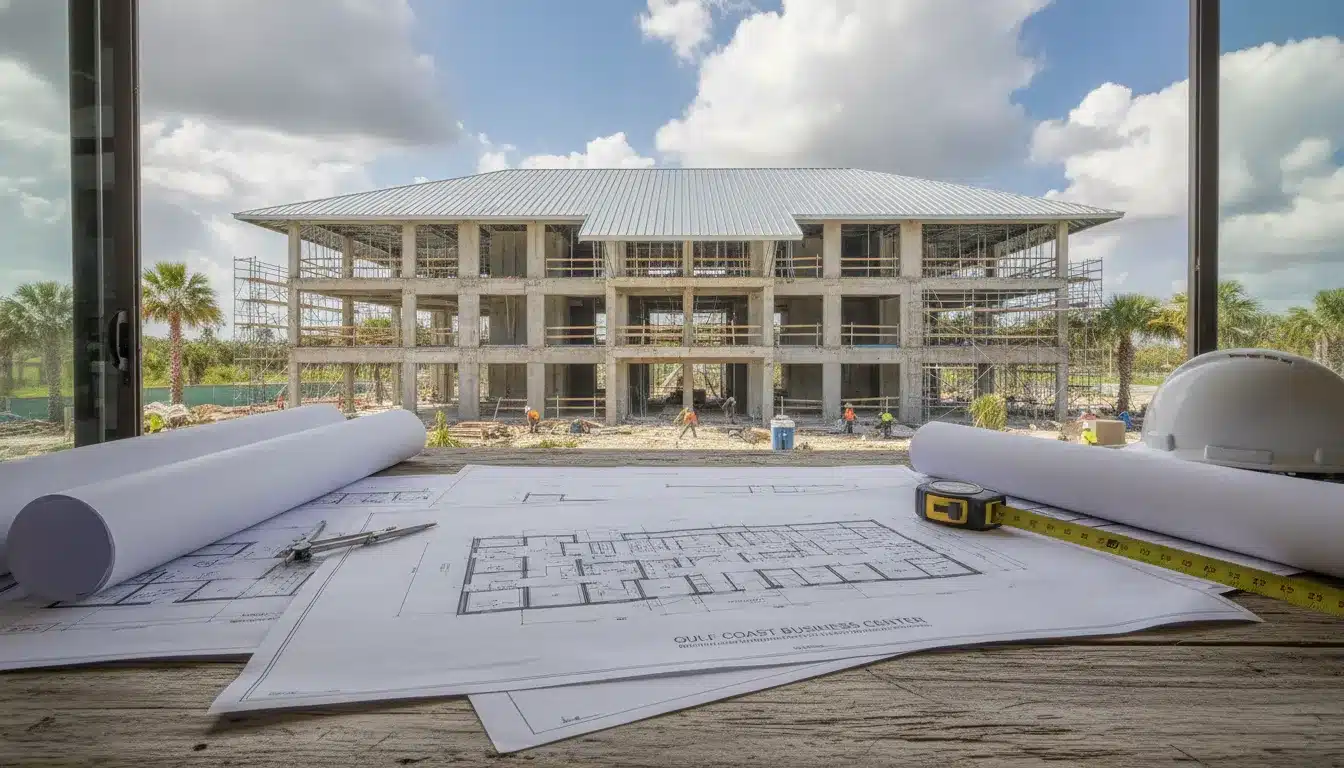
Florida commercial roof permit requirements change based on your city and the size of your project. Missing a single form can delay your work for weeks or lead to heavy fines.
Request a commercial permit expediting proposal from All Florida Permits to schedule a consultation.
Florida commercial roof permit requirements say you need a permit for nearly all repairs or new roof jobs on business buildings. As stated by the Florida Building Commission, these rules keep your property safe from storms. You must give a signed contract, roof plans, and a contractor license to your local building office to get approval. While some towns let you do tiny repairs without a permit, most large jobs must follow state laws. This includes the 25 percent rule, which might force a full new roof if you fix too much of the area in one year. Knowing these rules saves you from big fines. A permit expert can help you find the right forms and get your approval fast.
Knowing the law is the first step toward a safe and legal project. You must know how state rules apply to your roof repair or new roof. We will now address the key rules and legal requirements for commercial roofs in Florida.
Florida Commercial Roof Permit Requirements: Are Permits Mandatory for Florida Commercial Roofing Projects?
In Florida, a permit is almost always needed for any work on a commercial roof. This rule applies to replacing, repairing, or recovering a roof system. Since Florida building codes focus on safety and wind power, state and local laws require that a permit is generally required to ensure every project meets these high standards. This step helps your project stay in line with the latest safety rules.
General permit rules and exceptions
Most commercial roofing work must follow the commercial construction laws in Florida to avoid legal issues. While a permit is a standard rule, some local cities may allow very small repairs without one. For instance, some areas do not require a permit for repairs under 100 square feet if they do not touch trusses or rafters. But you should always check with your local office before starting any work to avoid a mistake.
A licensed contractor is typically the one who gets the permit. They ensure that all materials used meet the standards of the Florida Building Commission. For any project costing more than $5,000, you will likely need to file a Notice of Commencement. This paper is a key part of the building permit approval process and must be filed before work begins.
The 25 percent rule and replacement triggers
Florida uses a specific rule known as the 25 percent rule. Under this law, if more than 25 percent of a roof area is repaired or replaced in one year, the whole roof may need to be replaced. This rule ensures that old roofs are brought up to current code levels. But if your roof was built under the 2007 code or a later version, Florida law now provides an exemption that may save you from a full replacement.
Risks of working without a permit
Skipping the permit process can lead to big problems for a property owner. If an official finds work being done without a permit, they can issue a stop-work order right away. This delay can cost time and money while you wait to fix the issue. You may also face heavy fines and costs for code errors that are hard to clear later.
Beyond legal fines, work without a permit can hurt your insurance. Many firms will not cover damage to a roof that was not properly permitted and checked. It can also make it much harder to sell your building later. Following the Florida commercial permit process is the best way to protect your building and ensure your roof is safe for years to come.
Understanding the Florida Building Code and the 25% Rule
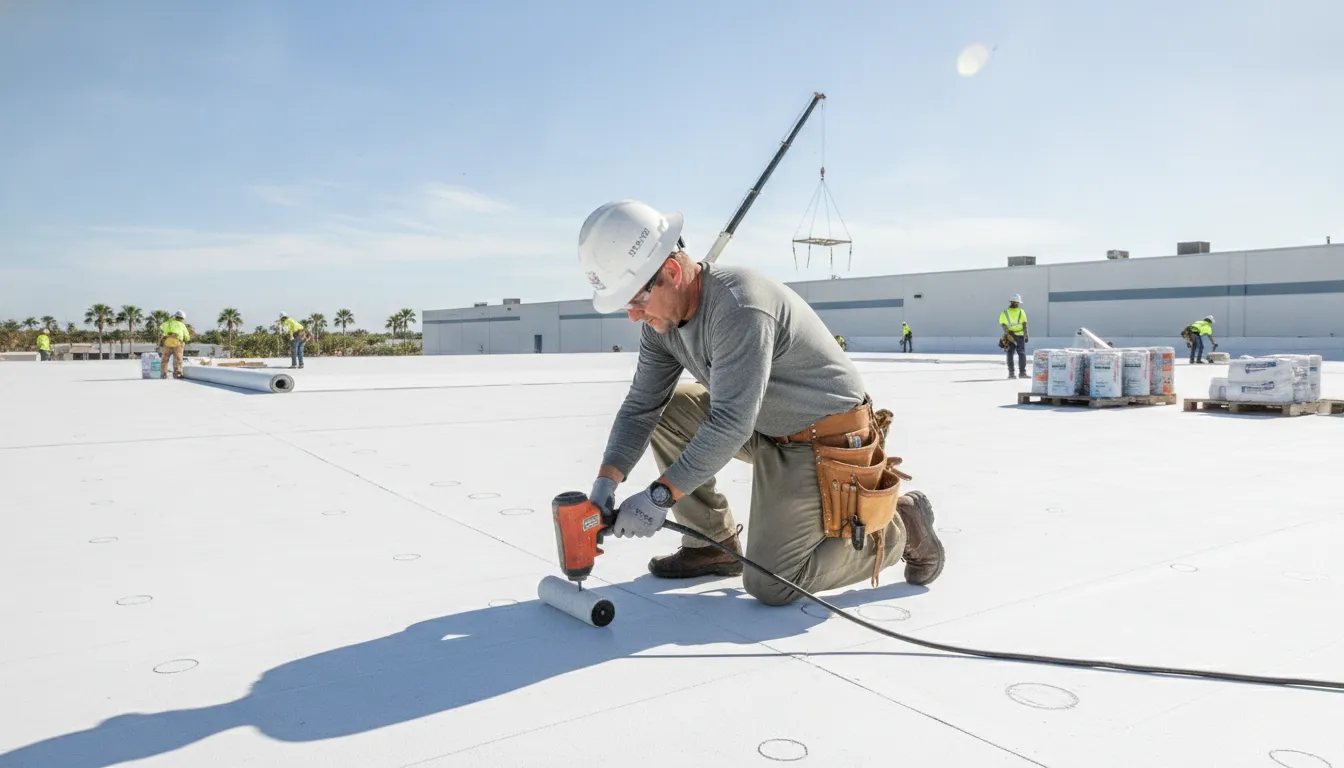
Florida has strict rules for roofing to keep buildings safe during storms. The most known rule is the 25 percent rule. This code says if you fix or replace more than 25 percent of a roof in a year, you must bring the whole roof up to current code. This often means a full roof replacement is needed instead of a small fix. Meeting commercial construction laws in Florida ensures your building stays safe and legal.
How the 25 percent rule works
The 25 percent rule applies to the total area of the roof section. If a storm damages a large part of your roof, you may hit this limit fast. When this happens, local laws force you to replace the entire section to match the latest building standards. This rule helps ensure that older roofs get upgrades to resist high winds. Failing to follow these permit submittal requirements can lead to fines or stop-work orders.
New exemptions from SB-4D
In 2022, Florida passed Senate Bill 4-D to give some relief to property owners. This law added a key exception to the 25 percent rule. If your roof was built under the 2007 Florida Building Code or a newer version, you may not have to replace the whole thing. This change helps owners of newer buildings avoid the cost of a full replacement for minor repairs. According to the Florida Senate, this rule change took effect in May 2022.
| Criteria. | Standard 25% Rule. | SB-4D Exemption. |
|---|---|---|
| Repair Limit. | Up to 25% of roof area. | No limit for newer roofs. |
| Code Version. | Pre-2007 building codes. | 2007 FBC or later editions. |
| Full Replacement. | Needed if over 25%. | Not needed if compliant. |
| Implementation. | Long-standing state law. | Started in May 2022. |
Why the 25 percent mark matters
The 25 percent mark is the trigger for many commercial roof permit requirements. It acts as a line between a minor repair and a big project. For older buildings, staying below this mark is vital to save money. But for many, the safety of a new roof is worth the cost. Navigating these rules requires a clear Florida permit documents checklist to avoid delays. You should work with experts to see if your roof fits any new state exemptions.
Key Document Requirements for a Commercial Roof Permit
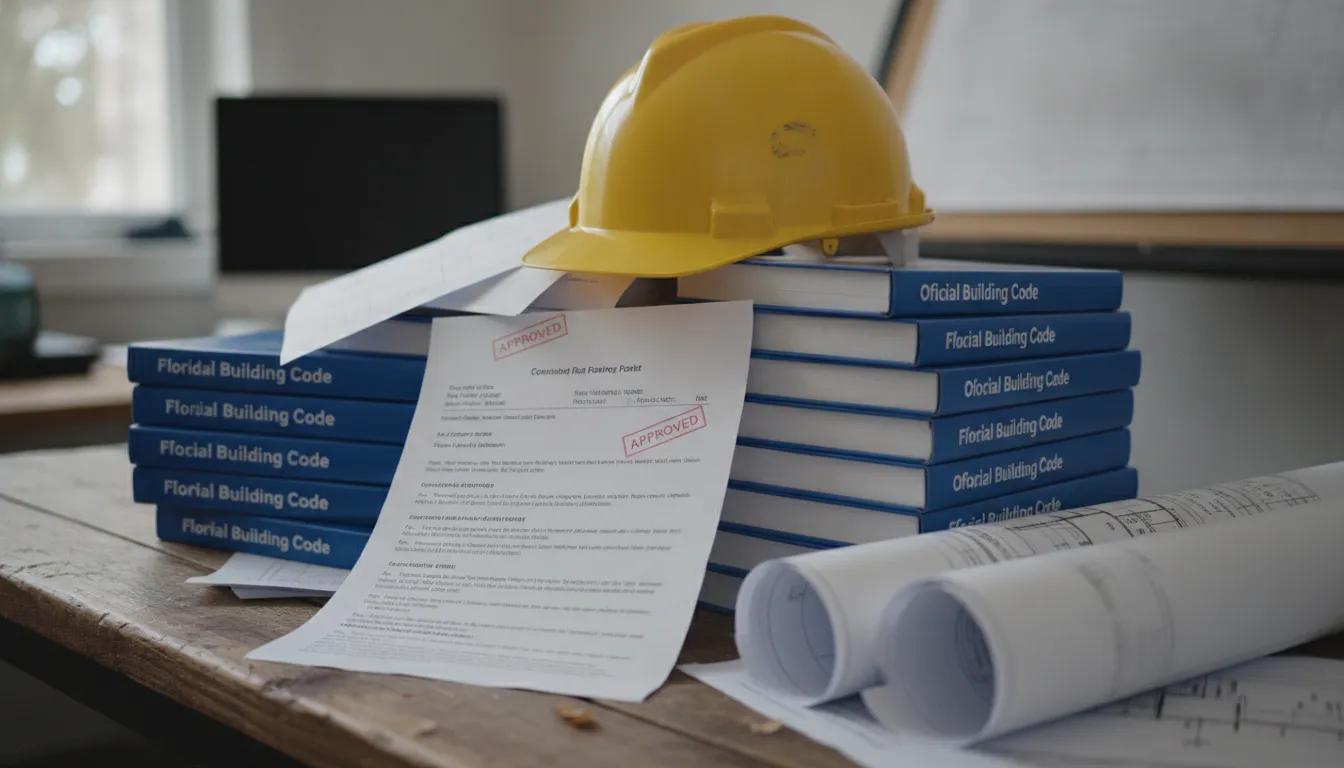
Getting a roofing permit in Florida starts with the right forms. You must show that your team has the skills to do the job. You also need to prove that your parts can stand up to high winds. Missing just one form can cause long delays and high costs for your project.
Proof of License and Legal Forms
In most cases, a licensed roofing builder must pull the permit for your project. This ensures the person in charge knows the Florida building codes and safety rules. You will need to give a copy of the builder’s state license and proof of active coverage. These forms give the city proof that the team is fit to do the work.
If your roofing project costs more than $5,000, you must file a Notice of Commencement. This paper is a key part of the Florida permit documents checklist for business sites. It protects both the owner and the builder by making the project start date clear in public records. You should record this form with the county before any work begins on the roof to stay in line with state laws.
Product Approvals and Material Rules
Florida has strict rules for the parts used on business roofs. Every product must have a Florida Product Approval or a Miami-Dade Notice of Acceptance. These papers show that the tiles or metal panels have passed tough tests for wind and water. They prove the roof can handle the harsh storms that often hit the state.
The state updates these business roofing rules often to keep up with new safety needs. You must give the approval numbers for every major part of the roof system. This includes the top layer, the barrier, and even the nails or glue used to hold them down. Without these numbers, the city or county will likely not approve your permit form.
Wind Load and Site Design
Your permit file must also include technical drawings and math. These forms show how the roof will handle high wind speeds during a storm. If your building is in a high wind zone, the rules are even tighter. You will need signed and sealed papers from an expert to prove your roof meets these high standards for safety.
These plans must also cover how the roof handles water and air flow. You must show the layers that block heat and how air moves to keep the building dry. High quality permit filing rules often include these small details to prevent common mistakes. Giving clear site plans helps the city see what your team plans to build.
Step-by-Step Commercial Roofing Permit Submittal Process
Getting a permit for a commercial roof in Florida is a task that needs your full focus. If you skip a step, you might face long delays or high fines. Knowing the Florida commercial roof permit requirements helps you plan for a smooth start. This work keeps your building safe and ensures your project meets the state’s high standards for storm safety.
Building a Solid File
The first part of the job is to get all your facts. You cannot just use any roof parts. Every item must have proof that it works in our climate. The state building code changes every three years to keep up with new safety needs. You should look at the permit submittal requirements for your specific town. Each area has its own local rules that could change how you prep your files.
Most commercial roofs need a full set of plans. These plans show how the roof will handle wind and water. You must also show how the roof stays cool and dry. In Florida, roof systems must include insulation and ways to let out heat. This prevents moisture from building up and hurting the structure of your building over time.
- Select your parts. Make sure all roof parts have a valid state code. This is a must for any job in a high-wind zone.
- Record a Notice of Commencement. For any roofing job that costs more than $5,000, you must file a Notice of Commencement. It protects the owner and shows the work is legal.
- Check contractor status. Only a licensed roofing pro should pull your permits. This ensures the person doing the work has the right bond and insurance.
- Draft the plan set. Your file needs to show wind loads and drainage. Include a roof plan that marks where all vents and drains will sit.
- Submit to the building office. Turn in your full file with all fees. New 2025 laws mean the city must finish the commercial review in 60 days.
- Watch for comments. The city may ask for more facts. You must answer these quickly to keep the building permit approval process moving forward.
- Secure the hard card. Once the city gives the green light, you get a permit card. This must stay on the job site for all inspectors to see.
Managing the Review and Fees
Once you turn in your file, the clock starts. The 2025 law for 60-day reviews is a big win for builders. But this time limit only works if your file is clean from the start. If the city finds errors, they will stop the clock. This is why a pre-review of your plans is so helpful. It finds the gaps before the city does.
You also need to track your fees. Most cities charge based on the cost of the job or the size of the roof. Pay these costs as soon as you can. A missing fee can hold up your file for weeks. By staying on top of the money and the paperwork, you can get your project done on time. This leads to a better ROI and a safer building for your tenants or customers.
Mandatory Inspection Stages for Florida Commercial Roofs
Florida law requires several check points during a roofing job. These visits make sure the work meets the strict Florida commercial roof permit requirements. Each stage helps the city or county verify that the roof can handle high winds and heavy rain. Missing an inspection can lead to costly delays or even mean you must redo the work.
Stages of a Roof Inspection
Most roofing projects in Florida follow a set path of three main visits. The building department sends a pro to check the work at key steps. You must schedule these visits before moving on to the next part of the job. Following the Florida commercial permit process keeps your project on track and helps avoid fines.
- The first stage is the deck inspection. Once the old roof is gone, the inspector checks the wood or metal deck for rot or damage. They also look at the nail pattern to make sure the deck is firm.
- Next is the in-progress or tin-cap inspection. This happens while the crew installs the underlayment. The inspector checks the fastener spacing and the quality of the seal. This layer is the main shield against leaks.
- The last step is the final inspection. This takes place after the crew finish the top layer. The inspector checks the roof vents, flashing, and overall finish. They make sure the whole system meets state code rules that keep buildings safe.
Fastener Spacing and Technical Rules
One of the most vital parts of a Florida roof is how it stays on the building. Inspectors look closely at fastener spacing during the tin-cap stage. High wind zones need more nails placed closer together to prevent uplift. If the spacing is off by even an inch, the roof might fail under pressure. This is why crews must follow the exact plan approved by the local office.
Product approvals also play a big role in these visits. Every part used, from the nails to the shingles, must have a valid code. Contractors must keep these records on the job site for the inspector to see. Local laws in places like Charlotte County show how strict these rules can be for commercial roofs.
Scheduling and Record Keeping
To avoid a stop-work order, you must call for inspections at the right times. A good contractor will plan these visits weeks in advance. They also keep a log of all work done to show the city. This clear record proves that every layer of the roof was put on the right way. Working with an expert helps you manage these steps without any stress.
Keeping your permit active is also key. If you go too long without an inspection, the city might close the file. This could mean you have to pay new fees or start the whole process over. An expert team can track these dates for you and make sure you never miss a deadline. This keeps the job moving and protects your budget.
Common Reasons Commercial Roof Permits Are Delayed or Rejected
Getting a commercial roof permit in Florida is hard. Small errors can lead to a rejected file. These delays often cause costs to rise and timelines to slip. Knowing the permit submittal requirements is the first step to a fast process. Most rejections happen because of missing data or wrong math.
Errors in wind load and design
Florida has strict rules for wind force. Every roof must meet high standards for wind-borne debris and design pressure. If your drawings show the wrong wind load, the city will send them back. These roofing system plans must also follow the latest state code updates. Missing air vents or insulation facts can also stop the work.
Issues with product approval
All items must have a valid Florida Product Approval number. This proves the parts can handle the state’s harsh weather. Rejections occur when a firm lists parts that do not meet minimum standards for safety. You must make sure every part is on the approved list. An expert review helps you find these slips before you send the form.
Missing documents and data
Many permits stall because of simple gaps. For example, any job over $5,000 needs a Notice of Commencement to be filed. Incomplete firm info or old licenses are also common flags. Using a Florida permit documents checklist helps teams track these items. Expert help can check your file to catch these missing parts early.
Frequently Asked Questions
Are there any exceptions where a permit is not required for roof repairs?
Some local cities and counties allow small repairs to be done without a permit. This often applies to areas less than 100 square feet. However, these repairs must not involve the roof trusses or rafters. Per Charlotte County, you should always check with your local building department first. This helps you find their exact rules before you start any work on your roof.
Who is responsible for obtaining the commercial roof permit?
In most cases, the licensed roofing contractor is the one who must get the permit. They are the ones who make sure the work meets the Florida Building Code. If you hire an expert team, they will handle the forms and paperwork for you. As noted by the City of Miami, this helps make sure that the project is safe and follows all local rules.
What happens if I replace a commercial roof without a permit?
Skipping the permit process can lead to serious problems. You may face heavy fines or a stop-work order from local leaders. It can also make it very hard to sell your building or get insurance. The City of Miami warns that work done without a permit may lead to code issues that stay on your record. Following the law protects your money and makes sure your building stays safe.
Does a commercial roof project need a Notice of Commencement?
A Notice of Commencement is often needed for roof work that costs more than $5,000. This is a legal form that you must sign and record with the county. It protects both the owner and the worker by showing when the project starts. Per Charlotte County, failing to file this form can lead to delays in your final inspections.
Ready to schedule your commercial roof permit consultation?
Waiting to start your permit search often leads to high costs and long wait times that put your entire build at risk. If you miss one small rule in the local building code, the city can stop your work for weeks and charge you large fines. Acting now helps you avoid these blocks so you can stay on track and keep your roof project moving forward without any stress. Our team knows how to handle the paperwork in every county so you can spend your time working at the job site. We help you deal with the city office and get the green light for your roof today so you do not miss your finish date. Let us help you get your permits fast so you do not lose money on delays or have to restart the entire process.
Ready to schedule a free commercial permit expediting consultation? Contact our team to talk to a permit expert.