

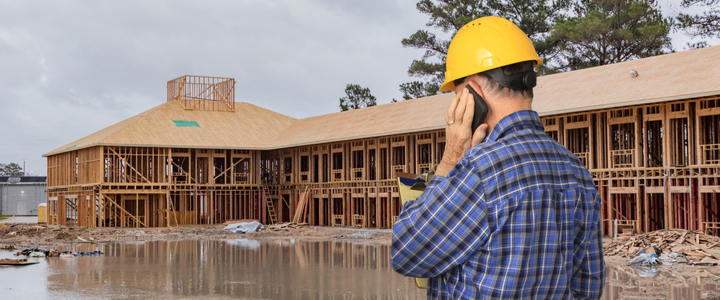
In Florida construction, every single day counts. You have budgets to meet, deadlines to hit, and clients to keep happy. But for six months every year, the Florida hurricane season can bring everything to a grinding halt. The real challenge isn’t always the storm itself, but the administrative chaos that follows. Think canceled inspections, closed permitting offices, and communication blackouts. These delays can stall your progress for weeks. This guide is about fortifying your project’s administrative side to withstand these disruptions and keep your timeline from getting blown off course.
At All Florida Permits, we’ve seen how storms can throw even the most carefully planned projects off course. That’s why we work with clients to anticipate these issues and keep their projects moving, even when the weather doesn’t cooperate.
Understanding Florida’s Hurricane Season
If you live or work in Florida, you know that hurricane season is a fact of life. It’s a period that demands preparation, not just for our homes and families, but for our construction projects as well. The official Atlantic hurricane season runs from June 1st to November 30th each year. During these six months, the threat of tropical storms can cause significant disruptions, especially for anyone trying to get a project off the ground or completed. Building departments often face closures or shift their focus to emergency preparedness, which can lead to unexpected and lengthy delays in permit processing and inspections. Planning your project timeline with these potential interruptions in mind is the first step toward a successful build.
When is the Official Hurricane Season?
While the season officially spans six months, the activity isn’t spread out evenly. The busiest and most dangerous time is typically from mid-August to late October. This is when we see the most frequent and intense storms develop. For contractors and developers, this peak period is critical. A storm threat can shut down a job site for days, and the aftermath can create a massive backlog at local building departments as they deal with damage assessments and emergency repairs. This is often when we see the longest waits for routine inspections and permit approvals, which can stall progress and impact budgets. Getting ahead of this rush by securing your permits early is a strategic move to keep your project on track.
2025 Hurricane Season Forecast
Looking ahead, it’s always wise to be prepared for an active season. Many weather experts have predicted that the 2025 season could be an above-average one. While forecasts are not guarantees, they serve as an important reminder to take preparations seriously. For anyone with a pending or planned construction project, this means acting sooner rather than later. Finalizing plans, submitting permit applications, and scheduling inspections before the peak season hits can make all the difference. By addressing these administrative hurdles early, you can reduce the risk of getting caught in storm-related delays and ensure your project is ready to move forward when the weather is clear.
Defining Hurricane Strength and Dangers
Not all storms are created equal, and understanding the terminology used to describe them is key to grasping the potential risks. In Florida, our building codes are designed to withstand significant weather events, but the level of danger escalates dramatically with a storm’s intensity. A hurricane is officially defined as a strong tropical storm with sustained winds of 74 miles per hour or more. This is the minimum threshold for a Category 1 storm. Knowing the difference between a tropical storm and a major hurricane helps everyone, from homeowners to builders, make informed decisions about safety and structural integrity. It’s why the permitting process is so rigorous—every detail is meant to ensure a building can stand up to nature’s force.
Hurricane Classifications
The most common way to communicate a hurricane’s intensity is through the Saffir-Simpson Hurricane Wind Scale. This scale is a 1 to 5 rating based on a hurricane’s maximum sustained wind speed, and it was developed to give an estimate of the potential property damage. Each category increase represents a significant jump in destructive power. For example, the damage from a Category 3 storm is exponentially greater than that of a Category 1. These classifications are what emergency officials use to issue evacuation orders and what engineers and architects use as a benchmark when designing buildings that comply with Florida’s stringent building codes. Ensuring your project meets these standards is a non-negotiable part of our permitting services.
The Saffir-Simpson Hurricane Wind Scale
The Saffir-Simpson scale provides a clear picture of what to expect from different storm intensities, which is essential for anyone involved in construction to understand as these levels directly influence building requirements and safety protocols. The scale is broken down as follows:
- Category 1: 74–95 mph winds (Some damage)
- Category 2: 96–110 mph winds (Extensive damage)
- Category 3: 111–129 mph winds (Devastating damage)
- Category 4: 130–156 mph winds (Catastrophic damage)
- Category 5: Over 156 mph winds (Catastrophic damage)
Once a storm reaches Category 3 status, it is considered a major hurricane capable of causing devastating damage, which underscores why obtaining the correct permits and passing all inspections is so critical. This isn’t just about paperwork; it’s about getting official confirmation that your structure is built to code and prepared to offer the best possible protection against these powerful forces. Adhering to these standards is the most effective way to safeguard your investment and ensure the safety of those who will use the building for years to come.
The Real Challenges During Hurricane Season
1. Delayed or Canceled Inspections
When storms hit, inspectors are pulled off the field for safety reasons. Offices may also close for days at a time, creating a domino effect of cancellations and reschedules. This leaves contractors scrambling to get back on schedule once operations resume.
2. Permit Processing Slowdowns
Storms often trigger office closures or reduced staffing, slowing down approvals. For projects with tight deadlines, this can mean costly delays in starting or continuing work.
3. Documentation Risks
Power outages, flooded offices, and unexpected shutdowns can make accessing or submitting critical documentation difficult. Missing a required file can result in re-inspections, project hold-ups, or compliance issues.
4. Supply Chain & Labor Disruptions
Beyond inspections, hurricane season can also interrupt material deliveries and workforce availability, adding more pressure to already tight project schedules.
Florida’s Specific Hurricane Risks
It’s a common misconception that some parts of Florida are “safe” from hurricanes, but the reality is quite different. According to the Florida Climate Center, “All parts of Florida’s coastline have been hit by at least one hurricane since 1850.” This statewide vulnerability is the driving force behind Florida’s rigorous building codes and complex permitting requirements. For anyone managing a construction project, understanding these risks is the first step toward building a resilient structure that can withstand severe weather. Properly preparing your project and permit applications for this reality isn’t just about compliance; it’s about protecting your investment and ensuring safety. Our permit expediting services are designed to help you meet these stringent standards without unnecessary delays.
Key Dangers: Storm Surge and Flooding
Two of the most destructive elements of any hurricane are storm surge and flooding. A storm surge is a “wall of water pushed onto the shore,” which can reach staggering heights and cause catastrophic damage to coastal properties and construction sites. But the danger isn’t limited to the coast. As the Florida Climate Center notes, slow-moving storms can produce immense rainfall, “leading to major flooding, even far inland.” For a project in progress, this can mean submerged foundations, ruined materials, and significant erosion. These threats are why local regulations often require specific flood mitigation measures, and ensuring your permits reflect these requirements is absolutely critical to keeping your project on track and up to code.
The Impact of High Winds and Tornadoes
Hurricane-force winds are powerful enough to “damage roofs, trees, and power lines” and can turn unsecured construction materials into dangerous projectiles. Because Florida’s landscape is so flat, these winds don’t lose strength quickly after making landfall, extending their destructive reach far inland. Adding to the danger, hurricanes often spawn tornadoes, which can appear with little warning and move incredibly fast. For contractors and developers, this means that every aspect of a build, from the structural frame to the roof and windows, must be designed and approved to withstand extreme wind loads. Your building plans and permit applications must clearly demonstrate compliance with these life-saving standards.
Potential for Infrastructure Shutdowns
During a hurricane, it’s not just the storm itself that stops a project; it’s the complete shutdown of local infrastructure. You should “expect electricity, water, natural gas, and sewer services to be interrupted,” making work on-site impossible. Furthermore, authorities may close critical access points like bridges when winds reach tropical-storm force, cutting off job sites from workers and material deliveries for days. These logistical nightmares create a ripple effect, causing delays that extend long after the storm has passed. By having a team manage your permits, you can focus on securing your site and adapting your schedule, knowing the administrative side is already being handled. You can request a proposal to see how we can help you plan ahead.
How to Prepare for a Hurricane
Understanding Official Hurricane Alerts
When a storm is brewing, the official language can feel a bit overwhelming. But knowing what the alerts mean is the first step to making smart, timely decisions for your family, your property, and your project. It’s not just about boarding up windows; it’s about understanding the timeline you’re working with. The National Weather Service and local authorities issue specific alerts to give everyone a heads-up. Paying close attention to these updates allows you to shift from planning to action mode effectively. For anyone managing a construction site, this is your cue to secure materials, protect open structures, and communicate a clear plan to your team and clients before conditions get dangerous.
Hurricane Watch vs. Hurricane Warning
So, what’s the real difference between a “watch” and a “warning”? Think of it as a “get ready” versus a “get safe” signal. A Hurricane Watch is issued when hurricane conditions are possible in your area within the next 48 hours. This is your two-day notice to finalize your storm plan. It’s the time to secure your job site, clear loose debris, and make sure all your project documentation is backed up and accessible. A Hurricane Warning is more urgent. It means these hurricane conditions are expected within 36 hours. At this point, all preparations should be complete. Outdoor work must stop, and the focus should shift entirely to personal safety and protecting the property as the storm approaches.
How to Minimize Storm-Related Disruptions
- Plan ahead: If a storm is forecasted, schedule inspections early and secure all required documents in advance.
- Use digital systems: Keep all permits, plans, and inspection notes stored digitally to avoid setbacks if physical offices close.
- Build in flexibility: Expect some downtime in project timelines to reduce the stress of unexpected delays.
- Maintain communication: Stay connected with inspectors and permitting offices, even when operations are limited.
Personal Preparedness: Beyond the Job Site
While protecting your project is critical, your personal safety and that of your family come first. A storm doesn’t care about deadlines, so having a solid plan at home is just as important as securing your construction site. Taking a few key steps can make a huge difference when a hurricane watch is issued, giving you peace of mind and allowing you to handle professional responsibilities more effectively. Here are some essential preparations to make before a storm heads your way.
Know Your Evacuation Zone
One of the first things you need to determine is whether you live in an evacuation zone. If you’re near the coast or in a low-lying area, local officials may issue a mandatory evacuation order to protect you from storm surge, the most dangerous part of a hurricane. You can easily find your evacuation zone online through the Florida Division of Emergency Management. It’s also wise to know your property’s elevation, as this will help you understand your flood risk. Don’t wait until a storm is approaching to look this up; identify your zone now and plan your evacuation routes in advance so you can leave quickly and safely if needed.
Generator Safety Tips
A generator can be a lifesaver during a power outage, but it can also be incredibly dangerous if used incorrectly. The biggest risk is carbon monoxide poisoning, which is colorless, odorless, and deadly. To prevent this, never run a generator inside your home, garage, or any enclosed area. It must be operated outdoors in a well-ventilated space. The rule of thumb is to keep your generator at least 20 feet away from any building, especially windows and doors, to prevent fumes from entering your home. Following these simple but critical generator safety rules will keep your family safe while you power essential appliances.
Creating a Pet Safety Plan
Your pets are family, so they need their own emergency plan. It’s important to remember that most standard emergency shelters do not allow animals. You’ll need to locate designated pet-friendly shelters ahead of time or make arrangements with a friend, family member, or pet-friendly hotel outside the evacuation zone. If you do go to a pet-friendly shelter, you’ll be required to bring supplies. Be prepared with a sturdy crate, enough food and water for several days, a leash, and proof of your pet’s current vaccinations. Having a dedicated pet emergency kit ready to go will make evacuating with your furry friends much smoother.
Travel Considerations and Planning
Hurricane season, which runs from June 1st to November 30th, can complicate travel plans. The statistical peak of the season often falls around the second week of September, a time when storm activity is historically at its highest. If you have travel scheduled during these months—whether it’s for a project, a site visit, or a vacation—it’s smart to be prepared for disruptions. When booking flights, hotels, or rental cars, check the cancellation policies carefully. Opting for refundable or flexible reservations can save you a major headache if a storm forces you to change your plans at the last minute.
Navigating Post-Storm Recovery
Once a storm has passed, the recovery phase begins. This process can feel daunting, but approaching it with a clear plan makes all the difference. The focus shifts to assessing damage, clearing debris, and starting the rebuilding process safely and correctly. It’s about more than just cleaning up; it’s about ensuring all repairs are up to code and that you’re using all the resources available to you. Documenting everything is your most powerful tool during this time, as it will be essential for insurance claims and any potential aid applications. A methodical approach will help you restore your property efficiently and protect your investment for the long term.
Managing Debris
After a hurricane, your property will likely be covered in debris, from fallen trees to damaged building materials. The first priority is safety. Before you start clearing anything, check with your local municipality for their specific guidelines on debris separation and curbside placement. Following these rules helps speed up community-wide collection efforts. It’s also critical to take photos of the debris and any related damage *before* you move it. This photographic evidence is invaluable when you file your insurance claim, as it provides a clear picture of the storm’s initial impact on your property.
Dealing with Property Damage and Insurance
Thoroughly documenting property damage is a critical step for a successful insurance claim. Use your phone to take extensive photos and videos of every affected area, capturing details both inside and out. Contact your insurance agent as soon as it’s safe to do so to begin the claims process, and keep a detailed log of every conversation. As you plan for repairs, remember that most structural work requires official approval. Ensuring your project has the right building permits is not just about compliance; it’s often a requirement for your insurance to cover the costs and guarantees the work meets Florida’s stringent safety codes.
Applying for Federal Aid
If the storm leads to a federal disaster declaration for your area, you may be eligible for financial assistance. The Federal Emergency Management Agency (FEMA) provides grants and loans to help homeowners with expenses not covered by insurance, such as temporary housing or critical home repairs. It is essential to apply for assistance as soon as possible, as strict deadlines are often in place. Be prepared to provide documentation of the damage and keep all receipts for any storm-related expenses. This aid can provide crucial support to help you and your family get back on your feet.
How We Help at All Florida Permits
We know hurricane season doesn’t stop construction needs, it only makes them more complex. At All Florida Permits, we support contractors, developers, and property owners by:
- Expediting Permits Before Storms: We help you secure approvals ahead of expected slowdowns, ensuring your project isn’t stalled in a backlog.
- Inspection Rescheduling Assistance: If your inspection is canceled or delayed due to weather, we coordinate with agencies to rebook quickly and keep you updated in real-time.
- Compliance Support: We ensure all documentation is in order so you avoid re-inspections and costly compliance issues once offices reopen.
- Project Continuity: While others wait for offices to catch up, we track your permits, communicate with officials, and keep your project moving as smoothly as possible.
Staying Ahead of the Storm
Hurricane season is unpredictable, but that doesn’t mean your project has to be. With the right preparation and the right partner, you can navigate delays and disruptions without losing momentum.
At All Florida Permits, we don’t just manage paperwork, we help you plan for the unexpected. By anticipating inspection and permitting challenges before they become problems, we make sure your projects stay on track, even during the toughest months of the year.
Ready to keep your project moving this hurricane season? Visit All Florida Permits or call us today at 786.883.1883 to learn how we can help you secure permits, reschedule inspections, and stay compliant, even when the storms roll in.
Frequently Asked Questions
Why do building departments get so backed up during hurricane season? It’s more than just a few closure days. When a storm hits, the building department’s priorities shift completely. Inspectors are often reassigned from routine project inspections to emergency damage assessments for the entire community. This, combined with office closures and potential power outages, creates a massive backlog. Once they reopen, they’re dealing with their regular workload plus a flood of new repair permits, which can cause delays for weeks.
I’m planning a project during the peak hurricane season. What’s the best way to protect my timeline from storm delays? The most effective strategy is to get ahead of the storm season administratively. Aim to have your permit applications submitted and approved well before the peak months of August through October. If you can schedule your foundational and other critical early-stage inspections before this period, you’ll be in a much better position. This proactive approach gets you ahead in the queue and minimizes the chance of being stuck waiting when the inevitable storm-related slowdowns occur.
A storm is approaching and my inspection was just canceled. What should I do now? First, focus on securing your job site and ensuring everyone is safe. On the administrative side, the key is immediate and persistent follow-up. As soon as the building department reopens, you’ll want to be one of the first to get back on the schedule. This is where having a permit expediter is a huge advantage, as they can manage the rescheduling process for you, freeing you up to handle the on-site logistics of storm prep and recovery.
What happens if my physical permits or plans are damaged or lost in a storm? This is precisely why having a digital-first system is so important. Physical documents are vulnerable to water damage and can easily be lost in the chaos. You should always keep high-quality digital scans of all your approved permits, plans, and inspection records stored securely in the cloud. This ensures that if anything happens to the hard copies, you can access and provide them to officials immediately, preventing a simple setback from turning into a major delay.
Besides securing the job site, what’s the most critical administrative step to take when a hurricane watch is issued? When a watch is announced, your priority should be communication and documentation. Confirm that all your project files are backed up digitally and accessible to your team and any partners. Touch base with your clients to update them on your storm plan and any potential schedule adjustments. A quick, proactive message shows you’re in control and helps manage expectations, which is crucial for maintaining a good working relationship through a stressful event.
Key Takeaways
- Get Ahead of Administrative Delays: The biggest threat to your project timeline isn’t always the storm itself, but the government office closures and inspection backlogs that follow. Submitting permits and scheduling key inspections before the peak season is the best way to avoid getting stuck.
- Broaden Your Preparedness Plan: A solid hurricane strategy goes beyond securing the job site. It must account for the full scope of disruptions, including supply chain breaks, inland flooding risks, and infrastructure shutdowns that can halt progress long after the weather clears.
- Integrate Your Personal and Project Safety: Your professional responsibilities are easier to manage when your personal plan is set. Know your home’s evacuation zone and have a family safety kit ready so you can focus on securing your project with peace of mind when a storm watch is issued.