

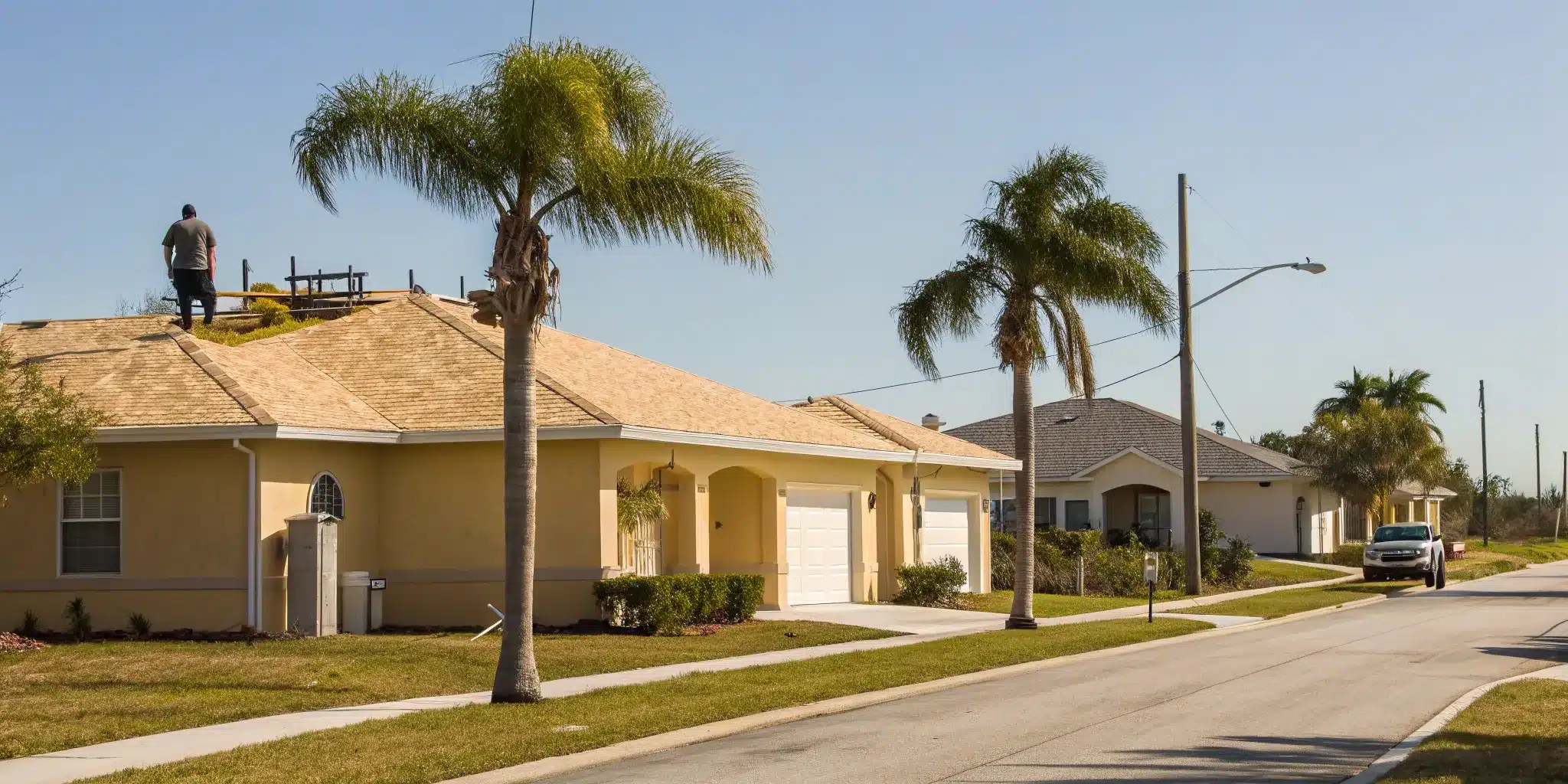
Tempted to see the cost of a roofing permit as just another expense? I get it. But the truth is, it’s one of the smartest investments you can make for your home. A proper roof permit Florida is your key to avoiding much bigger costs down the road—think hefty city fines, expensive rework to meet code, or a denied insurance claim after a storm. It even protects your home’s value when it’s time to sell. This guide breaks down how the permit process actually saves you money and stress, ensuring your roofing project is a sound investment, not a future liability.
Key Takeaways
- A Permit Protects Your Investment: A roofing permit is more than just paperwork; it’s official proof that your project meets Florida’s safety codes. This verification is crucial for preventing shoddy work, ensuring your homeowner’s insurance covers you, and avoiding complications when you sell your property.
- Major Work Requires Official Approval: You absolutely need a permit for full roof replacements, significant structural repairs, and solar panel installations. While small fixes might be exempt, rules vary by city and county, so always confirm local requirements to avoid fines and stop-work orders.
- Streamline the Process to Prevent Delays: The fastest way to get your permit approved is to submit a complete and accurate application from the start. This means hiring a licensed contractor, gathering all necessary documents, and scheduling inspections on time. A permit expediter can manage these details to keep your project on track.
What Is a Roofing Permit and Why Does It Matter?
Think of a roofing permit as an official green light from your local government. It’s a document that authorizes you or your contractor to proceed with work on your roof. Before issuing one, the building department reviews your project plans to ensure they comply with Florida’s specific building codes, safety regulations, and local zoning laws. This isn’t just about bureaucratic red tape; it’s a critical checkpoint designed to protect you, your investment, and your family.
Getting a permit ensures that the work planned for your home meets the required standards for materials, structural integrity, and weather resistance—especially important given Florida’s hurricane season. It’s the official way to verify that your project will be done correctly and safely from the very start. When an inspector signs off on the work, it confirms that your new roof can withstand high winds and heavy rain, which is a non-negotiable in our state. Whether you’re putting on a brand-new roof or undertaking a significant repair, the permit process is your first line of defense against unsafe construction, ensuring the final product is sound, secure, and built to last. It provides peace of mind that your biggest asset is properly protected.
Keeping Your Project Safe and Legal
At its heart, a roofing permit is all about safety. Building codes exist to prevent the kind of structural failures and hazards that can arise from shoddy workmanship. When you get a permit, you’re bringing in an objective third party—a city or county inspector—to verify that the work meets these established safety benchmarks. This oversight is crucial, as it confirms your contractor is using the right materials and techniques. Following the official roofing permit process protects you from fines, legal issues, and major headaches with your insurance company if something goes wrong. It’s a non-negotiable step for keeping your project safe and legally compliant.
Protecting Your Biggest Investment: Your Home
The impact of a roofing permit goes beyond your own property. When you ensure your roof is installed to code, you’re also protecting your neighbors and the wider community. A poorly installed roof can fail during a major storm, sending dangerous debris flying and potentially damaging adjacent properties. By following the rules, you help maintain the safety and integrity of your entire neighborhood. Furthermore, skipping a permit can create significant problems down the line, especially when you try to sell your home. Unpermitted work is a red flag for buyers and can complicate insurance claims. Using professional permit services ensures your project is done right, protecting your investment and your community.
When Do You Need a Roofing Permit in Florida?
Figuring out if your roofing project needs a permit can feel like a puzzle, but it’s a crucial piece you can’t afford to miss. In Florida, permits are all about safety and making sure your roof can handle our unique weather—from intense sun to hurricane-force winds. The rules are there to protect your home, your family, and your investment.
Generally, the bigger the project, the more certain it is that you’ll need a permit. Let’s break down the most common scenarios so you know exactly when it’s time to get the paperwork in order.
For New Roofs and Full Replacements
If you’re planning a complete roof replacement, the answer is simple: you absolutely need a permit. This is considered a major construction project, and your local building department must verify that the new roof meets all current Florida Building Codes. This applies whether you’re replacing old shingles with new ones or switching to a different material like metal or tile. The permit process ensures the installation is done correctly, from the underlayment to the final flashing, giving you a safe and durable shield for your home.
For Major Repairs and Solar Panel Installations
Permits aren’t just for total replacements. You’ll also need one for any major repairs that involve the roof’s structure. Think about work that goes beyond the surface, like fixing or replacing trusses, support beams, or large sections of the roof deck. You also typically need a permit for installing new types of roofing materials over a significant area. If you’re adding solar panels, a permit is required. This is because panels add weight and involve electrical work, both of which need to be reviewed for safety and structural integrity.
The Exception: When a Permit Isn’t Needed
You can breathe a sigh of relief for smaller jobs. You generally don’t need a permit for minor repairs and routine maintenance. This includes tasks like replacing a few missing or damaged shingles, patching a small leak, or repairing a small section of flashing. The key distinction is that these repairs don’t alter the roof’s structure. However, rules can vary slightly between counties and cities. If you’re ever unsure whether your project is “minor,” it’s always best to check. Getting expert guidance on your specific project can save you from potential fines, and our team is always ready to help clarify your permit requirements.
The Owner-Builder Route: Can You Pull Your Own Roofing Permit?
Taking on a home improvement project yourself can be incredibly rewarding, and many homeowners wonder if they can handle the permitting process for their own roof. In Florida, the answer is yes, but it’s a path that comes with significant responsibilities. The “owner-builder” route allows you to act as your own contractor, but it’s crucial to understand exactly what you’re signing up for before you start. This isn’t just about saving money; it’s about taking on legal and financial risks that are normally carried by a licensed professional. Let’s walk through what this process involves so you can make an informed decision.
Understanding Your Rights and Responsibilities as a Homeowner
In Florida, the law allows you to pull a roofing permit for your own home under what’s known as the “owner-builder” exemption. However, this right comes with a major condition: the property must be your primary residence, not a rental or a house you intend to flip. When you sign that permit application as an owner-builder, you are taking on the full legal responsibility for the project. This means you are accountable for ensuring all work complies with the Florida Building Code, scheduling all required inspections, and guaranteeing the final installation is safe and secure. You essentially step into the shoes of a licensed contractor, and the local building department will hold you to the same high standards.
Legal and Insurance Risks of DIY Roofing
While Florida Statute 489.103(7)(a) gives you the legal green light to replace your own roof, it doesn’t shield you from the financial risks. Before you even think about buying materials, your first call should be to your insurance agent. Many homeowner’s insurance policies will not cover damages resulting from work that wasn’t performed by a licensed contractor. If a major storm hits and your DIY roof fails, you could be left with a massive repair bill and no coverage. Beyond insurance, you also assume all liability. If materials from your project damage a neighbor’s property, or if someone gets hurt on-site, you are personally responsible for the consequences, which can be financially devastating.
Navigating Owner-Builder Paperwork and Disclosures
If you decide to move forward as an owner-builder, be prepared for a significant amount of paperwork. You’ll be required to sign an Owner-Builder Disclosure Statement, which is a formal document where you acknowledge your legal duties and liabilities. This isn’t just a simple form; it’s a sworn statement confirming you understand you’re responsible for code compliance, supervision, and any issues that arise from the work. Some counties may even require a video meeting to verify you fully grasp these responsibilities. The process is designed to be thorough to protect both you and the community. Managing these detailed applications and scheduling inspections can be complex, which is why many homeowners still seek professional permit expediting services to ensure everything is filed correctly and efficiently.
Thinking of Skipping the Permit? Read This First.
Tempted to skip the permit for your roofing project to save a little time and money? I get it, but it’s a shortcut that can lead to some major headaches down the road. Failing to get the proper permits isn’t just a minor oversight; it can have serious financial and legal consequences that far outweigh the initial cost of the permit. From hefty fines to trouble with your insurance, the risks are real. Let’s walk through exactly what can happen when you decide to bypass this crucial step.
Facing Fines and Stop-Work Orders
Local building departments don’t take unpermitted work lightly. If they discover your project, you can face significant fines that often cost much more than the permit itself. Even worse, they can issue a stop-work order, which immediately halts all construction. This order stays in effect until you go through the process of getting the right permits, which can cause long delays and throw your entire project timeline off track. Getting the right building department permits from the start is the best way to keep your project moving forward smoothly and avoid these costly interruptions.
Your Insurance Claim Could Be Denied
Here’s a scenario no homeowner wants to face: a major storm hits, your roof is damaged, and you file an insurance claim. During the assessment, the adjuster discovers the roof work was done without a permit. Because the work wasn’t officially approved or inspected, your insurance company has grounds to deny your claim entirely. This could leave you on the hook for thousands of dollars in repairs that would have otherwise been covered. A permit serves as proof that your roof was installed correctly and meets safety codes, protecting both your home and your insurance coverage.
Creating Headaches When You Sell Your Home
Unpermitted work can come back to haunt you years later when you decide to sell your home. During a home inspection, any work done without a permit will likely be discovered, creating a major red flag for potential buyers. This can derail a sale completely or force you into last-minute negotiations. Buyers may ask you to get the work retroactively permitted, which is a complicated process, or demand a significant price reduction to cover their own risk. To ensure a smooth sale, it’s always best to have all your paperwork in order. If you’re facing this issue, you can request a proposal to see how we can help.
How to Get a Roofing Permit in Florida
Getting a roofing permit in Florida might seem like a lot of red tape, but it’s a straightforward process when you break it down. The key is to be prepared and understand what your local municipality expects. Following these steps will help you keep your project on track and ensure your new roof is safe, compliant, and built to last. Think of it as a roadmap to a successful roofing project, starting with a little bit of homework and ending with a fully approved, professionally installed roof over your head.
This process is designed to protect you, your property, and future owners by verifying that the work meets Florida’s stringent building codes, which are especially important given our state’s weather. While every project is unique, the core steps remain the same across the board. By tackling them one by one, you can avoid common pitfalls like stop-work orders, fines, or issues with your homeowner’s insurance. Let’s walk through exactly what you need to do to get your roofing permit without the headache.
Special Requirements for High-Velocity Hurricane Zones (HVHZ)
If you live in Miami-Dade or Broward County, you’re in what’s known as a High-Velocity Hurricane Zone (HVHZ). This designation means your roofing project will face the strictest standards in the state—and for good reason. The building codes here are specifically designed to ensure your roof can withstand the extreme wind forces of a major hurricane. When you apply for a permit in an HVHZ, expect to provide much more detailed information about your roofing system, including the specific materials, attachment methods, and underlying structures. This isn’t just extra paperwork; it’s a critical review process to confirm your home is getting the highest level of protection possible against severe weather.
Know Your Rights: Consumer Protection for Homeowners
As a Florida homeowner, you have the right to act as your own contractor and pull your own roofing permit. This is known as the “owner-builder” exemption, and it allows you to legally replace your own roof. However, this path comes with significant responsibilities. You are personally liable for the work, including ensuring it meets all building codes and passes inspection. More importantly, if you hire someone to help who isn’t properly licensed and insured, you could be held responsible for any on-the-job injuries. Hiring an unlicensed contractor for unpermitted work can also lead to big problems and costs when you eventually sell your home. For most people, the safest and most reliable option is to work with a licensed and insured roofing professional who can manage the project and the permit process for you.
Step 1: Check with Your Local Building Department
First things first: find out what your local building department requires. Florida is a big state, and the rules in Miami-Dade County can be very different from those in Jacksonville or Tampa. Every city and county has its own set of regulations, so your starting point should always be their official website or a quick phone call. They’ll tell you exactly which forms you need and what specific information to include. This simple step can save you from submitting an incorrect application and facing unnecessary delays down the road.
Step 2: Get Your Documents in Order
Once you know the rules, it’s time to collect your paperwork. Being organized here is crucial for a smooth process. You’ll typically need a detailed description of the work, including the types of materials you plan to use. Other common requirements include roof diagrams showing dimensions and slopes, your contractor’s license and insurance information, and structural calculations if you’re adding significant weight, like solar panels. Having all of this ready before you apply will make the submission process much easier. If you need help managing the paperwork, our team offers end-to-end service to handle every detail.
Step 3: File Your Permit Application
With your documents in hand, you’re ready to submit the application. Depending on your local building department, you might be able to do this online, via email, or by visiting their office in person. Pay close attention to the instructions and double-check that you’ve filled out every field correctly and included all the required attachments. An incomplete or inaccurate application is one of the most common reasons for delays. Taking a few extra minutes to review everything can prevent weeks of waiting for corrections.
Using Online Permitting Systems
The good news is that many local governments in Florida have brought their permitting processes online, making it much easier for homeowners and contractors to get the approvals they need. These digital systems are designed to streamline everything. For instance, Miami-Dade County’s “E-permitting” system allows qualified contractors to apply for certain roofing permits without ever visiting an office. This not only saves valuable time but also helps ensure applications are submitted correctly from the start.
Likewise, Orange County has a “Fast Track” system that lets you handle everything in one place—from applying for the permit and uploading plans to making payments and checking inspection status. Using these online tools can prevent the common delays caused by incomplete paperwork. As mentioned earlier, submitting a complete and accurate application is the fastest way to get approved, and these portals make that much easier to accomplish.
While these systems are a huge step forward, they can still have a learning curve. If you prefer to leave the digital paperwork to an expert, our team can manage the entire online submission process for you with our end-to-end service. By taking advantage of these resources, you can simplify the process and ensure your roofing project adheres to local codes, protecting your investment and giving you peace of mind.
Step 4: Schedule the Required Inspections
After your permit is approved, the work isn’t quite done. Your local building department will require inspections to ensure the job is done correctly and meets Florida’s building codes. Inspections are typically required at different stages—sometimes before work begins, during the process (like after the old roof is torn off but before new materials go on), and a final inspection once the project is complete. It’s essential to schedule these on time and pass them. Failing an inspection can lead to a stop-work order until the issue is fixed, delaying your project and adding extra costs.
In-Progress vs. Final Inspections
Inspections aren’t just a single event at the end of your project. They happen at key stages to ensure everything is on the right track. An in-progress inspection, for example, might occur after the old roof has been torn off but before the new materials go on. This gives the inspector a chance to verify the roof deck is sound and that all the prep work meets code before it gets covered up. Think of it as a critical checkpoint that prevents small issues from becoming major, costly problems later on.
Once all the work is finished, you’ll have a final inspection. This is the last step where the inspector gives the completed roof a thorough review to confirm it matches the approved plans and complies with all safety standards. Passing this inspection is what officially closes out your permit, giving you peace of mind that your new roof is safe, secure, and fully compliant. Keeping track of these appointments is essential, and our end-to-end service is designed to manage this entire process so your project stays on schedule without any hitches.
Common Permit Mistakes (And How to Avoid Them)
Getting a roofing permit in Florida involves a lot of details, and it’s easy to miss a step. Even small errors can lead to frustrating delays or outright rejections, costing you time and money. The good news is that most of these issues are completely avoidable. By being aware of the common pitfalls, you can make sure your application sails through the approval process smoothly. Let’s walk through the four most common mistakes and how you can steer clear of them.
Submitting an Incomplete Application
One of the quickest ways to get your permit application denied is by submitting incomplete or inaccurate paperwork. Your local building department reviews hundreds of applications, and they won’t waste time chasing down missing information. Making a mistake on a building permit can lead to costly consequences, so it’s crucial to get it right the first time. Before you submit, double-check that every single field is filled out, all required documents are attached, and every signature is in the right place. Our team specializes in handling all the paperwork to ensure your application is perfect before it’s submitted, preventing unnecessary delays.
Ignoring Local Zoning and Building Codes
Florida’s building codes can be complex, and they often change from one county or city to the next. What’s acceptable in Orlando might not fly in Miami-Dade, especially in coastal areas with strict hurricane-related requirements. Simply assuming your project meets the standard is a risky move. Failing to follow local zoning rules can result in fines, legal trouble, and major headaches when you try to sell your property. Always confirm the specific regulations for your area, from material requirements to structural standards. Understanding these local nuances is a key part of our permit expediting services.
Working with an Unlicensed Contractor
Hiring an unlicensed contractor to save a few dollars is one of the biggest mistakes a property owner can make. These individuals often lack the knowledge to comply with building codes and are not legally able to pull permits. If something goes wrong, you’re the one left responsible for the unpermitted work, potential fines, and the cost of redoing the job correctly. Always verify that your contractor is licensed and insured in the state of Florida. You can easily check a contractor’s license online through the Department of Business and Professional Regulation to protect yourself and your investment.
Assuming a Repair Is Too Small for a Permit
Many people believe that small roofing jobs don’t require a permit, but this is a dangerous assumption. In Florida, the threshold for needing a permit is often lower than you might think. Even replacing a section of shingles or repairing a leak could require official approval. The attitude of “no permit, no problem” can lead to big problems down the road, including stop-work orders, fines, and difficulty with future insurance claims. If you’re ever in doubt, it’s best to check with your local building department or a professional. We can help you determine exactly what your project needs with a custom proposal.
The Florida Roof Permit Process: What to Expect
Once you’ve confirmed you need a permit, it’s time to get the process started. While the exact steps can differ slightly from one Florida county to the next, the general journey from application to approval follows a predictable path. Knowing what’s ahead can make the entire experience feel less overwhelming. Think of it as a roadmap: you’ll start by gathering your documents, then submit your application and fees, and finally, you’ll work through the required inspections.
The key to a smooth process is preparation. Missing paperwork or incorrect information can send your application right back to the starting line, causing frustrating and often costly delays. This is where many homeowners and even experienced contractors can get tripped up. Each stage has its own requirements, and your local building department will expect everything to be in perfect order. We’ll walk through what you can generally expect when you apply for your roofing permit, from the initial paperwork pile to the final sign-off. Our team handles these steps every day, offering end-to-end service to keep projects on track.
A Checklist of Required Documents
Before you can even think about submitting your application, you’ll need to assemble a complete package of documents. Getting this right the first time is the single best thing you can do to avoid delays. Your local building department needs to see a full picture of the planned work to ensure it meets all safety and building codes.
You’ll typically need to provide:
- A detailed description of the roofing work, including the types of materials.
- Roof diagrams showing dimensions, slopes, and structural details.
- Your contractor’s state license and proof of insurance.
- Structural calculations if you’re adding significant weight, like from solar panels.
Gathering these documents can feel like a chore, but each one serves a purpose in proving your project is safe and compliant.
Project Details and Cost Estimates
Your application needs to paint a clear picture of the project for the building department. This means providing specific details about the scope of work and its estimated cost. You’ll need to specify whether the building is residential or commercial, if you’re doing a full re-roof or just a repair, the total square footage of the roof, and the types of materials you’ll be using, like shingles or tile. This information isn’t just for their records; it’s used to verify that your plans meet Florida’s strict safety codes. A roofing permit serves as official proof that your project is compliant, which is essential for your insurance coverage and your home’s future resale value.
County-Specific Application Forms
It’s critical to remember that there’s no single, statewide roofing permit application. Each county has its own specific forms and requirements. For example, if you’re working on a project in Miami-Dade County, you’ll need to use their “Uniform Roofing Permit Application” and follow their unique checklists. The rules in Tampa or Orlando could be completely different. This is why your first step should always be to check the website of your local building department. Handling these different regulations can be complex, which is why many contractors and homeowners rely on professional services that provide expert guidance to ensure the correct paperwork is filed every time, no matter the location.
How Much Will It Cost and How Long Will It Take?
Two of the most common questions we hear are, “How much will it cost?” and “How long will it take?” The cost of a roofing permit in Florida can range from around $150 to over $1,000. The final fee depends on factors like the size and value of your project and your specific municipality’s fee structure.
As for the timeline, approval can take anywhere from a few days for a simple re-roofing project to several weeks for more complex jobs. The biggest variable is the accuracy of your application. Any mistakes or missing information will lead to rejections and require you to resubmit, which pushes your timeline back. If you’re on a tight schedule, you can request a proposal to see how we can expedite the process for you.
What to Expect During Your Inspections
Getting your permit is a huge step, but the process isn’t over yet. Your local building department will require inspections at key stages of the project to verify the work is being done correctly and according to the approved plans. Typically, you can expect an inspection before work begins, at least one during the project (a “mid-roof” inspection), and a final inspection once the job is complete.
It’s your contractor’s responsibility to schedule these inspections at the right times. Missing an inspection or failing one can result in a stop-work order until the issue is corrected, which can throw your entire project off schedule. This final check is crucial for ensuring your new roof is safe and officially closing out your permit.
How a Permit Expediter Can Help
Managing the roofing permit process on your own can feel like a full-time job. Between deciphering local codes, filling out complex forms, and communicating with the building department, it’s easy to feel overwhelmed. This is where a permit expediter comes in. Think of them as your project’s administrative expert, dedicated to managing the entire permit application from start to finish.
While you can certainly handle the process yourself, partnering with an expert frees you up to focus on the actual roofing project. An expediter’s job is to streamline the paperwork, prevent common errors, and keep your project on schedule. They know the system, the people, and the potential pitfalls, making them an invaluable asset for homeowners and contractors who want to get the job done right without unnecessary delays. With their help, you can move forward with confidence, knowing the administrative details are in capable hands.
Ensure Compliance and Get Approved Faster
One of the biggest benefits of working with a permit expediter is speed. They specialize in the permitting process, so they know exactly what local authorities need to see for a roofing project. They ensure your application is complete and accurate the first time, which helps you avoid the common back-and-forth that causes delays. By preparing all the necessary documentation correctly, they make the reviewer’s job easier, leading to faster approvals. More importantly, they ensure your project fully complies with the Florida Building Code and local regulations, protecting you from future legal issues. Our comprehensive permit expediting services are designed to handle these details so you don’t have to.
Save Yourself Time and Avoid the Hassle
Your time is valuable. Instead of spending hours researching requirements, filling out paperwork, or waiting at the building department, you could be managing your project or focusing on your family. A permit expediter takes this entire burden off your shoulders. They handle the legwork, track the application’s progress, and address any questions from the city or county on your behalf. This proactive approach minimizes the chance of rejections or requests for more information, which are major sources of stress and project setbacks. If you’d rather avoid the administrative hassle altogether, you can request a proposal and let us take care of the paperwork for you.
Finding an Expert to Handle Your Florida Permit
Florida isn’t a one-size-fits-all state when it comes to building permits. The rules in Orlando can be completely different from those in Tampa or Miami. A professional permit expediter is well-versed in the specific requirements of different jurisdictions across the state. This local expertise is crucial for ensuring your application meets the unique standards of your city or county. Whether you’re a contractor working on multiple projects or a homeowner tackling a one-time roof replacement, having an expert who understands the local landscape is a major advantage. At All Florida Permits, we cover every jurisdiction in the state, providing consistent and reliable support no matter where your project is located.
Related Articles
- Florida Building Permit Help: A Step-by-Step Guide
- Building Permits Florida Archives – All Florida Permits
Frequently Asked Questions
My contractor says we don’t need a permit for our roof repair. Should I trust them? While your contractor might have good intentions, you should always verify this information for yourself. The property owner is ultimately responsible for any unpermitted work, not the contractor. A quick call or visit to your local building department’s website can confirm the requirements for your specific project. If a permit is needed and your contractor is hesitant, it could be a red flag. A reputable, licensed professional will always follow the rules to protect both you and their business.
Can I pull the roofing permit myself as the homeowner? In Florida, homeowners can often pull their own permits under an “owner-builder” exemption. However, doing so means you assume all the legal and financial liability for the project. You become responsible for ensuring the work meets all building codes and for managing all required inspections. For a project as critical as your roof, it’s usually best to have your licensed and insured contractor handle the permitting to ensure everything is done correctly and you are fully protected.
How long does it typically take to get a roofing permit approved? The timeline can vary quite a bit depending on your location and the complexity of your project. A straightforward re-roofing application in a smaller municipality might be approved in just a few business days. However, for more complex projects or in larger cities with a backlog, it could take several weeks. The single biggest factor in a speedy approval is submitting a complete and accurate application from the start, which is why careful preparation is so important.
What’s the real difference between a ‘minor repair’ and a ‘major replacement’ that requires a permit? Think of it this way: if the work involves the underlying structure of the roof or covers a significant surface area, you almost certainly need a permit. This includes full replacements or fixing large sections of the roof deck. Minor repairs, like replacing a handful of shingles or patching a small leak, typically don’t require a permit. Because the line can be blurry, the safest approach is always to check with your local building department before any work begins.
What happens if I discover unpermitted roof work was done on a house I just bought? Discovering unpermitted work after you’ve purchased a home can be stressful, but it is fixable. The process involves getting a retroactive permit, sometimes called an “as-built” permit. This usually requires hiring an engineer or architect to inspect the work, create drawings of what was done, and submit a new permit application to the building department. It can be a complicated process, but it’s necessary to make your home compliant and avoid issues with insurance or a future sale.