

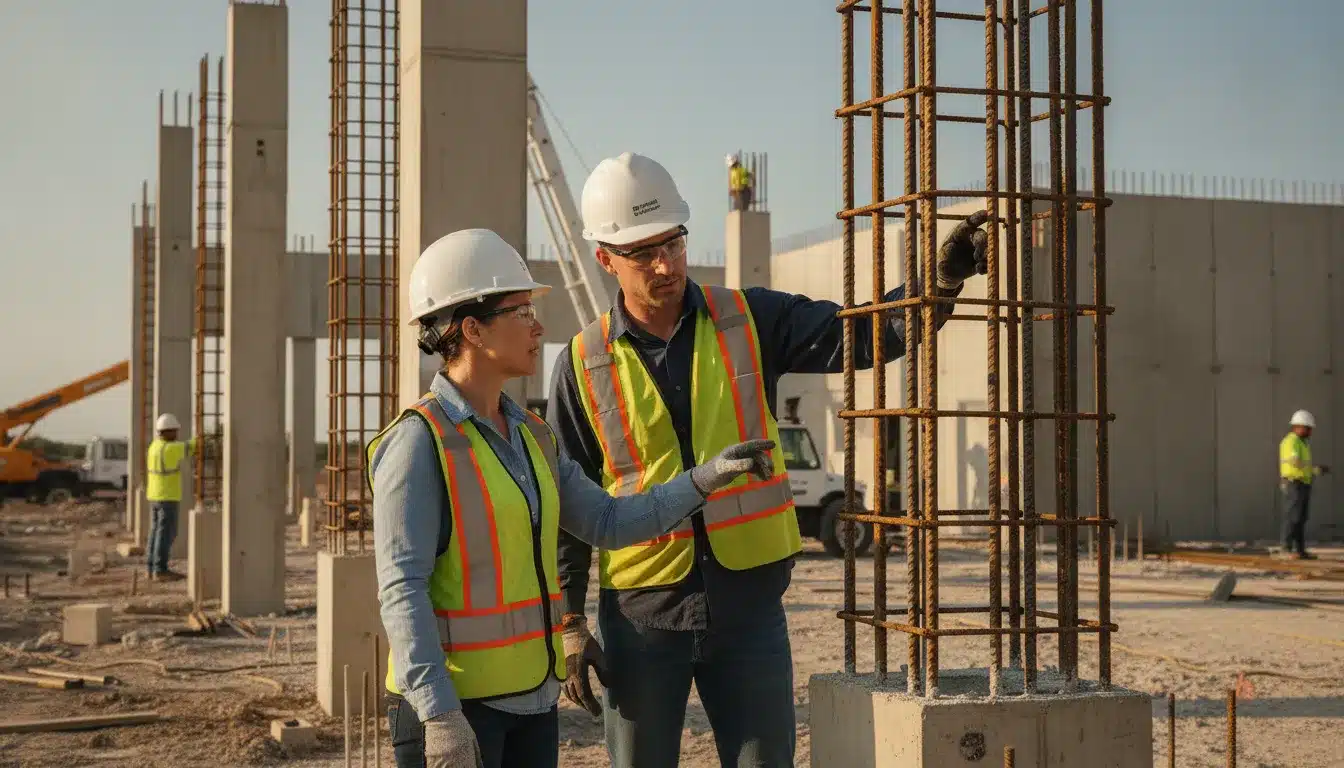
Missing a concrete pour deadline due to a backlogged municipal inspector can stall an entire commercial build. When tight project timelines collide with high summer permit volumes, waiting on the building department becomes a costly liability.
Get a proposal for third-party inspection scheduling on your build timeline.
The third-party inspection scheduling Florida contractors and developers use is a clear statutory right under Florida Statute 553.791, which allows teams to bypass local authority backlogs. This legal framework lets owners hire licensed private providers to perform required building code inspections, completely removing the unpredictable delays of standard municipal building department schedules. These licensed, certified inspectors offer highly flexible scheduling with weekend or same-day appointments to keep your commercial project on track during busy summer permit seasons. Because local building officials cannot replicate these inspections, using a private provider gives you the calendar control needed to avoid costly project shutdowns. This proactive approach protects your bottom line and ensures a fast, predictable path to securing a final certificate of occupancy.
Using this process requires a clear understanding of the rules, timelines, and notice requirements that govern private providers. To keep your job site moving, you must first understand How Third-Party Inspection Scheduling Works Under Florida Statute 553.791. The path begins with
How Third-Party Inspection Scheduling Works Under Florida Statute 553.791
Legal Rights and Owner Options
Under the law, building code inspections can be done by private companies. This system gives developers and general contractors a clear path to bypass local building department delays. Using this law, you can get reliable timelines for your commercial or multi-family construction work. This legal option lets you take control of third-party inspection scheduling Florida contractors rely on to keep projects on track.
The law lets the project owner or their contractor choose their own inspector. Under Florida Statute 553.791 section (2)(a), you can hire a private provider for plans review, inspections, or both. This means you do not have to wait for the local agency to find time for your site. Instead, you can hire a private firm to handle the work on your own calendar.
Choosing a private provider is a smart way to speed up your project. Many firms use scheduling third-party private provider inspections to keep their jobs moving when the local city office is backed up. This legal path helps you avoid long delays and keeps your crew working.
Qualified Private Providers
Not just anyone can perform these checks. The state has strict rules for who can be a private provider. They must have a valid license as an engineer under chapter 471 or an architect under chapter 481. They can also hold a state certificate as a building code inspector under chapter 468. These standards ensure that all inspections meet the strict rules of the Florida Building Code.
When you work with a licensed team, you protect your investment. Working with a firm that offers third-party inspection management is the best way to make sure your paperwork is correct. These licensed experts know the local rules and will guide you through each step of the process.
Local Building Official Audits
Once you hire a private provider, the local building official shifts to an audit role. Under the law, the local agency may not copy the plan review or inspections done by your private provider. Instead, they perform audits to verify that the private provider did the work and submitted the proper affidavits. This means you do not have to worry about double inspections delaying your project.
The local government retains the right to audit documents and inspect the site to ensure safety. But these audits are designed to confirm compliance, not to repeat the inspections you already paid for. Knowing how these legal lines protect your project lets you move forward with full confidence.
Private Provider vs. AHJ Inspections: Who Controls Your Construction Schedule
A tight construction schedule leaves no room for empty days on site. Yet, waiting for local building departments can halt your work for weeks. Choosing between a local agency and a private provider is a choice about who controls your calendar. For most project managers, this choice decides whether a job wraps up on time or faces costly delays.
Department backlogs and scheduling speed
Local building departments often face major delays because of high permit volume and small staff. These delays make scheduling third-party private provider inspections a vital option for builders. When managing a commercial site, using third-party inspection scheduling Florida services lets you bypass these local bottlenecks. Private providers offer flexible hours that keep your project moving on your terms.
When you rely on the local department, you must fit into their tight schedule. With private services, you get next-day visits. This quick service helps you dodge delays when public offices are stretched thin. It gives you full control of the job site calendar.
Legal limits on local building officials
Florida law protects your right to use these private services. Under Florida Statute 553.791, local building officials cannot repeat or duplicate the inspections done by a private provider. They can only audit the work to confirm that the private provider did the building code inspections and submitted the needed forms. This legal rule prevents extra site visits that would slow down your team.
This means you do not have to worry about a local inspector overturning the findings of your private inspector. Unless there is a direct threat to safety, the local official must accept the results. This legal limit gives builders the peace of mind needed to keep working.
A clear comparison shows how these two paths affect your project timeline. The details below outline the key differences in scheduling, staffing, and legal roles under Florida law.
| Inspection Detail | Local Department | Private Provider |
|---|---|---|
| Scheduling Lead Times | Long wait times and strict schedules | Flexible, next-day scheduling |
| Staffing Limits | Public teams facing high workloads | Certified inspectors assigned to your site |
| Duplication Risk | Repeats steps when staff changes | Local official cannot duplicate the work |
| Audit Role | Serves as direct examiner and inspector | Local official audits records for compliance |
A streamlined path to certificate of occupancy
Using private providers ensures that your project stays on track from framing to the final sign-off. Because the local building official cannot duplicate these inspections, you bypass public wait times. Instead, the local department focuses on an audit of your records. This audit confirms that the licensed building inspectors performed the required checks and submitted the proper affidavits. This setup allows your team to move from one trade phase to the next without waiting for public staff to become free.
How to Get Third-Party Inspections on the Calendar Faster
Construction schedules in Florida are always under pressure. Weather issues and busy local building departments often lead to long delays. GCs can beat these delays by taking control of their own timelines. A major step in this process is third-party inspection scheduling Florida builders use to keep jobs moving.
Statutory rights for faster booking
Under Florida Statute 553.791, you have the right to hire a private provider. This legal path lets you bypass the standard local backlogs. Private firms offer much more flexible scheduling than local agencies. They can often be on your job site within hours rather than days.
By choosing this route, you no longer have to wait for city inspectors who are stretched thin. You gain direct access to licensed experts who work on your timeline, not theirs. This flexibility keeps your trades moving and stops downtime on the job site.
The six-step scheduling playbook
Getting a private inspector to your site quickly needs a clear process. GCs who plan ahead get the best results. Follow these five steps to speed up your booking process.
- Confirm your project fits. Check if your project qualifies for alternative inspections under the law. Most commercial and residential builds can use this path to avoid standard public delays.
- Select and vet your provider. Choose a licensed firm that carries the required professional liability insurance. Make sure their team holds active state credentials before you sign any contract. You can request a consultation on your inspection timeline to find the best team for your job.
- Submit the formal notice. You must send a formal affidavit to the local building official before the first inspection. This notice tells the local agency that you are using a private provider.
- Pre-book your inspection windows. Do not wait until the last minute to call your provider. Lock in your key milestones weeks ahead of time to secure the best dates on their calendar.
- Group inspections to save time. Work with your provider to batch your inspections together on the same day. This cuts travel times and keeps your field crew working without stops.
- File results for the final audit. Send all signed inspection reports to the local building department right away. This step is needed for the local agency to do its final audit and issue your certificate of occupancy.
Active management for project speed
Managing your calendar stops costly project delays. Private providers give you the freedom to set your own pace. With the right planning, you can complete your project on time and within your budget.
Scheduling Inspection Milestones Around Florida’s Tight Timelines and Hurricane Season
Contractors in Florida must manage tight build schedules and seasonal weather risks. Summer rains and tropical storms can halt a project if you do not plan your timeline with care. By using third-party inspection scheduling Florida builders can keep their projects on track even when storms approach.
Weather windows and hurricane preparedness
The Atlantic hurricane season runs from June to November. During these months, you must schedule exterior building inspections during clear weather windows. Leaving a building frame open to the elements is a big risk. You should book your structural and roofing checks before storms hit. Working with a private provider allows you to secure fast, flexible appointments during these tight weather windows.
If a storm is named, local building departments often shut down or focus only on storm safety. This can cause you to miss key deadlines. You can avoid these delays by setting up third-party inspection management services. This keeps your timeline safe because private inspectors can often visit your site right before or after a major storm.
Navigating public agency backlogs
Public building departments often face staffing shortages and high permit volumes. These shortages lead to long wait times for standard building inspections. A delay of even a few days can throw off your entire sub-contractor schedule. Under Florida Statute 553.791, you have the legal right to use a private provider. This choice helps you bypass public agency backlogs to keep your project moving forward.
When public building departments are stretched thin, private providers serve as a crucial resource to maintain project momentum. They offer flexible, same-day or next-day scheduling that public officials cannot match. This schedule control is needed to meet tight commercial contract deadlines.
Coordinating special and threshold inspections
Commercial projects in Florida have strict rules for threshold and special inspections. These inspections verify the safety of key structural parts like load-bearing walls, steel trusses, and concrete foundations. Missing a structural check can cause costly re-work and major timeline delays.
You must plan these milestones with care so they do not block other trades. For large jobs, coordinating third-party inspection schedules ahead of time is the best way to avoid downtime. A dedicated inspector can stay on-site during large concrete pours to sign off on work in real time.
Your team should map out inspection milestones during the pre-construction phase. This step is helpful when scheduling concrete pours or steel erection. Private providers can adjust their visits to match your hourly progress. This ensures that work never stops while you wait for an inspector to arrive.
What Contractors Must Prepare Before Each Inspection Appointment
Approved plans and permit files must stay on the job site for each site visit. The work on the site must match the stamped drawings fully to avoid any fine. If you fail to do this, your project will face major schedule delays and extra costs. You should also keep a clear log of all past building inspection phases. This log helps the inspector see your progress and shows that you follow the code.
Approved Plans and Permit Files
Builders must keep all active permit files in a safe place on the job site. The crew needs to print and display the full set of approved construction plans. These paper plans must show the official stamps from the local building office. If any field change occurs, the team must update the files before the inspector gets there. Keeping a clean set of paper files on site prevents simple errors that fail inspections.
Affidavits and Provider Credentials
To use a private provider under Florida Statute 553.791, you must send a written note to the local building official. This notice must include signed affidavit forms from both the project owner and the provider. You must also check the qualifications and active state licenses of your private team. They must be licensed engineers, architects, or certified inspectors in Florida. You should always check these licenses before you sign the contract.
You must also hold proof of their active liability insurance on site. The state of Florida requires these insurance policies to protect the project owner. Keeping these files on hand is key when using third-party inspection scheduling Florida. If the local building official asks for proof, you can show it right away. Your private provider can easily give you these insurance files before field work begins.
Site Safety and Staged Work
The active work site must be safe and clean before the inspector gets there. The crew must fully finish all building tasks for that exact phase. No rough MEP work should be hidden behind finished walls or dry ceilings. The site must have stable working ladders and clear walking paths for safety. If the inspector cannot reach the work, they will fail your site visit.
A licensed agent of the builder must stay on site during the whole visit. This person can answer key questions and help the inspector on the ground. When you are coordinating third-party inspection schedules, having a qualified rep on site is vital. It shows the private inspector that you respect their valuable time and safety. The field rep should carry the right tools needed to open access panels.
Typical Costs and Fees for Private Provider Inspections
Private building inspectors in Florida do not charge a single flat rate. Price depends on your building type, project size, and location. GCs and developers must plan for two kinds of costs. You pay the private team for field work and the city for filing. For many commercial developers, using third-party inspection scheduling Florida services is a smart way to control these costs.
Insurance and professional liability requirements
A key factor in private provider pricing is the cost of meeting state laws. State law says that a private provider must have professional liability insurance. Under Florida Statute 553.791, this coverage protects you and your project. The required policy limits change based on your total construction costs. This insurance keeps your job safe, but it also affects the final service fee.
When you look at different bids, make sure to check for this insurance. Some low-cost providers may not carry the right policy limits. This can lead to big issues with the local building official. To learn more, read our guide on choosing a permit expediter in Florida. A trusted partner will always share their insurance details upfront.
Local government administrative fees
Many contractors worry that they will have to pay double for inspections. But Florida law protects you from double charging. Under state law, the local building department cannot charge you for inspections they do not perform. If a private provider does the work, the city cannot bill you for those field visits.
The local government can still charge administrative fees. They are allowed to collect fees to cover their audit and filing costs. These fees pay for the staff who review your paperwork and log results. Still, these desk fees are much lower than full city inspection fees. This rule keeps your total costs fair.
The financial return of schedule control
While private provider fees are an added cost, they save you money in the long run. Standard city inspections can take weeks to get on the calendar. On a large commercial job, each day of delay costs thousands of dollars in waste. When you use private options, you can schedule inspections when you are ready. This keeps your crew working and avoids down time.
Because every commercial building project is unique, there is no single price sheet for these services. Most top teams do not publish flat rates online. Instead, they offer custom, proposal-based pricing. To find out what your project needs, you can get a consultation on your inspection timeline. This helps you plan your steps. For a detailed cost estimate for your next job, you can request a custom proposal today.
Request a proposal to get your third-party inspections scheduled faster.
Frequently Asked Questions
Can a local building department reject third-party inspection scheduling in Florida?
No. Under Florida Statute 553.791, local building officials cannot reject or redo inspections done by a licensed private provider unless a rare exception applies. You must submit a formal notice and affidavits to the building department before work begins. Once you notify them, you have the legal right to use private inspectors to keep your project moving.
Do you still pay local permit fees if you use a private provider in Florida?
Yes, but you only pay for paperwork processing. Under Florida law, local cities cannot charge you for building inspections they do not perform. The building department must reduce your permit fee to account for this change. They still collect a small fee to review your documents and run audits, but you save by skipping public inspection costs.
Who is allowed to perform third-party building inspections in Florida?
Only licensed professionals can perform these services. According to Florida law, private providers must be licensed engineers, architects, or certified building code inspectors. They must also carry professional liability insurance. When you set up third-party inspection scheduling Florida services, always verify that your provider holds these active state credentials and has no active complaints.
How fast can you get a third-party building inspection in Florida?
Much faster than the public sector. While local building departments often need days or weeks to staff an inspection. A licensed private provider works around your project timeline and can frequently offer next-day or same-day visits. This speed helps you avoid costly delays during busy building seasons.
Ready to Streamline Your Florida Building Inspections?
Every day of waiting for local building officials can derail your construction timeline. Local government backlogs can inflate carrying costs and delay your project completion. You do not have to accept these costly delays on your job site. Bypassing agency bottlenecks with third-party inspections gives you direct control over your project calendar. Partnering with a licensed private provider keeps your trades moving and ensures predictable milestones. Do not let slow government agencies halt your progress when you can establish a fast schedule. You can set up your appointments based on your own project needs rather than public office hours. Taking action now prevents missed deadlines and keeps your building process moving forward without delay.
Ready to schedule your inspections? Request a proposal for third-party inspection scheduling to secure your project timeline.