

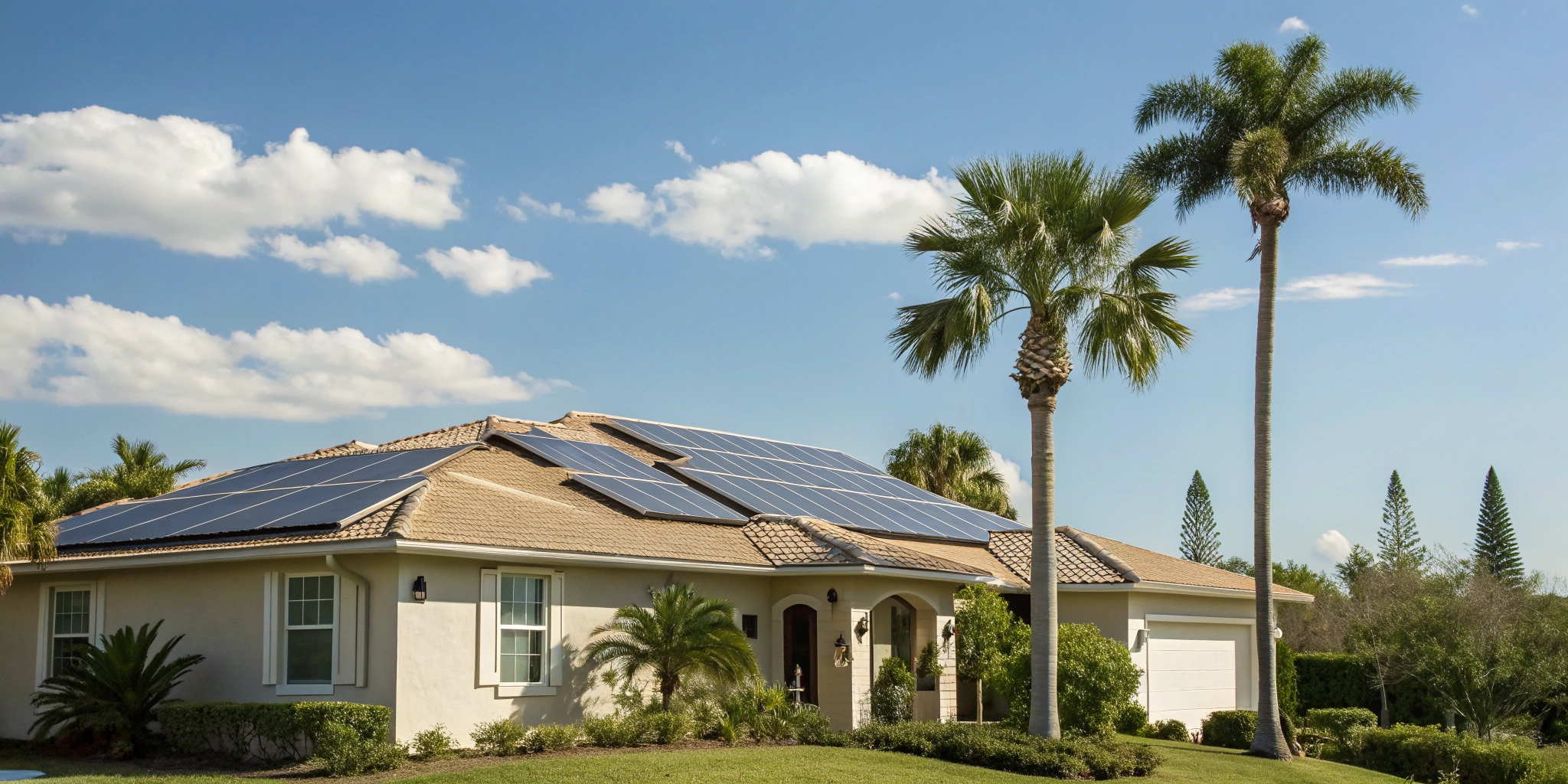
Getting a solar permit Florida isn’t a one-size-fits-all process. What works in one county is often a recipe for failure in the next. That’s because local cities and counties call the shots, each with their own unique rules and requirements. This patchwork of regulations can lead to frustrating delays, from incorrect paperwork to unexpected zoning complications. This guide will walk you through how the process varies across major cities so you can get your plans approved and keep your project on track.
Key Takeaways
- Prioritize the Permit to Protect Your Investment: A solar permit is more than just paperwork; it’s your official guarantee that the installation is safe, meets all legal codes, and is properly connected to the grid, safeguarding your home and its value.
- Master Local Rules to Avoid Delays: Florida’s solar permitting isn’t one-size-fits-all. Each city and county has its own specific requirements, and submitting a package that isn’t perfectly tailored to their rules is the fastest way to get your project sent to the back of the line.
- Partner with a Pro to Save Time and Money: The most common permit delays stem from simple paperwork errors. Working with a permit expediter ensures your application is correct and complete from day one, preventing costly revisions and keeping your project on schedule.
What is a Solar Permit and Why Do You Need One in Florida?
So, you’re ready to harness the Florida sun and switch to solar power. That’s a fantastic move! But before your contractor starts mounting panels on your roof, there’s a critical step you can’t skip: getting a solar permit. Think of a solar permit as the official green light from your local government—what professionals call the Authority Having Jurisdiction, or AHJ. It’s a formal document confirming that your installation plan is safe, sound, and up to code.
This isn’t just about bureaucratic red tape; it’s a fundamental part of the process that ensures your system is installed correctly and legally. Without a permit, you could face significant headaches, from fines and project delays to serious issues with your utility company. The permitting process is designed to protect you, your home, and your community. It verifies that your project meets all legal and safety standards, ensures a smooth and proper connection to the power grid, and ultimately protects the significant financial investment you’re making in your home’s energy future. It’s the foundation for a successful and stress-free solar installation.
Keep Your Solar Project Safe and Legal
First and foremost, a solar permit ensures your project is legal and safe. Every city and county in Florida has specific building and electrical codes that solar installations must follow. These rules aren’t arbitrary; they’re designed to prevent potential hazards like electrical fires or structural damage to your roof. The permit process involves a thorough review of your plans by local officials to confirm that every component—from the wiring to the mounting hardware—meets these strict safety standards. It’s your official assurance that the system won’t pose a risk to your family or your property.
Connect to the Grid the Right Way
Your solar panels don’t just power your home; they also connect to the local utility grid. This connection has to be done correctly to ensure stability for both your home and the wider electrical system. The permitting and inspection process is how your utility company verifies that your system is ready to be safely connected. It confirms that your setup won’t back-feed electricity into the grid during an outage, which could endanger utility workers. Getting the permit is a non-negotiable step before your system can be officially turned on and you can start seeing those energy savings.
How a Permit Protects Your Solar Investment
Installing a solar panel system is a major investment in your property. A permit is one of the best ways to protect it. Having an approved permit and passing the final inspection means your installation was done right, according to professional standards. This documentation is crucial for insurance purposes and can even increase your home’s value. Trying to bypass the permitting process can lead to expensive consequences, like having to tear down and reinstall the system correctly or facing fines. Securing a permit from the start ensures your investment is built to last and avoids costly problems down the line.
Take Advantage of Financial Incentives
A properly permitted solar installation does more than just protect your home—it unlocks valuable financial incentives that can seriously cut down the cost of your project. These programs are in place to encourage homeowners like you to adopt clean energy, and using them to your advantage is a smart way to maximize your return on investment. We’re talking federal tax credits and local rebates that make the switch to solar much more affordable. The key is having all your paperwork in order, since a completed and approved project is the ticket to claiming these financial perks.
The Federal Solar Tax Credit
One of the biggest financial wins for going solar is the Federal Solar Tax Credit. This isn’t just a standard deduction; it’s a powerful dollar-for-dollar credit that directly lowers the federal income tax you owe. You get to claim a percentage of your solar system’s total cost—including both the equipment and the installation—right off your tax bill. This can translate into thousands of dollars back in your pocket, making a high-quality solar setup much more attainable. Just remember, you can only claim the credit once your system is fully installed and running, which is why a smooth, delay-free permitting process is so crucial for your budget.
This credit can cover a significant chunk of your project’s total cost. As the experts at EnergySage point out, it’s a major reason why solar is such a financially sound investment for so many Florida homeowners. Because tax laws and incentive programs can change over time, it’s always a good idea to get your project moving to take advantage of the current benefits. Making sure your permit is approved and your installation is finished efficiently helps you lock in those savings, turning your solar project into a smart financial move that’s also great for the environment.
Your Florida Solar Permit Checklist: What to Prepare
Getting your solar permit is mostly about paperwork. Think of it as putting together a complete package that gives your local building department a clear picture of your project. When every document is in order, the review process goes much smoother. Missing or incorrect information is one of the biggest reasons for delays, so it pays to be thorough from the start.
Your solar permit application will require a specific set of documents that detail every aspect of your installation, from where the panels will sit on your roof to how they connect to the grid. While the exact requirements can vary slightly by city, most Florida jurisdictions ask for the same core items. Here’s a breakdown of what you’ll typically need to gather.
What to Include in Your Site Plans
First up, you’ll need a detailed site plan. This is essentially a blueprint of your property that shows exactly where the solar panels will be installed. It needs to be precise, marking the location of the array, how far the panels are from the edges of the roof (known as setbacks), and any required pathways for firefighter access in case of an emergency. This plan shows the city that your system is designed thoughtfully and complies with local zoning and safety rules. A clear and accurate layout is the foundation of your permit package, making it easy for reviewers to understand your project at a glance and confirm it meets all public safety requirements.
What Your Electrical Diagrams Should Show
Next are the electrical diagrams. These technical drawings illustrate how your solar system will be wired together and connected to your home’s electrical panel and the local utility grid. This includes a one-line diagram showing the path of electricity, plus details on the inverters, wiring sizes, and other key components. The purpose of these diagrams is to prove that your system is designed to meet the National Electrical Code (NEC) and local standards. An inspector will use these plans to verify that the installation is safe, reliable, and correctly integrated with existing electrical infrastructure. Think of it as the electrical roadmap for your entire solar setup.
Proving Your System is Safe and Sound
Your local building department needs to know that your roof can handle the added weight of the solar panels. You’ll need to provide structural calculations, often prepared by an engineer, that confirm your roof’s integrity and its ability to withstand Florida’s high winds. This is a critical step in ensuring the long-term safety of your home. Additionally, your package must include safety plans, such as details on the system’s rapid shutdown function and where safety labels will be placed. This information shows first responders and technicians how the system can be quickly and safely de-energized when needed, which is a non-negotiable safety feature.
Engineer’s Letter for Roof Integrity
Think of this as your roof’s official seal of approval. Your local building department needs absolute certainty that your roof can support the added weight of a solar panel system, especially with Florida’s hurricane-force winds in mind. An engineer’s letter provides that proof. A licensed structural engineer will review your home’s plans and the solar design to produce calculations confirming your roof’s structural integrity. This isn’t just a suggestion; it’s a mandatory safety check that assures officials your installation won’t compromise your home’s structure over time. Submitting this letter upfront shows the city you’ve done your due diligence, making it a critical piece for a smooth approval.
Equipment Specification Sheets
Every solar project is a sum of its parts, and your permit application needs to include the “parts list.” Equipment specification sheets, or spec sheets, are technical documents from the manufacturers of your solar panels, inverters, and mounting hardware. These sheets provide all the details an inspector needs to see, like model numbers, safety certifications, and performance ratings. Including them proves that you’re using equipment that is compliant with national standards and approved for use in Florida. It eliminates any guesswork for the plan reviewer and confirms that every component is up to code, which is why having a complete set of spec sheets is essential for your permit package.
Verifying Contractor Licenses and Insurance
Finally, you’ll have to provide documentation for the professionals installing your system. Your city or county will require proof that your solar contractor holds a valid state license and carries the necessary insurance, including liability and workers’ compensation. This step protects you as the property owner and confirms that the work is being performed by a qualified and accountable team. Submitting incomplete or expired contractor information is a common reason for rejection. Ensuring all these documents are current and correctly filed is a key part of the comprehensive permitting services that help projects move forward without unnecessary delays.
Key Documents and Application Requirements
Beyond the technical plans and diagrams, your permit application is an official legal document. This means it requires certain formalities to be considered complete and valid by the local building department. These requirements are in place to ensure that all parties involved—the homeowner, the contractor, and the city—are in clear agreement and that the project is being executed with full accountability. Overlooking these details is a frequent source of delays, as an application can be rejected for something as simple as a missing signature. Getting these administrative elements right from the start is just as important as having accurate electrical diagrams or structural calculations for your project.
Notarized Application Signatures
One of the most important steps in finalizing your application is getting the required signatures notarized. Your permit application needs to be signed by both you, the property owner, and your installer, and these signatures must be witnessed and verified by a notary public. This isn’t just an extra piece of paperwork; it’s a legal verification that confirms the identities of everyone involved and shows that you both consent to the project as described. A notarized signature adds a layer of security and authenticity to the application, preventing fraud and ensuring that the people signing are who they claim to be. It’s a small but non-negotiable detail that confirms your application’s legitimacy before it even gets to a plan reviewer’s desk.
On-Site Rules and Agency Coordination
Once your permit is approved, the work doesn’t just begin without oversight. The permit comes with a set of rules you must follow while the project is underway. These on-site regulations are designed to keep the project safe, transparent, and in line with the approved plans. It also involves coordinating with other local agencies, like the fire department, to ensure your new solar system meets public safety standards. This phase is all about execution and compliance. Following these rules ensures that inspections go smoothly and that your project stays on track without any stop-work orders or unexpected fines, which is a core part of the end-to-end permit management we handle for our clients.
Displaying Your Permit Card
After your permit is issued, you’ll receive a permit card from the building department. This card must be displayed at the job site at all times, typically in a visible location like a front window or on a temporary post near the street. This isn’t just a suggestion—it’s a strict requirement. The permit card serves as public notice that the work being done is authorized and has met all preliminary safety and zoning requirements. It allows building inspectors, code enforcement officers, and even your neighbors to quickly verify that your project is legitimate. Failing to display the permit can result in fines and work stoppages, so make sure it’s one of the first things you post before the installation begins.
Working with the Fire Department
Coordinating with the local fire department is a critical part of the solar permitting process, as their primary concern is the safety of first responders. Your permit package must include specific safety plans that show how the system can be de-energized in an emergency. This includes details on the system’s rapid shutdown function and clear diagrams showing where safety labels will be placed on your equipment. This information is essential for firefighters, as it gives them a clear and immediate way to safely turn off the power flowing from your panels. This ensures they can work safely on your roof or around your home during an emergency without the risk of electrical shock.
Why Your Florida Solar Permit Process Depends on Your City
Getting a solar permit in Florida can feel like you’re dealing with a different set of rules for every project. That’s because you are. While the state provides a general framework, the real authority rests with local cities and counties. Understanding these local differences is the key to getting your project approved without frustrating delays. From Miami-Dade to Jacksonville, each jurisdiction has its own requirements, timelines, and interpretations of the code, making a one-size-fits-all approach a recipe for failure.
State vs. Local: Who Makes the Solar Rules?
Florida has a statewide building code and a general solar permitting process that outlines the basic steps. However, your local building department, also known as the Authority Having Jurisdiction (AHJ), has the final say. This is where things get specific. Your city or county will have its own application forms, submission procedures, and review criteria. While the state sets the minimum safety and electrical standards, your local AHJ can add requirements based on regional conditions, like specific wind load calculations for coastal areas or unique zoning ordinances that affect panel placement. This means the paperwork you filed for a project in one county might be completely wrong for another.
Florida’s New Solar Law (HB 683)
The good news is that the state is taking steps to simplify this patchwork of local rules. A new piece of legislation, House Bill 683, is set to dramatically speed up the solar permitting process. Starting July 1, 2025, local governments will be required to approve solar panel permits within just five business days. If they miss that deadline, the permit is automatically approved—a huge change from the weeks or even month-long waits that have been common. This new law also encourages the use of digital tools to standardize applications and allows for private or virtual inspections, which can further cut down on delays. This is a significant move to reduce the red tape that often holds up solar projects, making it easier and faster for homeowners to get their systems running and start saving on energy costs.
A Look at Permitting in Miami, Orlando, and Tampa
The differences between jurisdictions are most obvious when you compare major cities. A project in Tampa might have different setback requirements than one in Orlando. Some forward-thinking areas, like Broward County, have embraced technology to speed things up by allowing virtual inspections, which can significantly cut down on wait times and get your project completed faster. Meanwhile, other municipalities may still rely on paper-based systems and in-person reviews that can slow everything down. Our team handles these local nuances every day, ensuring your application meets the specific demands of your city, whether you’re building in a dense urban area or a quiet suburb.
Residential vs. Commercial Project Rules
It’s not just the city that matters—the type of property you’re working on also changes the permitting requirements. The rules for a residential solar installation are often simpler than those for a commercial building. For example, if you’re putting solar panels on your home, the roofing work is typically covered under the same permit. But for a business, you’ll likely need a separate roofing permit in addition to the solar permit, adding another layer to the process. Commercial projects are almost always more complex, involving more stringent engineering reviews and coordination with multiple agencies. This is especially true for large-scale installations on industrial or retail properties, where the scope and safety requirements are much greater. Understanding these distinctions is crucial for contractors and developers planning commercial projects to avoid unexpected hurdles and keep timelines intact.
How Long Does a Solar Permit Take in Your Area?
One of the biggest variables in the solar permitting process is time. How long will it take to get your permit approved? The answer depends entirely on your jurisdiction. Some well-staffed and efficient building departments might approve a straightforward residential solar permit in just a few weeks. In other areas, you could be waiting for months due to backlogs, complex review processes, or constant requests for additional information. These extended timelines are a common source of frustration and can throw your entire project schedule off track. If you’re facing a tight deadline, you can request a proposal to see how we can help keep your project moving forward.
What Can Delay Your Florida Solar Permit?
Getting your solar permit should be straightforward, but a few common snags can turn a simple process into a lengthy waiting game. Knowing what to look out for is the first step to keeping your project on track. Here are some of the most frequent issues that can cause delays and how you can prepare for them.
Avoiding Incomplete or Incorrect Paperwork
It sounds simple, but you’d be surprised how often a small paperwork error can bring everything to a halt. Each Florida municipality has its own set of rules and required forms, and what works in Tampa might not be what Orlando needs. A missing signature, an outdated form, or an incorrectly filled-out field can get your application sent right back to the bottom of the pile. This is easily the most common reason for delays. Carefully reviewing every single document before you submit is essential, as these setbacks are frustrating and completely preventable. Expert permit services can help ensure every form is correct the first time.
Double-Checking Your Technical Specs
Your solar project plans need to be precise. Local plan checkers review every detail, from the electrical diagrams to the structural mounting specifications. If something doesn’t align with their specific technical requirements, they’ll send it back for revisions. This back-and-forth can add weeks, or even months, to your timeline. Since different jurisdictions have unique regulatory demands, ensuring your plans are perfect for the specific city or county you’re building in is critical. An error in the technical specs isn’t just a typo; it’s a major roadblock that requires expert attention to fix and resubmit correctly.
Getting Ahead of Zoning and Code Issues
Just because your system is technically sound doesn’t mean it complies with local zoning laws. Residential and suburban areas, in particular, often have strict rules about where and how solar panels can be installed. You might run into issues with property line setbacks, height restrictions, or even aesthetic requirements if you live in a historic district. These zoning and Florida Building Code regulations are non-negotiable and can require significant plan adjustments if you’re not aware of them from the start. It’s crucial to research these local ordinances thoroughly before you even finalize your system design to avoid a major redesign down the road.
Navigating HOA and Historic District Rules
On top of city and county rules, you might have another layer of approvals to deal with if your property is part of a Homeowners Association (HOA) or located in a historic district. These organizations have their own specific guidelines, which often focus on aesthetics—things like panel visibility from the street or specific placement requirements to maintain the neighborhood’s character. These rules are not suggestions; they are legally binding. You must get written approval from your HOA or historic preservation board *before* you submit your permit application to the city. Failing to do so can stop your project cold, even if your plans meet all building codes. This is especially true in historic areas, where solar installations must align with strict preservation standards that can sometimes intersect with other structural requirements like building recertification.
Smoothing Things Over with the Utility Company
Getting the city’s approval is only half the battle. Your local utility company also has to give your project the green light. While the city permit confirms your installation meets building and electrical codes, the utility approval ensures your system can safely connect to the power grid. This is a separate process with its own paperwork and technical reviews. A delay on the utility side can leave you with an approved city permit but no ability to actually turn your system on. Coordinating between the city and the utility company requires careful management to ensure both approvals proceed smoothly and don’t hold up your project.
How to Speed Up Your Florida Solar Permit Approval
Waiting for a permit can feel like the most frustrating part of going solar. While every jurisdiction has its own timeline, you aren’t entirely at the mercy of the clock. There are concrete steps you can take to move your application through the system more efficiently. From leveraging new technology to bringing in an expert, focusing on a smooth submission process can save you weeks of delays. The key is to be proactive and understand the resources available to you.
Go Digital with Platforms like SolarAPP+
Technology is making the permitting process faster and more transparent. Florida has embraced this shift, with a new law authorizing private and virtual solar inspections. This means officials can review your installation via secure video calls, cutting down on scheduling delays. Additionally, automated platforms like SolarAPP+ are gaining traction in some municipalities. These tools allow for instant, standardized permit reviews for eligible projects, helping you bypass the traditional queue. Check with your local building department to see if they offer these faster options.
Why You Should Hire a Professional Permit Expediter
If you’ve ever felt overwhelmed by paperwork, you know how a small mistake can cause a major setback. This is where a permit expediter becomes invaluable. These professionals live and breathe local building codes and regulations. They know the common pitfalls, from varying requirements across cities to the frequent revision requests that stall an application. An expediter reviews your entire permit package before submission to ensure it’s complete and accurate, drastically reducing the chances of rejection and keeping your project moving forward.
Let All Florida Permits Handle It for You
For a truly hands-off experience, let our team manage the entire process. We combine deep knowledge of the Florida solar permitting process with the dedicated service of an expert expediter. We don’t just submit your paperwork; we manage every step, from document preparation to coordinating with utilities and scheduling final inspections. Our team is familiar with the specific requirements of jurisdictions across the state, ensuring your application is tailored correctly from day one. If you’re ready to save time and avoid permitting headaches, request a proposal and let us get your project approved without delay.
DIY vs. Hiring a Pro: Which is Right for Your Solar Permit?
Once you have your documents in order, you face a big decision: should you handle the solar permit application yourself or hire a professional to manage it for you? While the DIY route might seem like a way to save money, it’s important to understand what you’re signing up for. The permitting process can be a maze of paperwork and specific local rules. Let’s break down the options so you can make the best choice for your project.
The Pros and Cons of Going It Alone
Tackling the permit process on your own can be a significant undertaking. One of the biggest challenges is the timeline; factors like local regulations and the sheer volume of paperwork can make the DIY approach incredibly time-consuming and frustrating. You’ll be responsible for every detail, from filling out forms correctly to responding to feedback from the building department.
Hiring a professional permit expediter, on the other hand, puts the process in the hands of an expert. These specialists live and breathe permits. They understand the nuances of different city requirements and can often anticipate potential issues before they cause delays. While there is a cost for their expert guidance, you’re paying for peace of mind and, most importantly, your time.
Can You Legally Install Your Own Solar Panels?
Technically, yes, Florida law allows homeowners to act as their own contractor and install solar panels. However, this doesn’t mean you can skip the official process. You are still required to get a solar permit, which involves submitting detailed site plans, electrical diagrams, and structural calculations to your local building department. You’ll need to prove that your design complies with all local building and electrical codes—the same strict standards a professional installer must meet. Beyond the city permit, you also need approval from your utility company to safely connect to the grid. The process is designed to ensure every installation is safe, but it’s a significant undertaking that requires a deep understanding of technical specifications and local regulations, which can be a major challenge for even the most ambitious DIYer.
What to Look for in a Permit Expediter
If you decide to hire a pro, you’ll want to find the right one. Look for a permit expediter with deep knowledge of Florida’s specific solar regulations and experience working with your local municipality. A good expediter knows how to handle the different requirements across cities and counties and can efficiently manage any requests for revisions from plan checkers.
Ask about their track record with solar projects similar to yours and check for clear communication practices. You want a partner who will keep you in the loop. A firm that offers end-to-end service can be a huge asset, managing every step from submission to approval so you can focus on the rest of your project.
Is a Permit Service Worth the Cost?
It’s easy to see the upfront cost of hiring a professional, but it’s just as important to consider the hidden costs of going it alone. Delays in permitting can have a ripple effect, holding up contractors, pushing back your project timeline, and costing you more in the long run. With incentives and savings on the line, getting your system up and running sooner has real financial benefits.
Think of a permit expediter’s fee as an investment in efficiency. By avoiding common mistakes and getting through the system quickly, they help ensure your project stays on schedule and on budget. When you’re ready to see how much time you could save, you can request a proposal to get a clear picture of the costs and benefits.
Related Articles
- Sunshine State Success Story – All Florida Permits
- Florida Roofing Permit: A Homeowner’s Guide
- Building Permits Florida Archives – All Florida Permits
- permit services Florida Archives – All Florida Permits
Frequently Asked Questions
My solar contractor says they’ll handle the permit. Do I still need to worry about it? While most solar installers include permitting in their services, their main focus is on the installation itself. The administrative side can sometimes lead to delays if they aren’t familiar with the specific rules of your city or county. Using a dedicated permit expediter ensures that an expert is focused solely on getting your paperwork approved quickly and correctly, which can prevent your project from getting stalled before it even begins.
What are the consequences of installing a solar system without a permit? Skipping the permit might seem like a shortcut, but it can lead to serious problems. Your local government could issue fines and even order you to remove the entire system at your own expense. Additionally, your utility company will not allow you to connect to the grid, meaning you won’t get any of the energy-saving benefits. It can also create major issues with your homeowner’s insurance and complicate the sale of your home in the future.
How much does a solar permit typically cost in Florida? The cost of a solar permit isn’t a flat rate; it varies significantly from one city or county to another. The fees are set by your local building department and are often calculated based on the size or total value of your project. While the permit fee is a relatively small part of your overall solar investment, it’s a critical one that ensures your project is legal, safe, and built to last.
Is the permitting process different for a ground-mounted system versus a rooftop installation? Yes, the process can be quite different. A standard rooftop installation primarily focuses on your roof’s structural integrity and the electrical plans. A ground-mounted system, however, often requires additional documentation. This can include zoning reviews to ensure it meets property line setbacks, soil reports, and detailed plans for the concrete foundation, making the application package more complex.
If my permit application is rejected, what happens next? A rejection isn’t a final “no,” but rather a request for more information or corrections. The building department will provide comments detailing what needs to be fixed in your plans or application. The challenge is addressing these revisions accurately and resubmitting them promptly. This back-and-forth process is a common source of delays, and it’s where a professional can make a huge difference by ensuring the corrections are right the first time.